Marketplace Facilitator Laws: Does Amazon Collect?
For many online sellers, the labyrinth of sales tax has always been a major headache, especially once you start selling across state lines. But then came the marketplace facilitator laws, and suddenly everyone started asking: does Amazon collect sales tax for me now? It’s a huge relief for many, but it also introduces a new layer of complexity, making it crucial to understand exactly what these laws are, how they work, and what responsibilities still fall on your shoulders as a seller. This comprehensive guide will break down marketplace facilitator laws, focusing on their practical implications for businesses selling on platforms like Amazon.
What Are Marketplace Facilitator Laws?
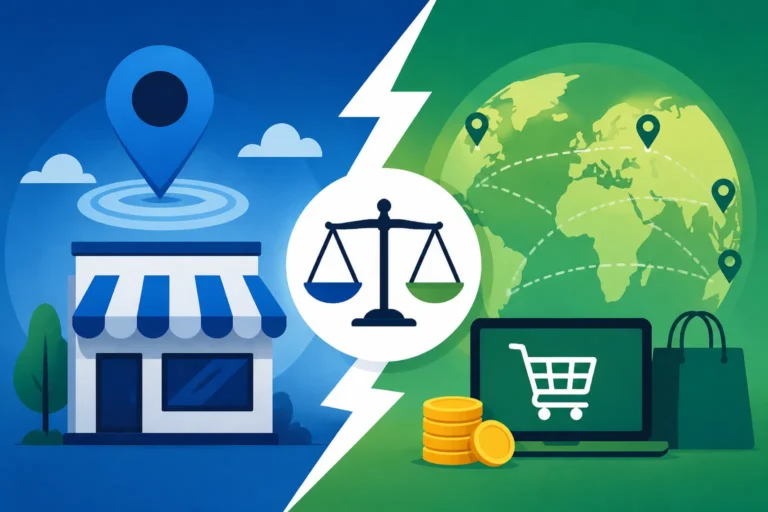
Imagine running your small business, selling handcrafted jewelry or vintage books online. For years, you only had to worry about collecting sales tax in your home state, or states where you had a physical storefront, employees, or inventory. Then, the internet exploded, and suddenly, traditional sales tax rules, which relied on a "physical presence," seemed completely outdated. States were losing out on billions in revenue, and it wasn't really fair to brick-and-mortar stores that had to charge tax while many online sellers didn't. This imbalance and revenue gap led to a massive overhaul in how sales tax is handled, particularly for online marketplaces.
Defining the Facilitator and the Seller
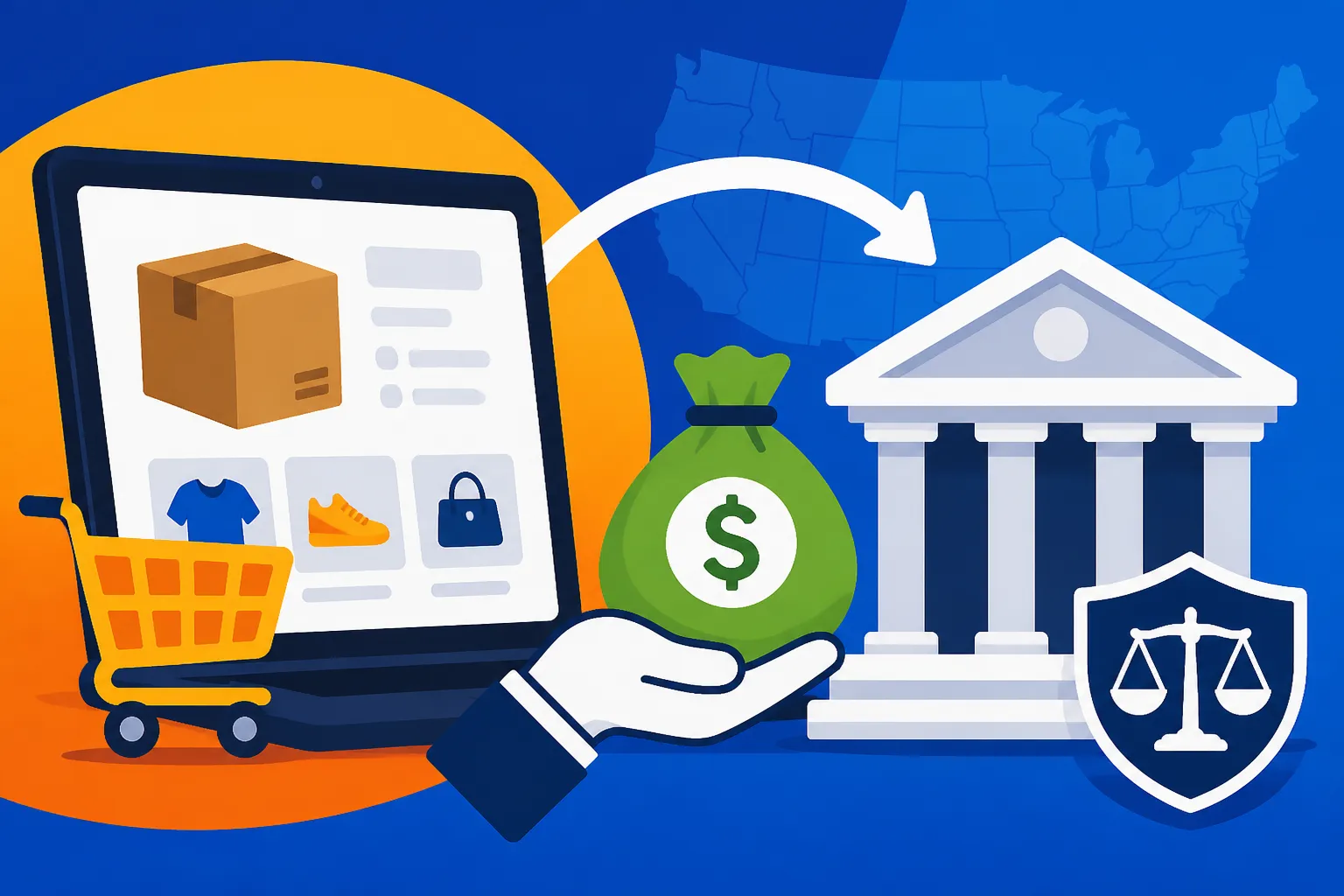
At its heart, a marketplace facilitator law is legislation that requires large online marketplaces – like Amazon, eBay, Etsy, and Walmart Marketplace – to collect and remit sales tax on behalf of their third-party sellers. Before these laws, if you sold a widget on Amazon to a customer in another state, you, the individual seller, were responsible for determining if you had nexus in that state, registering for a permit, collecting the tax, and then remitting it. It was a massive burden, especially for small businesses.
A marketplace facilitator is typically defined as a business that contracts with third-party sellers to facilitate the sale of products or services through its platform. They process payments, handle listing, and often even assist with shipping. Essentially, they are the middleman connecting buyers and sellers. The marketplace seller is the individual or business actually selling the goods on that platform. The critical shift is that the responsibility for sales tax collection moves from the individual seller to the platform itself for transactions made through that platform.
The Evolution of Sales Tax Collection Responsibility
The journey to marketplace facilitator laws really picked up steam over the last decade. For a long time, the prevailing legal precedent from the 1992 Quill Corp. v. North Dakota Supreme Court case stated that a business only needed to collect sales tax if it had a physical presence (nexus) in a state. This meant online retailers without physical stores or warehouses in every state largely avoided collecting sales tax. This was great for online buyers getting a "tax-free" deal, but it put local businesses at a significant disadvantage and deprived states of considerable tax revenue.
The internet, of course, didn't care much for physical boundaries, and e-commerce grew exponentially. States tried various ways to capture this lost revenue, but the Quill decision held firm for decades. This created a complicated and often unfair system where some sellers had to collect, and others didn't, purely based on their business model and physical footprint. The pressure mounted for a more equitable and enforceable solution for sales tax collection, particularly as online marketplaces became dominant forces in retail.
Why These Laws Were Introduced
The primary reason for introducing marketplace facilitator laws was to level the playing field and boost state tax revenues. States observed that consumers were often buying from out-of-state online retailers to avoid sales tax, hurting local economies and state budgets. By shifting the sales tax collection burden to the marketplace facilitators, states could streamline compliance significantly. Instead of trying to track and enforce sales tax collection from hundreds of thousands of individual third-party sellers, they could deal with a few large, centralized platforms. This made collection far more efficient and effective, capturing sales tax on a much larger volume of transactions.
These laws also addressed the compliance nightmare for small online businesses. Imagine a small Etsy seller based in Oregon (a state with no sales tax) who suddenly has customers in 20 different states. Under the old system, if they met Economic Nexus by State 2026: Thresholds Guide in several of those states, they’d need to register in each, calculate the varying local rates, collect, and remit. It was a massive barrier to entry and growth. Marketplace facilitator laws were designed to simplify this for sellers by having the platform handle it.
The Impact of South Dakota v. Wayfair on Marketplace Facilitators
You can't talk about marketplace facilitator laws without talking about the landmark Supreme Court decision South Dakota v. Wayfair: What It Means for Sellers. This 2018 ruling fundamentally changed the landscape of sales tax in the United States and directly paved the way for the widespread adoption of marketplace facilitator laws. Before Wayfair, states were largely bound by the physical presence rule, which meant even if you sold millions of dollars worth of goods into a state, you didn't have to collect sales tax unless you had a physical tie there. Wayfair blew that out of the water.
Setting the Stage for Economic Nexus
The Wayfair decision overturned the Quill precedent, ruling that a state could require an out-of-state seller to collect sales tax even if they had no physical presence in that state. The key here was "economic nexus." This new concept dictates that if a business generates a certain amount of sales revenue or a certain number of transactions into a state, they've established enough of an economic presence to be required to collect sales tax. This threshold varies by state, but commonly it's around $100,000 in sales or 200 separate transactions annually.
This was a game-changer. Suddenly, every online business, regardless of where they were physically located, had to evaluate their sales into every state to determine if they had economic nexus. For individual online sellers, this meant a massive increase in potential sales tax obligations and compliance complexity. It truly highlighted the need for a more streamlined approach, which marketplace facilitator laws provided.
Shifting the Burden: From Small Sellers to Marketplaces
With economic nexus established as a legitimate basis for sales tax collection, states moved quickly to implement their own nexus thresholds. However, they also recognized the immense administrative burden this would place on small Sales Tax for Online Sellers: Complete Guide who might hit these thresholds. This is where marketplace facilitator laws became the elegant solution.
Instead of each of the thousands of sellers on Amazon or eBay having to track their sales into every single state, register, collect, and remit, the state could simply require Amazon or eBay to do it. These large platforms already have the infrastructure, technology, and financial resources to handle complex sales tax calculations and remittances across all jurisdictions. This shift dramatically simplified compliance for many third-party sellers, allowing them to focus on their core business rather than navigating a bewildering array of state tax codes.
For example, a small candle maker in rural Vermont selling through Etsy might easily exceed the $100,000 economic nexus threshold in Economic Nexus Threshold in New York or Economic Nexus Threshold in California through Etsy sales alone. Without marketplace facilitator laws, that small business would have to register for sales tax permits in those states and handle all the filings. With the laws, Etsy takes on that burden for sales made through its platform.
The Ripple Effect Across States
Following the Wayfair decision, almost every state with a sales tax rapidly enacted economic nexus laws, and, in quick succession, marketplace facilitator laws. Within a couple of years, nearly all states had adopted these provisions. While the specific thresholds and effective dates varied, the general principle remained consistent: if an online marketplace facilitates a certain volume of sales into a state, it becomes responsible for collecting and remitting sales tax on those transactions.
This widespread adoption created a somewhat uniform (though still complex) compliance environment for online sellers. It meant that a seller using a major marketplace could generally assume that sales tax would be collected by the platform for most states. This was a huge sigh of relief for many, but it also meant sellers needed to understand exactly when and where the marketplace was collecting and what their remaining obligations might be.
How Marketplace Facilitator Laws Work in Practice
Understanding the legal background is one thing, but seeing how marketplace facilitator laws actually play out in your day-to-day operations as an online seller is another. It fundamentally changes the sales tax dynamic between you, your customers, and the platforms you use. For many, it means a significant reduction in direct sales tax responsibilities, but it doesn't always eliminate them entirely.
The Platform's New Role in Collection and Remittance
Under marketplace facilitator laws, the marketplace itself (e.g., Amazon, Etsy, eBay) becomes the party legally responsible for calculating, collecting, and remitting sales tax on all sales made through its platform where it has nexus. This means:
- Tax Calculation: When a customer makes a purchase from a third-party seller on the platform, the marketplace's system determines the correct sales tax rate based on the buyer's shipping address and the type of product being sold. This often involves navigating thousands of local tax jurisdictions, which can have varying rates and rules for specific product categories.
- Collection: The marketplace adds this calculated sales tax to the customer's total at checkout, just as if the marketplace were the direct seller.
- Remittance: The marketplace then holds onto that collected tax and periodically remits it to the appropriate state and local tax authorities. For instance, if you sell a book on Amazon to a customer in Seattle, Washington, Amazon will collect the sales tax and send it to the Washington Department of Revenue, including any relevant local Seattle taxes.
This takes a huge burden off individual sellers, who no longer need to calculate these complex rates or send money to potentially dozens of different state tax departments. The platforms typically do not charge sellers an extra fee for this service; it's part of their legal obligation.
What This Means for Third-Party Sellers
For most third-party sellers using major marketplaces, the primary implication is a significant simplification of sales tax compliance. You no longer need to worry about registering for Sales Tax Permits by State 2026: All 50 States or filing returns for sales made through the marketplace in states where the marketplace is collecting. This frees up countless hours and reduces the risk of errors and penalties.
However, it's critical to understand that this simplification usually only applies to sales made through the marketplace. If you also sell on your own independent website, or through other channels that are not considered marketplace facilitators, you are still responsible for your own sales tax obligations for those direct sales. You'll still need to determine if you have nexus (physical or Economic Nexus by State 2026: Thresholds Guide) in any state for those direct sales, register, collect, and remit as usual. This distinction is often a source of confusion for sellers.
Furthermore, even if a marketplace collects sales tax on your behalf, you still need to be aware of how those sales are recorded and reported for your own internal accounting and income tax purposes. The collected sales tax is not income to you; it's a pass-through tax.
Impact on Multichannel Sales Strategies
For businesses that sell across multiple channels – say, Amazon, eBay, and their own Shopify store – marketplace facilitator laws introduce a bifurcated approach to sales tax. For sales on Amazon and eBay (which both act as marketplace facilitators in most states), those platforms handle the sales tax. But for sales made directly through your Shopify store, you are still the retailer of record responsible for sales tax.
This means a multichannel seller still needs a robust sales tax strategy. You might still need to register for sales tax permits in states where your direct sales trigger Sales Tax Nexus Explained (Physical vs Economic). You'll need to know How to Know If You Have Sales Tax Nexus from your non-marketplace activities. This requires careful tracking of your sales from all sources, often using Best Sales Tax Compliance Software 2027 to manage the complexity. Tools like Avalara can help you manage your direct sales obligations, even while marketplaces handle their share. Without a clear understanding, you might mistakenly believe all your sales tax woes are gone, only to find yourself non-compliant for your direct-to-consumer sales.
Does Amazon Collect Sales Tax?
This is the million-dollar question for many sellers, and the short answer is: yes, almost universally for third-party sales on its platform in states with marketplace facilitator laws. Amazon has been proactive in implementing these laws, typically beginning to collect sales tax on behalf of third-party sellers as each state's marketplace facilitator law came into effect. By the end of 2019 and early 2020, Amazon was collecting sales tax for all states that require it.
Amazon's Stance and Implementation
Amazon, being one of the largest online marketplaces, has invested heavily in its sales tax collection infrastructure. When a state enacts a marketplace facilitator law, Amazon analyzes its sales into that state to determine if it meets the state's economic nexus threshold (which, given Amazon's scale, it almost certainly does). Upon the effective date of the law, Amazon begins automatically calculating, collecting, and remitting sales tax on all eligible third-party sales shipped to that state.
This means that if you're a seller on Amazon, and your customer is in, say, What Is the Sales Tax in California?, Amazon will add the appropriate California Sales Tax Rate (7.25% Base + Districts) to their purchase. The customer pays it to Amazon, and then Amazon handles getting that money to the California Department of Tax and Fee Administration. You, the seller, never see that sales tax money in your disbursement; it's handled completely by Amazon behind the scenes. This transparency and automation are precisely what these laws aimed to achieve.
When Amazon Doesn't Collect (and When You Still Might Owe)
While Amazon collects sales tax for the vast majority of third-party sales, there are still a few scenarios or situations where a seller might have remaining sales tax obligations:
- States Without Marketplace Facilitator Laws: As of early 2024, nearly all states with a state sales tax have enacted marketplace facilitator laws. However, if any state were to lack such a law (or if you were selling into one of the States With No Sales Tax (NOMAD Explained) like Oregon, Delaware, Montana, New Hampshire, or Alaska where only local taxes might apply), then the sales tax responsibility would revert to the individual seller if they have nexus. It's rare now for a state with sales tax to not have a marketplace facilitator law, but it's important to be aware of the possibility.
- Direct Sales: As mentioned, if you sell products directly from your own website (e.g., your Shopify store or your personal e-commerce site) or any other channel where Amazon is not facilitating the transaction, Amazon does not collect sales tax for those sales. You remain solely responsible for understanding your Sales Tax Nexus Explained (Physical vs Economic) for those sales, collecting, and remitting.
- Specific Product Exemptions: Even with marketplace facilitator laws, certain products might be exempt from sales tax in specific states (e.g., some Is Clothing Taxable? Sales Tax on Apparel by State items below a certain price point, or Sales Tax on Groceries & Food by State). Amazon's system is designed to account for these exemptions, so if a product is truly exempt, no tax will be collected. However, sellers need to be certain their product categorization is accurate within Amazon's system to ensure correct tax treatment.
- Wholesale or Resale Exemptions: If you're selling to a buyer who provides a valid Resale Certificate by State: Complete Guide, Amazon's system can sometimes be configured to not charge sales tax. However, the process for managing Resale Exemption Explained certificates and ensuring they are correctly applied typically still requires seller oversight and input. This isn't Amazon's default; it's a specific exemption claimed by the buyer.
So, Do I Still Need a Permit If Amazon Collects? For sales through Amazon in states where Amazon collects, generally no. But for your direct sales, absolutely yes, if you have nexus.
The Importance of Sales Tax Certificates Even with Marketplace Collection
Even if Amazon collects sales tax on most of your sales, understanding and managing sales tax exemption certificates remains important for certain business scenarios. For instance, if you're a business-to-business (B2B) seller and your buyers are purchasing items for resale, they will typically provide you with a resale certificate. This certificate exempts the sale from sales tax.
While Amazon handles the collection for taxable sales, it also provides mechanisms for sellers to indicate when a sale is exempt. This means you still need to:
- Understand Exemptions: Be familiar with common Nonprofit & Government Sales Tax Exemptions, Manufacturing Sales Tax Exemption by State, or Agricultural Sales Tax Exemption by State that might apply to your products or customers.
- Collect and Validate Certificates: If you're making direct sales (off-Amazon) to exempt entities, you are responsible for obtaining and validating these certificates. For Amazon sales, the platform often has a process for buyers to claim exemptions, but the underlying need for a valid certificate from the buyer still exists, even if Amazon processes it.
- Maintain Records: Regardless of who collects the tax, maintaining accurate records of all sales, taxable or exempt, is crucial for your own business accounting and potential audits.
In short, just because Amazon is a marketplace facilitator doesn't mean the concept of sales tax exemptions disappears. It simply means Amazon facilitates the process for many transactions.
Challenges and Best Practices for Sellers
Even with marketplace facilitator laws in place, managing sales tax for an online business isn't entirely "set it and forget it." There are still challenges, especially for multichannel sellers, and proactive best practices can save you a lot of headaches down the line.
Determining Your Remaining Sales Tax Obligations
The biggest challenge for many sellers is understanding what sales tax responsibilities still fall on them. If you're exclusively selling through a single marketplace like Amazon and don't have any other physical presence or sales channels, your direct sales tax obligations might be minimal (perhaps limited to your home state for direct sales if you have them). However, if you're like most growing businesses, you probably diversify:
- Your Own Website: As mentioned, sales from your personal e-commerce store (e.g., built on Shopify, WooCommerce, or Magento) are your direct responsibility. You need to perform a Sales Tax Nexus Explained (Physical vs Economic) assessment for these sales.
- Other Marketplaces: While most major marketplaces are facilitators, always verify for smaller or niche platforms.
- Physical Presence: If you attend craft fairs, pop-up shops, or have employees or inventory in a state, that creates Physical Nexus vs Economic Nexus, obligating you to collect sales tax on all your sales (including marketplace sales if the marketplace wasn't collecting) into that state.
- Amazon FBA: Using Amazon FBA Sales Tax Nexus Explained can sometimes create physical nexus in states where Amazon stores your inventory, even if you don't physically operate there. This is a complex area, but for sales through Amazon, Amazon will still collect. However, if that FBA inventory creates nexus and you're selling off-Amazon to customers in those states, you'd owe tax.
- Services or Digital Products: Is SaaS Taxable? Software-as-a-Service by State and Digital Products Sales Tax by State rules can be incredibly complex and vary widely. Marketplaces might not always handle these perfectly, or you might sell them directly.
The key is to segment your sales. Clearly separate marketplace-facilitated sales from your direct sales and assess nexus and collection obligations for each channel independently.
Leveraging Sales Tax Automation Tools
Given the ongoing complexity, even with marketplace facilitator laws, Sales Tax Automation: Is It Worth It? is often a resounding yes for growing businesses. Especially if you have direct sales or operate across multiple channels, trying to manually track Sales Tax Rates by State 2026: All 50 States and jurisdictions, manage Sales Tax Due Dates by State 2026, and How to File a Sales Tax Return: Step by Step can quickly become overwhelming and prone to error.
This is where sales tax software comes in handy. Solutions like Avalara, TaxJar, and Stripe Tax integrate with your e-commerce platforms (like Shopify or BigCommerce) and accounting software to:
- Automate Nexus Tracking: Help you monitor your sales volume into each state to determine if you've hit economic nexus thresholds for your direct sales.
- Real-time Rate Calculation: Apply the correct sales tax rates at the point of sale, based on the customer's address and product type.
- Filing & Remittance: Prepare and sometimes even file your sales tax returns and remit the collected taxes to the correct authorities.
- Exemption Certificate Management: Help you manage and store resale or other exemption certificates from your buyers.
Even for businesses that rely heavily on marketplaces, having a system to track their overall sales volume, understand their remaining nexus, and manage non-marketplace sales is invaluable. It provides peace of mind and ensures you're not caught off guard by an audit.
Ongoing Compliance and Monitoring
Sales tax laws are not static; they change frequently. States often adjust their rates (you can keep an eye on 2026 Sales Tax Rate Changes by State), update definitions of what's taxable (Is Shipping Taxable? Freight Sales Tax by State or Is Software Taxable? (Canned vs Custom)), or modify nexus thresholds. While marketplace facilitators generally update their systems to reflect these changes for sales made through their platforms, you, as a business owner, still need to stay informed, especially for your direct sales.
Best practices for ongoing compliance include:
- Regular Nexus Reviews: At least annually, review your sales data across all channels to re-evaluate your nexus footprint in every state. This is crucial for sellers using FBA, whose inventory locations can shift.
- Stay Informed: Subscribe to updates from state tax authorities or reliable sales tax blogs. Don't assume that because Amazon is collecting, you can ignore the news about sales tax.
- Accurate Product Categorization: Ensure your products are correctly categorized on all sales channels. A miscategorized item could be taxed incorrectly, leading to over- or under-collection.
- Record Keeping: Maintain diligent records of all sales, collected taxes, and exemption certificates. This is vital for How to Register for Sales Tax (Multi-State) and if you ever face an audit.
By staying vigilant and using appropriate tools, you can navigate the post-Wayfair sales tax environment with confidence, even with the complexities of marketplace facilitator laws.
Understanding State-Specific Nuances
While marketplace facilitator laws have brought a layer of consistency, it’s crucial to remember that sales tax is fundamentally a state-level issue. No two states are exactly alike, and the devil is always in the details. These nuances mean that while Amazon collects for most, the specific what and how of sales tax can still vary significantly, impacting your direct sales or specialized transactions.
Variations in What's Taxable
One of the biggest areas of variation across states is Sales Tax on Services: What's Taxable by State and Taxable Goods by State. For example:
- Clothing: Some states like Pennsylvania, Minnesota, and New Jersey generally exempt most clothing from sales tax. Others, like New York and Massachusetts, have exemptions only for clothing items below a certain price threshold (Is Clothing Taxable in New York? ($110 Rule) or Is Clothing Taxable in Massachusetts? ($175 Rule)). Most other states tax clothing like any other tangible good.
- Groceries: Many states exempt Sales Tax on Groceries & Food by State, but some tax them at a reduced rate, and a few tax them at the full general sales tax rate (States That Tax Groceries at Full Rate). The definition of "grocery" can also vary, with Candy & Soda Sales Tax (The Flour Test) often being treated differently than staple foods.
- Software and Digital Products: This category is a minefield. Some states tax all software, some only "canned" (off-the-shelf) software, and some differentiate between software delivered physically versus digitally. Is SaaS Taxable? Software-as-a-Service by State is another area with incredibly diverse rules, from fully taxable to completely exempt, often depending on how the service is delivered or accessed.
While marketplaces like Amazon strive to apply the correct tax rules based on product categories, Is Software Taxable? (Canned vs Custom) or Are Digital Products Taxable in My State? might still require careful review, especially if you sell unusual items or services directly.
Different Reporting Requirements
Even if Amazon or another marketplace collects tax on your behalf, some states may still require you to How to File a Sales Tax Return: Step by Step and report those sales, albeit as "zero-taxed" or "marketplace-facilitated" sales. This is not about collecting tax yourself, but about states wanting a complete picture of economic activity within their borders.
For instance, a state might want to see your total gross sales, then allow you to deduct sales collected by marketplace facilitators before arriving at your taxable sales. This ensures the state knows the full volume of sales happening. While you won't owe tax on these sales, failing to report them correctly could lead to compliance issues. This is particularly relevant if you have Registering for Sales Tax in Multiple States for your direct sales, as you'll be filing returns anyway. It's a common area where Do I Need to File Sales Tax If Amazon Collected It? becomes a nuanced "yes, but differently" answer.
Local Sales Tax and Home-Rule Complications
The complexity is further compounded by local sales taxes. States like Colorado, Alabama, and Louisiana have extensive local sales tax jurisdictions. Colorado, with its Colorado Home-Rule Cities Sales Tax, allows cities like Denver to administer their own sales tax, independent of the state. Louisiana Parish Sales Tax Complexity means you might have state, parish, and city taxes all stacking up.
While marketplace facilitators generally handle these complex Combined State + Local Sales Tax Rates Explained calculations, if you are selling directly, you absolutely need robust tools to determine the correct rate for every customer's address, down to the street level. Relying solely on ZIP codes for sales tax calculations can be insufficient because tax boundaries don't always align perfectly with ZIP codes. This is why Sales Tax by ZIP Code (and Why ZIP Isn't Enough) is a common frustration.
The table below summarizes the core differences in sales tax responsibility for online sellers before and after marketplace facilitator laws, and how Amazon typically fits in.
| Aspect of Sales Tax | Before Marketplace Facilitator Laws | After Marketplace Facilitator Laws (on Marketplaces) | After Marketplace Facilitator Laws (for Direct Sales) |
|---|---|---|---|
| Nexus Responsibility | Seller tracks all sales for nexus. | Marketplace Facilitator determines its own nexus. | Seller still tracks all direct sales for nexus. |
| Collection | Seller calculates and collects. | Marketplace Facilitator calculates and collects. | Seller calculates and collects. |
| Remittance | Seller remits to states. | Marketplace Facilitator remits to states. | Seller remits to states. |
| Filing Returns | Seller files returns in all nexus states. | Seller may report marketplace sales as non-taxable, or may not need to file if no other nexus. | Seller files returns in all nexus states for direct sales. |
| Exemption Certificates | Seller manages & validates. | Marketplace typically handles for its platform, but seller still needs to know. | Seller manages & validates. |
| Complexity for Seller | Very High | Significantly Reduced for marketplace sales | Still High if selling direct into multiple states. |
In essence, marketplace facilitator laws dramatically simplify life for sellers on platforms like Amazon, but they don't erase the need for vigilance, especially for those with direct sales channels. Staying informed and utilizing resources, including sales tax software like Avalara, is still a critical component of any comprehensive sales tax strategy.
Disclaimer
Please note that this content is for informational purposes only and does not constitute tax or legal advice. Sales tax laws are complex and constantly evolving. It is highly recommended to consult with a qualified tax professional or legal expert for advice tailored to your specific business situation.