Resale Exemption Explained
One of the most persistent headaches for businesses dealing with sales tax is the specter of double taxation – paying sales tax on items you purchase only to turn around and collect sales tax again when you sell them to your customers. It's a frustrating situation that can tie up capital and create unnecessary accounting complexities. This comprehensive guide is designed to demystify the resale exemption, offering clear insights into how it works, when to use it, and how to stay compliant, so you can breathe a little easier knowing you're not paying more than you should.
What Exactly is a Resale Exemption?
The concept of a resale exemption is fundamentally built on preventing the same item from being taxed multiple times as it moves through the supply chain. Imagine a t-shirt manufacturer selling shirts to a boutique owner, who then sells those same shirts to a customer. If both the manufacturer-to-boutique and boutique-to-customer transactions were taxed, the end consumer would effectively be paying sales tax twice on the value added at each stage, which isn't the intention of sales tax laws.
The Core Concept of Avoiding Double Taxation
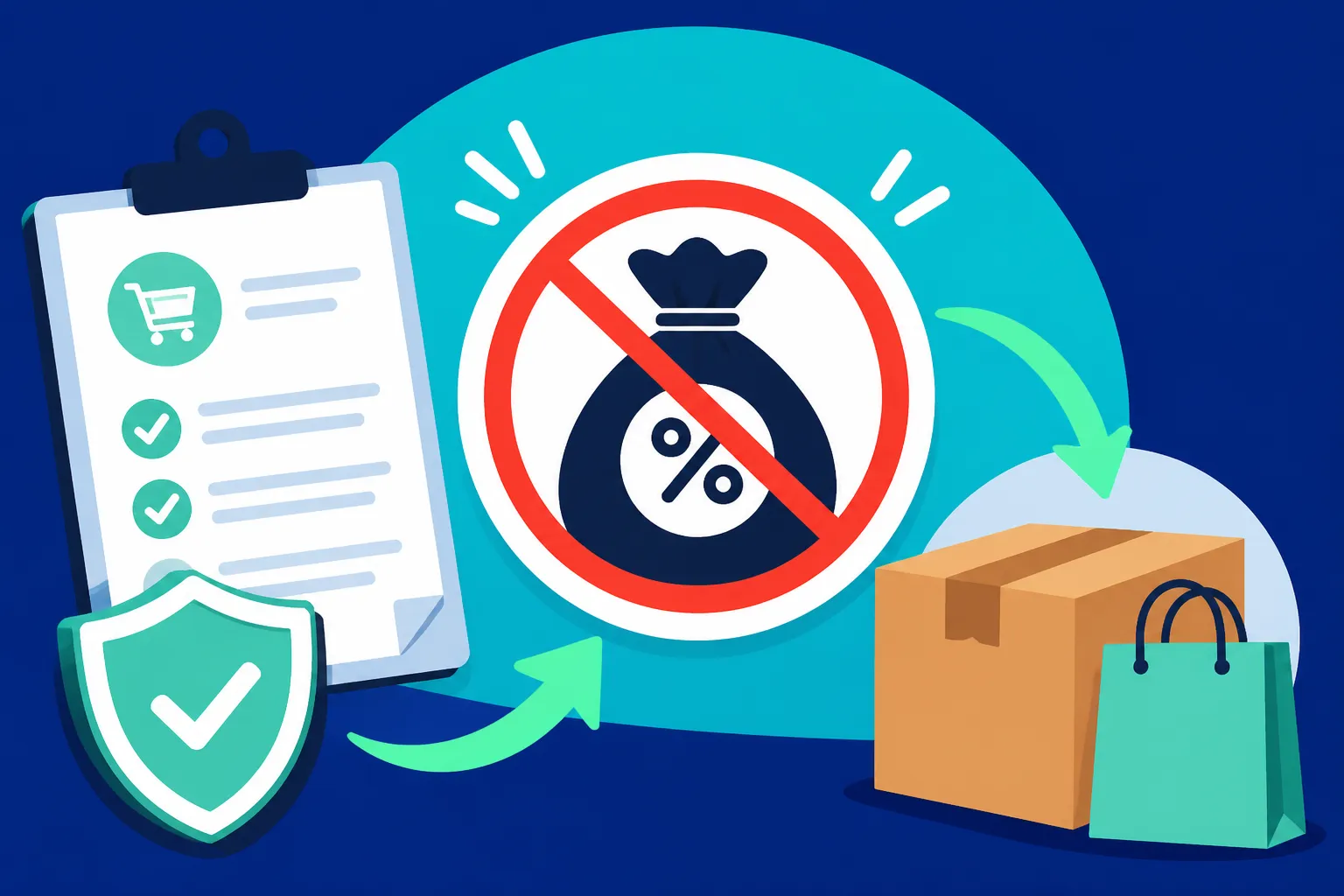
At its heart, a resale exemption simply means that a seller (let's call them Vendor A) does not charge sales tax to a buyer (let's call them Buyer B) if Buyer B intends to resell the purchased items. Buyer B certifies this intent by providing Vendor A with a valid resale certificate, also sometimes called a reseller's permit, certificate of authority, or seller's permit, depending on the state. This mechanism ensures that sales tax is ultimately collected only once, at the final retail sale to the end consumer who will use or consume the product. Without this exemption, businesses would face inflated costs, making it harder to price competitively and manage cash flow, and the consumer would bear an unfair burden.
For example, if you own a gift shop and purchase a batch of artisanal candles from a wholesaler, you don't want to pay sales tax on those candles when you buy them. Your intention is to sell them to your customers. When your customers buy a candle, that's when the sales tax should be applied. The resale exemption is the legal pathway to avoid that initial tax hit, allowing you to buy inventory tax-free. It’s a critical component of a fair sales tax system, ensuring that the burden falls squarely on the end-user, as intended.
Who Benefits from Resale Exemptions?
Any business that purchases goods or services with the explicit intent to resell them in the ordinary course of business benefits from resale exemptions. This includes a vast array of businesses, from the obvious retail stores and e-commerce shops to less obvious examples like manufacturers who buy raw materials that will become part of a final product, or even service providers who purchase tangible goods that are then transferred to a client as part of a taxable service.
Think about a small business owner running an online boutique selling handcrafted jewelry. When they buy beads, clasps, and wire from a craft supplier, they aren't using those materials for personal consumption. Instead, they're incorporating them into a new product—the jewelry—which they will then sell to their customers. Without a resale exemption, they'd pay sales tax on the raw materials, and then their customers would pay sales tax on the finished jewelry, leading to that problematic double taxation. This also applies to businesses buying items wholesale to then sell individually, or even restaurants buying food ingredients to prepare and sell meals.
It's not just about tangible products, either. While many states focus the resale exemption on tangible personal property, some states extend it to certain services or digital goods if they are acquired solely for resale. This can get tricky and often depends on specific state laws, as we'll explore later. The key takeaway is that if your business acts as an intermediary in the supply chain, facilitating the movement of goods or certain services to their ultimate consumer, the resale exemption is your friend.
How Resale Certificates Work in Practice
Understanding the "why" behind resale exemptions is one thing, but knowing the "how" is where the rubber meets the road for day-to-day business operations. It’s a straightforward process on the surface, but like anything sales tax-related, the details matter immensely. The core mechanism involves a buyer providing documented proof of their intent to resell to the seller, who then keeps this document on file.
Obtaining a Resale Certificate
Before you can present a resale certificate to a vendor, you need to obtain one from the appropriate state taxing authority. This process typically starts with registering for a sales tax permit or seller's permit in the state where you have Sales Tax Nexus Explained Physical vs Economic and where you plan to make tax-exempt purchases for resale. If you're wondering, "Resale Certificate vs Sales Tax Permit", they're related but distinct: your sales tax permit grants you the authority to collect and remit sales tax, and once you have it, you can typically generate a resale certificate based on that registration.
The specific steps to get a resale certificate vary by state. In California, for instance, you'd apply to the California Department of Tax and Fee Administration (CDTFA) for a seller's permit. Once you have that, you can then issue a Resale Certificate in California (CDTFA-230) to your suppliers. Similarly, in Texas, you'd register with the Comptroller of Public Accounts to get your sales tax permit, which then allows you to issue a How to Get a Resale Certificate in Texas (Form 01-339) for your purchases. The good news is that for most states, applying for your seller's permit is usually the primary step. The resale certificate itself is often a form you fill out and provide to your vendors, leveraging your existing sales tax registration number.
It’s crucial to remember that you must have a legitimate sales tax registration in the state where you are buying goods for resale, or at least be registered in a state that is recognized by the state where the purchase is made through reciprocity agreements or multi-state forms. If you purchase items from a vendor in Ohio for your business based in Kentucky, you'll need to know Ohio's rules for accepting out-of-state certificates. Never issue a resale certificate if you don't genuinely intend to resell the items or if you don't have the proper registration. That can lead to serious penalties.
Presenting and Validating Certificates
Once you have your resale certificate, the next step is presenting it to your suppliers. When you make a purchase from a wholesaler or distributor and you want to claim the resale exemption, you provide them with your completed and signed resale certificate. This document attests that you are purchasing the items for resale and not for your own use or consumption.
From the seller's perspective, receiving and validating these certificates is critical. If a seller accepts a fraudulent or improperly completed resale certificate, and it turns out the buyer was not entitled to the exemption, the seller could be held liable for the uncollected sales tax, plus penalties and interest. Therefore, sellers must exercise due diligence. This usually involves checking that the certificate is properly filled out, signed, and includes a valid sales tax registration number for the state in question. Many businesses use third-party sales tax compliance software like Avalara to manage and validate these certificates, reducing manual errors and audit risk.
It's also important for sellers to keep these certificates on file for the statutory period required by each state, typically three to five years. In the event of an audit, these certificates are your proof that you properly exempted certain sales from sales tax collection. Without them, an auditor might disallow the exemption and assess tax on those sales. Modern compliance solutions offer digital storage and automated reminders for expiration, making the process much smoother than digging through filing cabinets.
Common Items and Scenarios for Resale Exemption
The application of the resale exemption isn't always cut and dry. While it's relatively straightforward for a retail store buying inventory, there are nuances when it comes to component parts, mixed transactions, and the ever-evolving landscape of services and digital goods. Understanding these common scenarios can help businesses avoid missteps.
Tangible Personal Property for Direct Resale
This is the most common and easily understood application of the resale exemption. If your business purchases physical goods – like clothing, electronics, books, furniture, or toys – with the direct intention of selling them to an end consumer, these purchases are typically exempt from sales tax when you present a valid resale certificate.
For instance, a local hardware store orders a shipment of power tools from a distributor. These tools aren't for the store's internal use; they are clearly destined for sale to contractors and DIY enthusiasts. The hardware store provides its resale certificate to the distributor, and the distributor does not charge sales tax on that bulk purchase. When a customer then comes into the store and buys a drill, that's when the store collects sales tax from them. This ensures the tax is only paid once. This principle holds true whether the sale occurs in a brick-and-mortar store, through an e-commerce website, or via a catalog. The crucial element is the intent to resell the exact same item as tangible personal property.
It's important to differentiate between items bought for resale and items bought for internal business use, even if those internal items are used to facilitate sales. For example, the computer used at the checkout counter, the shelving units displaying products, or the cleaning supplies for the store are generally not exempt, even if the business has a sales tax permit. These items are consumed by the business itself, not resold, and thus are subject to sales tax when purchased. Misclassifying these internal-use items as purchases for resale is a common audit trigger.
Component Parts and Ingredients
The resale exemption often extends beyond simply reselling an item in its original form. It also applies when a business purchases raw materials or component parts that will be incorporated into a new product that is then sold. This prevents what's known as "tax on tax" on the various stages of manufacturing.
Consider a bakery. When the bakery buys flour, sugar, eggs, and butter, these ingredients are not taxed because they will be combined and transformed into cakes, cookies, and breads that are ultimately sold to customers. The baker issues a resale certificate to the food supplier, confirming that these ingredients are for resale as part of a prepared food product. Similarly, an auto manufacturer purchases tires, engines, and various other parts. These are all exempt from sales tax when purchased by the manufacturer because they are components of the finished automobile that will be sold to a dealership, and eventually, to an end consumer.
This aspect of the exemption is critical for manufacturing and food service industries. However, states vary in their definitions of what constitutes a "component part" or "ingredient." Some states might distinguish between items that become a physical part of the finished product versus items consumed in the manufacturing process (like fuel for machinery). It's vital for businesses to understand the specific rules in their state regarding manufacturing exemptions versus straight resale exemptions for component parts. Generally, if the item's identity is lost in the new product, or if it's an integral and necessary part of the final product sold, it typically qualifies.
Services and Digital Goods: A Nuanced Landscape
Applying resale exemptions to services and digital goods is where things can get particularly complicated, as state laws vary wildly in how they tax these items in the first place. Many states consider services non-taxable by default unless specifically enumerated as taxable, while others have broad taxes on services. Digital goods also occupy a gray area, sometimes treated like tangible personal property, sometimes like services, and sometimes uniquely.
If a service is taxable in a particular state, and a business purchases that taxable service with the intent to resell it to their own client (either as a standalone service or as a component of a larger taxable service package), a resale exemption might apply. For example, if a marketing agency buys web hosting services and then resells those exact services to their clients as part of a web design package, and the web hosting is a taxable service in that state, the agency might be able to use a resale certificate. However, this is not universally true, and it often depends on whether the service is clearly delineated as a "resale" item and not simply consumed by the reselling business.
The same goes for digital goods like Is SaaS Taxable Software-as-a-Service by State, software, or e-books. In states where these are taxable, if a business licenses software from a provider and then sub-licenses or resells that same software to an end-user, a resale exemption could potentially be claimed. This area is constantly evolving, with new legislation emerging as technology advances. For instance, Louisiana Now Taxes SaaS Jan 2025, adding a layer of complexity for businesses operating there. Businesses dealing with these types of transactions must consult state-specific guidance meticulously to determine if a resale exemption is applicable, as the rules are far less standardized than for tangible personal property.
The Different Types of Resale Certificates
Navigating the world of resale exemptions isn't just about understanding the concept; it's also about understanding the specific documents you'll encounter. Not all resale certificates are created equal, and knowing the distinctions between single-use, blanket, and multi-state forms can save you a lot of time and potential headaches.
Single-Use vs. Blanket Certificates
When you're dealing with a supplier, you might have the option of providing a single-use certificate or a blanket certificate. The choice largely depends on the nature and frequency of your purchases from that particular vendor.
A single-use certificate is exactly what it sounds like: it's valid for one specific transaction. You'd fill out the form for each individual purchase you make from a vendor, specifying the items being purchased and the date of that particular transaction. This can be suitable if you buy from a vendor very infrequently or for highly specialized, one-off projects where the resale intent might differ from your usual purchases. However, for businesses that have ongoing relationships with suppliers and make regular, recurring purchases of items for resale, filling out a single-use certificate every time can become incredibly cumbersome and inefficient. Imagine a large retail chain having to issue a new certificate for every order from a major distributor – it would be an administrative nightmare.
This is where a blanket certificate becomes invaluable. A blanket certificate covers all purchases made from a specific vendor over a designated period, often indefinitely or until revoked. Once you provide a valid blanket certificate to a supplier, all subsequent purchases you make from them for resale purposes will be exempt from sales tax, without requiring new paperwork for each transaction. This vastly simplifies the administrative burden for both the buyer and the seller. Most businesses with regular suppliers will opt for blanket certificates for their convenience. However, it's still the buyer's responsibility to notify the seller if their resale intent changes or if their sales tax permit expires, rendering the blanket certificate invalid for future purchases.
State-Specific Forms and Requirements
While the concept of a resale exemption is universal among sales tax states, the forms and specific requirements for these certificates are very much state-specific. Each state designs its own resale certificate form, often with unique fields and specific instructions.
For example, California uses form CDTFA-230, the "Resale Certificate." It requires information such as the purchaser's name, address, seller's permit number, a description of the property being purchased, and a statement that the purchaser intends to resell the property in the regular course of business. On the other hand, Texas requires Form 01-339, "Texas Sales and Use Tax Resale Certificate," which has similar information requirements but is formatted and worded according to Texas statutes. You can learn How to Get a Sales Tax Permit in California and similarly How to Get a Sales Tax Permit in Texas, as obtaining these permits is the prerequisite to issuing state-specific resale certificates.
This state-by-state variation can be a significant challenge for businesses that operate in multiple states. A certificate that's perfectly valid in New York won't necessarily be accepted in Florida, even if both states have a similar underlying exemption. Businesses must be diligent in ensuring they collect and issue the correct state-specific forms. The compliance burden can quickly escalate, especially if you're a seller trying to manage certificates from buyers across the country. This is where tools like Avalara can step in, centralizing the management of these diverse state forms and simplifying the validation process.
The Multistate Tax Commission (MTC) Uniform Sales & Use Tax Certificate
To alleviate some of the complexity of state-specific forms, the Multistate Tax Commission (MTC) developed a "Uniform Sales & Use Tax Certificate." This certificate is designed to be accepted by multiple states, allowing a single form to cover tax-exempt purchases across various jurisdictions that participate or accept it.
The MTC certificate is incredibly helpful for businesses making purchases in numerous states. Instead of needing to manage and provide a different state-specific form for each state where they buy goods for resale, they can often use one standardized document. This significantly reduces the administrative load for both the buyer (who needs to issue fewer distinct forms) and the seller (who needs to store and validate fewer distinct forms). However, it's crucial to understand that not all states accept the MTC Uniform Certificate. Some states may require their own specific form regardless of your MTC certificate.
For example, while states like Florida, Texas, and New York generally accept the MTC certificate, there are nuances and sometimes additional state-specific information required. You'll need to confirm if the state you're purchasing in accepts the MTC form and if there are any special instructions. The MTC certificate typically includes checkboxes for various exemption reasons (resale, manufacturing, agricultural, etc.), allowing the buyer to specify the nature of the exemption. You can find more detailed information on the Multistate MTC Resale Certificate Explained to understand which states participate and any conditions for its use. Always verify with the state's tax authority or your supplier if you're unsure.
Navigating Multistate Sales and Nexus Implications
For businesses that sell across state lines, particularly online, the world of sales tax becomes exponentially more complex. Resale exemptions are a crucial component of compliance, but they must be understood within the broader context of Sales Tax for Online Sellers Complete Guide, economic nexus, and marketplace facilitator laws.
When Your Business Has Nexus in Multiple States
If your business has established sales tax nexus in multiple states – meaning you have a sufficient presence or activity to require you to collect and remit sales tax there – then managing resale certificates becomes a significant operational task. Nexus can be triggered by various factors, including physical presence (like an office or warehouse), employees, or economic nexus thresholds (a certain amount of sales or transactions into a state). You can learn more about Economic Nexus by State 2026 Thresholds Guide to see how these thresholds vary.
When you're selling into multiple states where you have nexus, you are responsible for collecting sales tax from your customers unless they provide you with a valid resale certificate for that specific state. This means you, as the seller, need to be prepared to accept and validate resale certificates from buyers in each of those states. For instance, if you're an online wholesaler based in Illinois but have economic nexus in California, Texas, and New York, you must collect sales tax from your buyers in those states unless they provide you with a valid California resale certificate, a Texas resale certificate, or a New York resale certificate, respectively.
This situation demands robust record-keeping and a deep understanding of each state's certificate requirements. You'll need systems in place to:
- Collect Certificates: Ensure your online checkout or invoicing system allows buyers to easily submit their resale certificates.
- Validate Certificates: Verify the validity of each certificate, including checking the permit number and expiration date.
- Store Certificates: Keep all certificates securely stored for the required retention period in case of an audit.
- Manage Expirations: Track expiration dates and proactively request updated certificates from your customers.
Failure to properly manage these certificates can result in significant liabilities during an audit, as the state will consider those sales taxable and hold you responsible for the uncollected tax.
The Role of Marketplace Facilitators
The rise of marketplace facilitators like Amazon, eBay, and Etsy has added another layer of complexity to sales tax, but it also simplifies some aspects of resale exemptions for many sellers. A marketplace facilitator is a platform that facilitates sales for third-party sellers and, in most states, is now responsible for calculating, collecting, and remitting sales tax on those sales. You can explore Marketplace Facilitator Laws by State to see the widespread adoption of these rules.
What does this mean for resale exemptions? If you sell on a platform like Amazon and a tax-exempt buyer (like another business) purchases from you through the marketplace, the marketplace facilitator is typically responsible for handling the exemption. For example, if a business with a valid resale certificate buys an item from your Amazon store, they would usually present that certificate directly to Amazon. Amazon would then process the tax exemption and ensure you, as the third-party seller, don't collect sales tax on that specific transaction. This streamlines things considerably for individual sellers on these platforms, as it shifts the burden of certificate management to the marketplace.
However, if you also sell items directly through your own website in addition to marketplace sales, you are still responsible for managing resale certificates for your direct sales to states where you have nexus. In such hybrid scenarios, you might find yourself needing to collect certificates for your direct sales while relying on the marketplace facilitator for their transactions. Understanding Does Amazon Collect Sales Tax for Sellers? and similar articles for other platforms is vital to know where your responsibilities begin and end. It's a dual responsibility that requires careful attention to avoid over-collecting or under-collecting sales tax.
Potential Pitfalls and Best Practices for Resale Exemptions
While resale exemptions are a lifesaver for businesses, they come with a fair share of potential pitfalls. Misusing or mishandling resale certificates can lead to costly audits, penalties, and interest. Understanding these common traps and adopting best practices is key to staying compliant and avoiding unnecessary stress.
Misuse and Abuse of Resale Certificates
One of the most significant risks associated with resale certificates is their misuse or, in some cases, outright abuse. A resale certificate is a powerful tool, allowing a buyer to avoid paying sales tax on purchases, but it comes with a strict condition: the items must genuinely be intended for resale.
Common misuse scenarios include:
- Purchasing for personal consumption: A business owner might use their resale certificate to buy personal items (like a new TV for their home) under the guise of buying for resale. This is illegal and can lead to severe penalties, including fines and even criminal charges, as it's essentially tax evasion.
- Buying items for internal business use: As mentioned earlier, items like office supplies, equipment, or furniture used by the business (not resold) do not qualify for a resale exemption. Some businesses mistakenly use their certificate for these purchases, which is incorrect.
- Expired or invalid certificates: A buyer might present an expired certificate or one that's invalid in the state of purchase. A seller who accepts such a certificate without validating it could be held liable.
- Out-of-scope purchases: A certificate might be valid for a specific type of product (e.g., clothing) but improperly used to purchase something else (e.g., electronics) that the business doesn't typically resell.
Both the buyer and the seller have responsibilities here. The buyer is accountable for issuing a certificate only for valid resale purchases, and the seller is responsible for exercising reasonable care in accepting and verifying the certificates they receive. Tax authorities take misuse seriously, so businesses should err on the side of caution.
Record Keeping and Audit Readiness
Impeccable record-keeping is not just a best practice; it's a legal requirement and your first line of defense in a sales tax audit. State tax authorities frequently audit businesses to ensure proper sales tax collection and remittance. If you've exempted sales based on a resale certificate, auditors will demand to see those certificates.
Essential record-keeping practices include:
- Retention Period: Know each state's required retention period for sales tax records, including resale certificates. This is typically three to five years, but it can vary.
- Accessibility: Store certificates in a way that makes them easily retrievable. In a digital age, this usually means electronic storage, with clear naming conventions and organized folders.
- Completeness and Validity: Ensure every certificate on file is complete, signed, and was valid at the time of the transaction it covers. This means checking for expiration dates and valid permit numbers.
- Documentation: Maintain a clear audit trail. This includes not only the certificate itself but also documentation of when it was received, validated, and applied to specific transactions.
Imagine an auditor arrives and questions why you didn't collect sales tax on $50,000 worth of sales to a particular customer over the past three years. Your immediate answer needs to be, "Because they provided a valid resale certificate, which I have right here." If you can't produce that certificate, or if the certificate is incomplete or expired, the auditor will likely disallow the exemption, and you'll be on the hook for the uncollected tax, plus hefty penalties and interest. This scenario underscores why robust record-keeping for Sales Tax Exemption Certificates Complete Guide is non-negotiable.
Leveraging Technology for Compliance
Given the complexities of managing state-specific rules, various types of certificates, multi-state nexus, and rigorous record-keeping requirements, it's no surprise that many businesses turn to technology for help. Sales tax compliance software can automate much of the heavy lifting associated with resale exemptions.
Solutions like Avalara are specifically designed to streamline this process. They can:
- Automate Certificate Collection: Integrate with your e-commerce platform or ERP system to prompt buyers for certificates at the point of sale.
- Validate Certificates: Automatically verify the validity of sales tax IDs and resale certificates against state databases. This significantly reduces the risk of accepting fraudulent or invalid certificates.
- Digital Storage: Securely store all collected certificates in a centralized, cloud-based repository, making them easily accessible for audits and reducing physical paperwork.
- Expiration Tracking: Monitor certificate expiration dates and automatically notify you and your customers when renewals are needed.
- Audit Trail: Maintain a comprehensive audit trail of all transactions where a resale certificate was applied, linking it directly to the relevant document.
For businesses dealing with high volumes of B2B sales or operating in multiple states, attempting to manage resale certificates manually can be a full-time job and a significant source of error and risk. Investing in a robust sales tax automation solution, which can be compared to other options like Avalara vs TaxJar Which Sales Tax Software?, can free up valuable time and provide peace of mind, ensuring you're compliant and protected during an audit. This allows businesses to focus on growth rather than getting bogged down in intricate tax compliance details.
Key State-Specific Resale Exemption Nuances
As we've touched upon, while the general principle of a resale exemption is consistent, the devil is in the details when it comes to specific state implementations. These nuances can catch even seasoned businesses off guard, highlighting the importance of understanding the rules in each jurisdiction where you operate.
California's Approach to Resale Certificates
California, being one of the largest and most complex states for sales tax, has its own distinctive approach to resale certificates. Businesses registered to collect sales tax in California obtain a Seller's Permit from the California Department of Tax and Fee Administration (CDTFA). This permit is essentially your authority to collect sales tax and also to issue resale certificates for purchases.
In California, the primary form used for resale exemptions is the CDTFA-230, the "Resale Certificate." This certificate must be completed in good faith by the purchaser, stating that the tangible personal property being purchased is for resale in the regular course of business. A unique aspect of California law is the concept of a "properly accepted" resale certificate. For a seller to be relieved of their sales tax liability, the certificate must be taken in good faith, which generally means that the seller has no reason to believe the purchase is not for resale. The certificate must contain:
- The name and address of the purchaser.
- The number of the purchaser’s seller’s permit (or evidence that the purchaser is not required to hold a permit but is entitled to resale exemption).
- A description of the property to be purchased.
- A statement that the property is purchased for resale.
- The date of execution of the certificate.
- The signature of the purchaser or an authorized agent.
California does not have an expiration date on its resale certificates by default, meaning a blanket certificate can be valid indefinitely unless revoked by the purchaser or found to be invalid by the CDTFA. However, the CDTFA can periodically send out verification letters to ensure certificates are still valid, and sellers must still verify the bona fides of their customers. This long-term validity is convenient but places a higher burden on sellers to ensure the initial certificate was properly taken and that the purchaser remains a legitimate reseller.
Texas's Resale Exemption Guidelines
Texas offers another example of state-specific guidelines that businesses need to be aware of. The Texas Comptroller of Public Accounts oversees sales tax, and their primary form for claiming a resale exemption is Form 01-339, the "Texas Sales and Use Tax Resale Certificate." Similar to California, this form requires the purchaser's name, address, taxpayer number (which is their sales tax permit number), a description of the items being purchased, and a statement of intent to resell.
One important nuance in Texas is its robust stance on the "taxable services" definition. While many states primarily focus resale exemptions on tangible goods, Texas taxes a wide array of services. This means that if you're purchasing a taxable service in Texas with the intent to resell that service, you might also be able to issue a resale certificate for it, provided the conditions are met. For example, if a marketing agency buys a taxable research service in Texas and then resells that service as part of a larger taxable marketing package to their client, they might use a resale certificate. This is less common in other states and requires careful review of Texas's specific service taxability rules.
Unlike California, Texas resale certificates do not have an expiration date unless specified by the purchaser. However, the Comptroller reserves the right to audit and assess tax if a seller failed to exercise good faith in accepting a certificate. Texas places a strong emphasis on the seller's responsibility to accept certificates in good faith, meaning they should not have knowledge that the certificate is false, that the purchaser is not purchasing for resale, or that the property is not of a type ordinarily sold by the purchaser. For businesses dealing with What Is the Sales Tax in Texas? across different municipalities, ensuring proper certificate management is paramount to avoid local tax complications as well.
New York's Certificate of Authority and Resale Rules
New York State, including the bustling economy of New York City, also has its unique flavor when it comes to sales tax and resale exemptions. In New York, businesses must obtain a "Certificate of Authority" from the Department of Taxation and Finance to collect sales tax. This certificate is equivalent to a seller's permit in other states and is required before you can legally issue a resale certificate.
New York's standard resale certificate is Form ST-120, "Resale Certificate." It requires the usual information: purchaser's name, address, certificate of authority number, and a description of the goods or services being purchased for resale. New York generally follows the standard practice for tangible personal property intended for direct resale or incorporation into another product for resale.
A key difference in New York is its specific rules for clothing and footwear. While most states either fully tax clothing or exempt it below a certain threshold, New York State has a complex system. Purchases of clothing and footwear up to a certain dollar amount per item are often exempt from the state sales tax, but local sales taxes might still apply. This creates an interesting scenario for resellers. If a business purchases clothing for resale, they would issue a resale certificate, and the entire purchase would be tax-exempt. However, the subsequent sale to the end consumer would then be subject to New York's specific clothing exemption rules, which means part of the sale might be tax-free for the end consumer. For a deeper dive into this, check out Is Clothing Taxable in New York? ($110 Rule) and NYC Sales Tax Rate (8.875%) Explained. This dual layer of exemption (resale to the business, and potential consumer exemption on certain clothing items) makes it crucial for retailers to understand both sets of rules.
Sales Tax Resources and Support
Navigating the intricacies of sales tax, especially when it comes to exemptions like the one for resale, can feel overwhelming. It's a landscape dotted with state-specific rules, evolving legislation, and the constant pressure of audit risk. But you don't have to go it alone. There are numerous resources and forms of support available to help businesses stay compliant and make sense of it all.
Official State Tax Agency Websites
Your first and most authoritative source of information should always be the official websites of the state tax agencies where you have nexus or where you are making or accepting resale certificate transactions. These sites provide the most up-to-date laws, regulations, forms, and instructions directly from the source.
For example, the California Department of Tax and Fee Administration (CDTFA), the Texas Comptroller of Public Accounts, the New York State Department of Taxation and Finance, and similar agencies in other states offer comprehensive sections dedicated to sales tax, including guidance on resale certificates, filing requirements, and audit procedures. They often publish detailed guides, FAQs, and even host webinars to educate businesses. These sites are where you'll find the specific form numbers, instructions for filling them out, and requirements for acceptance. While it can take some digging, the information directly from the state is always the most reliable. Checking these sites regularly, especially for any 2026 Sales Tax Rate Changes by State or policy updates, is a critical habit for any sales tax-savvy business owner.
Beyond just finding the forms, these websites often provide practical examples and scenarios that can clarify tricky situations. For instance, a state might publish specific guidance on when a service is considered taxable and thus potentially eligible for a resale exemption, or how to handle purchases where some items are for resale and some for internal use. This level of detail is invaluable for ensuring you apply the exemption correctly in various business contexts.
Professional Tax Advisors and Consultants
For businesses with complex sales tax situations, operating in many states, or those simply preferring expert guidance, engaging with professional tax advisors or sales tax consultants can be an invaluable investment. These professionals specialize in tax law and can provide tailored advice that goes beyond general guidelines.
A qualified sales tax consultant can help you:
- Determine Nexus: Accurately identify where your business has sales tax nexus, including economic nexus thresholds.
- Navigate State-Specific Rules: Provide in-depth knowledge of the nuances of resale exemptions in particular states.
- Audit Support: Represent your business during a sales tax audit, helping to present your records and respond to auditor inquiries effectively.
- Policy Development: Assist in developing internal policies and procedures for collecting, validating, and storing resale certificates.
- Training: Train your internal team on best practices for sales tax compliance and resale certificate management.
These experts, often CPAs or attorneys specializing in state and local tax (SALT), stay current with the ever-changing tax landscape and can help mitigate risks before they turn into costly problems. While there's an investment involved, the cost of expert advice is often far less than the potential penalties and interest from non-compliance. They can also provide peace of mind, allowing you to focus on running your business knowing your sales tax obligations are handled correctly.
Sales Tax Automation Software and Tools
As discussed earlier, sales tax automation software is a powerful ally for businesses dealing with resale exemptions. These platforms are designed to reduce manual effort, minimize errors, and improve compliance efficiency. They bridge the gap between understanding the rules and actually implementing them seamlessly into your business operations.
Beyond simply managing certificates, these software solutions also handle other critical aspects of sales tax compliance, such as:
- Rate Calculation: Accurately calculate sales tax rates for every transaction, accounting for state, county, city, and special district taxes. This is especially crucial in states with complex local rates, like understanding California District Taxes Explained or Louisiana Parish Sales Tax Complexity.
- Nexus Tracking: Monitor your sales activity against economic nexus thresholds in each state.
- Filing and Remittance: Prepare and file sales tax returns and remit collected taxes to the appropriate authorities on time.
- Product Taxability: Help determine if specific products or services are taxable in different states, which can directly impact when a resale exemption is even relevant.
- Reporting: Generate detailed reports to help you track sales tax collected, exempted, and remitted.
For businesses engaged in Sales Tax for Online Sellers Complete Guide or Drop Shipping Sales Tax Explained, automation is almost a necessity. Trying to manually track nexus, calculate rates, manage certificates, and file returns across multiple states can quickly become overwhelming and prone to errors. Tools like Avalara provide end-to-end solutions that automate these processes, dramatically reducing compliance risk and administrative burden. They empower businesses to manage their sales tax obligations with confidence, ensuring they collect the right amount of tax, apply exemptions correctly, and remain audit-ready.
Disclaimer
Please remember that this article provides general information and guidance regarding sales tax resale exemptions. Sales tax laws are complex, constantly changing, and vary significantly by state and local jurisdiction. This content is not intended as legal or tax advice. You should always consult with a qualified tax professional or refer to your state's official tax regulations for advice specific to your business situation.