Colorado Home-Rule Cities Sales Tax
If you are a business owner operating in the Centennial State, you have likely realized that the tax landscape here is more like a rugged mountain range than a flat prairie. Many sellers struggle with the realization that a state sales tax license is only the first step, often feeling overwhelmed when they discover that dozens of cities manage their own rules independently. This guide simplifies the complex world of Colorado home-rule cities and provides a clear path toward total compliance.
The Unique Fabric of Colorado Sales Tax Authority
To understand why Colorado is so different from almost every other state, you have to look at the state’s constitution. Colorado is a "home-rule" state, which means that municipalities have the constitutional right to self-govern their local affairs, including the collection and administration of sales and use taxes. This creates a dual system where some cities are "state-collected" and others are "self-collected."
State-Administered vs. Self-Collected Jurisdictions
In a state-administered city, the Colorado Department of Revenue (CDOR) acts as the middleman. You file one return with the state, and they distribute the local portion of the tax to the city or county. It is a streamlined process that most business owners prefer because it keeps the paperwork to a minimum. You can find more about the base requirements in our guide on the Colorado Sales Tax Rate 2026.
However, home-rule cities that choose to be self-collected operate like mini-states. They have their own tax codes, their own exemption rules, and, most frustratingly, their own filing portals. If you sell a product to a customer in Denver and another to a customer in Boulder, you may find yourself dealing with two entirely different sets of tax laws and two separate tax returns. This is why many growing businesses look toward automated solutions like Avalara to keep track of these shifting boundaries.
Why Home-Rule Exists
The home-rule system was designed to give local communities more control over their revenue. A mountain town like Aspen has very different financial needs than a metro hub like Aurora. By managing their own taxes, these cities can fund specific local projects, such as open space preservation or transit improvements, without waiting for the state to redistribute funds. While this is great for local autonomy, it creates a massive administrative burden for anyone selling across city lines.
The Impact of the Point of Delivery Rule
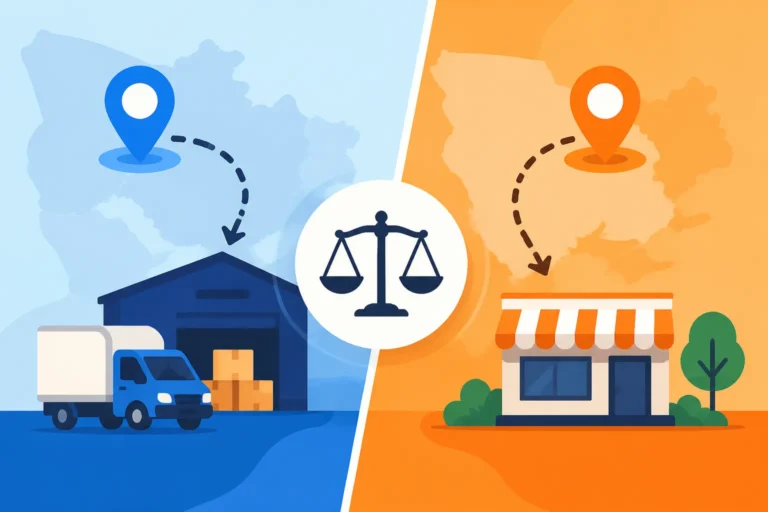
Colorado is a destination-based state, meaning the tax rate is determined by where the customer receives the product. If you are shipping an item from a warehouse in Colorado Springs to a home in Fort Collins, you must apply the rates and rules for Fort Collins. Because Why Is Sales Tax Different in Every City? is a question we hear constantly, it is important to remember that in Colorado, the "delivery point" is the ultimate decider of which home-rule city gets a piece of the transaction.
Navigating the SUTS Portal for Home-Rule Filing
For years, the only way to file for home-rule cities was to log into dozens of different websites every month or quarter. It was a nightmare that led to frequent errors and late fees. Thankfully, the state introduced the Sales & Use Tax System (SUTS), a centralized portal designed to act as a one-stop shop for local tax filing.
How SUTS Simplifies Compliance
The SUTS portal allows businesses to file one return that covers multiple home-rule jurisdictions. Instead of managing twenty different logins, you can see your obligations in a single dashboard. This system has been a lifesaver for small businesses that were previously drowning in spreadsheets. However, it is important to note that not every single home-rule city has joined SUTS, though the majority of major players have.
When you use SUTS, you are essentially sending your data to a central clearinghouse that then routes the money to the individual cities. It doesn't change the fact that you need to know the specific Combined State + Local Sales Tax Rates Explained for each destination, but it does make the act of paying much easier. Companies like Avalara often integrate with these types of systems to ensure that the data being fed into SUTS is accurate from the start.
Participating vs. Non-Participating Cities
Even with the progress made by SUTS, a few cities still choose to remain outside the system or offer limited participation. This means you still have to keep a list of "rebel" cities that require a direct login to their specific municipal website. Usually, these are smaller jurisdictions or cities with very complex tax codes that don't easily map to the state’s standardized forms.
Before you start selling, you should verify if your target markets are on the SUTS participant list. If they aren't, you'll need to set aside extra time for manual filing. This is where a Sales Tax Calculator: How to Calculate Sales Tax becomes an essential part of your daily workflow, ensuring you aren't guessing at the local rates.
The Registration Process for SUTS
To use the portal, you first need a standard Colorado state sales tax license. Once that is active, you can create a SUTS account. You will then need to "add" the specific home-rule cities where you have a tax obligation. Be prepared to provide your local account numbers for each city; if you haven't registered with the individual cities yet, you may need to do that first before SUTS will let you file on their behalf.
Economic Nexus in the World of Home-Rule
One of the biggest points of confusion for online sellers is how the "Wayfair" decision applies to Colorado’s local cities. If you don't have a physical store in Colorado but you sell to residents there, you may still have a legal obligation to collect tax. This is known as economic nexus, and in Colorado, it has a few specific layers you need to be aware of.
The $100,000 Threshold
Colorado follows the standard economic nexus threshold used by many states: $100,000 in gross sales. If your sales into the state exceed this amount in a calendar year, you must register for a state license. You can find a deeper dive on this in our article on the Economic Nexus Threshold in Colorado. But here is the catch—once you have state nexus, do you automatically have nexus in every home-rule city?
The answer has historically been complicated, but many home-rule cities have adopted the state's $100,000 threshold to simplify things for out-of-state sellers. This means that if you hit the state limit, these cities expect you to collect their local tax as well. However, because they are self-governed, a few cities may still have their own unique interpretations of what constitutes "doing business" in their borders.
Physical Nexus and Home-Rule Requirements
If you have any physical presence in Colorado—like a small office, a remote employee, or even just inventory in a third-party warehouse—you have physical nexus. This is often an "accidental" trigger for many sellers. For example, Amazon FBA Inventory Nexus: The Hidden Trap explains how having your products stored in a warehouse you don't even own can force you into the world of Colorado tax compliance.
In a home-rule city like Denver Sales Tax Rate (Home-Rule), physical nexus is taken very seriously. If you have a technician performing a service or a salesperson visiting a client within city limits, the city considers you a local business for tax purposes. This requires a local business license and regular sales tax filings, regardless of your total sales volume.
Municipal Licensing Fees
Unlike the state, which has a relatively low-cost biennial license, many home-rule cities charge an annual fee for a "Seller's Permit" or "Business License." These fees can range from $20 to $100 or more per city. If you are selling in 15 different home-rule cities, these fees can add up quickly before you’ve even made a profit. Always factor these fixed costs into your expansion plans when targeting Colorado customers.
Comparing Major Home-Rule Jurisdictions
To give you an idea of how much these rates can vary, let's look at a few of the most common home-rule cities. The total tax your customer pays is the sum of the state rate, the county rate, any special district rates (like the Regional Transportation District), and the city's home-rule rate.
| City Name | Local City Rate | Typical Combined Rate | Filing Method |
|---|---|---|---|
| Denver | 4.81% | 8.81% | SUTS / Direct |
| Boulder | 3.86% | 9.045% | SUTS / Direct |
| Aurora | 3.75% | 8.50% | SUTS / Direct |
| Fort Collins | 3.85% | 7.55% | SUTS / Direct |
| Colorado Springs | 3.07% | 8.20% | SUTS / Direct |
| Aspen | 2.10% | 9.30% | Direct |
As you can see, the local city rate is often higher than the state’s 2.9% base rate. This is why accurately identifying the jurisdiction is so critical. If you use a ZIP code to find a rate, you might accidentally charge the wrong amount because ZIP codes frequently cross city lines. Tools like Avalara provide "rooftop-level" accuracy to prevent these costly mistakes.
Nuances in Taxability Across Cities
Perhaps the most frustrating aspect of home-rule cities is that they don't always agree on what should be taxed. In most states, if the state says groceries are exempt, they are exempt everywhere. Not in Colorado.
Groceries and Prepared Food
While the state of Colorado generally exempts "food for home consumption" (groceries) from its 2.9% tax, a home-rule city might decide to tax it anyway. For instance, you might pay zero state tax on a gallon of milk but still owe 4% to the city where you bought it. This creates a confusing experience at the cash register for both the clerk and the customer.
This also applies to prepared food at restaurants. Some cities have an additional "Occupational Privilege Tax" or specific "Hospitality Taxes" that only apply to meals and lodging. If you are a caterer or a food delivery service, you must meticulously track which Sales Tax Nexus Explained (Physical vs Economic) triggers apply to your specific food service model.
Software and Digital Products
The taxability of software-as-a-service (SaaS) is a hot-button issue in Colorado. Some home-rule cities consider SaaS to be a taxable "tangible" good because it can be seen and used, while others view it as a non-taxable service. If you are selling a subscription-based product, you must check the specific municipal code for every home-rule city where you have customers.
Because these rules change frequently, checking a resource like Is SaaS Taxable in My State? is a good starting point, but you must drill down into the local level for Colorado. If a city like Denver decides that your software is taxable, you are responsible for collecting that 4.81% even if the state of Colorado doesn't tax it.
Shipping and Freight Charges
Is shipping taxable in Colorado? At the state level, the rules changed recently to simplify things, but home-rule cities still have the final say. Some cities rule that if the shipping charge is "separately stated" on the invoice, it isn't taxable. Others argue that shipping is a necessary part of the sale and should be taxed regardless of how it appears on the receipt. Managing these discrepancies manually is a recipe for an audit, which is why automated tax engines are so prevalent in the Colorado business community.
Steps to Get Your Business Compliant
If you've realized that you have nexus in Colorado and need to start collecting, don't panic. Taking it one step at a time will help you avoid the common pitfalls that trip up new sellers.
- Register with the State: Before doing anything else, apply for your Colorado Sales Tax License through the MyBizColorado portal. This gives you your main tax ID number. You can follow our How to Get a Sales Tax Permit in Colorado guide for a walkthrough.
- Identify Your High-Volume Cities: Look at your sales data. Which home-rule cities are you shipping to most often? Focus your registration efforts there first.
- Apply for Local Licenses: For the home-rule cities you identified, check if they require a separate local business license. Some allow you to register through SUTS, while others require a paper application or a separate portal.
- Set Up Your Tax Engine: Whether you are using Shopify, WooCommerce, or a custom ERP, ensure your tax settings are configured for "Destination Sourcing." If you have a high volume of transactions, consider a service like Avalara to handle the rooftop-level calculations automatically.
- Calendar Your Due Dates: Colorado filings are typically due on the 20th of the month following the reporting period. Keep a strict calendar of Colorado Sales Tax Filing & Due Dates to avoid penalties.
Common Mistakes to Avoid
Even seasoned tax professionals find Colorado's home-rule system challenging. One of the most common errors is "ZIP code guessing." Because a single ZIP code in the Denver metro area can contain parts of three different cities and two different counties, relying on a 5-digit ZIP code will lead to an error rate of nearly 20%. Always use the full 9-digit ZIP or a geocoding service.
Another mistake is failing to file "zero returns." If you have a license for a city but made no sales there during a specific month, you must still file a return showing $0.00 in tax due. If you forget, the city will eventually send you a "failure to file" notice along with a penalty fee, even though you didn't actually owe them any money.
Lastly, don't assume that because Amazon or Etsy collects tax for you, you are completely off the hook. While marketplace facilitator laws have helped, some home-rule cities still require you to file a local return to report your gross sales, even if the tax was collected and remitted by the platform. Always verify the specific reporting requirements for each jurisdiction to keep your business in good standing.
Disclaimer
This guide is for informational purposes only and does not constitute legal or tax advice. Sales tax laws, especially in home-rule jurisdictions, are subject to frequent change. Always consult with a qualified tax professional or the specific municipal tax authority to ensure your business remains compliant with current regulations.