Economic Nexus by State 2026: Thresholds Guide
Navigating the labyrinth of sales tax for your business can feel like trying to hit a moving target, especially when you sell across state lines. The days of only needing to worry about a physical presence are long gone, leaving many business owners scrambling to understand their obligations. This comprehensive guide will demystify economic nexus, explain how it affects your business, and help you pinpoint your sales tax responsibilities in every state.
The Shifting Sands of Sales Tax Nexus: A Post-Wayfair World
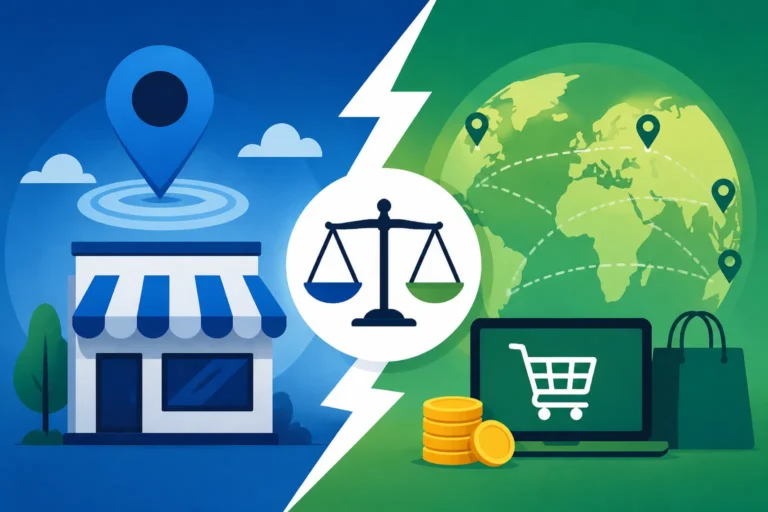
For decades, sales tax nexus was a relatively straightforward concept: if you had a physical presence in a state – a store, an office, employees, or even inventory in a warehouse – you likely had sales tax nexus there. This "physical nexus" was the bedrock of sales tax collection, making it easy for businesses to understand where they needed to register and collect taxes. However, the rise of e-commerce fundamentally changed the landscape, and the old rules simply couldn't keep up with how people shop and businesses operate today.
Understanding Physical Nexus: The Old Standard
Before 2018, the Supreme Court's ruling in Quill Corp. v. North Dakota meant that a state could generally only require a business to collect sales tax if that business had a physical presence within its borders. This made things relatively simple for brick-and-mortar stores or businesses operating solely within their home state. If your business, say, "Cornerstone Crafts" had a physical shop in Portland, Oregon (a state with no sales tax, but bear with me for the example's sake), and only shipped to customers in Oregon, you wouldn't need to worry about sales tax collection for other states.
However, if Cornerstone Crafts expanded and opened a small pop-up shop in downtown Seattle for a month, or hired a remote employee living in Spokane, Washington, that would create physical nexus in Washington. The concept was clear: a tangible, physical connection. This made compliance manageable for many businesses, but it also meant that remote sellers, often large online retailers, could sell into states without collecting sales tax, creating a significant revenue gap for states and an uneven playing field for local businesses.
The Landmark South Dakota v. Wayfair Decision
Everything changed on June 21, 2018, with the Supreme Court's decision in South Dakota v. Wayfair. This landmark ruling overturned Quill Corp. v. North Dakota, stating that a physical presence was no longer the sole requirement for a state to impose sales tax collection obligations on out-of-state retailers. The court recognized that in our modern economy, significant economic activity could occur without a physical footprint, especially through online sales.
This decision was a game-changer, giving states the green light to enact "economic nexus" laws. Suddenly, simply selling above a certain threshold of sales or transactions into a state could trigger a requirement to collect and remit sales tax, even if your business had no physical ties whatsoever. For businesses, this meant a dramatic increase in potential sales tax obligations, requiring a complete re-evaluation of their compliance strategy. The impact of the Wayfair decision cannot be overstated; it truly ushered in a new era for sales tax for businesses of all sizes.
What Exactly Is Economic Nexus? Defining the Modern Trigger
Economic nexus is the modern standard for determining where a business has a sales tax collection obligation. It’s a direct response to the South Dakota v. Wayfair ruling, allowing states to require out-of-state sellers to collect sales tax if their economic activity within that state exceeds a certain threshold. It’s fundamentally different from the old physical nexus rules because it focuses purely on your sales volume or transaction count, regardless of whether you have a single employee or a warehouse in that state.
The Core Concept: Sales Activity, Not Physical Presence
At its heart, economic nexus asserts that if your business generates a significant amount of sales in a state, you are deriving economic benefit from that state's market and thus owe it to collect taxes on behalf of that state. This means that a small business in Ohio selling custom-made jewelry primarily online could find itself needing to register for sales tax in, say, North Carolina, simply because enough North Carolina residents purchased their jewelry. You don't need a storefront in Charlotte or an employee in Raleigh; the sales volume itself is the trigger.
The challenge for businesses, especially those with national reach, is that they now need to continuously monitor their sales activity in all 45 states (and Washington D.C.) that have a statewide sales tax. Keeping track of sales by state, understanding individual state thresholds, and knowing what types of sales count toward those thresholds can feel like a full-time job. This intricate dance is why tools and clear guidance are more critical than ever before.
The Two Key Thresholds: Sales Revenue and Transaction Count
Most states have adopted economic nexus laws that use one or both of two primary thresholds: a sales revenue threshold and/or a transaction count threshold. While the specific numbers can vary, the most common thresholds are:
- $100,000 in gross sales: If your sales into a state exceed $100,000 within a specific period (usually the current or preceding calendar year), you likely have economic nexus.
- 200 separate transactions: If you conduct 200 or more separate sales transactions into a state within a specific period, you may also have economic nexus.
It’s crucial to understand how states apply these rules. Some states, like California, only use the sales revenue threshold. Other states apply an "either/or" rule, meaning if you hit either the sales dollar amount or the transaction count, you establish nexus. Still others, like New York, require both thresholds to be met. The definition of "sales" can also vary; some states look at gross sales (all sales, taxable or not), while others focus on taxable sales. This distinction can significantly impact whether you've crossed a threshold, especially if you sell many exempt items like groceries or clothing. Understanding How to Know If You Have Sales Tax Nexus means diving deep into each state's specific language.
Decoding State-Specific Economic Nexus Thresholds in 2026
As we move forward, the landscape of economic nexus continues to evolve, with states occasionally fine-tuning their laws. While the "$100,000 in sales or 200 transactions" rule remains the most common, there are significant variations that every business needs to be aware of. Staying up-to-date on these differences is key to compliance and avoiding potential penalties.
The "$100,000 in Sales" Club and its Nuances
Many states primarily rely on the $100,000 in sales threshold, either as the sole trigger or as an alternative to the transaction count. For example, states like Florida, Illinois, and Pennsylvania generally use the $100,000 threshold without a transaction count component. This simplifies things slightly, as you only need to track your total sales volume into the state. However, the critical nuance here often lies in what constitutes "sales."
Most states refer to "gross sales" when calculating this threshold. This means all your sales into the state count, regardless of whether the specific product or service you sold was taxable. So, even if you sell primarily non-taxable items like certain types of food or clothing, those sales still contribute to hitting the economic nexus threshold. For instance, if your business sells $120,000 worth of exempt clothing into California, you would still establish economic nexus there because California's threshold is $500,000 in gross sales, not necessarily taxable sales. This is a common trap for sellers who might assume only taxable sales count toward the threshold.
States Still Using the "200 Transaction" Rule and States That Dropped It
The 200-transaction threshold has been a point of contention for many small businesses. Imagine selling 200 items that cost $5 each; you've only made $1,000 in sales, but you've triggered nexus. This disproportionately impacted sellers of low-cost goods. Recognizing this, some states have either removed the transaction count threshold entirely or are in the process of doing so. For instance, Kentucky officially dropped its 200-transaction threshold as of August 1, 2026, simplifying compliance for many businesses selling into the Bluegrass State. This aligns with a growing trend among states to move away from the transaction count, focusing instead on the more substantial revenue threshold.
Despite this trend, several states still include the 200-transaction count as part of their economic nexus legislation. It's crucial not to assume it's gone everywhere. Always check the current rules for each state you sell into. For businesses selling a high volume of low-value items, the 200-transaction rule can still be the primary trigger for establishing nexus, even if their total sales revenue remains below the dollar threshold. For a more detailed look, you can often find information on Which States Dropped the 200-Transaction Threshold?.
The Few Exceptions and Unique State Rules
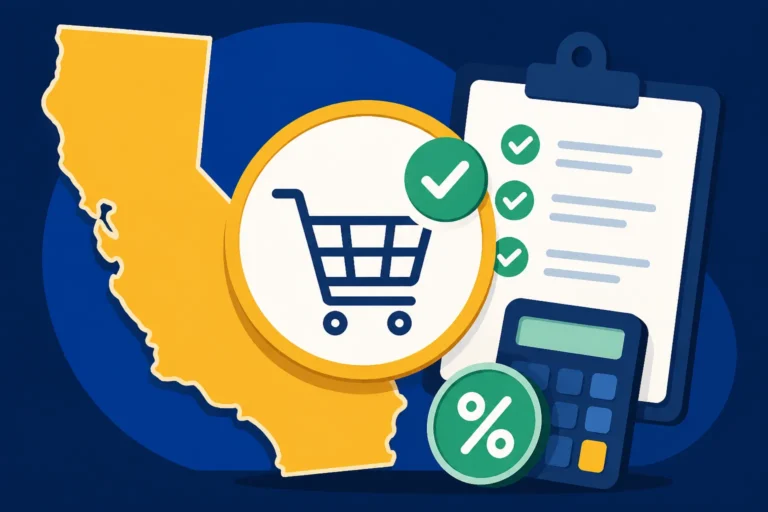
While many states fall into the general $100,000 or 200-transaction mold, a few outliers demand extra attention. New York, for instance, has one of the higher thresholds, requiring both $500,000 in sales and 100 transactions into the state in the preceding four sales tax quarters. This significantly narrows the scope for smaller sellers, meaning fewer businesses are likely to hit both criteria. Texas also sets its economic nexus threshold at $500,000 in gross revenue, making it another state where a higher sales volume is required. Similarly, California's threshold is also $500,000 in sales.
Then there are the unique cases: states with no statewide sales tax, such as Oregon, Delaware, Montana, New Hampshire, and Alaska (though Alaska allows local sales taxes in some jurisdictions). In these states, while you won't collect statewide sales tax, local taxes or specific regulations might still apply in certain areas. It's also worth noting that what counts towards the threshold can be nuanced. For instance, for Economic Nexus Threshold in California or Economic Nexus Threshold in Texas, it's important to differentiate between gross receipts from sales and taxable sales. Many states base the threshold on gross receipts, meaning all sales count, even if the specific items sold were exempt. This table provides a quick overview of some key states and their economic nexus thresholds for 2026:
| State | Sales Threshold (Gross) | Transaction Threshold | Notes |
|---|---|---|---|
| California | $500,000 | None | Threshold applies to gross receipts from sales. |
| Florida | $100,000 | None | |
| Illinois | $100,000 | 200 | Either/or. |
| Kentucky | $100,000 | None | Transaction threshold dropped as of Aug 1, 2026. |
| Louisiana | $100,000 | 200 | Either/or. Complex local sales tax system. |
| New York | $500,000 | 100 | Both thresholds must be met (in preceding 4 quarters). |
| Texas | $500,000 | None | Threshold applies to gross revenue from sales. |
| Washington | $100,000 | 200 | Either/or. |
Note: This table provides general guidance. Specific rules and definitions can vary. Always consult the respective state tax authority for the most accurate and up-to-date information.
The Practical Impact of Economic Nexus on Online Sellers
The internet has blurred state lines, and for online sellers, economic nexus has transformed sales tax from a regional concern into a national one. What once might have been a minor accounting task has now become a critical compliance challenge, often requiring sophisticated solutions. Every online business, from small Etsy shops to large e-commerce platforms, needs a clear strategy to manage their sales tax obligations.
E-commerce Businesses: A New Era of Compliance
For anyone selling products or services online, economic nexus means you can no longer simply assume you only collect sales tax in your home state. If you run a successful Shopify store selling unique handcrafted goods, or operate an online service platform, your sales into dozens of states could quickly trigger nexus in each of them. This means you might need to register for a Sales Tax Permit in Multiple States, which can involve navigating different state tax agencies, application forms, and processing times.
The sheer volume of potential nexus-triggering states can be overwhelming. You're responsible for not only tracking sales against thresholds but also collecting the correct state, county, city, and district taxes for each sale once nexus is established. This isn't just about collecting the right amount; it's also about filing separate returns on different schedules (monthly, quarterly, annually) for each state where you have nexus. Missing these obligations can lead to significant penalties, interest, and audits, which can be particularly damaging for small to medium-sized businesses.
Marketplace Facilitator Laws and Their Role
One significant development that has provided some relief for many online sellers is the advent of marketplace facilitator laws. Following the Wayfair decision, most states enacted laws requiring "marketplace facilitators" – platforms like Amazon, eBay, Etsy, and Walmart – to collect and remit sales tax on behalf of their third-party sellers. This means if you sell exclusively through a marketplace facilitator, you might not have to worry about collecting sales tax yourself for those specific sales, as the marketplace is handling it. This has been a huge burden off the shoulders of many small Sales Tax for Online Sellers: Complete Guide merchants.
However, it's vital to understand that marketplace facilitator laws don't completely absolve sellers of all responsibility. If you also sell through your own website or other channels, you are still responsible for tracking your sales and collecting sales tax for those transactions once you hit an economic nexus threshold. Furthermore, even if a marketplace collects for you, those sales often still count toward your economic nexus threshold in some states. So, while you might not collect the tax yourself, the sales volume can still trigger a registration requirement. It’s important to understand Marketplace Facilitator Laws by State to know your exact obligations.
Navigating Nexus: Identifying Your Obligations and Next Steps
Once you understand what economic nexus is, the next crucial step is actively managing it. This involves diligent tracking, careful analysis, and strategic action. Ignoring potential nexus obligations is not a viable strategy; states are increasingly sophisticated in identifying non-compliant businesses. Taking proactive steps can save you a lot of headaches and penalties down the road.
How to Determine If You've Crossed a Threshold
The process of determining if you’ve crossed an economic nexus threshold requires a systematic approach. Here's a step-by-step guide:
- Track Sales by State: This is the absolute foundation. You need robust accounting or e-commerce software that can segment your sales data by the customer's shipping address. Most platforms like Shopify, Square, or QuickBooks Commerce have features that can help with this, or you might need a dedicated sales tax solution.
- Analyze Sales Revenue: For each state, tally your gross sales revenue for the current calendar year and the preceding calendar year. Remember, "gross sales" usually includes all sales, whether taxable or exempt. Compare these totals against each state's dollar threshold (e.g., $100,000 or $500,000).
- Count Separate Transactions: For states that include a transaction count threshold, tally the number of individual sales transactions you've made into that state during the same periods. Again, compare this against the state's transaction threshold (e.g., 200 transactions).
- Review State-Specific Rules: Critically, revisit the specific wording of each state's economic nexus law. Some states have a look-back period (e.g., preceding 12 months, or the prior calendar year), while others consider the current year. Some define "sales" as gross sales, others as taxable sales. This nuance is crucial. For instance, Economic Nexus in New York requires both a sales and transaction threshold, which is different from an "either/or" state.
It's not a one-time check. Economic nexus is an ongoing obligation, so you should perform these checks regularly, ideally monthly or quarterly, to catch new nexus triggers as they happen.
What to Do Once You Establish Economic Nexus
Congratulations (or perhaps, commiserations)! You've confirmed you have economic nexus in a new state. What now? This is where the real work begins, but don't panic. There's a clear path forward:
- Register for a Sales Tax Permit: The first and most critical step is to register for a sales tax permit (sometimes called a seller's permit, certificate of authority, or vendor's license) with the appropriate state tax authority. You cannot legally collect sales tax in a state without being registered first. Each state has its own online portal for registration. Make sure you understand the requirements for How to Get a Sales Tax Permit by State.
- Configure Your Sales Tax Collection System: Once registered, you need to update your e-commerce platform or POS system to correctly calculate and collect sales tax for sales made into that state. This means ensuring your system can handle varying state, county, city, and special district rates, as sales tax rates by ZIP code can be incredibly complex. For example, understanding Sales Tax Rates by State 2026: All 50 States is just the beginning; local rates often add significant complexity.
- Begin Collecting Sales Tax: From the effective date of your registration, you must start collecting sales tax from customers in that state.
- File Returns and Remit Taxes: Regularly file sales tax returns (monthly, quarterly, or annually, as assigned by the state) and remit the collected taxes to the state. Even if you collect zero sales tax in a period, you may still need to file a "zero return."
For many businesses, especially those with nexus in multiple states, managing this manually becomes nearly impossible. This is where sales tax automation software becomes invaluable. Solutions like Avalara can integrate with your e-commerce platform to automatically calculate, collect, and even file sales tax returns across all your nexus states. They keep track of changing rates and rules, saving countless hours and reducing the risk of errors. This kind of robust compliance software is increasingly becoming a necessity, not a luxury, for any business with multi-state sales tax obligations. You can explore options for the Best Sales Tax Compliance Software 2027 to find a solution that fits your business needs.
Common Pitfalls and Advanced Considerations for Economic Nexus
Even with a solid understanding of economic nexus, there are subtleties and common missteps that can trip up even diligent businesses. Beyond the basic thresholds, factors like "trailing nexus" and the unique challenges faced by specific business models add layers of complexity that require careful consideration.
The Trailing Nexus Phenomenon
One often-overlooked aspect of economic nexus is the concept of "trailing nexus." This refers to the idea that once you establish nexus in a state by meeting its economic thresholds, that obligation doesn't necessarily disappear immediately if your sales drop below the threshold in a subsequent period. Many states mandate that once nexus is created, it continues for a certain period, often the remainder of the current year and the entire following calendar year, regardless of your sales activity.
For example, if your business meets the economic nexus threshold in Washington in June 2026, you would likely be required to continue collecting and remitting sales tax in Washington for the rest of 2026 and all of 2027, even if your sales volume there dips significantly after June. Each state has its own rules regarding how long trailing nexus lasts or when a seller can stop collecting. Failing to understand these "stickiness" rules can lead to non-compliance if you prematurely cease collection and filing simply because your current sales are low. This emphasizes the need for continuous monitoring and detailed knowledge of each state's specific regulations.
Economic Nexus for Specific Business Models
While the general principles of economic nexus apply broadly, certain business models face unique challenges that warrant specific attention:
- Drop Shippers: When you're drop shipping, you're often facilitating a sale without ever physically touching the product. This can complicate nexus calculations, especially regarding resale certificates and who is responsible for collecting the tax. The interaction between the drop shipper, the retailer, and the end customer, alongside each entity's nexus, can be a headache. Generally, the retailer (your business) is responsible for collecting sales tax from the end customer if you have nexus in the customer's state. However, the drop shipper might need a resale certificate from you.
- SaaS and Digital Product Sellers: The taxability of Software-as-a-Service (SaaS), digital downloads, and other intangible products varies wildly by state. Some states consider these services taxable, others do not, and some have very specific rules. This means that even if you hit an economic nexus threshold by selling SaaS, you then need to determine if that particular service is even taxable in that specific state before you start collecting. A state that taxes tangible goods might not tax digital products, or it might tax them under different rules. For example, some states may only tax certain types of Digital Products Sales Tax by State while others tax all of them.
- Service Providers: Many traditional services are exempt from sales tax in most states. However, an increasing number of states are expanding their sales tax base to include specific services, particularly digital or information services. If your business provides services, you must first determine if your particular service is taxable in a given state. Only then do you evaluate if you've met the economic nexus threshold for those taxable services. This two-step process adds another layer of complexity compared to selling tangible products.
The ever-changing sales tax landscape, particularly with economic nexus, is why proactive compliance is so critical. Tools and expert guidance can help simplify these complexities, allowing businesses to focus on growth without being derailed by sales tax worries. Understanding Sales Tax Nexus Explained (Physical vs Economic) and the aftermath of South Dakota v. Wayfair: What It Means for Sellers are foundational for any modern business.
Disclaimer
The information provided in this guide is for general informational purposes only and does not constitute professional tax, legal, or accounting advice. Sales tax laws are complex and constantly changing, and their application can vary widely based on your specific business activities and location. It is strongly recommended to consult with a qualified tax professional or sales tax expert to ensure compliance with all applicable state and local sales tax laws.