Which States Have No Sales Tax Holiday?
It's incredibly frustrating when you hear about friends in other states scoring fantastic deals during a sales tax holiday, only to realize your own state never seems to participate. That feeling of missing out on savings, especially when you're trying to budget for back-to-school supplies or essential emergency preparedness items, can really sting. This guide is here to clear up that confusion, listing out exactly which states don't offer sales tax holidays and why, so you can plan your purchases accordingly.
Understanding Sales Tax Holidays and Non-Participation
Sales tax holidays are pretty popular events in many parts of the country. They offer a temporary reprieve from sales tax on certain items, usually with a specific focus like school supplies, clothing, or even severe weather preparedness items. It’s a moment of collective relief for consumers and, ideally, a boost for local businesses. But not every state gets on board, and there are some very real reasons behind that decision.
What Exactly is a Sales Tax Holiday?
Think of a sales tax holiday as a special, limited-time event, typically lasting a weekend, where states temporarily waive sales tax on specific categories of goods. The most common type is the "back-to-school" holiday, which usually happens in late July or early August. During this time, you might find items like clothing, footwear, school supplies, and sometimes even computers or other electronics, exempt from the state sales tax, often up to a certain price limit per item. For instance, you might be able to buy a new backpack and notebooks without paying tax, as long as each item is under, say, $100.
These holidays are primarily designed with two goals in mind: first, to provide some financial relief to families, particularly those with children heading back to school or those needing to stock up on emergency supplies. It's a way to put a little bit of money back into people's pockets when they're already facing significant expenses. Secondly, they're intended to stimulate the economy by encouraging consumers to spend money at local businesses during a specific window. The idea is that the extra sales volume makes up for the lost tax revenue. However, the effectiveness of this economic stimulus is often debated. You can find a comprehensive list of dates and qualifying items in our guide on Sales Tax Holidays by State 2026: Full Calendar to see which states do participate.
Reasons States Don't Participate
So, why would a state choose to forgo these seemingly beneficial events? It boils down to a mix of financial, administrative, and philosophical considerations.
The most significant hurdle is often the loss of revenue. Sales tax is a major funding source for state and local governments, supporting everything from schools and roads to public safety. Even a temporary exemption, especially if it covers popular items and a wide range of purchases, can lead to a noticeable dip in state coffers. Legislators and budget analysts in states without holidays often argue that the state simply cannot afford to lose that income, particularly if they project that the holiday wouldn't generate enough new economic activity to offset the tax revenue given up. For example, some studies suggest that consumers might just shift planned purchases to the tax holiday weekend rather than making new purchases, thus not generating additional economic activity, but simply costing the state revenue.
Then there's the administrative burden. For businesses, especially smaller ones, implementing a sales tax holiday can be a bit of a headache. They need to reprogram their point-of-sale systems to correctly identify eligible items and apply the exemptions, sometimes only for items under a specific price threshold. This can lead to confusion for both staff and customers, and potential errors if not handled perfectly. Imagine a busy weekend where cashiers are trying to figure out if a pair of jeans at $105 qualifies when the limit is $100. It adds complexity. While sales tax compliance software like Avalara can help automate some of these processes for larger businesses, it's still a moving target for many.
Finally, some states simply have a different philosophy on taxation or economic stimulus. They might believe that permanent, broad tax relief or other forms of economic incentives are more effective and equitable than temporary, narrow sales tax holidays. For instance, a state might argue that lowering the overall state sales tax rate or providing targeted tax credits could have a more lasting positive impact than a fleeting tax-free weekend. In these states, the prevailing sentiment might be to maintain a consistent tax structure rather than introduce periodic fluctuations.
The States Without Sales Tax Holidays (The Full List)
It's a common misconception that every state either has a sales tax holiday or no sales tax at all. The reality is a bit more nuanced. There are states that simply don't have a statewide sales tax, and then there are states that do levy sales tax but have never adopted a sales tax holiday.
States with No General Sales Tax
Let's start with the states that don't have a statewide sales tax, because, well, if there's no sales tax, there's no sales tax holiday! These states inherently offer tax savings all year round on most purchases, which is a pretty sweet deal.
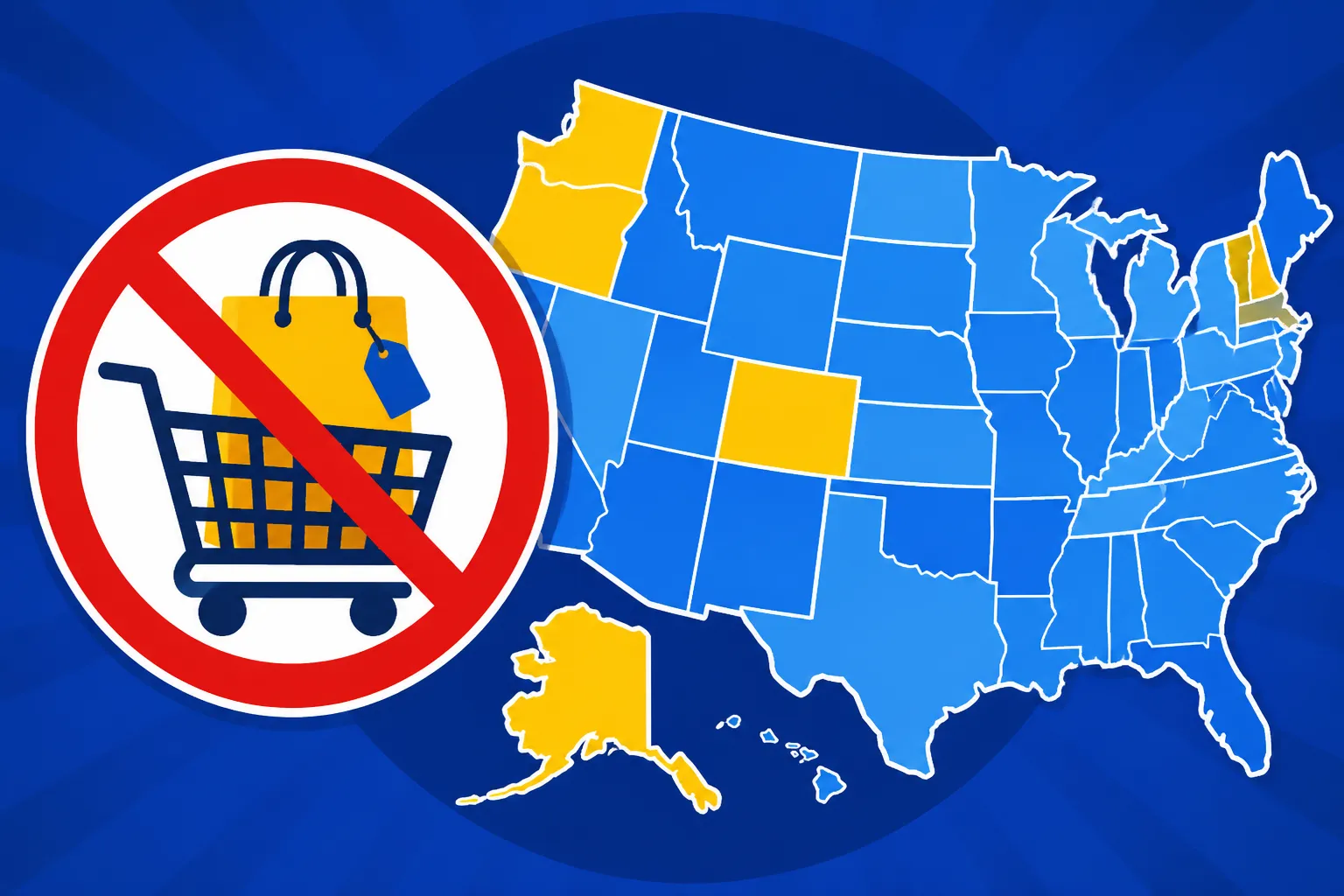
There are five states that do not impose a statewide sales tax:
- Delaware: Known for its business-friendly tax laws, Delaware has no state or local sales tax. Shoppers here enjoy tax-free purchases on everything from clothes to cars, making it a destination for those looking to avoid sales tax.
- Montana: While Montana doesn't have a statewide sales tax, you might encounter a resort tax in some specific tourist-heavy areas. But for the vast majority of purchases across the state, you won't pay any sales tax.
- New Hampshire: Famous for its "Live Free or Die" motto, New Hampshire prides itself on having no statewide sales tax (or income tax!). This makes it a popular shopping spot for residents and visitors from neighboring states.
- Oregon: Similar to New Hampshire, Oregon has no statewide sales tax. This means shoppers can enjoy their purchases without the added percentage at the register.
- Alaska: This one has a crucial caveat. Alaska doesn't have a state sales tax, but it does allow local jurisdictions (cities and boroughs) to levy their own sales taxes. This means that while you won't pay a state sales tax anywhere in Alaska, you might still pay a local sales tax depending on where you're shopping. For example, the city of Juneau has its own sales tax, as do many other local communities. So, while it's often grouped with the "no sales tax" states, it's important to be aware of potential local taxes. You might want to check out our deep dive on Does Alaska Have Sales Tax? for more local specifics.
For residents and businesses in these states, the "every day is a sales tax holiday" principle generally applies. This can be a huge advantage for consumers making large purchases, but businesses still need to be aware of any applicable local taxes, especially in Alaska.
States with Sales Tax But No Holidays
Now, for the main event: the states that do have a statewide sales tax but simply don't offer sales tax holidays. These are the places where consumers often feel that pang of missing out when back-to-school season rolls around. As of recent updates, the list of states that impose a general sales tax but do not offer any form of annual sales tax holiday typically includes:
- Arizona: With a state transaction privilege tax (TPT) that acts much like a sales tax, Arizona doesn't participate in tax holidays.
- California: One of the largest economies in the U.S., California has a significant state sales tax rate, plus numerous district taxes, but no sales tax holidays. Residents here are always paying sales tax on their purchases, except for specific exemptions like groceries. If you're looking for specifics on how district taxes work, our article on California District Taxes Explained can shed some light.
- Colorado: This state has a relatively low state sales tax rate, but also has a complex system of home-rule cities that can impose their own sales taxes. Despite this, Colorado does not offer sales tax holidays. Understanding Colorado Home-Rule Cities Sales Tax can be quite a task!
- Georgia: Georgia levies a state sales tax and allows local jurisdictions to add their own, but doesn't have sales tax holidays.
- Hawaii: Hawaii imposes a General Excise Tax (GET) which is distinct from a traditional sales tax but operates similarly for businesses. No sales tax holidays exist here.
- Illinois: Known for its significant combined state and local sales tax rates, particularly in places like Chicago, Illinois does not offer sales tax holidays. This means that big purchases, even for school supplies, will always include the sales tax. Check out the Chicago Sales Tax Rate (Highest Big City) for an idea of just how high it can get.
- Indiana: Indiana has a straightforward statewide sales tax rate with no sales tax holidays.
- Kentucky: Despite some recent shifts in its tax landscape, Kentucky does not implement sales tax holidays.
- Louisiana: While Louisiana has some of the highest combined sales tax rates in the nation, it historically has offered state sales tax holidays, but the landscape can change. As of current information, Louisiana has paused or eliminated many of its previous sales tax holidays due to budget concerns, though it previously had a Second Amendment and general sales tax holiday. It's a complex state, as detailed in our Louisiana Parish Sales Tax Complexity article.
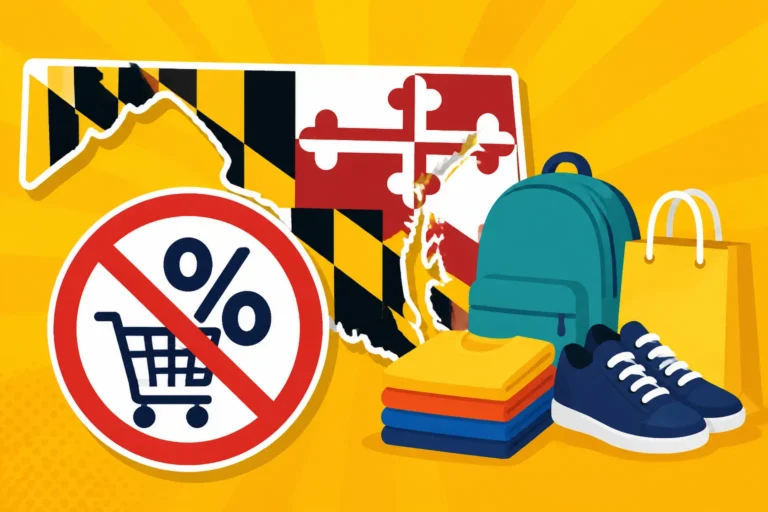
- Maryland: While Maryland has a sales tax, it has not regularly offered statewide sales tax holidays in recent years, though past years saw limited scope exemptions like Energy Star appliances.
- Michigan: Michigan maintains a consistent statewide sales tax rate without any sales tax holidays.
- Minnesota: With a state sales tax, Minnesota does not participate in annual sales tax holidays.
- Nebraska: Nebraska imposes a state sales tax without offering holidays.
- Nevada: Nevada has a state sales tax and no sales tax holidays.
- New Mexico: New Mexico collects a Gross Receipts Tax, which is similar to sales tax, but does not have sales tax holidays.
- New York: Despite its high population density and substantial state sales tax, New York does not have statewide sales tax holidays that cover general back-to-school items like many other states. While some specific clothing and footwear purchases under $110 are exempt from the state sales tax year-round, local taxes may still apply. For example, in NYC Sales Tax Rate (8.875%) Explained, you’ll find that city tax still applies to those items.
- North Carolina: North Carolina has a state sales tax and allows local additions, but does not offer sales tax holidays.
- North Dakota: North Dakota imposes a state sales tax with no sales tax holidays.
- Ohio: Ohio has a state sales tax and allows counties to add their own, but does not currently offer sales tax holidays.
- Pennsylvania: Notably, Pennsylvania exempts most clothing from sales tax year-round (with exceptions for certain accessories or formal wear), so they don't have a need for a clothing-specific tax holiday. They also don't have general sales tax holidays for other categories.
- Rhode Island: Rhode Island has a statewide sales tax rate and does not offer sales tax holidays.
- Utah: Utah imposes a state sales tax and local add-ons without annual sales tax holidays.
- Vermont: Vermont has a state sales tax and does not offer sales tax holidays.
- Washington: Washington State has one of the highest combined state and local sales tax rates in the country, with no sales tax holidays to provide relief. This is a crucial point for businesses operating there, as discussed in Washington Sales Tax Rate Explained.
- Wyoming: Wyoming has a state sales tax and does not implement sales tax holidays.
It's important to remember that tax laws can change. While this list is current, states occasionally introduce or discontinue sales tax holidays. Always double-check with your state's Department of Revenue for the most up-to-date information, particularly if you're planning a large purchase or trying to manage sales tax compliance for a business.
Navigating Purchases in Non-Holiday States
If you live in one of the many states that don't offer sales tax holidays, it might feel like you're always paying a little extra. But don't despair! There are still smart ways to manage your purchases and for businesses, strategies to maintain compliance without the temporary relief these holidays offer.
Planning Ahead for Big Purchases
Since you won't have a sales tax holiday to look forward to, being strategic with your shopping can still save you money.
- Look for Retailer Sales and Promotions: Many large retailers, especially around popular shopping seasons like back-to-school or Black Friday, will run their own promotions that can effectively offset the sales tax. Keep an eye out for "tax-free equivalent" sales where they offer a discount equal to the sales tax rate, or significant percentage-off deals. Signing up for email lists from your favorite stores can help you catch these.
- Utilize Coupons and Loyalty Programs: Combining manufacturer coupons with store discounts can often lead to substantial savings. Loyalty programs that offer cashback or points can also help reduce your overall out-of-pocket expense, even if you're still paying sales tax at the register.
- Consider Buying Used or Refurbished: For certain items, especially electronics or furniture, buying used or refurbished can be a great way to save money. Often, these items are sold by individuals (who typically aren't required to collect sales tax) or by businesses that offer significant discounts, making the sales tax a smaller portion of an already reduced price.
- Shop During End-of-Season Clearances: Retailers frequently clear out inventory at the end of a season to make room for new stock. You can often find fantastic deals on clothing, home goods, and more, which can help offset the sales tax.
While you won't get an automatic tax break, smart planning and diligent deal-hunting can still help you keep more money in your wallet.
Sales Tax Compliance for Businesses in Non-Holiday States
For businesses operating in states without sales tax holidays, the day-to-day sales tax compliance challenges remain constant. There isn't a temporary break to recalculate or adjust, meaning you always need to be on top of the correct rates and rules. This is where robust sales tax management becomes absolutely critical.
- Accurate Rate Determination: In states like California or Colorado, local sales tax rates can vary dramatically even between neighboring ZIP codes, or sometimes even by street address. Relying solely on a ZIP code for sales tax calculation can lead to errors, as discussed in our article Sales Tax by ZIP Code (and Why ZIP Isn't Enough). Businesses must ensure they are applying the correct combined state and local rates based on the customer's exact location, which can also be affected by Origin vs Destination Sales Tax Sourcing rules.
- Staying Current with Rate Changes: Sales tax rates, both state and local, aren't static. Jurisdictions frequently make adjustments, and businesses need to be aware of these changes and implement them accurately and promptly. Missing a rate change can lead to under-collection (and you owing the difference) or over-collection (and potentially customer dissatisfaction).
- Nexus Tracking: For online sellers, understanding where you have sales tax nexus is paramount. Even if your state doesn't have holidays, the concept of Economic Nexus by State 2026: Thresholds Guide means you might be required to collect sales tax in other states based on your sales volume or number of transactions. Managing this complex web of rules is essential for compliance.
- Leveraging Automation: Manual sales tax calculation and remittance can be a huge drain on resources and a source of errors, especially as a business grows. This is why many businesses, even those in non-holiday states, turn to automated sales tax software. Solutions like Avalara are designed to handle complex rate lookups, nexus tracking, and filing across multiple jurisdictions, ensuring accuracy and saving valuable time. This kind of automation is highlighted in our piece on Best Sales Tax Compliance Software 2027.
Even without sales tax holidays, the landscape of sales tax is constantly shifting, and businesses must remain vigilant to avoid penalties and maintain good standing with state tax authorities.
The Evolving Landscape of Sales Tax Exemptions
While sales tax holidays grab headlines for their temporary tax relief, it's crucial to remember that ongoing sales tax exemptions exist in every state, regardless of whether they offer special tax-free weekends. These permanent exemptions can provide consistent savings for both consumers and businesses, and understanding them is a key part of navigating the sales tax world.
Beyond Sales Tax Holidays: Other Exemptions
Sales tax holidays are just one small piece of the exemption pie. Many states have a variety of permanent exemptions that apply to specific types of goods, services, or purchasers. These are often in place year-round and can offer substantial savings.
- Groceries and Food: Most states provide full or partial exemptions for unprepared food items (groceries). This means you typically don't pay sales tax on your everyday milk, bread, and produce. However, the definition of "grocery" can be tricky. Prepared foods, like a hot rotisserie chicken or a sandwich from the deli, are often taxable. Our guide on Sales Tax on Groceries & Food by State delves into these nuances.
- Clothing: While not as common as grocery exemptions, some states permanently exempt certain types of clothing, or clothing below a specific price threshold, from sales tax. Pennsylvania, for example, is well-known for exempting most clothing items year-round, which is why they don't need a specific clothing sales tax holiday. You can explore how this varies across the country in our Is Clothing Taxable? Sales Tax on Apparel by State article.
- Prescription Drugs and Medical Devices: Almost universally, prescription medications are exempt from sales tax. Many states also exempt certain over-the-counter drugs or specific medical devices, recognizing them as essential health items.
- Resale Exemptions: For businesses, the resale exemption is fundamental. If you're buying items with the intent to resell them (without using them yourself), you typically don't pay sales tax at the time of purchase, provided you have a valid Resale Certificate by State: Complete Guide. This prevents sales tax from being applied multiple times in the supply chain.
- Manufacturing and Agricultural Exemptions: Many states offer exemptions for machinery, equipment, or materials used directly in manufacturing or agricultural production. The idea is to support these industries by reducing their operational costs, making them more competitive.
- Nonprofit and Government Exemptions: Qualified nonprofit organizations and government entities are often exempt from paying sales tax on their purchases, provided they present a valid exemption certificate. This acknowledges their public service roles and prevents tax from burdening their budgets.
Understanding these broader exemptions is vital, as they represent ongoing opportunities for savings and proper tax compliance, far beyond the occasional tax holiday.
Staying Informed About Tax Changes
The world of sales tax is anything but static. Laws, rates, and exemptions are constantly being evaluated, changed, and updated by state and local governments. This dynamic environment means that what was true yesterday might not be true tomorrow, making it a persistent challenge for consumers and especially for businesses.
- State Legislative Sessions: Each year, state legislatures convene, and tax policy is almost always on the agenda. New exemptions might be introduced, existing ones altered, or sales tax holidays potentially added or removed. For instance, you might see discussions about eliminating the grocery tax in states that currently levy it, or changes to how digital products are taxed. Keep an eye on resources that track 2026 Sales Tax Rate Changes by State to stay ahead of the curve.
- Local Ordinances: Beyond state changes, local jurisdictions can also make their own adjustments. Cities and counties can impose new sales taxes, change existing rates, or introduce specific local exemptions. This is particularly relevant in states with many home-rule jurisdictions, where local autonomy means a patchwork of rates and rules.
- The Impact of E-commerce: The continued growth of online shopping means states are always adapting their sales tax laws to ensure fairness and capture revenue from remote sales. Rules around Sales Tax for Online Sellers: Complete Guide are complex and evolve regularly, especially concerning economic nexus thresholds.
- Reliable Information Sources: For individuals, checking your state's Department of Revenue website is always the best bet for current information. For businesses, relying on professional tax advisory services or sophisticated sales tax compliance software like Avalara is often indispensable. These tools are built to continuously monitor and update tax rates and rules across thousands of jurisdictions, greatly reducing the burden of manual tracking and ensuring accurate compliance. Without such tools, navigating the complexities, especially if you have nexus in multiple states, can become an overwhelming full-time job.
Staying informed isn't just about avoiding penalties; it's about making smart financial decisions whether you're a shopper trying to stretch your budget or a business striving for accurate and efficient operations.
Sales Tax Holiday Status by State
To give you a clear overview, here's a table summarizing the sales tax holiday status of all U.S. states.
| State | Statewide Sales Tax? | Sales Tax Holiday? (Typically) | Notes |
|---|---|---|---|
| Alabama | Yes | Yes | Often has back-to-school and severe weather holidays. |
| Alaska | No (state) | No | Local sales taxes may apply. |
| Arizona | Yes | No | |
| Arkansas | Yes | Yes | Typically a back-to-school holiday. |
| California | Yes | No | High state and district taxes; no general holidays. |
| Colorado | Yes | No | Complex home-rule city sales taxes. |
| Connecticut | Yes | Yes | Annual tax-free week for clothing/footwear under $100. |
| Delaware | No | No | Entirely sales tax-free. |
| Florida | Yes | Yes | Multiple holidays for back-to-school, emergency prep, energy-efficient products. |
| Georgia | Yes | No | |
| Hawaii | Yes (GET) | No | General Excise Tax (GET) structure. |
| Idaho | Yes | Yes | Has offered back-to-school holidays in the past. |
| Illinois | Yes | No | |
| Indiana | Yes | No | |
| Iowa | Yes | Yes | Annual back-to-school holiday for clothing/footwear under $100. |
| Kansas | Yes | No | |
| Kentucky | Yes | No | |
| Louisiana | Yes | No (currently) | Previously had holidays, but often paused/eliminated. |
| Maine | Yes | No | |
| Maryland | Yes | No | May have specific, limited exemptions for certain products, not general holidays. |
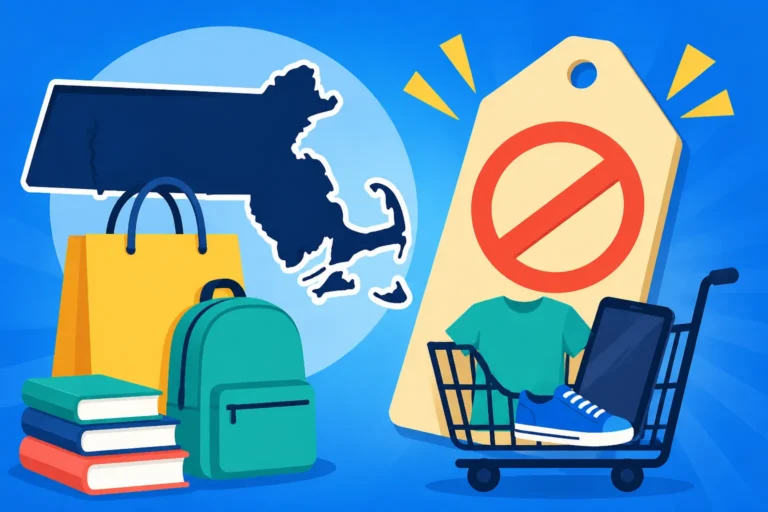
| Massachusetts | Yes | Yes | Often a one-weekend holiday, sometimes with higher price limits. |
| Michigan | Yes | No | |
| Minnesota | Yes | No | Exempts clothing/footwear from sales tax under $100 per item year-round. |
| Mississippi | Yes | Yes | Annual back-to-school and Second Amendment holidays. |
| Missouri | Yes | Yes * | Annual back-to-school holiday. |
| Montana | No | No | No statewide sales tax. |
| Nebraska | Yes | No | |
| Nevada | Yes | No | |
| New Hampshire | No | No | Entirely sales tax-free. |
| New Jersey | Yes | No | Exempts most clothing and footwear from sales tax year-round. |
| New Mexico | Yes (GRT) | No | Gross Receipts Tax (GRT) structure. |
| New York | Yes | No (general) | Clothing/footwear under $110 is exempt from state sales tax year-round, local taxes may still apply. |
| North Carolina | Yes | No | |
| North Dakota | Yes | No | |
| Ohio | Yes | Yes | Annual back-to-school sales tax holiday. |
| Oklahoma | Yes | Yes | Annual back-to-school sales tax holiday for clothing/footwear under $100. |
| Oregon | No | No | Entirely sales tax-free. |
| Pennsylvania | Yes | No | Exempts most clothing and footwear from sales tax year-round. |
| Rhode Island | Yes | No | |
| South Carolina | Yes | Yes | One of the longest back-to-school holidays, includes computers. |
| South Dakota | Yes | Yes | Annual back-to-school holiday. |
| Tennessee | Yes | Yes | Multiple holidays for back-to-school and sometimes groceries. |
| Texas | Yes | Yes | Annual back-to-school and emergency preparedness holidays. Check Texas Tax-Free Weekend 2026 (Aug 7-9) for details. |
| Utah | Yes | No | |
| Vermont | Yes | No | |
| Virginia | Yes | No (as of July 2026) | Historically had back-to-school and emergency prep, but expiring. See Virginia Tax-Free Weekend (Expiring July 2026). |
| Washington | Yes | No | One of the highest combined sales tax rates. |
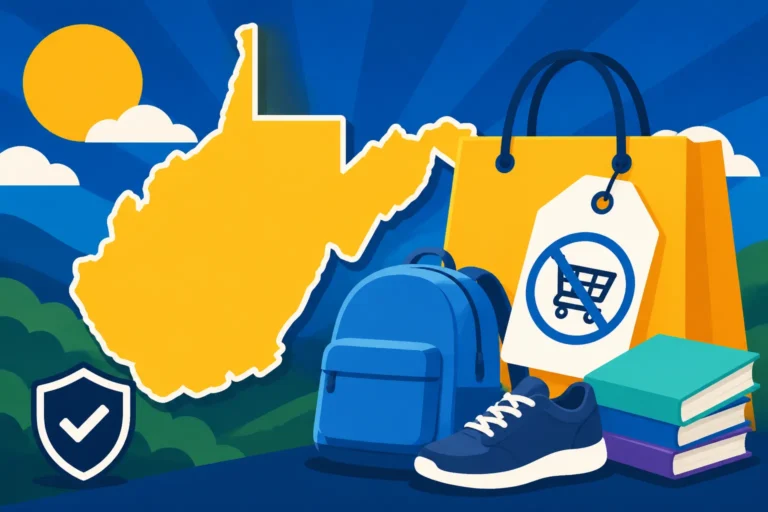
| West Virginia | Yes | Yes | Annual back-to-school holiday. |
| Wisconsin | Yes | No | |
| Wyoming | Yes | No |
Note: Sales tax holidays can change year-to-year based on legislative decisions. Always verify current information with your state's Department of Revenue.
Disclaimer
The information provided in this guide is for general informational purposes only and does not constitute professional tax advice. Sales tax laws are complex and subject to change. Always consult with a qualified tax professional or your state's Department of Revenue for advice tailored to your specific situation.