Are Medical Supplies Sales Tax Exempt?
Trying to figure out if that thermometer, those bandages, or even prescription medication you desperately need should have sales tax tacked onto the price can feel like navigating a maze blindfolded. It's frustrating to think you might be paying extra for health essentials, and the truth is, the rules are rarely straightforward. This guide will cut through the confusion, helping you understand when and where medical supplies are exempt from sales tax across the United States, giving you clarity as both a consumer and a business owner.
The Complex World of Sales Tax on Medical Supplies
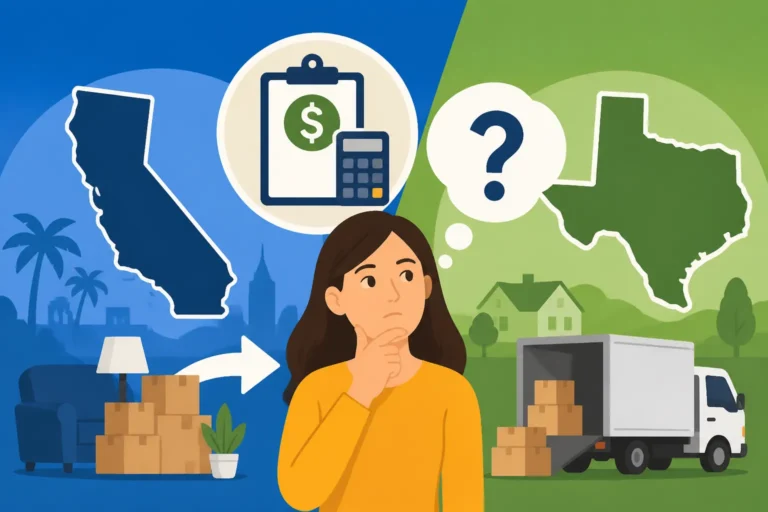
The question of whether medical supplies are sales tax exempt is one that trips up countless consumers and businesses alike. You might assume anything health-related should automatically be tax-free, but unfortunately, the reality is far more convoluted than that. Each state sets its own definitions, rules, and exemptions, leading to a patchwork of regulations that can make your head spin. What's exempt in California might be fully taxable in Nevada, and what's considered a "medical device" in one state could just be a "general item" in another.
Why This Isn't a Simple Yes or No Question
The primary reason for this complexity boils down to states' need for revenue versus their desire to ease the burden on residents for essential health items. Lawmakers often grapple with drawing clear lines, leading to legislation that can be interpreted differently. For instance, is a specialized shoe insert a medical device or just a piece of footwear? What about a heating pad – is it for general comfort or specifically for a prescribed therapeutic purpose? These distinctions, as subtle as they seem, are what determine taxability, and they often depend on the precise wording of state statutes and administrative rulings.
One of the biggest frustrations for businesses is maintaining compliance across state lines. If you're selling medical supplies online, your obligation to collect sales tax depends not only on whether you have Sales Tax Nexus Explained Physical vs Economic, but also on the specific tax laws of your customer's state. It’s not just the base state sales tax rate; you also have to factor in local, county, and special district taxes, which can vary wildly even within the same state. For example, a business in Texas selling to a customer in Louisiana would need to understand Louisiana's often intricate parish-level sales tax system, which has a base state rate plus numerous local add-ons.
The Core Distinction: Prescription vs. Over-the-Counter OTC
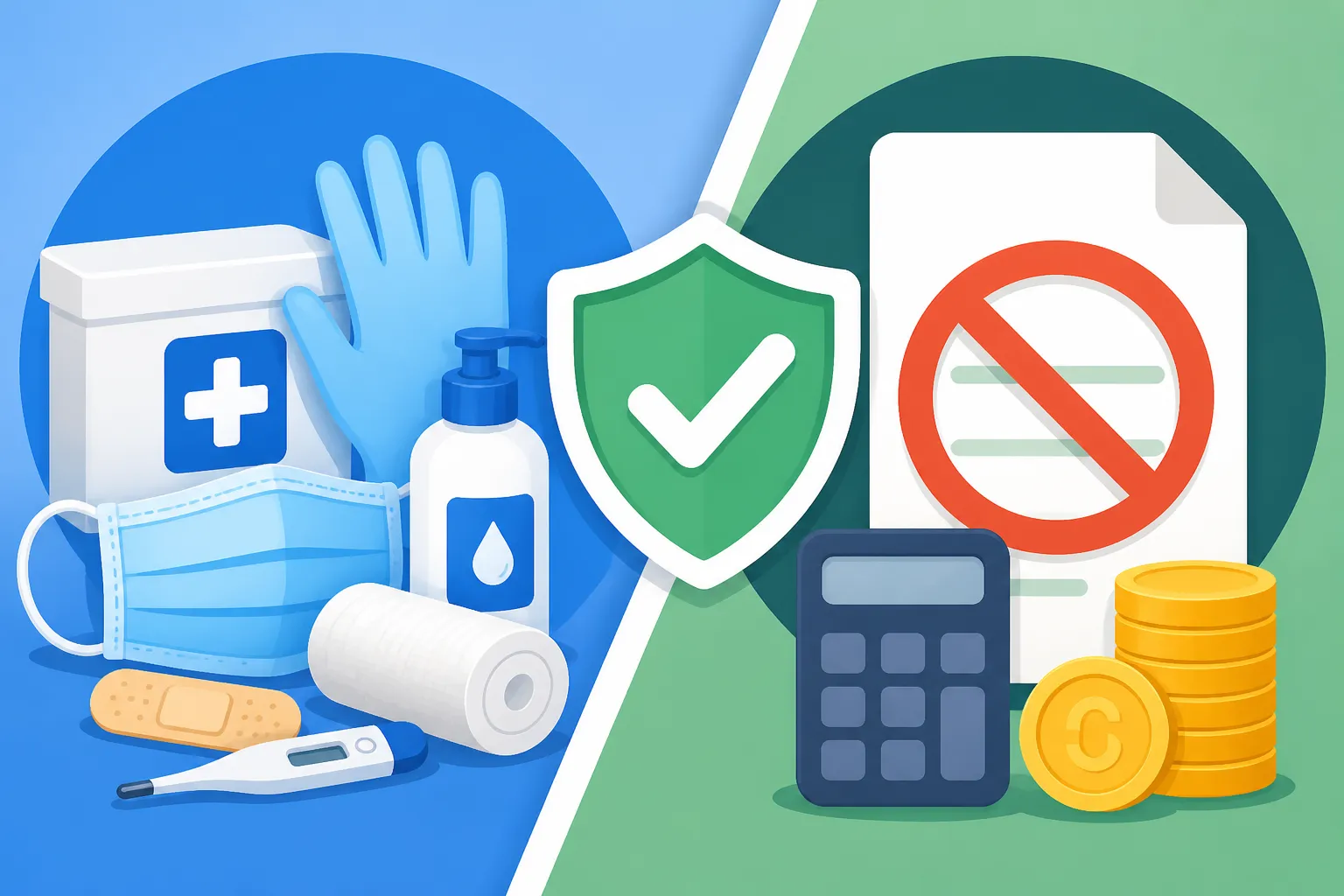
Generally, one of the most significant factors determining sales tax exemption for medical supplies is whether the item requires a prescription. Almost every state that levies sales tax provides an exemption for prescription medications. This is a fairly universal standard, recognizing that these are doctor-ordered necessities. However, the exact definition of "prescription medication" can sometimes vary, with some states including medical devices dispensed by a pharmacist with a prescription.
When it comes to over-the-counter (OTC) medical supplies, things get much trickier. While some states extend exemptions to a broader range of OTC items, many do not. For example, a box of ibuprofen might be taxable while a prescription painkiller is not. The rationale often stems from the idea that OTC items can be used for general wellness or minor ailments, whereas prescription items are deemed absolutely necessary for a specific medical condition. This distinction leaves consumers wondering why they're paying tax on something that feels just as essential as a prescription.
Beyond prescription status, many states further differentiate based on the type of medical supply. Is it a prosthetic device? A mobility aid? A diagnostic tool? Each category might have its own set of rules, making it a true challenge for retailers to manage their point-of-sale systems to accurately apply sales tax. Businesses often turn to sophisticated sales tax compliance software, like Avalara, to help automate these complex calculations and ensure they're charging the correct tax based on product classification and jurisdiction.
State-by-State Breakdown: What's Typically Exempt and What's Not
Navigating the sales tax landscape for medical supplies requires a deep dive into individual state regulations. There's no one-size-fits-all answer, and what might seem intuitively exempt often isn't. States have taken various approaches, creating a complex web of rules that can make even simple purchases confusing.
States with Broad Exemptions for Medical Devices and Supplies
Some states are more generous in their sales tax exemptions for medical supplies, often extending them beyond just prescription items. These states recognize the financial burden of healthcare and aim to alleviate it by making a wider range of essential items tax-free.
For example, states like Florida often exempt most medical items when purchased for human use, regardless of whether a prescription is needed. This can include everything from crutches and bandages to durable medical equipment and even many common OTC drugs and hygiene products. Similarly, New York provides broad exemptions for medical equipment, prosthetic devices, and most medical supplies. While the base New York Sales Tax Rate 4% + Local is already relatively low, these exemptions further reduce the cost of healthcare for residents. However, it's crucial to consult the state's department of revenue website for the most current and specific guidelines, as these laws can change.
Another excellent example is California, which generally exempts medical devices, equipment, and medicines, whether prescribed or not, when used to treat or alleviate a human ailment. They also provide specific exemptions for items like oxygen delivery systems, custom-made orthopedic shoes, and certain mobility enhancement equipment. Understanding these nuances is critical for any business operating or selling into California. Even with these broader exemptions, it's important to differentiate between a truly medical item and a general wellness product, which we'll discuss more in the "Gray Areas" section.
States with More Limited or Specific Exemptions
On the other end of the spectrum are states with more restrictive exemptions, often limiting tax-free status strictly to prescription items or a very narrow list of designated medical devices. In these states, many common over-the-counter medical supplies will be subject to the full sales tax rate.
For instance, in states like Texas, while prescription drugs and certain prosthetic devices are exempt, many basic OTC medical supplies, such as adhesive bandages, common pain relievers, and antiseptic wipes, are taxable. The Texas Sales Tax Rate 6.25% + Local 8.25% Max means that these items can become notably more expensive for consumers. Similarly, in states like Georgia, the focus is often on prosthetic devices, durable medical equipment, and items dispensed by prescription. General first-aid supplies bought off the shelf are typically taxed. This disparity can lead to frustration for consumers who might purchase the same items across state lines and find vastly different tax treatment.
The challenge for businesses in these states is accurately identifying what falls into the exempt category versus what is taxable. This often requires precise product coding and a robust sales tax system. If a business mistakenly treats a taxable item as exempt, it could face audits and penalties down the line. The complexity means that staying compliant isn't just about knowing the Sales Tax Rates by State 2026 All 50 States, but also understanding the intricate rules for each specific product category.
What About Durable Medical Equipment DME?
Durable Medical Equipment (DME) generally refers to equipment that can withstand repeated use, is primarily and customarily used to serve a medical purpose, is not useful to a person in the absence of illness or injury, and is appropriate for use in the home. This category typically includes items like wheelchairs, crutches, oxygen tanks, hospital beds, and patient lifts.
Most states recognize the critical nature of DME and provide some form of sales tax exemption for these items. However, the exact scope of the exemption can still vary. Some states might require that the DME be prescribed by a licensed practitioner, while others might exempt it broadly. For example, in Washington state, DME is typically exempt, but there might be conditions related to its intended use or the buyer's status. It's not uncommon for states to also exempt repairs and parts for DME, recognizing that maintaining these essential items is just as important as the initial purchase.
For a business selling DME, ensuring proper tax application is crucial. This often involves gathering specific documentation from the purchaser, such as a doctor's prescription or a medical necessity form, to validate the exemption. Failing to do so could result in the business being held liable for the uncollected tax. This is where tools from companies like Avalara become incredibly valuable, as they can help manage exemption certificates and apply the correct tax rules based on product type and state-specific regulations.
Navigating the Nuances: Common Gray Areas and Exclusions
Beyond the clear-cut cases of prescription drugs and major durable medical equipment, many items fall into a gray area. These products often have dual uses – both medical and non-medical – making their taxability a frequent point of contention and confusion. States constantly review and refine their definitions, but the complexity persists.
Dietary Supplements, Vitamins, and "Health" Products
This category is a prime example of where the lines blur significantly. Most states consider dietary supplements and vitamins to be food products, but typically not "grocery food" that might be exempt, and certainly not "medicine." Therefore, they are often subject to sales tax. The challenge comes from products marketed with health claims, like weight-loss supplements, energy boosters, or herbal remedies. Are these "medical supplies" or just general wellness items?
Generally, if a product is not approved by the FDA as a drug, does not require a prescription, and is not marketed to specifically cure, mitigate, or prevent disease (as a drug would be), it's likely to be taxed. States often employ a "flour test" or similar criteria to distinguish between food and candy for sales tax purposes, and a similar, albeit more complex, approach is taken for health supplements. For instance, in some states, a protein bar might be taxed as a snack, while in others, it could be considered a grocery item if it meets certain nutritional criteria. This mirrors the complex discussion around Are Dietary Supplements & OTC Drugs Taxable?, highlighting just how much scrutiny these items face. Businesses selling these products need to categorize them carefully according to each state's specific guidelines to avoid errors.
Feminine Hygiene Products and Diapers
Historically, feminine hygiene products (like tampons and pads) and diapers were often taxed as general tangible personal property, despite being essential items. This practice, sometimes dubbed the "pink tax," has faced increasing scrutiny and legislative efforts in recent years. As a result, a growing number of states have moved to exempt these products from sales tax, recognizing them as necessities rather than luxury items.
States like New York, California, and Florida are among those that have eliminated sales tax on feminine hygiene products and diapers. However, this isn't universal. Many states still apply sales tax to these items. For businesses, this means needing to track these specific exemptions by state and update their systems accordingly. For consumers, it means that the cost of these essential items can vary significantly depending on where they are purchased. Staying informed about Sales Tax Holidays by State 2026: Full Calendar might also be beneficial, as some states include these items in broader back-to-school or emergency preparedness exemptions for short periods.
Medical Services vs. Tangible Supplies
It's crucial to understand the distinction between medical services and medical supplies when it comes to sales tax. In most states, medical services provided by doctors, dentists, hospitals, and other healthcare professionals are generally exempt from sales tax. When you pay for a consultation, a surgery, or a therapy session, you typically won't see sales tax on the bill. This exemption is rooted in the principle that services are often not subject to sales tax unless specifically enumerated by the state. You can learn more about Sales Tax on Services What's Taxable by State for a broader perspective.
However, the tangible medical supplies or products that a healthcare provider might sell directly to a patient or that are used in providing the service can be a different story. For example, if a chiropractor sells you a special support pillow or a physical therapist sells you resistance bands to use at home, those items might be subject to sales tax unless they meet a specific medical exemption in that state. If a dentist includes the cost of a crown in the overall service charge, it might not be separately taxed, but if they sell you an at-home teeth whitening kit, that often will be. The key distinction is usually whether the tangible item is incidental to a tax-exempt service or if it's a distinct product sale.
Practical Tips for Businesses and Consumers
Understanding the intricate world of sales tax on medical supplies is half the battle; the other half is knowing what to do with that information. Whether you're a business trying to stay compliant or a consumer trying to save a few dollars, there are actionable steps you can take.
For Businesses: Ensuring Compliance
If you're a business selling medical supplies, whether online or in a brick-and-mortar store, ensuring accurate sales tax collection and remittance is paramount. The stakes are high: incorrect collection can lead to audits, penalties, and interest from state tax authorities.
- Product Classification is Key: Meticulously classify every product you sell. Is it a prescription drug? An OTC medical device? A general health supplement? The more precisely you categorize your inventory according to state definitions, the easier it will be to apply the correct tax rules. Don't just rely on common sense; consult each state's specific guidance.
- Understand State-Specific Laws: As we've discussed, taxability varies significantly. You need to know the rules for every state where you have sales tax nexus. This means delving into each state's Department of Revenue website or consulting with a sales tax expert. For example, understanding
Economic Nexus by State 2026 Thresholds Guideis crucial for online sellers to even know where they have an obligation. - Utilize Sales Tax Software: For most businesses, especially those selling across state lines, manual sales tax management is simply not feasible. Sales tax automation software is designed to handle this complexity. Platforms like Avalara integrate with your e-commerce platform or accounting system (e.g., Shopify, NetSuite, QuickBooks) to automatically calculate sales tax rates based on the customer's address, the specific product being sold, and the relevant state and local exemptions. This can save immense time and prevent costly errors.
- Manage Exemption Certificates: If you sell to other businesses or to tax-exempt entities (like hospitals or government agencies), you'll need to collect and manage
Sales Tax Exemption Certificates Complete Guide. These certificates prove why you didn't collect sales tax on a particular transaction. Software solutions can also help store and validate these. - Regularly Review and Update: Sales tax laws and rates change. States frequently update their statutes regarding what's taxable or exempt, and local rates can shift. Regularly review your product classifications and software settings to ensure they reflect the most current regulations. You can also refer to resources like 2026 Sales Tax Rate Changes by State to stay ahead.
| Category | Prescription Required | Common Examples | General Taxability (Varies by State) |
|---|---|---|---|
| Prescription Drugs | Yes | Prescription medications, compounded drugs | Exempt in most states |
| DME (Durable Medical Equipment) | Often, but not always | Wheelchairs, crutches, oxygen tanks, hospital beds | Generally exempt or reduced rate |
| OTC Medical Devices | No | Bandages, thermometers, splints, certain braces | Varies widely; often taxable |
| Feminine Hygiene Products & Diapers | No | Tampons, pads, adult/baby diapers | Increasingly exempt; still taxable in many |
| Dietary Supplements & Vitamins | No | Multivitamins, protein powders, herbal remedies | Generally taxable |
| Medical Services | N/A | Doctor's visits, surgery, therapy | Generally exempt |
For Consumers: What to Look For and How to Advocate
As a consumer, you have the right to understand why you're being charged sales tax on certain items. While the burden of collection is on the seller, being informed can help you make better purchasing decisions and even advocate for change.
- Check Your State's Department of Revenue Website: This is your best official source for specific information. Look for sections on "sales tax exemptions" or "taxable goods and services" to find detailed lists or guidelines for medical supplies, OTC drugs, and other health-related items. For instance, if you're in California, you might search for information on What Is the Sales Tax in California? and then delve into their specific medical exemption rules.
- Read Product Descriptions Carefully: Sometimes, how a product is marketed or its specific intended use can influence its taxability. A general "back massager" might be taxed, but a device prescribed for a specific medical condition might be exempt.
- Question Unexpected Charges: If you believe you've been wrongly charged sales tax on a medical supply, politely question the retailer. They may be unaware of a specific exemption, or their system might be incorrectly configured. Have the state's official guidance ready if possible.
- Be Aware of Sales Tax Holidays: Some states offer sales tax holidays that include certain medical supplies, particularly in categories like "health and wellness" or "emergency preparedness." While these are typically temporary, they can offer significant savings. You can look up your state's specific holiday rules and dates for things like Texas Tax-Free Weekend 2026 Dates or Florida's equivalents.
- Consider Use Tax: If you purchase a medical supply from an out-of-state online retailer that doesn't collect sales tax, you might owe use tax to your home state. This is especially true in states where your item would normally be taxable. Understanding
Use Tax Explained What It Is & When You Owe Itcan save you headaches later.
Ultimately, whether medical supplies are sales tax exempt is a question with a highly localized answer. While many states provide exemptions for essential, prescription-based, or durable medical equipment, the details vary widely. Both businesses and consumers must stay diligent and informed to navigate this complex terrain accurately.
Disclaimer
Please remember that sales tax laws are constantly evolving and vary significantly by state and even locality. This guide provides general information and should not be considered legal or tax advice. For specific guidance regarding your unique situation, always consult with a qualified tax professional or refer to the official resources of your state's department of revenue.