How Do I Use an Exemption Certificate?
It can be incredibly frustrating when you're a business owner, a farmer, a non-profit, or even just a regular shopper, and you know a purchase should be sales tax-exempt, but you're still asked to pay. It feels like an unnecessary hurdle, adding time and complexity to transactions that should be straightforward. This guide is designed to cut through that confusion, giving you a comprehensive, step-by-step understanding of how to properly use a sales tax exemption certificate, ensuring you only pay tax when you truly need to.
Deciphering the Sales Tax Exemption Certificate
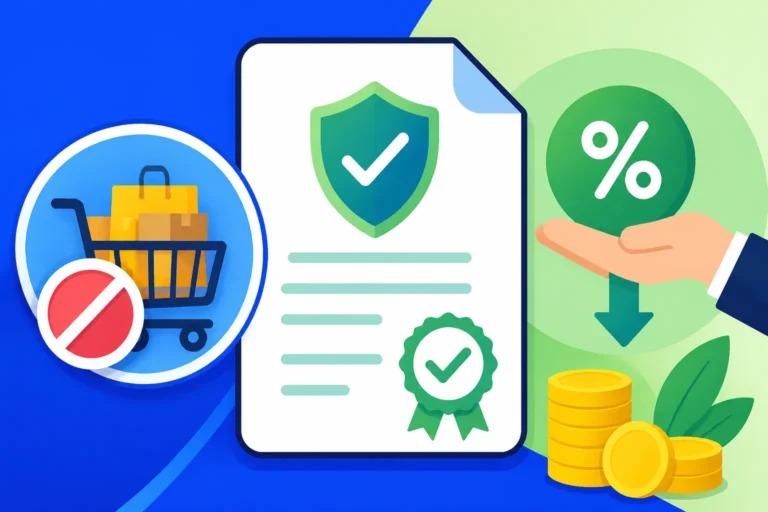
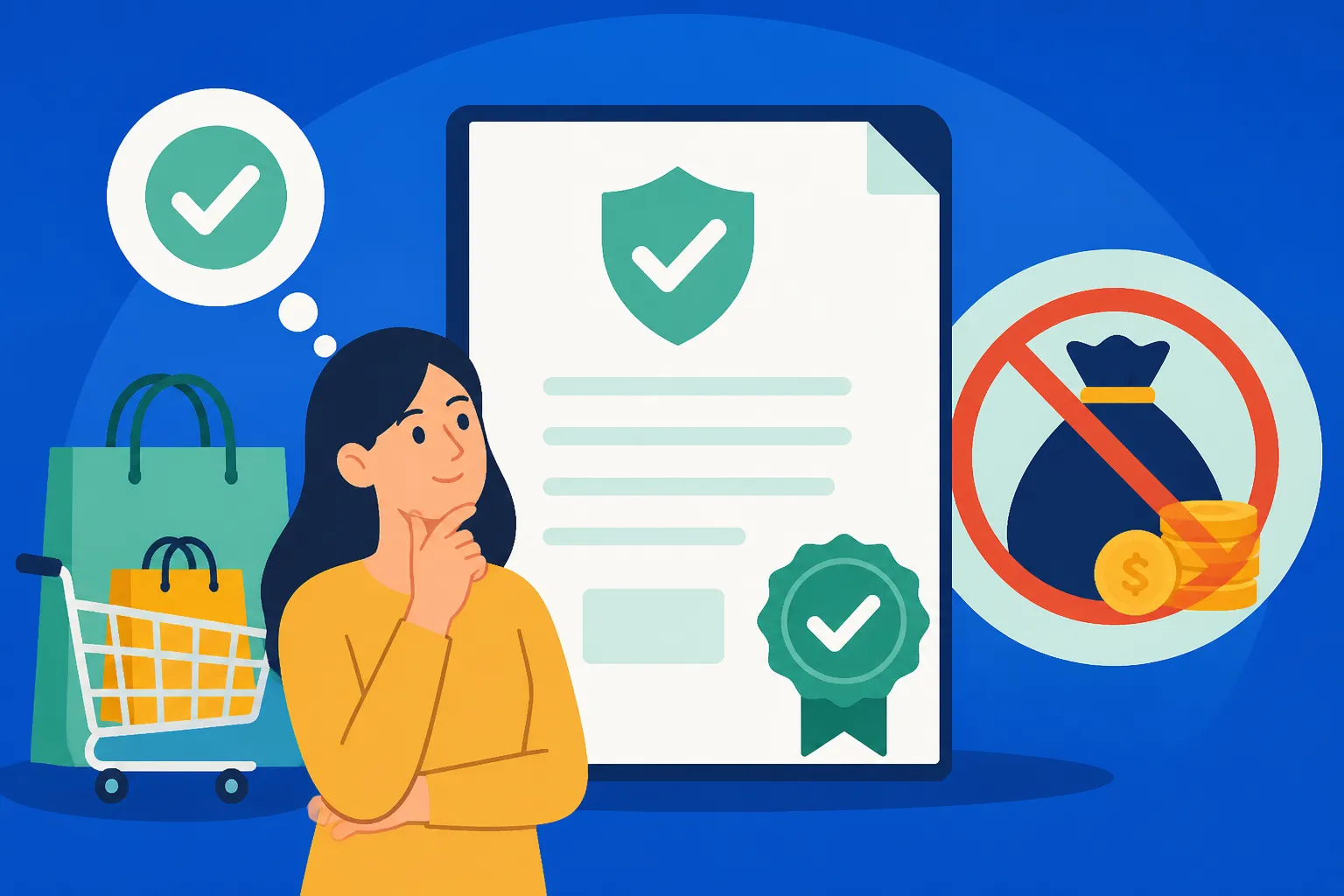
Let's face it, sales tax can be a real headache, and exemption certificates are often seen as another layer of bureaucracy. But at their core, these certificates are simply documents that prove why a specific sale doesn't need to be taxed. They're not just about saving money; they're about preventing unfair double taxation, supporting vital industries, and ensuring that sales tax is applied only at the intended point of a transaction. Think of it as your official "Get Out of Sales Tax Free" card, but with very specific rules.
The Core Purpose of Exemption Certificates
The primary goal of an exemption certificate is to make sure sales tax is collected correctly – which often means not collecting it on certain transactions. Imagine you're a retailer buying inventory from a wholesaler. If you paid sales tax on those goods, and then your customer also paid sales tax when they bought them from you, that item would be taxed twice. This is where a Resale Certificate by State: Complete Guide comes in. It signals to the wholesaler that you're buying the items for resale, and thus, that first transaction is exempt. The sales tax responsibility then falls to you, the retailer, to collect from the end consumer.
But it goes beyond just resales. Many states offer exemptions for specific types of buyers or uses. For instance, a school district purchasing new computers for classrooms is typically exempt because they are a government entity. Or a farmer buying seed and fertilizer might be exempt because these are inputs for agricultural production. These exemptions ensure that the sales tax system doesn't burden entities or activities that states have decided should be free from this particular tax. Without these certificates, every seller would have to assume every sale is taxable, leading to endless refunds and administrative nightmares.
Common Types of Exemption Certificates
The world of sales tax exemptions is varied, but generally, certificates fall into a few key categories, each serving a distinct purpose. Understanding these will help you know which one you might need for your specific situation.
- Resale Certificates: As mentioned, these are perhaps the most common. If you're a business purchasing goods you intend to resell (either in their original form or as a component of something new), you'll use a resale certificate. This tells your supplier not to charge you sales tax, shifting the burden to you to collect it from your eventual customer. Think of a clothing boutique buying dresses from a manufacturer – they use a resale certificate because they'll collect sales tax when they sell that dress to you.
- Governmental Exemptions: State and federal government agencies, and often local municipalities, are typically exempt from paying sales tax on their purchases. When a public school buys textbooks, or a city department purchases office supplies, they'll use an exemption certificate to avoid sales tax. These can sometimes be specific forms or simply a letter on official letterhead, depending on the state and jurisdiction. For more, explore Nonprofit & Government Sales Tax Exemptions.
- Manufacturing Exemptions: Many states offer sales tax exemptions on equipment, raw materials, or utilities used directly in the manufacturing process. The idea is to incentivize manufacturing within the state. If a furniture factory buys lumber, screws, and specialized machinery, they might use a Manufacturing Sales Tax Exemption by State to avoid sales tax on those purchases, as they are integral to creating a new product.
- Agricultural Exemptions: Farmers often receive exemptions on items like feed, seed, fertilizer, machinery, and sometimes even utilities, provided these items are used predominantly for agricultural production. This supports the agricultural sector, which is vital to many state economies. A large dairy farm buying new milking equipment or feed for their cows would present an Agricultural Sales Tax Exemption by State to their supplier.
- Nonprofit Exemptions: Many charitable organizations, educational institutions, and religious groups qualify for sales tax exemptions on purchases made to further their exempt purpose. A local food bank buying supplies for their operations, or a church purchasing materials for a renovation, would typically use a nonprofit exemption certificate. The rules vary significantly by state on what types of nonprofits qualify and for what types of purchases.
- Direct Pay Permits: Less common but very useful for large businesses that make a high volume of purchases that might sometimes be taxable and sometimes exempt. Instead of providing an exemption certificate for each qualifying purchase, a business with a direct pay permit can purchase everything sales tax-free and then directly remit the use tax to the state on the items that were not exempt. This significantly streamlines their purchasing process.
Each state has its own specific forms and rules for these exemptions, so it's never a one-size-fits-all situation. That's why diving into comprehensive guides like Sales Tax Exemption Certificates: Complete Guide is always a good idea.
Your Step-by-Step Guide to Using Exemption Certificates
Navigating the process of actually using an exemption certificate can feel daunting, especially if you're new to it. But with a clear understanding of the steps involved, it becomes much more manageable. It’s all about preparation, presentation, and diligent record-keeping.
Step 1: Confirm Your Eligibility and Obtain the Right Certificate
Before you even think about handing over a piece of paper, you need to ensure two critical things: that your purchase actually qualifies for an exemption, and that you have the correct, valid certificate for that specific exemption in the relevant state.
Let's say you run a small online shop selling handmade jewelry. You're buying silver wire, beads, and clasps from a supplier in another state. You believe these are for resale. First, confirm with your state's tax authority (or the state where your supplier is located, depending on sourcing rules) if components used in manufacturing goods for resale are indeed exempt. Most states would agree, but it's crucial to check.
Next, you'll need the proper form. Most states provide these forms on their Department of Revenue or Tax Commission websites. For instance, California uses form CDTFA-230 for resale certificates. If you're buying from a supplier in Texas, you'd look for the Texas Sales and Use Tax Resale Certificate (Form 01-339). Some states, particularly those participating in the Streamlined Sales Tax (SST) Agreement, have a single, multi-state form that can be used in multiple participating states, which can be a huge time-saver. You'll typically need to have a sales tax permit or a similar license from your state to obtain and use these certificates. If you don't have one, our guide on How to Get a Sales Tax Permit by State can walk you through it.
Fill out the form completely and accurately. This usually includes your business name, address, sales tax permit number, the type of business you conduct, and a clear statement that the items are being purchased for an exempt purpose. Never leave blanks or provide false information; this could lead to serious penalties.
Step 2: Presenting Your Certificate to the Seller
This is where the rubber meets the road. The timing and method of presenting your certificate can vary, but the core principle is the same: the seller needs to receive and validate it before they complete the transaction without charging sales tax.
- In-Person Purchases: If you're at a wholesale supplier's storefront, you'd typically hand over the completed certificate to the cashier or sales associate at the time of purchase. They might make a copy, check your sales tax ID, and then process your order without adding sales tax. It's always a good idea to have a physical copy, even if you've already provided one digitally in the past.
- Online Purchases: For online suppliers, the process is usually integrated into their e-commerce platform. You might need to set up an account, navigate to a "tax exemption" or "resale certificate" section, and upload a digital copy of your certificate. Many online vendors, especially larger ones, have automated systems for this. Once approved, your account should be flagged for future tax-exempt purchases. Some might require you to contact customer service directly to process the exemption for your first order.
- Ongoing Relationships: If you regularly purchase from the same supplier, you often only need to provide the certificate once. They'll keep it on file and apply the exemption to all subsequent qualifying purchases. However, it’s good practice to periodically confirm they still have your valid certificate, especially if there are changes to your business or state tax laws.
Always be prepared to explain the nature of your exemption if asked, and remember, the seller has the right to refuse the certificate if they have a legitimate reason to believe the purchase isn't truly exempt, or if the certificate is incomplete or invalid. They are liable if they don't collect sales tax when they should have, so they need to be diligent.
Step 3: What Happens After You Provide the Certificate?
Once you've successfully presented your certificate, the transaction should proceed without sales tax being added to the exempt items. But your responsibility doesn't end there.
The seller will typically keep your certificate on file. This is crucial for their records, as it demonstrates to the state tax authorities why they didn't collect sales tax from you. If they ever get audited, they need that documentation to prove compliance. This is where modern solutions, often from companies like Avalara, come in handy for sellers, helping them manage and store thousands of exemption certificates digitally, ensuring they're always audit-ready.
For you, the buyer, the most important step post-transaction is record-keeping. You need to keep a copy of every exemption certificate you issue and every invoice where you used one. If you're buying for resale, you'll eventually collect sales tax from your own customers and remit it to the state. If you use an item purchased with a resale certificate for personal use or for a taxable purpose within your business, you'll generally owe Use Tax Explained: What It Is & When You Owe It on that item. Proper records will help you track this and demonstrate compliance during your own tax audits. Keep these records for at least the statute of limitations in your state, which is typically three to four years, but sometimes longer.
Avoiding Common Pitfalls and Best Practices
Using exemption certificates effectively means not just knowing how to fill them out, but also understanding the nuances and potential traps. Missteps can lead to penalties, back taxes, and a whole lot of stress.
Misusing an Exemption Certificate: The Costly Errors
One of the biggest mistakes businesses make is using an exemption certificate for a purchase that doesn't actually qualify. This isn't just a minor oversight; it can be considered tax fraud in some circumstances and lead to significant penalties.
Consider a small business owner who uses a resale certificate to buy office supplies – pens, paper, a new printer – for their own internal use. Those items are not being resold; they are being consumed by the business. In this scenario, the purchase is taxable. If an auditor discovers this, the business owner will not only owe the uncollected sales tax but likely also interest and penalties. It's an easy trap to fall into, especially for new businesses trying to save every penny, but the long-term consequences can be far more expensive than paying the initial sales tax.
Another common misuse is using a certificate from one type of exemption for another. For example, a nonprofit using their exemption to buy personal items for an employee, or a farmer buying items for a non-farm side business. The specific rules for each exemption type are there for a reason, and states are increasingly vigilant in enforcing them.
Record-Keeping Essentials for Audit Preparedness
I cannot stress this enough: good record-keeping is your best friend when it comes to sales tax exemptions. Many states conduct sales tax audits to ensure compliance, and a significant part of that audit will involve reviewing your exemption certificates. If you cannot produce a valid, properly filled-out certificate for a tax-exempt sale, the auditor will assume the sale was taxable and you, the seller, owe the tax.
For buyers, you need to keep a clear trail:
- Copies of all certificates you provide: This proves you informed the seller of your exempt status.
- Invoices showing exempt purchases: Clearly mark which items were exempt due to a certificate.
- Proof of your exempt status: Whether it's your sales tax permit, nonprofit status letter, or other supporting documentation.
For sellers, it's even more critical:
- Valid certificates for every exempt sale: These must be complete, signed, and retained.
- Easy retrieval: Imagine an auditor asking for 50 specific certificates from the last three years. Can you find them quickly? This is where digital solutions excel.
- Expiration tracking: Some certificates expire or need periodic renewal. Keeping track of these dates is crucial to ensure you're always accepting a valid certificate.
Many businesses find that automating this process with sales tax compliance software significantly reduces their risk. Systems like Avalara can help businesses validate exemption certificates in real-time, store them securely, and ensure they are always ready for an audit, regardless of the state.
Staying Updated with Ever-Changing Rules
Sales tax laws, including those related to exemptions, are not static. States frequently update their statutes, introduce new exemptions, or sunset old ones. What was exempt last year might not be this year, or vice versa.
- Annual Reviews: Make it a habit to review your state's sales tax laws and any specific exemption guidelines at least once a year.
- Industry-Specific Updates: Certain industries, like manufacturing or agriculture, often see changes to their specific exemptions. Stay connected with industry associations or newsletters that track these legislative shifts.
- Multi-State Operations: If you operate in multiple states, this complexity multiplies. Each state has its own forms, rules, and renewal requirements. For instance, did you know that some states have Mandatory Statewide Local Add-Ons (CA, UT, VA) that can impact even exempt purchases? Keeping up with the various Sales Tax Rates by State 2026: All 50 States is already a full-time job, let alone the exemptions.
Using tools designed for sales tax compliance can be a lifesaver here. They often include databases of current state tax laws and exemption requirements, sending alerts for important changes. This proactive approach ensures you're always using exemption certificates correctly and avoiding potential liabilities down the road.
Remember, the goal of an exemption certificate is to make the sales tax system fairer and more efficient. By understanding how to use them properly, you're not just protecting your business from unnecessary costs and penalties, but you're also contributing to a more accurate and compliant tax landscape.
Disclaimer
The information provided in this guide is for general informational purposes only and does not constitute tax, legal, or accounting advice. Sales tax laws are complex and constantly changing. Always consult with a qualified tax professional or your state's Department of Revenue for advice specific to your business and situation.