Is There a Tax-Free Weekend in New York?
It's completely understandable to wonder if New York offers a sales tax holiday or a tax-free weekend. Many states across the country provide these special shopping periods, often around back-to-school season or during emergency preparedness events, where shoppers can save a bit on essential items. However, navigating the sales tax landscape in New York can feel a bit different, and it's easy to get confused about what exemptions actually exist. This guide will clear up whether New York has a traditional tax-free weekend and dive into the unique sales tax exemptions that benefit shoppers in the Empire State year-round.
Understanding New York's Approach to Sales Tax Exemptions
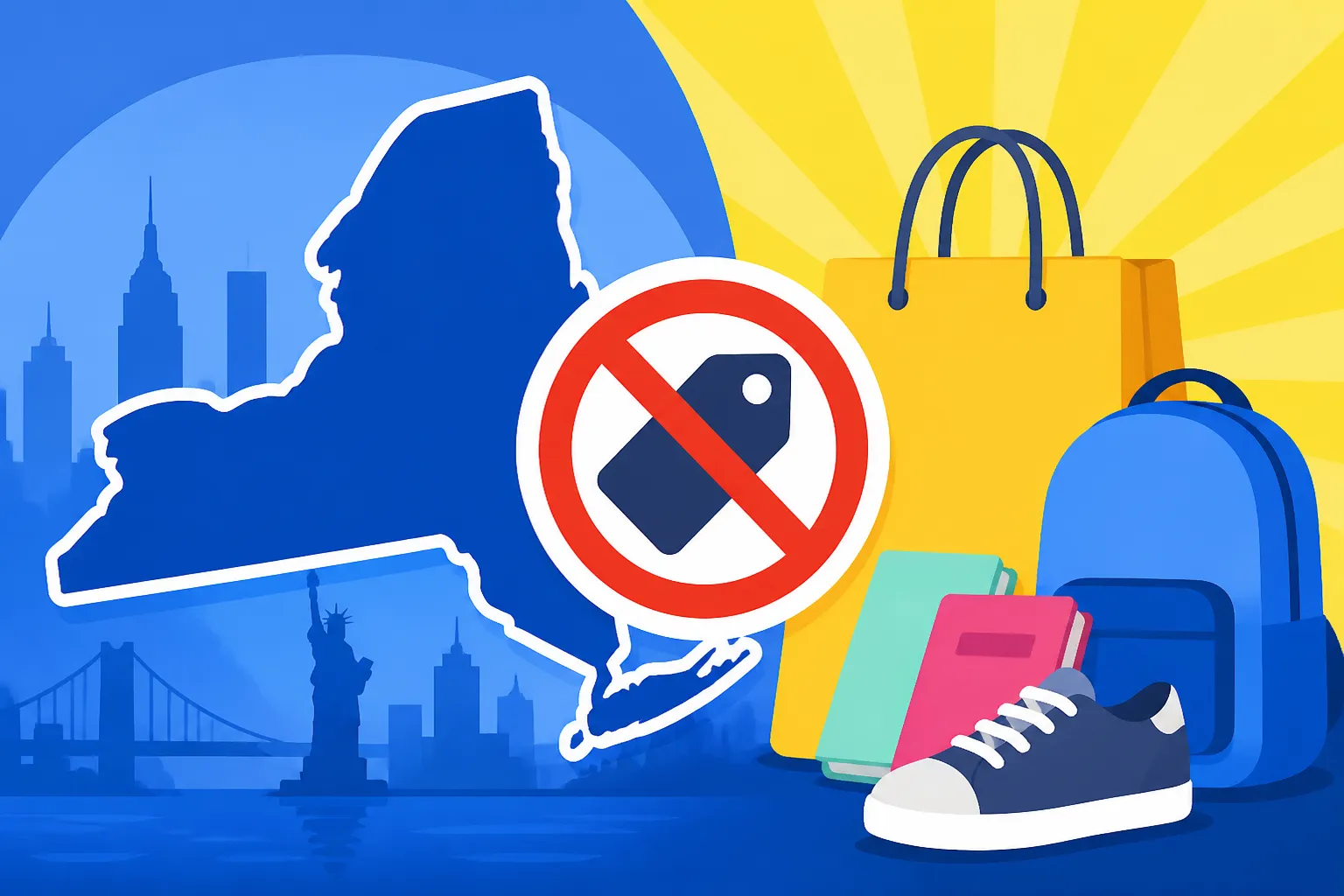
When people talk about "tax-free weekends," they're usually referring to specific, limited-time periods when sales tax is temporarily waived on certain categories of items, like school supplies, clothing, or hurricane preparedness gear. States like Texas, Florida, and Massachusetts are well-known for these annual events, providing a specific window for savings. However, New York state takes a different tack. Instead of designating particular weekends for sales tax exemptions, it has chosen to implement permanent exemptions for certain goods, most notably for many clothing and footwear purchases.
This approach means that instead of rushing to buy everything you need during a single weekend, you can enjoy these tax savings throughout the year. While it might not have the "buzz" of a promotional tax-free weekend, it offers consistent relief on specific items, which can be a significant benefit for residents and visitors alike. It's a common misconception that because there isn't a widely advertised "tax-free weekend," there are no sales tax savings to be found. In reality, New York's system provides an ongoing break, but it requires a bit more understanding of the specific rules.
Why New York Doesn't Follow the Trend
Many states introduced sales tax holidays as a way to stimulate economic activity during specific times, or to offer a bit of relief to families around costly events like sending kids back to school. For example, states might offer a weekend where you pay no sales tax on most clothing items under $100. New York, on the other hand, made a policy choice years ago to implement ongoing exemptions rather than temporary ones.
This decision likely stems from a desire for consistency in its tax code and to provide continuous relief for high-volume purchases that are considered necessities. Imagine the administrative burden for retailers and the potential confusion for consumers if the rules constantly changed for a few days each year. By having permanent exemptions, New York aims for a simpler, more predictable system for both buyers and sellers. It also means that a company using a sales tax compliance software like Avalara would configure their system once for these ongoing exemptions rather than updating it annually for temporary holidays.
The Impact on Shoppers and Businesses
For shoppers, this means no frantic last-minute trips to stores during a specific weekend. If you need a new pair of shoes or a winter coat in July, you can still benefit from the exemption, provided it meets the criteria. This can help with budgeting and allows for more thoughtful purchasing decisions rather than impulse buys driven by a ticking clock.
For businesses, it means they don't have to reconfigure their point-of-sale systems for a short period, although they still need to ensure their systems correctly apply the permanent exemptions. This reduces some operational headaches compared to states with rotating tax holidays. However, it also means that the marketing boost some retailers get from promoting "tax-free weekend sales" isn't as prevalent in New York, pushing them to find other ways to attract customers.
New York's Year-Round Sales Tax Exemptions
While you won't find a statewide "tax-free weekend" in New York, the state offers significant permanent sales tax exemptions that are particularly beneficial for families and everyday consumers. The most well-known and impactful of these exemptions applies to clothing and footwear. This exemption means that if you're shopping in New York, you might already be saving money without even realizing it.
It's crucial to understand the specifics of these exemptions because they aren't blanket rules. There are thresholds and conditions that determine whether an item qualifies. Knowing these details can help you plan your purchases and ensure you're getting the full benefit of New York's sales tax policies.
Clothing and Footwear Exemption
This is arguably the most significant and widely utilized sales tax exemption in New York State. Most clothing and footwear items sold for less than $110 per item are exempt from the state's 4% sales tax, and in many localities, they are also exempt from local sales taxes. This means that if you buy a shirt for $50 or a pair of sneakers for $99, you typically won't pay state or local sales tax on those items.
However, there's a catch: the $110 threshold applies per item. If you buy a suit jacket for $100 and matching trousers for $80, each item is under the threshold and would be exempt. But if you buy a single designer dress for $150, that item would be fully taxable because its price exceeds the $110 limit. It’s also important to remember that certain accessories, like jewelry, handbags, and briefcases, are generally not included in this exemption, regardless of price. For a deeper dive, check out our guide on whether is Clothing Taxable in New York? ($110 Rule.
What About Other Exemptions?
Beyond clothing and footwear, New York, like many states, offers other sales tax exemptions for specific types of goods and services, though these are less about general consumer savings and more about specific industries or essential items.
- Groceries: Most unprepared food items (groceries) are exempt from sales tax in New York. This includes fresh produce, meats, dairy, and staple pantry items. However, prepared foods, restaurant meals, candy, and soda are generally taxable. This distinction between groceries and prepared food is a common point of confusion across states.
- Prescription Drugs: Prescription medications are almost universally exempt from sales tax, and New York is no exception. Over-the-counter medications and dietary supplements generally remain taxable, unless specifically exempted under certain conditions.
- Newspapers and Periodicals: These are typically exempt from sales tax, promoting the free flow of information.
- Manufacturing and Agricultural Exemptions: Businesses engaged in manufacturing or agriculture can often claim sales tax exemptions on certain machinery, equipment, and supplies used directly in their production processes. These are business-to-business exemptions aimed at supporting local industries.
- Nonprofit and Government Purchases: Qualified nonprofit organizations and government entities are generally exempt from paying sales tax on their purchases, provided they use the appropriate exemption certificates.
Understanding these specific exemptions can be beneficial. For instance, if you're comparing the total cost of your weekly shopping, knowing that your fresh produce is untaxed can make a difference. Tools from providers like Avalara help businesses correctly apply these complex exemption rules at the point of sale, ensuring compliance and accurate tax collection.
Sales Tax in New York Versus Other States with Tax-Free Weekends
It's natural to compare New York's approach to states that actively promote "tax-free weekends." While New York doesn't have those specific promotional events, its permanent exemptions can offer ongoing benefits that, in some cases, might even outweigh the savings from a limited-time holiday elsewhere. Let's look at how it stacks up.
When you look at the Sales Tax Rates by State 2026: All 50 States, you'll see a wide variety of approaches. Some states have a low base rate but high local taxes, while others, like New York, have a moderate state rate but complex local rules and specific exemptions.
The Pros and Cons of Each System
New York's Permanent Exemption System:
- Pros:
- Consistent Savings: Shoppers don't have to wait for a specific date; savings on eligible items are available year-round. This allows for planned purchases rather than rushed ones.
- Reduced Stress: No need to battle crowds or worry about missing a narrow window.
- Simpler for Retailers (in some ways): Once configured, the system for applying exemptions is continuous, potentially reducing the need for annual updates to POS systems for temporary events.
- Cons:
- Less "Event" Buzz: Retailers don't get the marketing boost that tax-free weekends provide, which can drive traffic.
- Confusion: Many consumers are unaware of the permanent exemptions, especially the $110 clothing rule, and thus don't fully appreciate the savings. They might mistakenly believe New York has no sales tax relief at all.
- Threshold Limitations: The $110 per item limit means higher-priced clothing items are fully taxed, which wouldn't happen if there was a general "clothing is tax-free" holiday without a price cap.
States with Traditional Tax-Free Weekends (e.g., Texas, Florida):
- Pros:
- High Awareness: These events are heavily advertised, drawing significant attention and traffic to stores.
- Clear Dates: Consumers know exactly when to shop for savings.
- Broader Categories (sometimes): Some tax holidays cover a wider range of items like computers, school supplies, and even certain energy-efficient appliances, often with generous price caps. For example, Texas Tax-Free Weekend 2026 might include specific electronics.
- Cons:
- Limited Time: If you miss the weekend, you miss the savings.
- Crowds and Chaos: Stores can become extremely busy, making for a less pleasant shopping experience.
- Impulse Buying: The urgency can lead shoppers to buy things they don't truly need, negating some of the savings.
- Operational Burden: Retailers must update and test their systems to correctly apply the temporary exemptions and then revert them afterward.
Here's a quick comparison of general approaches:
| Feature | New York (Permanent Exemptions) | States with Tax-Free Weekends (e.g., Texas, Florida) |
|---|---|---|
| Sales Tax Holiday Dates | None (exemptions are year-round) | Specific, limited-time dates annually |
| Clothing Exemption | Items under $110 per item are exempt (state + local) | Often capped at $100-$150 per item during holiday |
| School Supplies | Generally taxable | Often exempt during holiday |
| Electronics | Generally taxable | Often exempt during holiday (with price caps) |
| Consumer Awareness | Lower, as it's not an "event" | High, due to advertising |
| Retailer Impact | Continuous system setup | Temporary system changes required |
| Shopping Experience | Less frantic, consistent | Often crowded, urgent |
Local Sales Tax Variations in New York
It’s also incredibly important to remember that New York's sales tax is made up of a state component and local components. The statewide sales tax rate is 4%. However, counties and cities add their own rates, making the combined rate vary significantly across the state. For instance, the sales tax rate in New York City is 8.875%, while in many other parts of the state, it can be slightly lower or higher depending on the county and any special district taxes. For more details on this, you can look up How Combined Sales Tax Rates Work or specifically, the NYC Sales Tax Rate (8.875%) Explained.
The beauty of New York's clothing and footwear exemption is that it generally applies to both the state and local portions of the sales tax, meaning shoppers in places like New York City benefit from a full 8.875% tax break on eligible items, not just the state's 4%. This is a huge saving that occurs every single day of the year, provided the item meets the $110 threshold.
Understanding these nuances is critical for businesses operating in New York. Solutions like Avalara are specifically designed to handle the complexities of varying state and local tax rates, ensuring businesses correctly apply exemptions and collect the right amount of tax, whether it's the New York Sales Tax Rate (4% + Local or other complex local add-ons.
Maximizing Your Savings in New York
Since New York doesn't have a specific tax-free weekend, maximizing your savings really comes down to being aware of the existing, year-round exemptions and making informed purchasing decisions. It's less about timing your shopping to a particular date and more about knowing what qualifies and planning accordingly.
For individuals, this means keeping the $110 clothing and footwear rule in mind. For businesses, especially those selling online, it means ensuring your e-commerce platform or POS system is correctly configured to apply these exemptions. Incorrectly charging sales tax on exempt items can lead to customer dissatisfaction, while failing to charge tax on taxable items can result in audits and penalties.
For Individual Shoppers
- Know the Clothing and Footwear Rule: Always remember that items of clothing and footwear priced under $110 are generally exempt from both state and local sales tax in New York. This applies whether you're shopping in a physical store or purchasing from an online retailer that has nexus in New York. If you're buying a few items, group them by their individual price, not the total transaction.
- Differentiate Groceries: Stock up on unprepared foods and groceries, which are typically sales tax-exempt. Be mindful that prepared foods (like a deli sandwich) or certain beverages (like soda) are usually taxable.
- Plan Larger Purchases: If you're looking at a clothing item over $110, factor the full sales tax into your budget. There won't be a special weekend to get that higher-priced item tax-free.
- Stay Informed: Tax laws can change, even permanent exemptions. While the $110 clothing exemption has been a staple for a long time, it's always wise to stay current on any potential updates from the New York Department of Taxation and Finance.
For Businesses Operating in New York
- Accurate POS System Configuration: Ensure your point-of-sale (POS) system or e-commerce platform is correctly programmed to apply the $110 clothing and footwear exemption and other relevant exemptions automatically. This is critical for compliance and customer satisfaction. Failing to do so can lead to an incorrect calculation of How Much Is Sales Tax on a $100 Purchase by State or any other amount.
- Training Staff: Make sure your sales associates are well-versed in New York's sales tax rules, especially the nuances of the clothing and footwear exemption. They should be able to clearly explain to customers why certain items are taxed and others aren't.
- Leverage Technology: For businesses with significant sales or complex product catalogs, investing in sales tax automation software, such as Avalara, can be a game-changer. These solutions keep track of the ever-changing tax rates and rules across different jurisdictions, automatically applying the correct taxes and exemptions at the point of sale. This is especially useful for understanding local variations in the Sales Tax Rates by State 2026.
- Consult Experts: If you're unsure about specific taxability rules for your products or services, don't hesitate to consult with a tax professional. Misinterpreting sales tax laws can lead to costly penalties down the line. Remember, even services can be subject to sales tax in some scenarios, so it's worth knowing Are Services Taxable in My State?
New York's approach, while different from the traditional tax-free weekend model, offers consistent, year-round savings on specific categories of goods. By understanding and utilizing these permanent exemptions, both consumers and businesses can navigate the state's sales tax environment effectively and maximize their financial benefits.
Frequently Asked Questions About New York Sales Tax Exemptions
It's clear that New York's sales tax system has its own unique quirks, especially when it comes to exemptions. Many people have similar questions about how to best navigate these rules to save money or ensure compliance. Let's tackle some of the most common inquiries to further demystify the process.
Does the $110 Clothing Exemption Apply to Accessories?
This is a common point of confusion. The clothing and footwear exemption generally applies to items that are considered worn on the body as primary apparel. It typically does not include accessories, even if they are priced under $110. Items like jewelry, handbags, wallets, briefcases, watches, scarves, hats (unless they are clearly part of an apparel ensemble and not decorative), and even hair accessories are usually taxable, regardless of their price. The intent behind the exemption is to provide relief on fundamental clothing items, not fashion accessories.
For instance, if you buy a pair of jeans for $75 and a belt for $30, the jeans would likely be exempt, but the belt would be taxable. Always assume accessories are taxable unless explicitly stated otherwise by the New York Department of Taxation and Finance.
What About School Supplies? Are They Tax-Free in New York?
Unlike many states that offer specific sales tax holidays for back-to-school supplies, New York does not have a general, permanent sales tax exemption for typical school supplies like pens, pencils, notebooks, binders, or crayons. These items are generally subject to state and local sales tax in New York, regardless of price.
This is a key difference from states that run "Back-to-School Tax Holidays," where these very items are often temporarily exempt. So, when you're preparing for the school year in New York, you'll need to factor in sales tax on your stationery and supply purchases. This makes understanding New York's specific exemptions even more critical, as you can't assume what's tax-free in one state will be tax-free in another.
How Can Businesses Ensure They're Complying with New York's Sales Tax Rules?
For businesses, especially those selling a mix of clothing, accessories, and other goods, compliance can be tricky. Here are a few key steps to ensure you're on the right side of New York's sales tax laws:
- Obtain a Certificate of Authority: Before you can collect sales tax, you must register with the state and obtain a Certificate of Authority. This is your official permission to collect sales tax. You can find detailed guidance on How to Get a Sales Tax Permit in New York.
- Regularly Review Taxability Rules: Sales tax laws can evolve. Stay informed by regularly checking the New York State Department of Taxation and Finance website for updates, publications, and forms.
- Categorize Products Correctly: It's essential to categorize your inventory accurately based on New York's taxability rules. For instance, a hoodie under $110 is exempt, but a handbag is not. Your POS or e-commerce system needs to reflect these distinctions.
- Use Sales Tax Software: For many businesses, particularly those with a diverse product range or those selling across multiple states, sales tax automation software is invaluable. Platforms like Avalara can integrate with your existing systems (e.g., Shopify, Square, QuickBooks) to automatically calculate sales tax based on the customer's location, the product's taxability, and any applicable exemptions, including New York's $110 clothing rule. This greatly reduces the risk of human error and ensures accurate tax collection and remittance.
- Maintain Excellent Records: Keep meticulous records of all sales, collected taxes, and any claimed exemptions. This is crucial in case of an audit.
By taking these steps, businesses can confidently navigate New York's sales tax landscape and avoid potential pitfalls. While there's no "tax-free weekend," the consistent exemptions and proper compliance ensure a smoother operation and happy customers.
Disclaimer
The information provided in this guide is for general informational purposes only and does not constitute tax advice. Sales tax laws are complex and subject to change. Always consult with a qualified tax professional or refer to the official New York State Department of Taxation and Finance resources for advice tailored to your specific situation.