Which State Has the Highest Sales Tax?
Navigating the labyrinth of sales tax rates can feel like a never-ending quest, especially when you're trying to figure out which states are going to hit your wallet (or your business's bottom line) the hardest. It's a common frustration: you hear about a state with a low base rate, only to find out that by the time all the local taxes are added, it's one of the highest in the nation. This guide is here to cut through the confusion and pinpoint exactly which state currently holds the unenviable title for the highest sales tax, delving into why it's not always as simple as a single number.
Understanding the "Highest" Sales Tax: It's More Than Just the State Rate
When people ask "Which state has the highest sales tax?", they're usually looking for a single, easy answer. But if only it were that simple! The truth is, the picture is far more complex than just glancing at the state's advertised sales tax rate. Many states have a relatively modest statewide rate, but then layer on a dizzying array of local taxes that can push the total, combined rate sky-high. Ignoring these local additions is like trying to bake a cake with only half the ingredients – you just won't get the full picture.
The Difference Between State and Local Rates
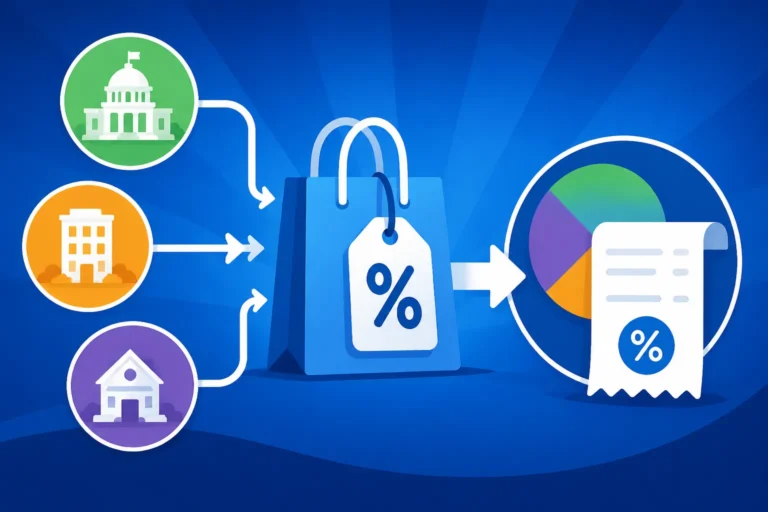
Let's break it down. Every state that imposes sales tax has a statutory statewide rate. This is the base rate that applies across all transactions within the state, unless specific exemptions apply. For example, California has a base state sales tax rate of 7.25%. Sounds pretty standard, right? But then, on top of that, individual counties, cities, and special taxing districts can impose their own local sales taxes. These local rates are what really start to inflate the final price you pay or collect. Imagine buying something in downtown Los Angeles: you're not just paying the 7.25% state rate; you're also paying a mix of county, city, and district taxes that push the combined rate significantly higher.
This layering effect is precisely why you can't just compare state rates side-by-side and call it a day. A state with a 6% state sales tax might end up having higher actual rates in some areas than a state with a 7% state sales tax, all thanks to those local add-ons. It's the combined rate – state plus all applicable local rates – that truly matters for consumers and businesses alike. Understanding how these layers combine is crucial for anyone trying to navigate the complexities of sales tax. For a deeper dive, check out our guide on how Combined State + Local Sales Tax Rates Explained.
The Impact of District Taxes
Beyond just county and city taxes, many areas also have what are known as "district taxes." These are often imposed by specific local entities to fund particular projects or services, such as public transportation, schools, or special economic development zones. California is a classic example of this, with numerous California District Taxes Explained adding to the complexity. For instance, in areas like Alameda County or Los Angeles County, you might see district taxes specifically for transportation infrastructure or open space preservation.
These district taxes, while serving important local needs, add another layer of complexity. They often apply only within very specific geographical boundaries, sometimes even within a single ZIP code or a small part of a city. This means that two businesses just a few blocks apart could be subject to different sales tax rates if one falls within a special district and the other doesn't. For online sellers, this presents a significant challenge: accurately identifying which district taxes apply based on a customer's exact address is paramount, and generic ZIP code lookups often aren't sufficient, as we explore in Sales Tax by ZIP Code (and Why ZIP Isn't Enough). The varying nature and specific application of these district taxes are a major reason why pinpointing "the highest sales tax" isn't a straightforward task; it's highly dependent on the precise location of the transaction.
Identifying States with the Highest Combined Sales Tax Rates
When we talk about the "highest" sales tax, we're really looking at the states where the combination of state and local taxes results in the highest average burden on consumers. It's not about the highest theoretical rate in one obscure corner of a state, but rather where the cumulative effect is most felt across the general population or within significant commercial hubs. This is where states with aggressive local taxing authority really stand out.
The Usual Suspects: Louisiana and Tennessee
Based on average combined state and local sales tax rates, two states consistently find themselves at the top (or bottom, depending on your perspective) of the list: Louisiana and Tennessee.
Louisiana, for instance, frequently takes the crown for having the highest average combined state and local sales tax rate in the entire nation. While its state sales tax rate itself is 4.45%, it allows for extensive local taxes at the parish and city levels. These local taxes can be incredibly high, often adding another 5% to 7% on top of the state rate, leading to combined rates that can easily exceed 10%. Just imagine: a $100 purchase could incur over $10 in sales tax in some parishes. The complexity of Louisiana Parish Sales Tax Complexity is legendary among tax professionals, with over 300 different sales tax jurisdictions, each with its own rules and rates. This fragmentation means that trying to figure out the exact sales tax for a transaction in Louisiana without specialized tools is a significant headache for businesses.
Tennessee is another state that consistently ranks high in average combined rates. With a state sales tax rate of 7%, it already has one of the highest state rates in the country among states that collect sales tax. But then, cities and counties in Tennessee can add their own local sales taxes, typically ranging from 2.25% to 2.75%. This often pushes the combined rate into the 9.25% to 9.75% range for many parts of the state. So, while you might think of a state with a 7% rate as high, when you consider the local additions, it becomes one of the highest overall. Our detailed look into the Tennessee Sales Tax Rate (7% + Local) further illustrates this point.
Other High-Rate Jurisdictions: Washington, Alabama, and Arkansas
While Louisiana and Tennessee often grab the headlines for their high average combined rates, several other states also impose significant sales tax burdens due to their local components.
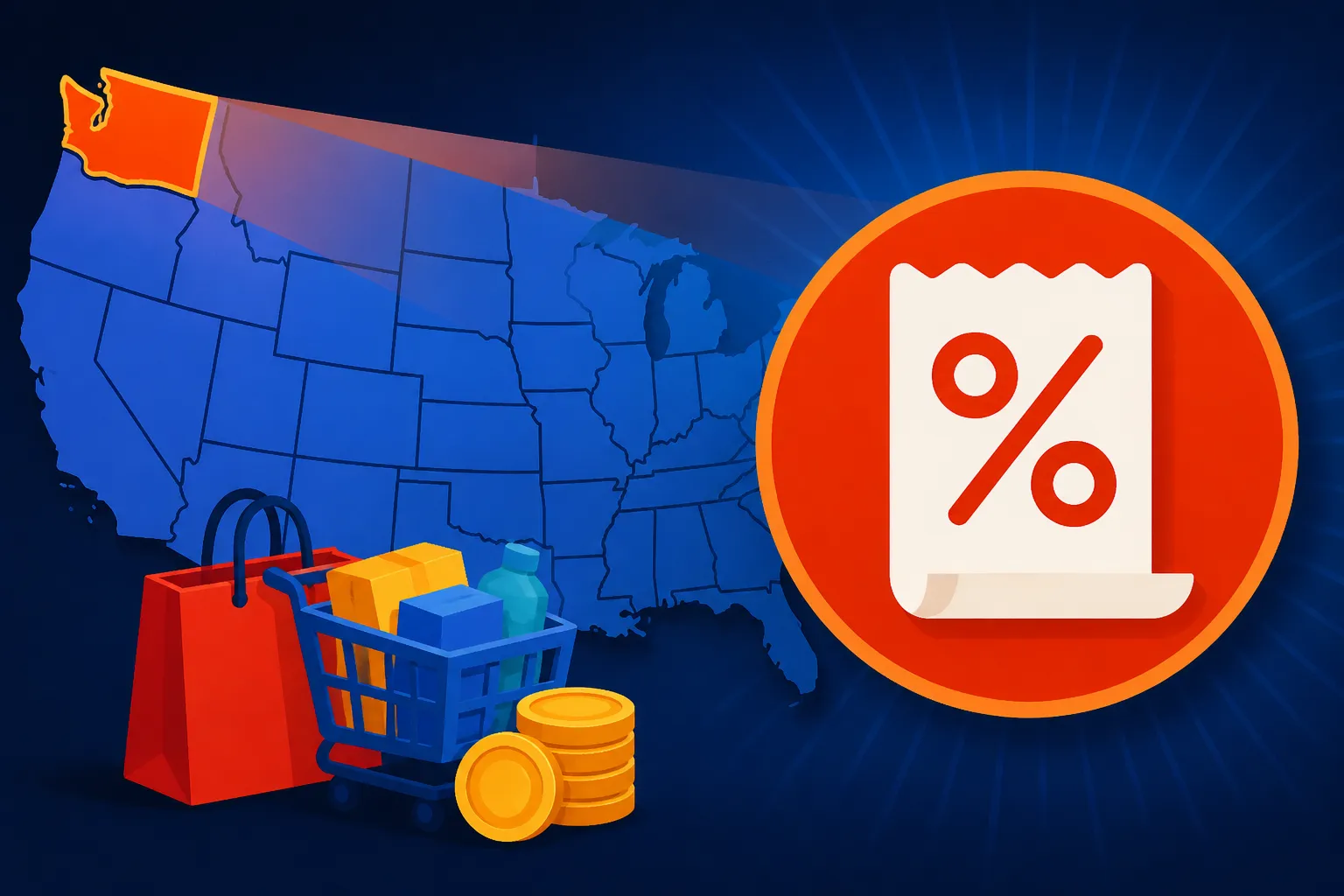
Washington State, for example, has a state sales tax rate of 6.5%, but its local rates can be quite substantial. Cities like Seattle often see combined rates exceeding 10%. The Washington Sales Tax Rate Explained article details how various municipal and county-level taxes, especially those for public transportation and regional services, contribute to these high figures. This means that a seemingly moderate state rate can balloon into one of the nation's highest in urban areas.
Alabama is another state notorious for its high local sales taxes. While the state sales tax rate is a relatively low 4%, Alabama grants extensive authority to its local governments – counties and cities – to impose their own sales taxes. And they certainly do! It's not uncommon to find local rates of 5%, 6%, or even 7% in various jurisdictions, leading to combined rates that frequently hit 9% or 10% in some areas. The sheer number of taxing jurisdictions in Alabama, often exceeding 200, makes compliance a significant challenge for businesses. These nuances highlight why it's not enough to simply know the statewide rate; you need to understand the full picture of Alabama Local Sales Tax (200+ Jurisdictions) to grasp the true sales tax landscape.
Arkansas rounds out this list, with a state sales tax rate of 6.5%. Similar to the other states mentioned, Arkansas allows local jurisdictions to levy additional sales taxes. These local rates can add another 0.5% to 6% to the state rate, often pushing combined rates well over 10% in some cities and counties. This demonstrates a common pattern: states with moderate-to-high state rates, combined with strong local taxing authority, inevitably lead to some of the highest combined sales tax rates in the country.
A Look at the Top Offenders
To truly understand which states have the highest sales tax, we need to consider the average combined rate, which includes both the state and local components. This table provides a snapshot of states that consistently appear at the top of lists for highest average combined sales tax rates, reflecting the significant impact of local taxes.
| State | State Sales Tax Rate | Average Local Sales Tax Rate (Estimated) | Average Combined Sales Tax Rate | Highest Reported City/County Rate (Example) |
|---|---|---|---|---|
| Louisiana | 4.45% | 5.5% – 6.5% | 9.45% – 10.95% | 11.45% (Some Parishes/Cities) |
| Tennessee | 7.00% | 2.5% – 2.75% | 9.50% – 9.75% | 9.75% (Many Counties) |
| Arkansas | 6.50% | 2.0% – 4.0% | 8.50% – 10.50% | 11.625% (Texarkana) |
| Washington | 6.50% | 2.0% – 4.0% | 8.50% – 10.50% | 10.55% (Seattle) |
| Alabama | 4.00% | 5.0% – 6.0% | 9.00% – 10.00% | 11.5% (Many Cities/Counties) |
| Oklahoma | 4.50% | 4.0% – 6.0% | 8.50% – 10.50% | 11.5% (Some Cities) |
| Kansas | 6.50% | 2.0% – 4.0% | 8.50% – 10.50% | 10.75% (Many Cities) |
Note: These are average combined rates and highest examples; actual rates vary widely by specific location within each state. Rates are subject to change.
This table clearly illustrates that states like Louisiana, Tennessee, and Arkansas, despite varying state rates, lead the pack when it comes to the overall sales tax burden due to significant local additions. For more comprehensive information, our guide on the Highest & Lowest Sales Tax States 2026 offers a detailed comparison.
Why Sales Tax Varies So Widely Across States and Even Cities
It's truly bewildering how much sales tax can differ not just from one state to another, but even within different cities or counties in the same state. This isn't just arbitrary; there are fundamental reasons behind this wild variation, rooted in how local governments are structured and funded. It’s enough to make any business owner scratch their head and ask, "Why can't this just be simpler?"
The Home-Rule Phenomenon
One of the biggest drivers of sales tax variation, especially within a single state, is what's known as "home-rule" authority. In states like Colorado, for instance, many cities have significant autonomy to establish their own tax structures, including sales tax rates, independently of the county or even the state. This means that cities can essentially set their own sales tax rates, defining what's taxable and what's exempt, as long as it doesn't conflict with state law. Our article on Colorado Home-Rule Cities Sales Tax explains this in detail.
The result of home-rule is a patchwork quilt of different sales tax rates and rules within the same state. You could be in one city in Colorado, say Denver, paying one combined rate, and then drive just a few miles down the road to a neighboring city like Aurora and find a completely different rate. For businesses, especially those operating online or across different localities, this creates an enormous compliance challenge. Keeping track of hundreds, if not thousands, of distinct local tax rates and their specific boundaries is a monumental task that can quickly overwhelm even the most diligent teams.
Funding Local Services
The primary reason local sales taxes exist and vary so much is straightforward: local governments need funding to provide essential public services. Think about it – schools, police and fire departments, road maintenance, parks, libraries, and local infrastructure projects all require substantial budgets. While property taxes are a major source of revenue for many localities, sales taxes offer another, often more immediate, stream of income directly tied to local commerce.
When a city or county decides it needs to fund a new initiative, like expanding public transit or upgrading water systems, imposing a local sales tax increase is a common method to generate the necessary funds. This means that the specific needs and priorities of each individual community can directly influence its sales tax rate. A rapidly growing city might impose higher sales taxes to build new schools and expand services, while a more established community with less infrastructure development might have lower rates. This decentralized approach to funding leads to the highly localized and variable sales tax rates that perplex so many people and businesses. This is precisely Why Is Sales Tax Different in Every City? across the country.
The Challenge for Businesses
For businesses, particularly those operating across state lines or with a significant online presence, this complexity isn't just an academic curiosity; it's a huge operational hurdle. Imagine a small e-commerce seller based in Florida, suddenly realizing they've established sales tax nexus in a high-rate state like Louisiana due to exceeding the economic nexus threshold. They now need to collect, remit, and file sales tax for every transaction into that state, not just at the state level, but at the parish and city level too.
This means constantly monitoring the exact sales tax rate for every customer's address, which can change frequently. Manually looking up rates for every single transaction is simply not feasible for most businesses. This is where automation becomes not just helpful, but absolutely essential. Tools designed for sales tax compliance can automatically calculate the correct rate at the point of sale, manage exemptions, and even help with filing returns. Leading solutions like Avalara are specifically built to handle this intricate web of rules and rates, making it possible for businesses to remain compliant without needing a dedicated team of sales tax experts.
Practical Strategies for Navigating High Sales Tax Environments
Dealing with high and variable sales tax rates can feel daunting, but there are concrete strategies you can employ, whether you're a consumer trying to budget or a business owner striving for compliance. It's all about equipping yourself with the right information and the right tools.
Researching Specific Locations
For consumers, if you're planning a major purchase or trying to understand your local tax burden, don't just search for "sales tax in [State Name]." Instead, get specific. Look up the sales tax rate for your exact city, and if possible, your specific ZIP+4 code. Remember, district taxes can change the rate dramatically even within a single ZIP code. Many state tax departments offer online lookup tools where you can input an address to find the precise combined rate. This level of detail is crucial for making informed financial decisions, especially in states with notoriously high local add-ons.
For businesses, the need for precision is even greater. Your point-of-sale system or e-commerce platform needs to be able to determine the exact sales tax rate based on the customer's shipping address. Relying on county-level or even city-level data alone can lead to under-collection (meaning you owe the difference) or over-collection (leading to customer complaints). It’s about leveraging technology to get hyper-local, ensuring you're collecting the correct amount for every single transaction.
Leveraging Sales Tax Lookup Tools
Given the intricate nature of sales tax, especially in states with high combined rates and numerous local jurisdictions, relying on manual processes or generic rate tables is a recipe for errors. This is where dedicated sales tax lookup tools and compliance software become invaluable. These systems are designed to constantly update and maintain databases of millions of sales tax rates across all jurisdictions, including state, county, city, and special district taxes. They can calculate the exact rate in real-time based on a customer's precise address, often down to the street level.
For businesses, integrating such a solution into your e-commerce platform or ERP system can automate the entire sales tax process, from calculation at checkout to remittance and filing. Companies like Avalara specialize in this, providing robust platforms that handle the complexities of sales tax compliance, ensuring businesses collect the right amount, regardless of where their customers are located. These tools also help manage exemption certificates and maintain audit trails, freeing up valuable time and resources that would otherwise be spent wrestling with tax tables and government websites. Investing in reliable sales tax automation is often a non-negotiable step for businesses seeking to thrive in a multi-jurisdictional sales tax environment. When considering your options, our comparison of Sales Tax Rate Lookup Tools Compared can help guide your decision.
Staying Informed About Rate Changes
The world of sales tax is anything but static. Rates, rules, and taxability definitions are constantly in flux, driven by legislative changes, local ballot initiatives, and economic shifts. Just because a state has a certain rate today doesn't mean it will be the same next year, or even next quarter. For instance, we've seen significant changes to 2026 Sales Tax Rate Changes by State in various jurisdictions in recent years. States and local governments regularly adjust their tax rates, introduce new district taxes, or sunset old ones.
For consumers, this means occasionally checking the sales tax rates in areas where you frequently shop or plan large purchases. For businesses, however, staying informed is a critical compliance task. You need a system in place to track these changes across all jurisdictions where you have nexus. This could involve subscribing to tax news alerts, regularly checking state tax department websites, or, more effectively, relying on automated sales tax software that updates rates in real-time. Failure to adapt to rate changes can lead to incorrect collections, resulting in either under-remittance (and potential penalties) or over-collection (and customer dissatisfaction). Proactive monitoring is key to navigating the ever-evolving sales tax landscape successfully.
Disclaimer
Please remember that sales tax laws are constantly changing and can be incredibly complex. The information provided in this article is for general informational purposes only and does not constitute professional tax advice. Always consult with a qualified tax professional or the relevant state tax authority for advice tailored to your specific situation.