Orange County Sales Tax Rate
Navigating sales tax rates can feel like deciphering a secret code, especially when you're trying to figure out the exact percentage for a place as diverse as Orange County, California. It’s not just one static number across the entire county, which can be incredibly frustrating for both local businesses trying to charge correctly and consumers wondering why their receipt looks different depending on where they shop. This guide will cut through the confusion, explaining how Orange County sales tax rates are determined, why they vary, and how you can pinpoint the precise rate for any location within its borders.
The Nuances of Sales Tax in Orange County, California
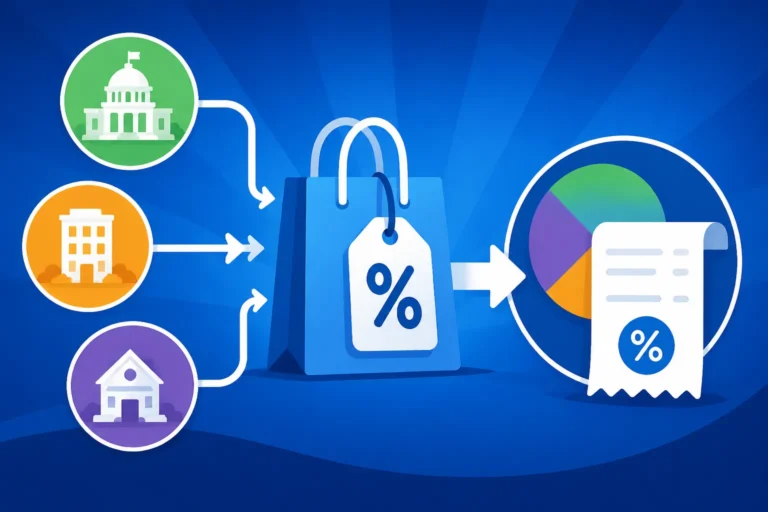
When we talk about the Orange County sales tax rate, it’s easy to assume there’s a single, unified number that applies everywhere. However, the reality is far more complex. California's sales tax system is a multi-layered cake, with different governmental entities adding their slice to the total. Understanding these layers is the first step to making sense of your sales tax obligations or charges.
The California State Base Rate
Every single sales transaction in Orange County starts with the statewide sales tax rate. As of 2026, the base statewide sales tax rate in California is 7.25%. This isn't just one tax; it’s actually a combination of several taxes that apply uniformly across all California counties and cities. This base rate includes the actual state sales tax, plus a mandatory statewide local add-on that helps fund county transportation and public safety.
For instance, if you buy a widget for $100 in San Clemente, Laguna Beach, or Anaheim, the first $7.25 of sales tax goes directly to these statewide and county-wide components. This foundational rate is consistent, so regardless of your specific city in Orange County, this 7.25% will always be part of the equation. You can learn more about how this works generally in our comprehensive guide on California Sales Tax Rate (7.25% Base + Districts). This base is what anchors all other local variations that you see across the state and specifically within Orange County.
District Sales Taxes in Orange County
Here's where things get really interesting and often confusing. On top of the 7.25% state base rate, many cities and specific districts within Orange County levy their own additional sales taxes. These are known as "district taxes" and they can push the combined sales tax rate higher, often by half a percent, a full percent, or even more. These district taxes are typically enacted to fund specific local initiatives, like public transportation projects, infrastructure improvements, or local services.
For example, a city might pass a measure to fund a new park or road construction, and that funding comes from a small addition to the sales tax within that city's boundaries. These districts can be city-wide, but sometimes they can be even more granular, affecting only specific areas or corridors. This is why you might find that the sales tax in one Orange County city, like Santa Ana, is different from a neighboring city, such as Irvine, even though they're just a few miles apart. The impact of these local additions means that the "Orange County sales tax rate" isn't a single number but a dynamic range of rates depending on the exact address of the transaction. For a deeper dive, check out our article on California District Taxes Explained.
Why Pinpointing Your Exact Orange County Sales Tax Rate is Tricky
You might think that knowing the city or even the county is enough to get your sales tax rate, but in a place like Orange County, that's often not the case. The patchwork of district taxes creates a landscape where precision is paramount, and relying on general information can lead to costly errors for businesses and unexpected charges for consumers.
Why ZIP Codes Aren't Enough
Many people default to using ZIP codes to find sales tax rates, and while this might offer a quick estimate, it's almost never accurate enough for precise sales tax calculation. The reason is simple: sales tax boundaries very rarely align perfectly with ZIP code boundaries. A single ZIP code can often straddle multiple taxing jurisdictions, meaning different parts of the same ZIP code could have completely different sales tax rates.
Imagine a ZIP code that covers parts of two different cities, or a city that has enacted a district tax that doesn't quite cover its entire municipal boundary. If you rely solely on a ZIP code, you might apply the wrong rate to a sale, either overcharging a customer (and facing complaints) or, more critically, undercharging and owing the difference to the state yourself. This is why our guide on Sales Tax by ZIP Code (and Why ZIP Isn't Enough) stresses the importance of more accurate lookup methods. This mismatch is a significant pain point for businesses operating in complex areas like Orange County.
Using Address-Specific Lookups
To truly get the correct sales tax rate for any location in Orange County, you absolutely need an address-specific lookup tool. These tools use precise geolocation data to determine which specific taxing jurisdictions — state, county, city, and any special districts — apply to a given address. This level of detail is critical because, as we've discussed, even across the street could mean a different district tax.
For businesses, this isn't just about accuracy; it's about compliance. Trying to manually track every single district tax change across Orange County's many cities and special districts would be a full-time job. That's why many businesses turn to sales tax compliance software, such as those offered by companies like Avalara. Solutions like Avalara use robust databases and precise geocoding to automatically apply the correct sales tax rate based on the customer's exact street address. This automation ensures that whether a transaction occurs in Fountain Valley or San Juan Capistrano, the correct rate is applied, reducing errors and saving businesses immense amounts of time. Utilizing such tools is a smart move for anyone doing significant sales in such a fragmented tax environment.
Exploring Sales Tax Rates Across Specific Orange County Cities and Districts
The variability of sales tax rates within Orange County is best illustrated by looking at some specific cities. While the 7.25% state rate is constant, the additions from local district taxes create a diverse range of combined rates.
Notable City Rates and Their Components
Let's take a look at a few examples of cities in Orange County to show how these rates can differ. Keep in mind that these rates can change, so always verify the most current information. You can often find up-to-date information on the California Department of Tax and Fee Administration (CDTFA) website or through a reliable sales tax lookup tool.
- Anaheim: As a major city with a significant population and tourist attractions, Anaheim often has district taxes in place. For instance, Anaheim might have a combined rate that includes the 7.25% state rate plus a 1% district tax for specific local funding, bringing its combined rate to 8.25%. This extra percentage helps fund local services that residents and visitors alike benefit from.
- Irvine: Known for its master-planned communities and business parks, Irvine might have a different set of district taxes. Perhaps they have a 0.5% district tax, making their combined rate 7.75%. This is a common scenario where neighboring cities prioritize different local initiatives, leading to slightly varying sales tax burdens.
- Santa Ana: As the county seat, Santa Ana often has its own set of local measures impacting the sales tax. A specific district tax here could be 1.5%, pushing the total combined rate to 8.75%. These differences, sometimes just a fraction of a percent, add up quickly on larger purchases, and demonstrate why relying on a general "Orange County" rate is insufficient.
- Huntington Beach: Known for its iconic pier and surfing culture, Huntington Beach might have yet another combination. If they have a 1% district tax, their combined rate would be 8.25%. This rate variability makes the job of retailers who operate in multiple Orange County cities particularly challenging.
Here’s a simplified table illustrating how these combined rates might look, based on the hypothetical district taxes mentioned above. Please remember that these are illustrative examples and actual rates can vary and change. Always consult an official source or a current sales tax lookup tool for the most accurate rates.
| City in Orange County | California State Rate | Hypothetical District Tax | Combined Sales Tax Rate |
|---|---|---|---|
| Anaheim | 7.25% | 1.00% | 8.25% |
| Irvine | 7.25% | 0.50% | 7.75% |
| Santa Ana | 7.25% | 1.50% | 8.75% |
| Huntington Beach | 7.25% | 1.00% | 8.25% |
This table clearly shows that there isn't one single "Orange County Sales Tax Rate," but rather a collection of rates influenced by specific local district taxes. This is a perfect illustration of Why Is Sales Tax Different in Every City?.
The Impact of Local Initiatives
The reason these rates fluctuate and differ so much comes down to local control and the need for funding various municipal services. Cities and special districts within Orange County often propose local ballot measures that, if approved by voters, enact or modify these district sales taxes. These initiatives can be for anything from funding fire departments and police services to improving parks or building new public infrastructure.
The process of proposing and passing these measures means that sales tax rates in specific areas of Orange County are not static. They can change every few years as new needs arise or old funding measures expire. Businesses, therefore, need to stay incredibly vigilant about monitoring these changes. Keeping up with How Do Sales Tax Rate Changes Take Effect? is crucial for compliance. It’s not just about knowing the current rate, but also anticipating when and where new changes might occur. For businesses, relying on a system that automatically updates these rates, like a robust sales tax compliance platform, becomes less of a luxury and more of a necessity to avoid penalties.
Compliance and Calculation: Navigating Orange County's Sales Tax Landscape
For anyone doing business in Orange County, or even just shopping there, understanding the sales tax environment is key. It impacts pricing, budgeting, and, most importantly, legal compliance. This dynamic landscape requires careful attention to detail, whether you're a small online seller or a brick-and-mortar retailer with multiple locations.
For Local Businesses
If you operate a business in Orange County, collecting and remitting the correct sales tax isn't just good practice; it's a legal obligation. Failing to charge the right amount can lead to audits, penalties, and interest charges from the CDTFA. The primary challenge is accurately identifying the correct rate for every single transaction, considering the layers of state and district taxes. This isn't always as simple as glancing at a single city rate.
Local businesses need to ensure their point-of-sale (POS) systems or e-commerce platforms are set up to calculate sales tax based on the exact location of the sale (or destination, depending on sourcing rules). For instance, a hardware store in Laguna Niguel needs to apply the specific combined rate for Laguna Niguel, not just a general Orange County average. This becomes even more complex if a business has multiple locations or offers delivery services across different cities within the county. Making sure your systems are up-to-date and correctly configured is paramount to avoiding errors. For growing businesses, knowing when and where you need to collect tax is tied to understanding Sales Tax Nexus Explained (Physical vs Economic). This complexity is why many small and large businesses find significant value in Sales Tax Automation: Is It Worth It?, as it helps streamline these intricate calculations.
For Online Shoppers and Out-of-State Sellers
The rise of e-commerce has added another layer of complexity to sales tax in Orange County. For online shoppers, the sales tax charged on their purchase is determined by the destination of the goods – meaning, where the item is shipped to. If you're having something shipped to your home in Mission Viejo, the sales tax rate for that specific address in Mission Viejo will apply. This isn't based on where the seller is located, but rather where the product ends up. Our article on Is Sales Tax Based on Billing or Shipping Address? delves deeper into these sourcing rules.
For out-of-state sellers, the rules around collecting sales tax in California, including Orange County, largely depend on whether they have "economic nexus" in the state. Thanks to the South Dakota v. Wayfair Supreme Court decision, even if an online seller doesn't have a physical presence in California, they may still be required to collect sales tax if their sales into the state exceed certain thresholds. Currently, California's economic nexus threshold is $500,000 in gross sales within the state in the current or preceding calendar year. If an out-of-state seller crosses this threshold, they would need to register with the CDTFA and collect the appropriate sales tax for all sales delivered to California, including those to Orange County. You can learn more about this threshold in our article on Economic Nexus Threshold in California ($500k). Managing these obligations without the right tools can be overwhelming, making solutions like Avalara's tax compliance platform invaluable for ensuring correct calculations and filings. These platforms are often considered among the Best Sales Tax Compliance Software 2027 for their ability to handle dynamic rates and nexus requirements.
How to Calculate Sales Tax on a Purchase in Orange County
Calculating sales tax in Orange County involves a straightforward process once you have the correct combined rate for your specific location.
-
Determine the Taxable Price: This is the selling price of the item or service before sales tax. Remember, not all items are taxable (e.g., certain food items, some services).
-
Find the Exact Sales Tax Rate: Use an address-specific lookup tool to get the precise combined sales tax rate for the delivery or sales location within Orange County. For example, let's say it's 8.25%.
-
Perform the Calculation: Multiply the taxable price by the sales tax rate.
- Example: If you purchase a taxable item for $50 in Anaheim with a combined rate of 8.25%:
- Sales Tax Amount = $50 (Taxable Price) * 0.0825 (Sales Tax Rate) = $4.13
- Total Price = $50 + $4.13 = $54.13
- Example: If you purchase a taxable item for $50 in Anaheim with a combined rate of 8.25%:
This is a simplified version of How to Calculate Sales Tax (Step by Step), but the key takeaway is that getting that exact local rate for Orange County is the make-or-break step. For businesses, this calculation needs to happen automatically and accurately for every transaction. Trying to manually maintain a spreadsheet of all Orange County rates and their effective dates is a recipe for compliance headaches.
Disclaimer
The information provided in this article is for general guidance and informational purposes only and does not constitute professional tax advice. Sales tax laws and rates are subject to change by state and local authorities. Always consult with a qualified tax professional or refer to official state government resources for the most current and accurate information regarding your specific sales tax obligations.