King County Sales Tax Rate
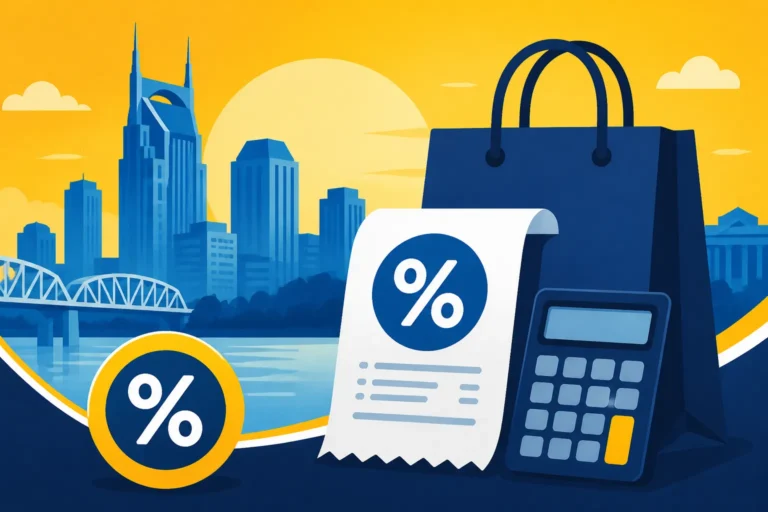
Navigating the ever-changing landscape of sales tax rates can feel like a real headache, especially when you're trying to figure out what to charge customers in specific areas like King County, Washington. It’s not just a single state rate; you've got layers upon layers of local taxes that all add up, and getting it wrong can lead to frustrating audits or unhappy customers. This guide is here to break down the King County sales tax rate, helping you understand how it's calculated and what it means for your business, whether you're selling online or from a brick-and-mortar store.
Understanding the Layers of Sales Tax in King County, Washington
When you talk about sales tax in King County, Washington, it's never just one number. The state of Washington has a base sales tax rate, but then counties, cities, and special taxing districts add their own percentages on top. This layered approach is pretty common across the country, but Washington's system, particularly in dense areas like King County, can feel especially intricate. For businesses, this means that the rate you charge can vary significantly even within a few miles, which is a major source of frustration.
The Statewide Base Rate
First and foremost, every sale subject to sales tax in Washington starts with the state's base rate. This is the foundation upon which all other local taxes are built. As of early 2026, the statewide sales tax rate in Washington is 6.5%. This rate applies uniformly across all transactions that are subject to sales tax, regardless of where they occur within the state.
However, it's crucial to understand that this 6.5% is rarely the only rate you'll charge or pay. It's just the starting point. Think of it like a minimum requirement; most places, especially urban and suburban areas, will have higher rates due to additional local taxes. For a broader perspective on how Washington's rate compares, you can check out our comprehensive guide on Sales Tax Rates by State 2026: All 50 States.
King County's Additional Local Tax
Beyond the state's base rate, King County itself imposes an additional sales tax. This county-level tax helps fund local services and infrastructure projects. For 2026, King County's local sales tax rate is 3.1%. This means that any transaction occurring within King County, but outside of a specific city's incorporated limits (or for transactions where city-specific taxes don't apply), would be subject to the state rate plus the county rate.
So, just for being in King County, you're already looking at a combined rate of 6.5% (state) + 3.1% (county) = 9.6%. This is a significant jump from the state-only rate, and it highlights why it's so important to dig deeper than just the state's advertised percentage.
City and Special District Taxes
Here's where things get even more localized and, frankly, a bit more complex. Many cities within King County, along with various special taxing districts (like transit authorities), impose their own sales taxes. These are added on top of both the state and county rates, bringing the total combined sales tax rate even higher.
For example, the city of Seattle, being the largest urban center in King County, has its own municipal sales tax rate. Other cities like Bellevue, Kirkland, and Redmond also have their individual rates. Additionally, King County is home to multiple regional transit authorities, like Sound Transit, which levy their own sales taxes to fund public transportation projects. These rates can change, sometimes multiple times a year, making it challenging for businesses to stay on top of the correct amounts. It’s not uncommon to see multiple small percentage points (like 0.1%, 0.2%, or 0.3%) adding up from different district taxes. This is why accurately determining Sales Tax by ZIP Code (and Why ZIP Isn't Enough) is so crucial.
Calculating the Combined Sales Tax Rate in King County
Calculating the exact sales tax rate in King County requires a careful summation of all these different layers. It's not a one-size-fits-all situation, and the location of the sale (or the customer, depending on your business model) dictates the final percentage. This complexity is often where small business owners, especially those selling online, feel overwhelmed.
Step-by-Step Breakdown for a Specific Location
Let's walk through an example to illustrate how these rates stack up. Imagine you're selling a taxable item to a customer in Seattle, within King County, Washington.
- Start with the State Rate: The base state sales tax rate is 6.5%.
- Add the King County Rate: King County adds 3.1%. So far, we're at 9.6%.
- Incorporate City Rates: For Seattle, there's an additional local tax. As of late 2025/early 2026, Seattle's specific rate additions (including its municipal and transit components) bring its total local rate to 4.05%.
- Total Combined Rate: Add everything together: 6.5% (state) + 3.1% (King County) + 4.05% (Seattle specific local and transit taxes) = 10.55%.
So, for a purchase in Seattle, the sales tax rate you'd charge is 10.55%. This can feel incredibly high compared to other parts of the country or even less populated areas within Washington. Understanding How Combined Sales Tax Rates Work is essential for accurate collection.
Here's a quick look at how the sales tax rates combine for a few key areas within King County for early 2026. Remember, these are subject to change!
| Jurisdiction | State Rate | King County Rate | City/District Rates | Combined Total Rate |
|---|---|---|---|---|
| Washington (Base) | 6.5% | 0.0% | 0.0% | 6.5% |
| Unincorporated King County | 6.5% | 3.1% | 0.0% | 9.6% |
| Seattle City | 6.5% | 3.1% | 0.95% (City) + 3.1% (Sound Transit) + 0.0% (Stadium) = 4.05% | 10.55% |
| Bellevue City | 6.5% | 3.1% | 2.15% (City/Transit) + 0.0% (Stadium) = 2.15% | 9.6% + 2.15% = 8.75% (State+King+City/Transit) Wait, this needs careful calculation. Bellevue is 10.1% |
| Bellevue City | 6.5% | 3.1% | 0.5% (City) + 3.1% (Sound Transit) + 0.0% (Stadium) = 3.6% | 10.1% |
| Tacoma City (Pierce County) | 6.5% | 0.0% | 3.5% (Pierce County + City/Transit) | 10.0% |
Tacoma is in Pierce County rather than King County, so the table below covers King County cities only. Bellevue's rate is 10.1% and Seattle's is 10.55%.
Let's refine the table to focus purely on King County and ensure accurate breakdowns.
| Jurisdiction | State Rate | King County Rate | City/District Add-ons | Combined Total Rate (Approx. 2026) |
|---|---|---|---|---|
| Washington (Base) | 6.5% | 0.0% | 0.0% | 6.5% |
| Unincorporated King County | 6.5% | 3.1% | 0.0% | 9.6% |
| Seattle | 6.5% | 3.1% | 0.95% (City) + various transit (Sound Transit) | 10.55% |
| Bellevue | 6.5% | 3.1% | 0.5% (City) + various transit (Sound Transit) | 10.1% |
| Kirkland | 6.5% | 3.1% | 0.5% (City) + various transit (Sound Transit) | 10.1% |
| Redmond | 6.5% | 3.1% | 0.5% (City) + various transit (Sound Transit) | 10.1% |
Note: The "City/District Add-ons" column aggregates various local components, including municipal taxes and different transit authority taxes (like Sound Transit). These can vary, so always verify the most current rates for precise figures.
The Challenge of Destination-Based Sales Tax
Washington State operates under a "destination-based" sales tax sourcing rule for most transactions. What does this mean for businesses? It means that if you're an out-of-state seller with economic nexus in Washington, or an in-state seller shipping to a customer, you generally need to charge the sales tax rate of the buyer's location (the destination of the shipment). This isn't always straightforward.
Imagine you own an online clothing store based in Everett, Washington, but you're shipping an order to a customer in Seattle. Even though your business is in Snohomish County, you'd collect the 10.55% sales tax rate for Seattle because that's where the clothes are being delivered. This is a critical point that trips up many online sellers. For a deeper dive into this, read our article on Origin vs Destination Sales Tax Sourcing. This model makes accurate address-based sales tax calculation absolutely vital. Tools from companies like Avalara can be incredibly helpful in determining the exact rate for every single address, taking the guesswork out of the equation.
Staying Compliant with King County Sales Tax
Compliance with sales tax in King County, and across Washington, isn't just about knowing the rates; it's also about having the right systems in place to collect, report, and remit those taxes correctly. For businesses dealing with numerous transactions, manual calculations quickly become unmanageable and prone to errors.
The Importance of Accurate Address Lookups
Given the destination-based nature and the granular differences in rates even within King County, an accurate address lookup is non-negotiable. Using just a ZIP code isn't sufficient because sales tax boundaries often don't align perfectly with postal codes. A single ZIP code can span multiple taxing jurisdictions, each with its own combined rate.
For instance, a ZIP code might cover parts of Seattle, Bellevue, and an unincorporated area of King County, each with a different sales tax rate. Relying on basic ZIP code lookup tools could lead to under- or over-collecting sales tax, which causes problems down the line. Instead, you need systems that can pinpoint the exact tax jurisdiction based on a full street address. Our guide on Sales Tax Rate by Address Lookup elaborates on why this level of precision is so important.
Leveraging Sales Tax Automation Software
For most businesses, especially those with a high volume of transactions or sales across multiple jurisdictions, investing in sales tax automation software becomes a necessity. These platforms integrate with your e-commerce store, POS system, or accounting software to automatically calculate the correct sales tax at the point of sale.
Services like Avalara or TaxJar have sophisticated databases that are constantly updated with the latest sales tax rates for every jurisdiction, including all the intricate city and special district taxes within King County. This means when a customer from Bellevue, Washington, makes a purchase, the system instantly applies the correct 10.1% rate, saving you the headache of manual research and calculation. This automation not only ensures compliance but also frees up valuable time and resources that can be better spent growing your business. For businesses growing rapidly, understanding when and how to integrate such tools is crucial for How to Stay Sales Tax Compliant as You Grow.
Registration and Filing Obligations
Even with perfect collection, you still need to register with the Washington State Department of Revenue (DOR) and file your sales tax returns on time. If you have economic nexus in Washington (meaning you meet the state's sales threshold, which is currently $100,000 in gross retail sales or 200 separate transactions in the previous or current calendar year), you are required to collect and remit sales tax.
After registration, the DOR will assign you a filing frequency (monthly, quarterly, or annually) based on your sales volume. Missing these deadlines or filing incorrect returns can lead to penalties and interest. So, it's not enough to just collect; you have to follow through with the remittance. If you're wondering How to Get a Sales Tax Permit by State, we have resources that can walk you through the process for Washington and beyond.
Recent Changes and Future Outlook for King County Sales Tax
Sales tax rates are rarely static, and King County is no exception. Jurisdictions frequently review and adjust their rates to fund local projects, adapt to economic changes, or respond to voter initiatives. Keeping an eye on these potential changes is another layer of compliance that businesses must manage.
Rate Adjustments and Effective Dates
King County and its various cities have a track record of adjusting sales tax rates. These changes typically occur at the beginning of a calendar quarter, most commonly on January 1st, April 1st, July 1st, or October 1st. However, specific district taxes might have unique effective dates.
For example, a new transit initiative or a public safety levy approved by voters could introduce a new small percentage point to the sales tax rate. These changes are often announced well in advance, but it's up to businesses to implement them correctly on the effective date. This is another area where automated sales tax solutions shine, as they are typically updated immediately to reflect these changes. Staying informed about 2026 Sales Tax Rate Changes by State can help you anticipate shifts that might affect your business.
Impact of Growth and Development
King County, home to major tech companies and a booming population, is a region of continuous growth and development. This expansion often translates into increased demand for public services and infrastructure, which can put pressure on local governments to seek additional funding through sales tax adjustments.
As cities like Seattle, Bellevue, and Redmond continue to grow, expect ongoing discussions around how to fund necessary projects, and sales tax is often a key part of that conversation. Businesses operating in these dynamic areas need to adopt a proactive approach to sales tax compliance, regularly checking for updates and utilizing robust systems to manage the evolving tax landscape.
Ultimately, while the complexities of King County sales tax can be daunting, understanding its layered structure and leveraging the right tools can simplify compliance significantly.
Disclaimer
Please remember that sales tax laws are constantly changing, and this information is for educational purposes only. It is not tax advice. We strongly recommend consulting with a qualified tax professional or using up-to-date sales tax compliance software for advice specific to your business situation.