Is Coffee Taxable? Prepared vs Grocery
It’s a tale as old as time for coffee lovers: you grab your morning latte, and the sales tax hits differently than when you buy a bag of beans at the grocery store. This common frustration stems from the highly nuanced world of sales tax, where the same product, coffee, can be treated entirely differently depending on how it's prepared, packaged, and purchased. This comprehensive guide will demystify the sales tax rules surrounding your beloved coffee, helping you understand why your espresso shot is taxed, but your coffee grounds often aren't.
The Confounding World of Coffee Sales Tax
Understanding sales tax on coffee might seem like a trivial pursuit, but for businesses, it’s a compliance minefield, and for consumers, it's a source of constant low-level annoyance. The key lies in how different states and localities classify items based on their preparation and intent for immediate consumption. It’s not just coffee; similar rules apply to items like Prepared Food Sales Tax Explained. This distinction is crucial because it often determines whether an item is considered a "food staple" or a "prepared food" or even a "restaurant meal," each category subject to its own unique tax treatment.
The Prepared vs. Unprepared Divide
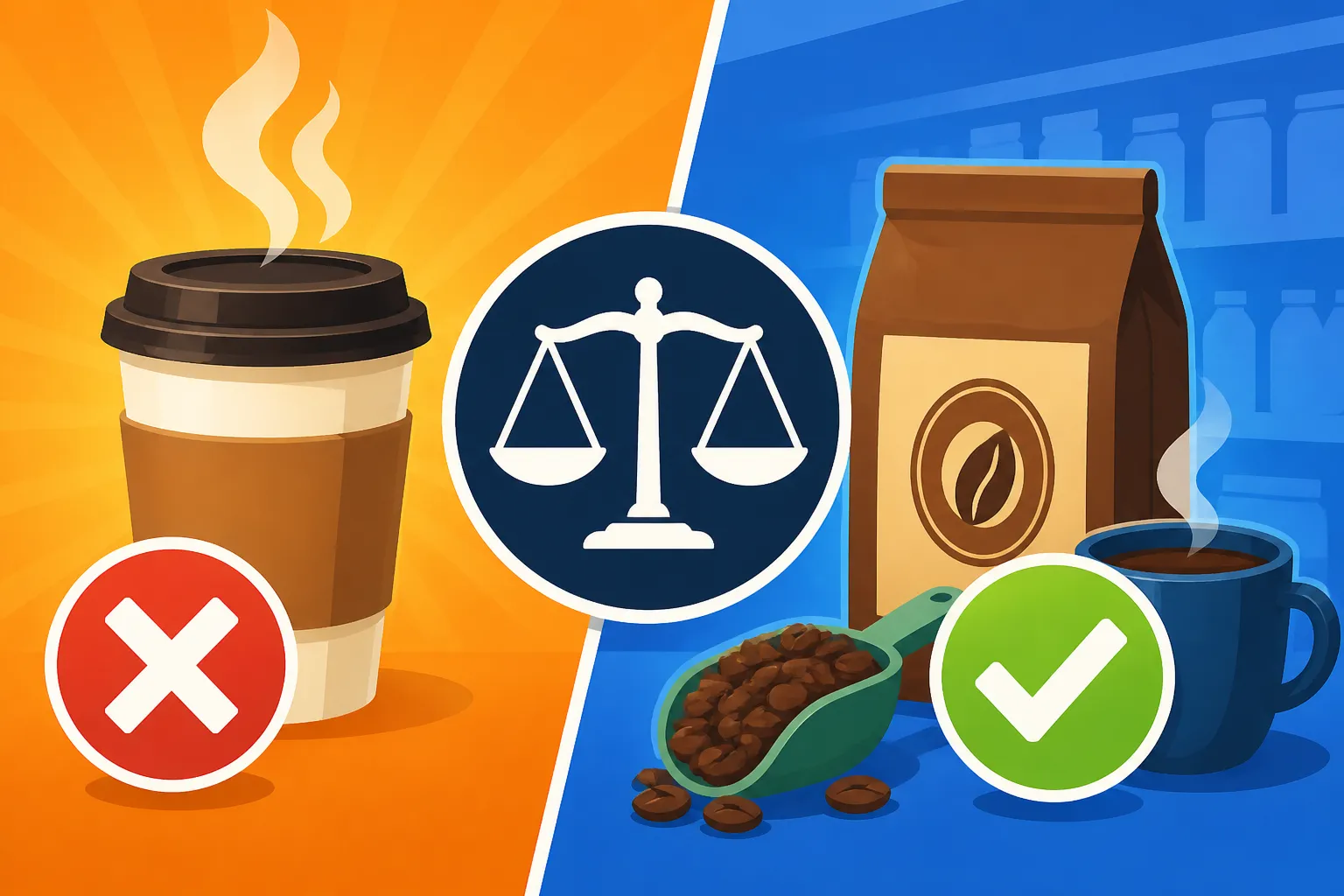
At its core, the sales tax classification of coffee usually boils down to one primary factor: is it prepared for immediate consumption, or is it an ingredient you'll prepare yourself later?
- Prepared Coffee: This category generally includes any coffee item that is ready to drink when purchased. Think of the steaming hot cup of drip coffee from your local cafe, an iced latte, a cappuccino, or a cold brew poured from a tap. These items are typically consumed on the premises or shortly after leaving the establishment. The assumption here is that you're paying not just for the coffee itself, but for the service of preparation, the convenience, and often the disposable cup and lid.
- Unprepared Coffee (Grocery Coffee): This refers to coffee products that require further preparation before consumption. This includes whole bean coffee, ground coffee in bags or cans, instant coffee granules, and even most K-Cup or single-serve pods. When you buy these items, you're essentially purchasing raw materials or ingredients that you will take home and brew yourself. States typically view these as "food ingredients" or "grocery items," which often have different, usually lower or even zero, sales tax rates compared to prepared foods.
Why States Care About Your Coffee Choice
The rationale behind these differing tax treatments is rooted in policy and revenue generation. States aim to tax discretionary spending more heavily than essential groceries. When you buy a bag of coffee beans, it's often considered a grocery staple, akin to flour or sugar, intended for home consumption. Many states provide exemptions or reduced rates for Sales Tax on Groceries & Food by State to ease the burden on household budgets.
However, when you purchase a pre-made coffee beverage from a cafe or restaurant, it's generally seen as a service or a "prepared meal," even if it's just a drink. These transactions are considered more discretionary. For example, grabbing a quick espresso from a drive-thru is often viewed differently from buying a large container of coffee grounds at a supermarket like Safeway or Kroger. This distinction allows states to collect more revenue from convenience-based or luxury purchases, while still supporting the affordability of basic foodstuffs. The definitions can be incredibly specific, with some states even considering the temperature of a beverage or the presence of eating utensils as deciding factors for taxation.
Sales Tax on Prepared Coffee: Your Daily Brew
For many, prepared coffee is an essential part of the daily routine. Whether it's a bustling coffee shop or a quick stop at the convenience store, knowing how sales tax applies can save you from those tiny, surprising charges. This is where the intricacies really start to show, as various factors can shift an item from non-taxable to fully taxable.
Coffee Shop Sales Tax
Walking into your favorite coffee shop, whether it’s a big chain like Starbucks or a cozy local independent cafe, you'll almost certainly pay sales tax on your beverage. This includes everything from a simple black coffee to an elaborate caramel macchiato or a refreshing cold brew. The reason is straightforward: these items are prepared for immediate consumption, often served in a disposable cup, and the establishment is considered a restaurant or food service provider. The tax applies to the entire price of the drink, including any syrups, milk alternatives, or toppings.
For instance, if you're in Seattle, Washington, which has a relatively high combined sales tax rate, that 10.25% (or higher, depending on the exact location) will apply directly to your artisan pour-over. This isn't just for the coffee itself; it’s for the entire prepared product and the service involved in making it. Even if you bring your own reusable mug, the tax status rarely changes because the core transaction is still the sale of a prepared beverage.
Convenience Store Coffee
Convenience stores, gas stations, and even some pharmacies (like CVS or Walgreens) often offer hot coffee, usually from a self-serve dispenser. While these might feel less "fancy" than a cafe, the sales tax treatment is typically the same as prepared coffee from a dedicated coffee shop. If it's hot and ready to drink, it's usually considered a prepared food item. This applies to your morning coffee run at a 7-Eleven or a QuickTrip.
However, there can be some very specific state rules here. Some states might have an exception if the coffee is sold without a cup, or if the customer brews it themselves from a machine within the store (though this is rare for a "hot coffee" designation). Generally, though, if you pour a cup of hot coffee from a carafe or a machine that dispenses ready-made hot coffee, expect to pay sales tax on it, just as you would on a hot dog or a slice of pizza from the same counter.
Restaurant and Cafe Rules
Beyond dedicated coffee shops, many restaurants and cafes serve coffee as part of a meal or as a standalone beverage. In these scenarios, the coffee is almost always subject to sales tax. It falls under the umbrella of "restaurant sales" or "prepared food," which is universally taxable in states that have sales tax. Whether it's a cup of regular coffee with your breakfast at a diner or an after-dinner espresso at a fine dining establishment, the tax will be applied.
This treatment is consistent across most states, solidifying the idea that once food or drink is "prepared" by an establishment for immediate consumption, it is no longer a raw grocery item. This is distinct from, say, buying a can of soda from a vending machine, which might be taxed differently, or a bottle of water from a cooler, which might be tax-exempt in some states. The "prepared" aspect is the key differentiator.
Sales Tax on Grocery Coffee: Brewing at Home
For those who prefer to brew their own coffee at home, the sales tax landscape is generally much friendlier. Most states consider packaged coffee a grocery item, often exempting it or taxing it at a reduced rate. This aligns with broader policies on Sales Tax on Groceries & Food by State, which aim to keep essential food items affordable.
Whole Bean and Ground Coffee
When you head to your local grocery store, like Whole Foods or Target, and pick up a bag of whole bean coffee (whether it's premium artisan beans or a large value pack of Folgers) or a can of pre-ground coffee, it's highly likely that you won't be charged sales tax in most states. Many states classify these items as "food staples" or "unprepared food products" meant for home consumption.
For example, in states like Pennsylvania or Minnesota, where most groceries are exempt from sales tax, whole bean and ground coffee are typically not taxed. Even in states that do tax groceries, the rate is often lower than the general sales tax rate. This makes buying coffee to brew at home a more budget-friendly option from a sales tax perspective, even before you consider the cost savings of not buying daily lattes. Understanding these local variations is crucial for both consumers and businesses, and tools like a Sales Tax Calculator: How to Calculate Sales Tax can be incredibly helpful.
Instant Coffee and K-Cups
The treatment of instant coffee and single-serve pods, like K-Cups, largely follows the rules for whole bean and ground coffee. Despite their convenience, these products are still considered "unprepared" because they require the consumer to add hot water or use a brewing machine at home. You're buying the ingredients, not the finished beverage.
So, when you stock up on Nescafé instant coffee or a box of Keurig pods at your supermarket, you generally won't pay sales tax on them in states that exempt groceries. This is true even if the pods contain flavorings or creamer, as long as they are packaged for home preparation. The key distinction remains: are you doing the final preparation at home, or is the seller providing a ready-to-consume beverage?
Cold Brew Concentrates and Bottled Iced Coffee
This category can sometimes be a bit of a gray area, but for the most part, cold brew concentrates and pre-bottled iced coffee (like those sold in the dairy or refrigerated beverage aisle) are treated similarly to other grocery items. If they are sealed, sold in a multi-serving container, and intended to be consumed over time or diluted at home, they usually fall under the grocery exemption in states that have one.
However, a single-serving, ready-to-drink bottled iced coffee sold chilled from a convenience store cooler might be taxed as a prepared beverage in some jurisdictions, especially if the state has broad definitions of "prepared food" that include cold beverages. It really depends on the specific state's definition. For instance, in New York, while many grocery items are exempt, cold food and drinks sold from an eating establishment can be taxed. It's a fine line that retailers need to understand to ensure they are compliant.
State-Specific Nuances and Exceptions
This is where sales tax gets truly complex, and the seemingly simple question of "Is coffee taxable?" can become a head-scratcher. Each state, and sometimes even local jurisdiction, has its own interpretation of what constitutes "prepared food" versus "grocery items." Understanding these nuances is critical for both businesses and informed consumers. Knowing the Sales Tax Rates by State 2026: All 50 States is just the first step; understanding what those rates apply to is the real challenge.
States with Broad Prepared Food Definitions
Some states cast a wide net when defining prepared food, making more coffee items taxable. For instance, many states consider any food or beverage sold for consumption on the premises, or in a "heated state," as prepared food subject to tax.
Take Texas, for example. While most unprepared food products are exempt, ready-to-eat hot food and beverages are taxable. If a coffee shop sells you a hot coffee, it's taxed. Even a cold brew concentrate could be considered taxable if it's mixed and served for immediate consumption rather than sold as a bottled grocery item. Similarly, states like Washington define prepared foods broadly to include items sold in "ready-to-consume form." This means that your ready-to-drink bottled iced coffee from the chilled section of a convenience store might be taxed, whereas a multi-serving carton of cold brew concentrate in the grocery aisle might not be.
The "Utensil Rule" and "Heating Rule"
Some states rely on very specific criteria to distinguish between prepared and unprepared food, leading to almost comical levels of detail. Two common rules are the "utensil rule" and the "heating rule."
- The Utensil Rule: This rule dictates that if a food or beverage is sold with eating utensils (like a cup, lid, straw, fork, or spoon), it is considered prepared food and is taxable. So, that hot coffee in a disposable cup with a lid? Taxable. If you bought the same coffee beans and brewed them at home, using your own reusable mug, it wouldn't be. This rule is particularly prevalent in states that have adopted parts of the Streamlined Sales and Use Tax Agreement.
- The Heating Rule: If food or beverages are sold in a heated state or heated by the seller, they are generally considered prepared food and are taxable. This is why a hot coffee is almost always taxed, while a bag of cold coffee beans is not. The act of heating by the vendor signifies preparation. This applies even if you then let the coffee cool down; the initial state of sale is what matters. These specific definitions can sometimes lead to confusing situations, such as cold coffee drinks from a refrigerated section being taxed differently than a hot one, even from the same store.
Bundle Deals and Mixed Baskets
What happens when you buy a coffee with other items? This can further complicate sales tax calculations. If a coffee is sold as part of a "bundle" or "meal deal" with other items, the tax treatment can vary.
For example, if you buy a hot coffee and a pre-packaged muffin from a cafe, the coffee is taxable, and the muffin might be too if it's considered prepared food. If you buy a gift basket that includes a bag of coffee beans, a mug, and some cookies, the coffee beans might be exempt if sold separately, but within the basket, the entire package might be taxed as a single, combined item, or the retailer might need to separate the taxable and non-taxable components. This can be particularly tricky for businesses, especially those using complex pricing structures or promotional offers. Proper configuration of a point-of-sale (POS) system is crucial here to ensure accurate taxation.
Use Tax on Coffee Purchases
While sales tax is collected by the seller at the point of purchase, use tax is something the buyer (you!) might owe directly to the state. It usually comes into play when you purchase goods from an out-of-state seller who doesn't collect sales tax, and you bring those goods into your state for use. This concept is explored in detail in Use Tax Explained: What It Is & When You Owe It.
Online Coffee Subscriptions
With the rise of e-commerce, many coffee lovers subscribe to services that deliver fresh beans right to their door. If you're buying unprepared coffee (whole beans or grounds) from an online retailer, whether they charge sales tax depends on a few factors, primarily where the seller has Sales Tax Nexus Explained Physical vs Economic. If the online retailer has economic nexus in your state, they are required to collect sales tax from you. If they don't, they might not charge you sales tax.
This is where use tax comes in. If you purchase coffee beans from an online seller who doesn't collect sales tax, and you live in a state that does impose sales tax on grocery coffee (which is rare but happens, or if it's a cold-brew concentrate that falls into a prepared category), you might technically owe use tax on that purchase. Most states now require online sellers to collect sales tax due to marketplace facilitator laws and economic nexus thresholds, but exceptions still exist.
Reporting Use Tax
For most consumers, reporting use tax on a bag of coffee beans is a rare occurrence, largely because most states exempt grocery items from sales tax anyway. However, for prepared or specialty coffee items purchased online where no sales tax was collected, and you bring them into a state where they would have been taxable if purchased locally, you are technically responsible for self-reporting and paying use tax.
Many state income tax forms include a line for reporting use tax, often allowing you to declare a small amount without detailing every single transaction. For businesses, keeping track of use tax is far more critical, as they regularly purchase goods from out-of-state vendors for their own use that might not be subject to sales tax at the time of purchase. It's an area where many small businesses unknowingly fall short on compliance.
Staying Compliant as a Coffee Seller
For any business selling coffee, whether it's a corner cafe, a grocery store, or an online subscription service, navigating the labyrinth of sales tax is a significant challenge. Getting it wrong can lead to audits, penalties, and unexpected liabilities. Compliance requires diligence, accurate systems, and often, specialized tools. Learning How Combined Sales Tax Rates Work and applying them correctly is a continuous effort.
Accurate Point-of-Sale (POS) Systems
The frontline of sales tax collection for coffee sellers is their Point-of-Sale (POS) system. A robust POS system must be able to differentiate between prepared and unprepared food items, apply the correct state and local tax rates, and handle any specific exemptions or rules (like the utensil or heating rules). For a cafe that sells both a hot coffee (taxable) and a bag of whole beans (potentially exempt), the POS needs to automatically apply the right tax status at checkout.
This isn't always simple, especially for businesses operating in multiple jurisdictions, or even within a single state with varying local rates. For example, a coffee shop with locations in different counties in Florida might face varying county surtax rates on their prepared coffee, even if the state base rate remains 6%. An outdated or improperly configured POS system can lead to consistent under-collection or over-collection of sales tax, which causes problems down the line.
Leveraging Sales Tax Software
Given the complexity, many coffee businesses, especially those operating across state lines or with a high volume of transactions, turn to specialized sales tax compliance software. These platforms automate the process of calculating sales tax at the point of sale, managing exemption certificates, and even filing returns. They constantly update tax rates and rules, which is crucial given how often 2026 Sales Tax Rate Changes by State occur.
One such popular solution is Avalara. Platforms like Avalara integrate with most e-commerce platforms (like Shopify) and POS systems, providing real-time sales tax calculations based on the customer's location and the specific product being sold. For a coffee roaster selling bags of beans online to customers nationwide, such software can automatically determine if sales tax should be collected for each state where they have economic nexus, ensuring they are compliant with various Economic Nexus by State 2026: Thresholds Guide. This greatly reduces the manual burden and potential for error, allowing businesses to focus on what they do best: serving great coffee. When evaluating options, many businesses compare solutions, considering various features to find the Best Sales Tax Compliance Software 2027 for their needs.
Registering for Sales Tax Permits
Before any sales tax can be collected or remitted, businesses must first register for a sales tax permit (sometimes called a seller's permit or certificate of authority) in every state where they have nexus. For a brick-and-mortar coffee shop, this means registering in the state where their physical location is. For an online coffee subscription service, it means registering in any state where they meet the economic nexus thresholds.
The process for How to Get a Sales Tax Permit by State varies by state, but it's a non-negotiable step. Operating without the proper permits can lead to significant penalties, especially if sales tax is collected but not remitted, or if it should have been collected but wasn't. Maintaining these permits and understanding their associated filing frequencies and due dates is an ongoing responsibility that every coffee seller must take seriously. Many businesses consult guides like Sales Tax Registration for Online Sellers to ensure they cover all their bases.
| Coffee Product Category | Example | General Sales Tax Treatment (Most States) | Common Rationale |
|---|---|---|---|
| Prepared Hot Coffee | Drip coffee, latte, espresso from cafe | Taxable (Full Sales Tax Rate) | Prepared for immediate consumption; service component; heated by seller. |
| Prepared Cold Coffee | Iced latte, cold brew from cafe/store | Taxable (Full Sales Tax Rate) | Prepared for immediate consumption; service component. |
| Single-Serve Bottled RTD Cold Coffee | Bottled Starbucks Frappuccino from cooler | Often Taxable (Full Sales Tax Rate) | Ready-to-drink, often chilled, for immediate consumption. |
| Whole Bean/Ground Coffee | Bag of coffee beans from grocery store | Exempt or Reduced Rate | Unprepared food staple, intended for home preparation. |
| Instant Coffee/K-Cups | Jar of instant coffee, box of K-Cups | Exempt or Reduced Rate | Unprepared food ingredient, requires home preparation. |
| Cold Brew Concentrate (Multi-serving) | Large bottle of concentrate from grocery | Exempt or Reduced Rate | Unprepared food ingredient, intended for home dilution/preparation. |
Disclaimer
The information provided in this guide is for general informational purposes only and does not constitute professional tax advice. Sales tax laws are complex, constantly evolving, and vary significantly by state and local jurisdiction. Businesses and individuals should consult with a qualified tax professional to address their specific circumstances and ensure compliance with all applicable tax laws.