Are E-books Taxable by State?
Selling e-books, while seemingly straightforward in the digital age, can quickly turn into a headache when it comes to sales tax. You're not alone if you've ever found yourself scratching your head, wondering if that downloadable novel or instructional guide counts as "tangible" enough to be taxed. This comprehensive guide will break down the intricate world of e-book sales tax, helping you understand how different states categorize these digital products and what that means for your business.
The Shifting Sands of Digital Product Taxation
Remember when sales tax was simple? You bought a physical book from a brick-and-mortar store, and the sales clerk added a percentage to the price. Those days feel like a distant memory, don't they? The rise of the internet, e-commerce, and especially digital products like e-books, streaming services, and downloadable software has thrown a massive wrench into traditional sales tax definitions. States are constantly trying to play catch-up, adapting old laws to new technologies, often with wildly different interpretations.
Why Digital Products Create Sales Tax Confusion
The core of the confusion stems from how tax laws were originally written. Sales tax traditionally applied to "tangible personal property" – things you could touch, feel, and physically take home. E-books, by their very nature, are intangible. They exist as data, bits, and bytes. They aren't something you can physically hand over or store on a bookshelf in the traditional sense. This fundamental difference forces states to make a choice: either amend their definitions of tangible personal property to include certain digital goods, create entirely new categories for digital products, or exempt them altogether.
This patchwork of regulations means that a seller operating nationwide can have an e-book product that's taxable in California, partially taxable in Texas, and completely exempt in Oregon, all at the same time. It's enough to make even seasoned business owners want to throw their hands up in frustration. The challenge isn't just knowing if something is taxable, but also how it's defined and what rate applies, which can vary not just by state, but even by local jurisdictions within a state.
The Evolution of Digital Tax Laws
For years, many digital products flew under the sales tax radar simply because the laws hadn't caught up. However, as digital sales boomed, states quickly realized they were missing out on significant revenue. This led to a wave of legislative changes, often spurred by court decisions and the increasing presence of online sellers in every state. The landmark 2018 Supreme Court decision in South Dakota v. Wayfair, Inc., which established economic nexus, further accelerated this trend, requiring remote sellers to collect sales tax even if they didn't have a physical presence. This decision had a profound impact on sellers of all goods, including digital ones, as it broadened the scope of who needed to collect sales tax and where.
Many states began to explicitly define "digital goods" or "digital products" within their sales tax statutes, often treating them similarly to tangible personal property if they are delivered electronically, perpetually accessed, and generally equivalent to their physical counterparts. Other states took a more nuanced approach, sometimes distinguishing between one-time downloads and subscription services, or between "canned" (off-the-shelf) digital products and custom-developed ones. This ongoing evolution means that staying informed about the latest Digital Products Sales Tax by State is not just good practice, it's absolutely essential for compliance.
How States Define and Tax E-books
The question of "Are e-books taxable?" is rarely met with a simple "yes" or "no" across the board. Instead, it depends entirely on how each individual state's tax authority interprets digital products, and specifically e-books, within their existing sales tax framework. This legislative variance is arguably the biggest hurdle for online content creators and publishers.
E-books as Tangible Personal Property (or its Equivalent)
Many states have decided to treat e-books, despite their intangible nature, as if they were tangible personal property for sales tax purposes. This often happens by expanding the definition of "tangible personal property" to include "specified digital products" or "digital goods" which are delivered electronically. The rationale is often that an e-book functions in the same way a physical book does—it conveys information, can be read repeatedly, and is purchased for consumption, not resale (unless you're a distributor).
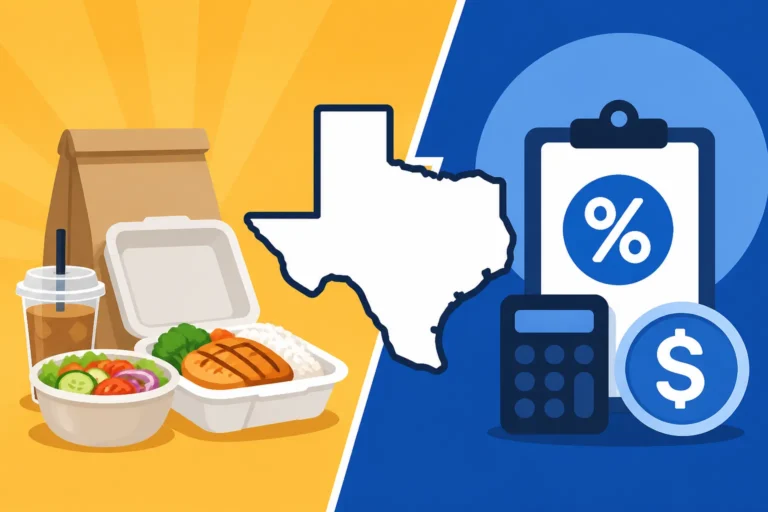
For instance, states like Texas generally consider an e-book to be taxable because it's classified as an "electronic download" which is treated as tangible personal property. If you download an e-book and it stays on your device, accessible whenever you want, that's often enough for many states to deem it taxable. This approach simplifies things for the state by avoiding the need for entirely new tax categories, but it can feel counterintuitive to sellers who deal purely in digital files. They essentially say, "If it would be taxable as a physical item, it's taxable as a digital one if it shares similar characteristics."
E-books as Services
A smaller number of states might classify e-books, or certain ways they are accessed, as services. This is less common for straightforward e-book purchases but can come into play if the e-book is part of a broader subscription service that offers more than just access to a single book. For example, if you subscribe to a platform that gives you access to a library of e-books, audiobooks, and interactive content, some states might view that as a taxable "information service" or a "streaming service" rather than the sale of individual digital goods.
Consider a scenario where a business offers a monthly subscription that includes access to their exclusive library of e-books, webinars, and coaching sessions. While the e-books are a component, the entire offering might be categorized as a taxable service in states that levy sales tax on specific services. This is a crucial distinction, as the rules for taxing services can differ significantly from those for tangible goods or digital products. It highlights the importance of understanding the precise definitions used by each state Department of Revenue.
Exemptions and Nontaxable Status
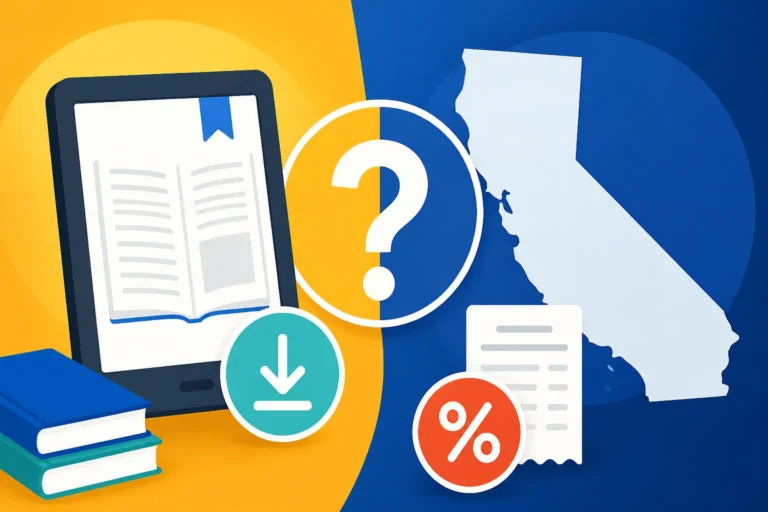
Conversely, some states, either by explicit exemption or simply by not updating their laws to include digital goods, consider e-books to be entirely nontaxable. For example, states that strictly adhere to the traditional definition of tangible personal property, and haven't specifically expanded that definition or created new categories for digital products, might default to considering e-books exempt. California, for instance, generally does not impose sales tax on e-books because they are considered intangible digital products that are not delivered on tangible storage media. This is a welcome relief for many sellers based in or selling into such states.
It's also worth noting that some states might offer specific exemptions for educational materials, which could sometimes extend to e-books if they meet certain criteria, although this is rare and highly specific. Always consult the state's tax code or seek professional advice to confirm any potential exemptions. The landscape is continuously shifting, and what's exempt today might be taxable tomorrow. For businesses trying to keep up with these varied rules, especially across numerous states where they might have Economic Nexus by State 2026, a robust sales tax solution like Avalara can be incredibly helpful in tracking these distinctions.
Key Factors Influencing E-book Sales Tax
The question of whether e-books are taxable isn't just about the state you're selling into; it's also heavily influenced by the specifics of the transaction itself. How the e-book is delivered, whether it's a one-time purchase or part of a subscription, and even how it's used can all play a role in its taxability. These nuances are what make sales tax compliance so challenging for digital product sellers.
Delivery Method and Permanent Access
One of the most significant factors states consider is the delivery method and whether the customer gains permanent access to the e-book. If an e-book is downloaded to a device, giving the customer a perpetual license to use and reread it at their leisure, many states are more likely to classify it as a taxable digital good. This mirrors the purchase of a physical book where you gain permanent ownership.
However, if the e-book is merely streamed or accessed temporarily through a cloud-based portal, without the ability to download or retain it indefinitely, some states might view this differently. They might categorize it as a service rather than a product. For instance, imagine a digital library where you can read books online but never actually download them for offline access. The distinction between a download that grants ownership and temporary access through a subscription often determines how states like Washington differentiate between taxable digital goods and nontaxable services. This is a common point of contention and varies widely, so it's critical to understand the precise nature of the transaction you're offering.
Subscription vs. One-Time Purchase
The sales tax implications for e-books can also change depending on whether they are sold as a one-time purchase or as part of a subscription model. A single e-book download for a fixed price is generally easier for states to classify, often aligning it with tangible personal property if the state taxes digital goods.
Subscription models, however, introduce more complexity. If a subscription grants access to a library of e-books, along with other digital content or services (like audiobooks, exclusive articles, or online courses), states have to decide how to tax the bundled offering. Some states require sellers to "unbundle" these services and tax each component based on its individual taxability. Others might tax the entire subscription at a single rate, especially if the e-book access is merely incidental to a primary service. For businesses that offer mixed bundles, this can be a real headache, necessitating careful consideration of how their subscription service is structured and advertised. It's often where sellers discover the deep rabbit hole of SaaS & Digital Nexus for Sellers regulations.
Bundled Products and Services
Beyond subscriptions, sellers might offer e-books as part of other bundled products or services. For example, an author might sell a physical paperback book that comes with a free digital copy, or an online course might include an e-book as supplementary material. In these "bundled transaction" scenarios, states have varying rules.
Some states might require the seller to allocate the sale price between the taxable and nontaxable components. If the e-book is considered nontaxable, and the physical book is taxable, you'd only collect sales tax on the physical book's portion of the price. Other states, particularly if one component is clearly dominant, might allow the entire bundle to be taxed (or not taxed) based on the primary item. For instance, if you sell a high-value coaching program and include an e-book as a small bonus, the state might just tax the entire package as a service, if services are taxable, and ignore the e-book's individual status. Understanding these bundling rules is critical because getting it wrong could mean under-collecting or over-collecting sales tax, both of which can lead to compliance issues.
Navigating E-book Sales Tax State by State
Because there's no single federal sales tax law, and each state approaches digital products differently, a state-by-state understanding is absolutely paramount. What flies in one state could land you in hot water in another. This section will walk you through some common approaches and highlight the diversity you'll encounter.
States Where E-books Are Generally Taxable
Many states have updated their tax laws to specifically include "specified digital products" or "digital goods" within the scope of sales tax, often treating them just like tangible personal property. This means if you sell an e-book to a customer in one of these states, and you have nexus there, you're generally expected to collect sales tax.
For example, states like Pennsylvania, despite having no sales tax on clothing, generally apply sales tax to e-books and other digital downloads. Their definition of "tangible personal property" often includes electronically delivered software, digital books, music, and videos. Similarly, in many jurisdictions across states like New York or Florida, electronically delivered items that provide the customer with the right to use the item permanently are subject to sales tax. This broad interpretation makes compliance somewhat straightforward in these states: if it's a digital product similar to a physical good, assume it's taxable. The key is that the state has explicitly said "yes, these count."
States Where E-books Are Generally Exempt
On the other end of the spectrum are states that consider e-books nontaxable. This can be either because their sales tax laws haven't been updated to include digital goods, or because they have specific exemptions. These states often adhere more strictly to the traditional definition of "tangible personal property," meaning if you can't physically touch it, it's not subject to sales tax.
California is a prominent example where e-books are generally not subject to sales tax. The California Department of Tax and Fee Administration (CDTFA) typically views electronically transferred intellectual property, like e-books, as intangible and therefore exempt from sales tax, as long as it's not delivered on a tangible medium (like a CD-ROM). This is a huge relief for sellers with nexus in the Golden State. Similarly, Illinois generally considers digital products, including e-books, as nontaxable services when accessed or streamed, though physical media would be taxable. Understanding these exemptions can save businesses a lot of calculation and remittance effort. Always double-check the latest regulations, as tax laws are subject to change, sometimes with very little notice.
States with Nuanced or Ambiguous Rules
Then there are the states that live in the gray area, where the taxability of e-books isn't a clear "yes" or "no." In these states, small details in how the e-book is delivered, accessed, or bundled can make all the difference. This is where the complexity truly ramps up, and where relying on general assumptions can lead to compliance issues.
For instance, some states might differentiate between "canned" (pre-written, off-the-shelf) e-books and custom-developed e-books. A bespoke educational e-book created for a specific client might be considered a service or a custom software product, which could have different tax treatment than a mass-market novel. Other states might have thresholds or specific conditions. In places like Colorado, the taxability can sometimes depend on local home-rule jurisdictions, meaning a state might not tax e-books, but a particular city or county might. This local variation makes tools that can calculate Sales Tax by ZIP Code incredibly valuable. For businesses trying to navigate this maze, using a sophisticated sales tax automation platform is often the most reliable way to ensure accurate collection and remittance across all relevant jurisdictions.
Here's a simplified overview of how some key states generally treat e-books:
| State | General E-book Taxability | Common Interpretation/Rule |
|---|---|---|
| California | Generally Non-Taxable | Considered intangible property when delivered electronically; not tangible personal property. |
| Texas | Generally Taxable | Classified as an "electronic download" which is treated as tangible personal property. |
| New York | Generally Taxable | Electronically delivered specified digital products are taxable if permanent right of use is granted. |
| Florida | Generally Taxable | Digital products that are electronically delivered and provide permanent possession are taxable. |
| Illinois | Generally Non-Taxable | Viewed as intangible services or information when accessed/streamed; no sales tax unless on tangible media. |
| Pennsylvania | Generally Taxable | Defined as "specified digital products" subject to sales tax. |
| Washington | Generally Taxable (often) | Sales of "digital products" (including books) are subject to retail sales tax and B&O tax. |
| Ohio | Generally Non-Taxable | E-books are generally exempt as intangible. However, bundled services with access can be taxable. |
| Massachusetts | Generally Non-Taxable | Considered intangible personal property. |
| Arizona | Generally Taxable (TPT) | Treated as tangible personal property for transaction privilege tax (TPT) purposes if provided electronically. |
Disclaimer: This table provides a general overview and is not exhaustive or legal advice. Tax laws change frequently, and specific circumstances can alter taxability. Always consult current state tax regulations or a tax professional.
Practical Steps for E-book Sellers
Understanding the complex landscape of e-book sales tax is one thing, but actually implementing a compliance strategy is another. For online sellers, especially those with growing businesses, navigating these rules can feel like a full-time job. Thankfully, there are clear steps you can take to stay compliant.
Determining Your Nexus Obligations
Before you can even think about collecting sales tax, you need to figure out where you're required to collect it. This concept is called "nexus." Historically, nexus meant having a physical presence in a state—like an office, warehouse, or employees. However, the Wayfair decision introduced "economic nexus," meaning that selling a certain dollar amount or number of transactions into a state can create a sales tax obligation, even if you don't have a physical footprint there.
Each state sets its own Economic Nexus Threshold (e.g., $100,000 in sales or 200 separate transactions). It's crucial for e-book sellers to monitor their sales into every state to determine where they've met these thresholds. If you hit the threshold in a state, you've established economic nexus, and then you're generally obligated to register for a sales tax permit in that state and begin collecting sales tax from customers there. This is often the first and most critical step for any online seller, as failing to establish where you have nexus can lead to significant penalties down the road.
Registering for Sales Tax Permits
Once you've identified the states where you have nexus, the next step is to register for a sales tax permit (sometimes called a seller's permit, certificate of authority, or vendor's license). This isn't optional; it's a legal requirement before you start collecting sales tax. Collecting sales tax without a permit can lead to serious legal issues. Each state has its own registration process, usually handled through their Department of Revenue or taxation website.
The application process typically requires detailed business information, including your federal Employer Identification Number (EIN), business legal name, address, and contact information. Some states might ask for your projected sales or the types of products you sell. It's a critical administrative step that, while tedious, is non-negotiable. You can find guides like How to Get a Sales Tax Permit by State to walk you through this process for individual states. Remember, you'll need a separate permit for each state where you have nexus and an obligation to collect.
Calculating and Collecting Sales Tax Accurately
This is where things can get truly complex for e-book sellers. Once you have your permits, you need a reliable way to calculate the correct sales tax rate for every transaction. Since e-book taxability varies by state, and rates can differ by city, county, and special districts (like in California with its numerous district taxes), manual calculations are prone to error. Moreover, sales tax rates are not static; they change frequently, sometimes several times a year, as seen in the 2026 Sales Tax Rate Changes by State.
For instance, if you're selling an e-book to a customer in Chicago, Illinois, you wouldn't collect sales tax since Illinois generally doesn't tax e-books. But if that same e-book is sold to a customer in Dallas, Texas, you'd need to collect the combined state and local sales tax rate applicable to that specific address. This is why many e-commerce platforms and digital product sellers integrate with sales tax automation software like Avalara. These platforms use up-to-date tax tables and geolocation technology to determine the exact sales tax rate based on the customer's location (destination-based sourcing is common for online sales) and the specific taxability rules for e-books in that jurisdiction. Such tools take the guesswork out of calculation and collection, ensuring you're charging the right amount every time.
Filing and Remitting Sales Tax Returns
Collecting sales tax is only half the battle; the other half is filing your sales tax returns and remitting the collected funds to the appropriate state tax authority. Each state assigns you a filing frequency (e.g., monthly, quarterly, annually) based on your sales volume. You'll also have specific sales tax due dates by state that you must adhere to. Missing these deadlines can result in penalties and interest.
The process usually involves reporting your total sales, taxable sales, and the sales tax collected for each jurisdiction within that state. Even if you collected zero sales tax in a period, many states still require you to file a "zero return." This is another area where sales tax software can be invaluable, as it can generate the necessary reports and even automate the filing process, ensuring timely and accurate submissions. Understanding How to File a Sales Tax Return effectively is key to maintaining compliance and avoiding unnecessary fees.
The Future of E-book Taxation
The world of sales tax, particularly for digital products, is far from static. As technology continues to evolve and new forms of digital content emerge, states will continue to adapt their tax laws. E-book sellers need to remain vigilant and adaptable to these ongoing changes.
Continued Harmonization Efforts
There's a growing recognition among states, and at times, federally, that the current patchwork of sales tax laws for digital products creates significant burdens for businesses. While a nationwide federal sales tax is unlikely, there are ongoing efforts to harmonize state sales tax laws through initiatives like the Streamlined Sales Tax (SST) Governing Board. The SST Agreement aims to simplify sales tax collection and administration for remote sellers by standardizing definitions and processes across member states.
While not all states are members of SST, and the agreement primarily focuses on tangible personal property and some digital goods, it represents a step towards a more unified system. For e-books, this could mean more consistent definitions of taxability across participating states, reducing some of the ambiguity currently faced by sellers. However, progress on this front is often slow, and it's important not to assume immediate widespread change.
The Rise of New Digital Formats
Beyond traditional e-books, the digital content landscape is constantly innovating. We're seeing more interactive digital experiences, augmented reality (AR) books, virtual reality (VR) narratives, and other immersive forms of storytelling. These new formats will present fresh challenges for tax authorities. Will an AR experience that overlays digital content onto the real world be taxed as a digital good, a service, or something else entirely?
States will have to grapple with how to classify and tax these novel products, often looking to existing precedents for software, streaming services, or digital downloads. For e-book sellers expanding into these new frontiers, it means an even greater need to stay updated on emerging tax legislation and definitions. Proactive planning and a flexible sales tax strategy will be crucial to staying compliant in a rapidly evolving market. Businesses using comprehensive sales tax automation solutions like Avalara will be better positioned to adapt to these shifts, as these platforms are continually updated to reflect the latest tax rules.
The Importance of Ongoing Monitoring
The biggest takeaway for any e-book seller is the necessity of ongoing monitoring. Tax laws don't just change annually; they can shift quarterly, or even more frequently in some jurisdictions. New tax holidays might be introduced, or existing exemptions might be repealed. State legislatures are always reviewing their revenue streams, and digital products are an increasingly attractive target.
Therefore, regularly reviewing your nexus footprint, checking for changes in state taxability rules for e-books, and staying informed about new legislation is not a one-time task but a continuous process. For many small to medium-sized businesses, doing this manually is simply not feasible. Leveraging technology to track sales, identify nexus, and automate tax calculations and filings becomes an essential part of doing business responsibly in the digital age.
Disclaimer
This article is for general informational purposes only and does not constitute professional advice. Laws and regulations vary by location and change over time. Consult a qualified professional for guidance on your specific situation.