Is Candy Taxable in Florida?
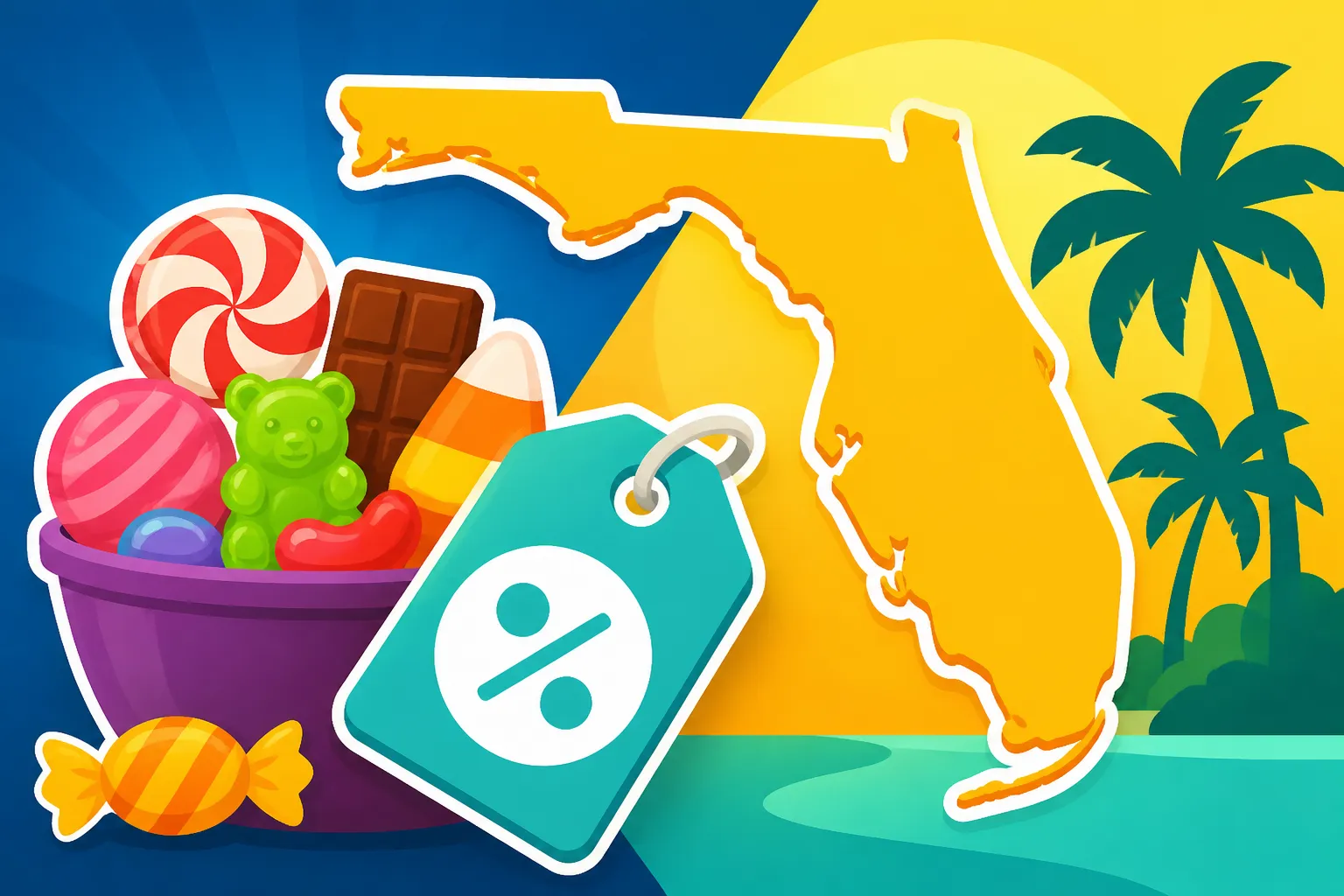
It can be incredibly frustrating to stand at the checkout, basket full of what you think are everyday essentials, only to see sales tax applied to items you expected to be exempt. This is a common head-scratcher, especially when it comes to groceries and those sweet treats we all enjoy. If you've ever wondered why your candy bar sometimes gets taxed in Florida while your bag of chips doesn't, you're not alone. This comprehensive guide will clear up the confusion about candy sales tax in the Sunshine State, explaining the nuances and helping you understand the rules.
The Sweet Truth About Florida Sales Tax on Candy
Florida's sales tax landscape, like many states, isn't always as straightforward as "food is exempt, non-food is taxed." There are specific definitions and carve-outs that can make seemingly similar items fall into different tax categories. When it comes to candy, it often finds itself on the taxable side of the ledger, much to the surprise of many shoppers.
The "Prepared Food" and "Food Product" Distinction
Florida law generally provides an exemption for "food products" sold for home consumption. This is why when you buy your weekly groceries – like fresh produce, milk, or a bag of rice – you typically don't pay sales tax on them. The idea is to keep essential food items more affordable for residents. However, this broad exemption has its limits and specific exclusions.
The key often lies in whether an item is considered a "food product" for home consumption or if it falls into another category, like "prepared food" or a specifically excluded item. "Prepared food" typically refers to items sold heated, or made at the point of sale, or served with eating utensils. Think of a hot rotisserie chicken from the grocery deli or a sandwich made to order. These are almost always taxable because they're ready for immediate consumption and imply a service component.
Candy, however, often doesn't fit neatly into the "prepared food" category. It's usually pre-packaged and doesn't require preparation by the vendor. Yet, it's also often explicitly excluded from the "food product" exemption by Florida Statute. This means that unlike your loaf of bread or a carton of eggs, a chocolate bar or a bag of gummies isn't seen as an essential "food product" for home consumption in the same way, and thus, it becomes subject to sales tax. It’s a distinction that can feel a bit arbitrary when you're just looking for a quick treat, but it's important for businesses to get right to ensure proper compliance. For a broader understanding of how these rules differ, you might want to look into Sales Tax on Groceries & Food by State.
What Exactly is "Candy" in Florida?
Understanding Florida's definition of "candy" is crucial to unraveling its taxability. Unlike some states that employ intricate "flour tests" (more on that later), Florida's approach is more direct. According to Florida law, "candy" is generally defined as a preparation of sugar, honey, or other natural or artificial sweeteners in combination with chocolate, fruit, nuts, or other ingredients or flavorings. This includes items such as chocolate bars, gum, hard candies, and most other sweet confections you'd typically find in a candy aisle.
The key here is that if an item fits this description and is primarily marketed as a sweet treat, it's usually considered "candy" and, therefore, taxable. This means that a standard Hershey's bar, a pack of Skittles, or a bag of gummy bears will almost certainly have Florida's sales tax applied at checkout. This contrasts sharply with items like a bag of potato chips, pretzels, or a container of yogurt, which are generally considered "food products" and are exempt from sales tax when purchased for off-premises consumption.
This distinction can lead to some surprising scenarios. Imagine you're picking up snacks for a road trip. Your beef jerky and bottle of water might be exempt, but that candy bar you grabbed as an impulse buy often won't be. It's these small differences that can catch shoppers and even small business owners off guard, making it challenging to keep track without a clear understanding of the specific definitions.
Common Scenarios: When Your Sweet Treat Gets Taxed (or Not)
The environment in which you purchase your candy can sometimes influence its taxability, though the core definition of "candy" in Florida remains the primary driver. However, the context of the sale, especially when bundled with other items or purchased for immediate consumption, can introduce further layers of complexity.
Buying Candy at a Grocery Store Versus a Convenience Store
While the item itself is the main factor, where you buy your candy can sometimes nudge it towards or away from taxability, particularly if it blurs the line with "prepared food."
At a typical grocery store, most of your basic food items will be exempt. If you pick up a standard candy bar from the candy aisle, it will likely be taxed at the state rate of 6% plus any applicable local sales taxes. This is because, as established, "candy" is generally not considered an exempt "food product" in Florida. The same goes for a multi-pack of mini candy bars or a large bag of M&M's.
However, consider a convenience store or gas station. Here, you often find candy alongside other items like hot coffee, pre-made sandwiches, or fountain sodas. While the candy itself is taxable regardless of where you buy it, the overall shopping experience at these locations often leans towards immediate consumption. This environment doesn't change the taxability of the candy, but it highlights how many items sold here are generally subject to tax. For example, a hot dog and a fountain drink are prepared for immediate consumption and are taxable, just like the candy bar you might grab. Understanding how Florida Sales Tax Rate (6% + County Surtax) works is key here, as local surtaxes can add to the base rate.
The crucial takeaway is that the inherent nature of "candy" as defined by Florida law is what makes it taxable, irrespective of whether you're in a bustling supermarket or a corner store. The setting mostly impacts how other, potentially more ambiguous, food items are treated.
Candy as Part of a Meal or Combo Deal
This is where things can get a little more intricate. What if your candy isn't just a standalone purchase but part of a larger transaction, perhaps a "meal deal" at a deli counter or a bundled snack offer?
In Florida, if candy is sold as part of a combination meal or prepared food item that is taxable, the entire transaction is likely to be taxed. For instance, if a store offers a "lunch combo" that includes a sandwich, a drink, and a candy bar, and the sandwich and drink are considered "prepared food" taxable items, then the candy bar will also be taxed as part of that package. The logic is that the entire combo is viewed as a single transaction of prepared food intended for immediate consumption.
Consider a scenario at a theme park or a fast-food restaurant within Florida. If you purchase a meal and add a candy item as a dessert, that candy will undoubtedly be taxed. This aligns with the broader principle that food prepared and sold for immediate consumption is taxable. It's often difficult to separate the taxability of individual components once they're bundled into a meal or a combo designed for quick enjoyment.
Even if you're buying a handful of different items, businesses, particularly those leveraging sales tax software like Avalara, are typically configured to correctly identify and apply the tax to candy, whether it's alone or alongside other purchases. This helps them stay compliant and ensures customers are charged correctly, even when navigating the complexities of bundled sales.
Exemptions and Nuances to Know
Navigating sales tax exemptions can feel like a game of "spot the difference" sometimes, especially with food items. While candy generally falls outside the exemption zone in Florida, it's helpful to understand the broader context of food exemptions to see why candy is treated differently.
Sales Tax Exemptions on Food in Florida Generally
The foundational principle in Florida is that "food products" are exempt from sales tax if they are intended for home consumption. This is a common policy across many states, designed to alleviate the financial burden on households for essential sustenance. So, when you're at Publix or Walmart, filling your cart with staples like milk, eggs, fresh vegetables, uncooked meat, and flour, you'll notice these items are typically sales tax-free. These are considered basic necessities, and the state aims to make them accessible without an additional tax.
However, the definition of "food products" for exemption purposes specifically excludes several categories, and this is where candy comes in. Items specifically excluded often include:
- Candy: As we've discussed, it's generally deemed a confectionary treat, not a basic food product.
- Soft drinks and similar beverages: These are also typically taxable.
- Alcoholic beverages: Always taxed.
- Prepared food: Any food items heated, served with eating utensils, or generally sold for immediate consumption at the point of sale.
There are also specific exemptions for food purchased with federal Food Stamp (SNAP) benefits. These purchases are always exempt from sales tax, regardless of whether the item itself would otherwise be taxable. This is a federal mandate to ensure food assistance programs are not diminished by state taxes.
So, while the intention behind food exemptions is admirable, it's the specific definitions and exclusions that dictate whether your particular purchase, like a delicious candy bar, will ring up with that extra percentage. For a deeper dive into the overall landscape of exemptions, exploring resources like Sales Tax Exemption Certificates: Complete Guide could be beneficial for businesses and consumers alike.
The "Flour Rule" and Similar Distinctions
While Florida directly defines "candy" and typically taxes it, it's worth mentioning a common distinction some other states use: the "flour rule." This rule helps differentiate between what constitutes candy and what might be considered a baked good or a dietary snack, which could potentially be exempt.
In states that use a "flour rule," an item is often not considered "candy" for sales tax purposes if it contains flour as an ingredient and requires baking. Think of a chocolate chip cookie or a brownie. Even though they are sweet, if they contain flour and are baked, they might be classified differently than a solid chocolate bar or a gummy worm, which typically lack flour and are not baked. The rationale is that baked goods are often seen more as staple food items or desserts, rather than just "candy." This is a nuance you might encounter if you buy snacks in other parts of the country. For example, some states make clear distinctions on The Candy Flour Test Explained.
In Florida, however, the primary focus remains on the direct definition of "candy" and its exclusion from the "food product" exemption. While you might find baked goods like cookies or pastries to be exempt if sold pre-packaged for home consumption at a grocery store, a candy bar or bag of sweets will generally remain taxable regardless of its flour content. The state's statutes tend to be quite clear on what "candy" entails, minimizing the need for an intricate "flour rule" comparison. Therefore, don't expect your Snickers bar to suddenly become tax-exempt because it contains a tiny bit of flour in its nougat – it's still candy in Florida's eyes!
Staying Compliant for Florida Businesses Selling Candy
For businesses operating in Florida, understanding and correctly applying sales tax to candy and other food items isn't just about avoiding customer complaints; it's a critical component of state tax compliance. Getting it wrong can lead to headaches, penalties, and even audits down the line.
The Importance of Accurate Sales Tax Collection
Imagine running a small grocery store or a chain of convenience stores across Florida. You're selling everything from fresh produce to hot coffee, and yes, plenty of candy. The variety of items means you're dealing with a mix of taxable and exempt goods, and sometimes, items that are taxable in one context but not another (like a cold sandwich for takeout versus a hot one eaten on premises).
Accurately classifying candy as taxable is paramount. If you consistently fail to collect sales tax on candy, you're essentially under-collecting on behalf of the state. When the Florida Department of Revenue (FDOR) conducts an audit, they will identify these discrepancies. You, as the business owner, would then be liable for the uncollected tax, potentially along with interest and penalties. This can represent a significant unexpected cost, especially if the under-collection has been happening over a long period or across a high volume of sales.
Conversely, accidentally collecting tax on items that are truly exempt can also be problematic. While perhaps less financially damaging to the business, it erodes customer trust and could still be flagged in an audit, indicating a lack of proper sales tax management. It’s a delicate balance, and precision is key. This is why having a clear grasp of Florida's specific definitions, as well as the overall Sales Tax Rates by State 2026: All 50 States, is so important for any business.
Tools and Resources for Businesses
Given the complexities of sales tax, especially with varying rules for different product categories and local surtaxes that can change, businesses often find themselves in need of robust solutions. Simply manually tracking these nuances is a recipe for errors and lost time.
This is where specialized sales tax compliance software truly shines. Companies like Avalara offer platforms designed to automate the sales tax calculation process, ensuring that the correct tax rate is applied to every transaction, based on the product, customer location, and prevailing state and local laws. For a Florida business, an Avalara solution could automatically identify a candy bar as taxable, apply the correct 6% state sales tax, and then add any applicable county surtaxes, all in real-time at the point of sale. This dramatically reduces the risk of errors and frees up valuable time for business owners and staff.
Beyond software, the Florida Department of Revenue (FDOR) website is an invaluable resource. They publish detailed guides, statutes, and tax information publications (TIPs) that clarify specific taxability rules, including those for food and candy. Regularly reviewing these official publications is essential, as sales tax rules can change. For instance, knowing about 2026 Sales Tax Rate Changes by State is vital to stay ahead. Businesses should also be familiar with how to file their sales tax returns, leveraging tools and guides on How to File a Sales Tax Return: Step by Step to ensure timely and accurate reporting. Staying informed and utilizing reliable tools are the best defenses against sales tax compliance challenges in Florida.
Florida Candy Sales Tax: Quick Reference Table
To help you quickly grasp the tax status of various items you might find on your next shopping trip in Florida, here’s a handy reference table. Remember, this is for general guidance, and specific circumstances (like items being part of a prepared meal) can affect taxability.
| Item Type | Florida Sales Tax Status (General) | Notes |
|---|---|---|
| Standard Candy Bar | Taxable | Generally considered candy and excluded from "food product" exemption. |
| Bag of Gummy Candies | Taxable | Sweet confection, falls under the "candy" definition. |
| Chocolate Truffles | Taxable | A premium form of candy, still taxable. |
| Fresh Apples | Exempt | Unprepared "food product" for home consumption. |
| Carton of Milk | Exempt | Basic "food product." |
| Bag of Potato Chips | Exempt | Considered a "food product" (snack food) for home consumption, not "candy." |
| Bottle of Water | Exempt | Unsweetened bottled water is generally exempt. |
| Can of Soda | Taxable | Soft drinks are specifically excluded from the "food product" exemption. |
| Hot Coffee (to-go) | Taxable | Prepared beverage for immediate consumption. |
| Pre-packaged Cookies | Exempt | Typically considered a "food product" if for home consumption. |
| Ice Cream Pint | Exempt | Generally considered a "food product" for home consumption. |
This table highlights the clear distinction Florida makes, treating candy and soft drinks differently from many other snack items and essential groceries.
Navigating Florida's Sales Tax with Confidence
The world of sales tax can often feel like a maze, and Florida's rules for candy are a perfect example of how specific definitions can lead to unexpected charges. The core takeaway is that in the Sunshine State, if it's considered "candy," it's almost certainly taxable. This distinction from other "food products" or even baked goods is explicitly laid out in Florida's statutes, ensuring that a simple sweet treat contributes to state revenue.
For consumers, knowing this can help you understand your receipts and manage your budget, especially if you're frequently purchasing these items. For businesses, getting this right is non-negotiable. Whether you're running a small local shop or a larger retail operation, accurate sales tax collection and remittance are vital for compliance and avoiding costly mistakes. Leveraging technology, like robust sales tax software, can turn this complex challenge into a seamless process, ensuring every transaction is handled correctly. So, the next time you reach for a candy bar in Florida, you'll know exactly why that little extra charge appears on your bill – it's the sweet cost of doing business (and enjoying a treat) in the Sunshine State! If you're looking for more general information on how to figure out your tax obligations, checking out Sales Tax Calculator: How to Calculate Sales Tax can be a great starting point.
Disclaimer
Please note that this content is intended for informational purposes only and does not constitute tax advice. Sales tax laws are complex and subject to change. For specific guidance regarding your individual or business tax situation, it is always recommended to consult with a qualified tax professional or refer to the official resources provided by the Florida Department of Revenue.