Are Dietary Supplements & OTC Drugs Taxable?
Navigating the labyrinth of sales tax can feel like a full-time job for small business owners and even consumers, especially when it comes to products meant to improve health and wellness. It's truly frustrating to figure out if that bottle of vitamins, the latest herbal concoction, or even a simple over-the-counter pain reliever is going to have sales tax tacked on. This comprehensive guide will peel back the layers of complexity surrounding sales tax for dietary supplements and OTC drugs, helping you understand the rules, avoid pitfalls, and confidently determine what's taxable in various states.
Understanding the Nuances of Sales Tax on Health Products
When you're trying to figure out if something like a vitamin C supplement or a box of allergy pills is taxable, it often feels like you're playing a guessing game. The reality is, there's no single, straightforward answer across the board. States have vastly different interpretations, and what one state considers a tax-exempt health item, another might see as a taxable grocery item or a general tangible good. This patchwork of regulations is a major headache for anyone selling or buying these products.
The "Food vs. Drug" Conundrum
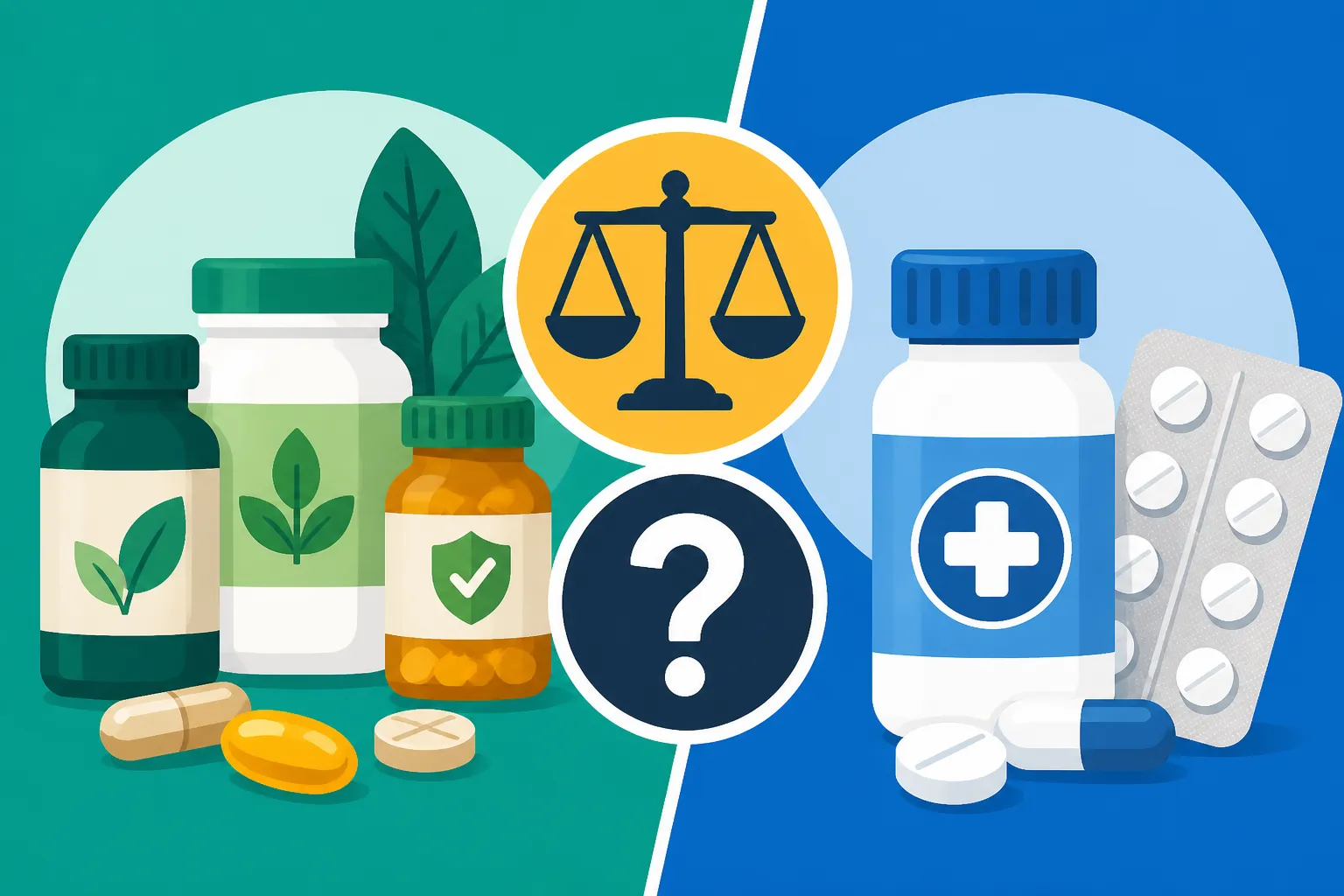
One of the biggest sources of confusion stems from how states classify these items. Is a dietary supplement considered "food" because you ingest it, or is it more like a "drug" because it's meant to affect your body's health? This distinction is absolutely critical for sales tax. Many states exempt most groceries and unprepared food items from sales tax, or tax them at a reduced rate. If a supplement falls into the "food" category, it might be exempt. However, if it's considered a "drug" or a "medicine," it might also be exempt, but often under different statutory provisions.
The challenge comes when a product blurs these lines. Think about a protein powder. Is it a food supplement for athletes, or is it intended for specific health benefits, like bone density? State tax departments often rely on product labeling, intended use, and even the form factor (pill, liquid, powder) to make these tough calls. This ambiguity means that what seems like a simple product can have a complex tax profile, making it a constant source of stress for businesses trying to remain compliant.
State-by-State Variations: A Regulatory Maze
Imagine trying to sell the same multivitamin across state lines. In California, it might be taxable. Head over to New York, and it could be exempt. This isn't just a hypothetical; it's the daily reality for e-commerce businesses and retailers with multiple locations. Each state crafts its own sales tax laws, defining what constitutes a "drug," a "medicine," a "dietary supplement," or even what kinds of "food" are exempt from taxation.
Some states, like Illinois, might have a broad exemption for "medicines," while others, such as Texas, are much more specific, often requiring a product to be "recognized by the U.S. Pharmacopoeia" or intended for "treatment or prevention of illness" to qualify for exemption. This means that a product that seems universally beneficial, like fish oil, could be treated entirely differently depending on where it's sold. Businesses with a presence in multiple states often find themselves dedicating significant resources to track these specific rules, a process that can quickly become overwhelming without robust systems in place. Staying on top of these various rules is paramount, as understanding the nuances of how Sales Tax Rates by State 2026: All 50 States differ is crucial for accurate collection.
Dietary Supplements: More Than Just Vitamins
Dietary supplements have exploded in popularity, ranging from your basic daily multivitamin to niche herbal extracts and advanced sports nutrition products. For many people, these are an essential part of their health regimen. However, from a sales tax perspective, they occupy a peculiar space that rarely has a clear-cut answer.
What Qualifies as a Dietary Supplement?
The definition of a "dietary supplement" for sales tax purposes often mirrors, or at least takes cues from, federal regulations, primarily the Dietary Supplement Health and Education Act (DSHEA) of 1994. Under DSHEA, a dietary supplement is a product taken by mouth that contains a "dietary ingredient" intended to supplement the diet. These ingredients can include vitamins, minerals, herbs or other botanicals, amino acids, and substances like enzymes, organ tissues, glandulars, and metabolites.
The key here is that supplements are not classified as food or as drugs by the FDA, which immediately creates a problem for state sales tax laws that often define taxability based on these categories. When states try to fit a square peg (dietary supplements) into round holes (food or drug tax exemptions), the result is often inconsistency. This distinction can also be important when considering how Sales Tax on Groceries & Food by State is handled, as some states lump certain supplements in with food, while others don't.
How States Typically Handle Supplements
Given the complexities, states generally take a few different approaches to taxing dietary supplements:
- Taxable as General Tangible Personal Property: This is often the default. If a state doesn't have a specific exemption for supplements or doesn't classify them as "food" or "medicine" for tax purposes, they'll usually be taxed at the standard sales tax rate, just like a new pair of shoes or a book. Many states consider supplements to be merely "enhancements" to health rather than necessities, thus making them taxable.
- Exempt as "Food" or "Groceries": Some states extend their grocery exemptions to include certain dietary supplements, especially if they are primarily considered nutritional. For example, a state might exempt vitamins and minerals, viewing them as basic dietary needs. However, this often comes with caveats. If a supplement makes specific health claims or is marketed as a medicinal alternative, it might lose this "food" exemption.
- Exempt as "Medicine" or "Drugs": A smaller number of states might exempt supplements if they meet the state's definition of "medicine" or "drugs." This usually requires the supplement to be listed in a recognized pharmacopeia or intended to treat or prevent a specific illness. This is a higher bar and less common for most general dietary supplements.
- Mixed Treatment: This is perhaps the most confusing scenario. A state might exempt certain types of supplements (e.g., vitamins), but tax others (e.g., protein powders, herbal remedies without specific medicinal claims). Or, they might look at the packaging and labeling. If a product claims to "cure" or "treat" an ailment, it might be classified differently than one that "supports" overall wellness. This patchwork means businesses really need to dive into the specifics of each product they sell.
For example, in New York, dietary supplements are generally taxable unless specifically classified as an exempt food or drug. On the other hand, a state like Florida generally exempts food products, but dietary supplements are often considered taxable, even if they contain vitamins or minerals. This distinction often surprises consumers who expect all health-related items to be tax-free.
Over-the-Counter (OTC) Drugs: A Different Kind of Relief
Unlike dietary supplements, over-the-counter (OTC) drugs generally have clearer definitions, largely thanks to FDA regulations. These are medicines you can buy without a prescription, like pain relievers, cold and flu remedies, antacids, and certain topical creams. However, even with clearer definitions, sales tax still manages to find ways to complicate things.
Defining OTC Drugs for Sales Tax Purposes
For sales tax purposes, states often rely on the FDA's classification of a product as an OTC drug. Key characteristics include:
- FDA Approval: The product has gone through the FDA's OTC drug review process.
- Drug Facts Label: OTC drugs are required to have a "Drug Facts" label, detailing active ingredients, uses, warnings, and directions. This is a crucial indicator for state tax departments.
- Intended Use: They are intended for the diagnosis, cure, mitigation, treatment, or prevention of disease, or to affect the structure or any function of the body.
The presence of an active pharmaceutical ingredient (API) that is recognized as an OTC drug is usually a strong sign. However, even within OTC drugs, some states can have specific carve-outs or requirements. For instance, some states might only exempt "medicines" that relieve human suffering or promote healing, and this might be interpreted narrowly.
Common Exemption Criteria for OTC Medications
The good news is that many states offer exemptions for OTC drugs, acknowledging their role in public health. However, these exemptions are rarely universal and come with conditions:
- General Medical Exemption: Many states have broad exemptions for "medicine" or "drugs" used for human consumption or application. OTC drugs often fall under this umbrella, provided they meet the state's specific definition. This is a common practice in states like Pennsylvania and New Jersey, where most OTC medications are generally exempt.
- Prescription-Equivalent Rule: Some states exempt OTC drugs only if they contain ingredients or dosages that would require a prescription if they were to be sold in larger quantities or a different form. This can be complex to verify for every single product.
- "Drug Facts" Label Requirement: As mentioned, many states look for the "Drug Facts" label as definitive proof that an item is an OTC drug. Without it, even if a product seems medicinal, it might not qualify for the exemption.
- No "Comfort" or "Cosmetic" Use: If an OTC drug also serves a cosmetic purpose (e.g., an anti-acne cream that also improves skin texture), some states might argue it's not purely a medical item and thus deny the exemption. This is less common but can crop up for specific products.
It’s important to remember that even if an OTC drug is generally exempt, the local sales tax rates can still vary significantly. For example, in Texas, state sales tax on most OTC drugs is generally exempt, but the total Texas Sales Tax Rate (6.25% + Local 8.25% Max) can still fluctuate depending on local jurisdiction if the exemption doesn't fully apply or if there are certain qualifying conditions not met. The complexity involved often leads businesses to rely on sales tax automation solutions, like those offered by Avalara, to ensure accurate calculations at the point of sale.
The "Medical" Exemption: When Does It Apply?
The idea that medical items should be tax-free makes intuitive sense to many people. However, the definition of "medical" for sales tax purposes is incredibly specific and often doesn't align with common understanding. It's not enough for something to be generally good for your health; it needs to fit within a state's narrow legal framework for exemption.
Prescription vs. Non-Prescription Status
This is often the most significant dividing line. Virtually all states exempt prescription medications from sales tax. This is a widely accepted policy, recognizing these as essential health necessities. However, once you cross into the realm of non-prescription items – which includes both OTC drugs and dietary supplements – the landscape changes dramatically.
For an OTC drug, the question then becomes: "Does this non-prescription item meet other specific criteria to be exempt?" For dietary supplements, it's even harder because they often don't have the same regulatory framework as drugs. Some states might have a blanket exemption for "medicines," and if an OTC drug clearly fits this definition, it's exempt. But a dietary supplement, even if prescribed by a doctor, might not qualify if it doesn't align with the state's definition of "medicine" (e.g., listed in a specific pharmacopeia). This divergence in treatment between prescribed items and non-prescribed health products is a constant source of friction for consumers and businesses alike.
Doctor's Orders and Specific Medical Conditions
What if a doctor specifically recommends an OTC drug or a dietary supplement for a particular medical condition? This is where it gets truly tricky. In most states, a doctor's recommendation alone does not automatically make a non-prescription item sales tax-exempt. The product itself must still meet the state's statutory definition for exemption.
For example, if a doctor tells a patient to take a specific vitamin for a diagnosed deficiency, that vitamin might still be taxable if the state doesn't generally exempt vitamins. Some states, however, do offer specific exemptions for products used in connection with a specific medical condition, often requiring a doctor's prescription or a clear medical need. These are usually for items like diabetic supplies, prosthetics, or certain durable medical equipment, not typically for general OTC drugs or dietary supplements.
The nuances here are particularly frustrating. A patient might feel like their doctor's advice should translate into a tax exemption, but the tax law simply doesn't always see it that way. For businesses, trying to manage this can be a nightmare; you can't just take a customer's word for it that their doctor recommended a product and then exempt it without clear guidance from the state tax authority. This is why having robust systems, possibly including sophisticated sales tax software, is vital for businesses to accurately apply tax rules, and to stay on top of new Sales Tax Rate Changes by State 2026.
Common Scenarios and Confusing Cases
The world of health and wellness products is constantly evolving, with new items hitting the market all the time. This makes the sales tax landscape even more complicated, as state tax departments struggle to categorize innovative products within existing, often outdated, tax codes.
Vitamins, Herbs, and "Wellness" Products
Let's talk about the typical culprits: your daily multivitamin, a bottle of St. John's Wort, or perhaps some turmeric capsules for inflammation. As we discussed, these "wellness" products are often in the trickiest category. Many states will tax them at the full sales tax rate, classifying them simply as tangible personal property, or "other goods." They don't fit neatly into "food" exemptions because they aren't primary sustenance, nor do they often qualify as "drugs" under strict definitions.
Consider a scenario in Arizona. Most basic vitamins and herbal supplements are generally subject to Transaction Privilege Tax (TPT), which functions similarly to sales tax. They aren't typically considered "food for home consumption" or "prescription drugs." However, in a state like Massachusetts, while most food is exempt, dietary supplements are also generally taxable unless they meet the specific definition of "medical equipment" with a prescription, which is rare. This stark contrast highlights the importance of checking individual state rules. It truly shows why knowing the Arizona Sales Tax Rate by City & County is critical, as rates vary significantly even within one state.
Functional Foods and Beverages
Another emerging category that causes sales tax headaches is "functional foods" or "enhanced beverages." These are items like probiotic yogurts, energy drinks with added vitamins, protein bars, or kombucha claiming various health benefits. Are they food, or are they supplements?
Most states have a broad exemption for "food for home consumption." However, they often carve out exceptions for "candy," "soda," "prepared foods," or "dietary supplements." A protein bar might be seen as a grocery item, but if it has a "supplement facts" panel rather than a "nutrition facts" panel, some states might classify it as a taxable supplement. Similarly, a vitamin-infused water might be treated as a taxable soft drink rather than an exempt food beverage, particularly if it contains added sweeteners or is clearly marketed for non-nutritional (e.g., energy boost) purposes. The exact distinction often comes down to very specific rules, like the "flour test" for candy, or carbonation for soda. For example, understanding what constitutes taxable food versus exempt food can even impact things like Is Bottled Water Taxable? in different states.
Personal Care Items with Medicinal Claims
What about that anti-dandruff shampoo, medicated lip balm, or acne treatment face wash? These are personal care items, but they also make medicinal claims. Are they taxed like cosmetics, or are they exempt like medicines?
Generally, if a product is primarily for cosmetic or personal hygiene purposes, it will be taxable, even if it has a minor medicinal component. However, if the product is clearly marketed and primarily functions as an OTC drug (e.g., a specific anti-fungal cream with a Drug Facts label), it might qualify for exemption in states that exempt OTC medications. The line can be fuzzy. Take a fluoride toothpaste: it's for hygiene, but fluoride is a medicinally active ingredient for cavity prevention. Most states would still tax it as a personal hygiene item, but if it was specifically prescribed for a serious medical condition, it might be different. It’s always about the primary purpose and how the state defines "medicine" versus "personal care."
How to Determine Taxability in Your State (or Any State)
Given the sheer complexity, trying to figure out sales tax for dietary supplements and OTC drugs can feel like a full-time job. But there are reliable ways to get the correct information. The worst thing you can do is guess, as incorrect sales tax collection can lead to hefty penalties down the road.
Utilizing State Department of Revenue Resources
The most authoritative source for sales tax rules in any given state is always the state's Department of Revenue or equivalent tax authority. They publish detailed guidance, regulations, and often specific notices regarding the taxability of various products.
Here's how you can leverage these resources:
- Official Publications: Look for sales tax guides, bulletins, or regulations specifically addressing "food," "groceries," "medicine," "drugs," "dietary supplements," and "OTC products." These documents will lay out the state's definitions and criteria. For example, the California Department of Tax and Fee Administration (CDTFA) provides extensive guidance on what's taxable, including specific rulings on supplements. Understanding documents like these is critical for businesses operating across borders, as the requirements for How to Get a Sales Tax Permit by State can vary widely, and accurate tax collection depends on understanding each state's particular definitions.
- FAQs and Tax Rulings: Many states have searchable databases of frequently asked questions or private letter rulings (PLRs) where businesses have asked for specific guidance on product taxability. While PLRs are typically specific to the inquirer, they can offer strong clues about the state's interpretation.
- Contact the State Directly: If you can't find clear guidance for a specific product, don't hesitate to contact the state's Department of Revenue directly. They often have dedicated helplines or email addresses for sales tax inquiries. Be prepared to provide detailed information about your product, including its ingredients, labeling, and intended use. While this can be time-consuming, it provides the most accurate answer straight from the source.
Remember, rules can change. It's not a set-it-and-forget-it situation. Regularly checking for updates, especially for popular products like dietary supplements, is essential to maintain compliance.
The Role of Sales Tax Automation Tools
For businesses that sell a wide range of products or operate in multiple states, manually tracking and applying these rules is virtually impossible. This is where sales tax automation tools become indispensable. These platforms are designed to handle the complexities of sales tax for you, from rate lookup to filing.
Tools like Avalara and TaxJar maintain extensive databases of product taxability rules for all sales tax-imposing jurisdictions in the U.S. They integrate with your e-commerce platform (like Shopify or WooCommerce) or ERP system, automatically calculating the correct sales tax at the point of sale. For instance, if you sell a multivitamin that is taxable in one county but exempt in another due to specific local rules, the software will apply the correct rate based on the customer's shipping address. This helps ensure that you are collecting the right amount of tax, every single time. This is also incredibly helpful for keeping track of economic nexus thresholds across multiple states, as detailed in our guide on Sales Tax Nexus Explained (Physical vs Economic).
Beyond just rate calculation, these platforms also help with:
- Jurisdiction Determination: Pinpointing the exact sales tax jurisdictions (state, county, city, district) for each sale.
- Product Taxability Mapping: Allowing you to assign specific tax codes to your products, which the software then uses to apply the correct rules based on the jurisdiction. For a business selling dietary supplements, you can map "vitamin C" to a specific tax code that the software knows is exempt in some states and taxable in others.
- Reporting and Filing: Generating accurate reports and even filing your sales tax returns automatically, reducing the risk of errors and late submissions.
While these tools come with a cost, for businesses with significant sales volume or multistate operations, they often pay for themselves in reduced compliance risk and saved administrative time. When trying to determine Best Sales Tax Compliance Software 2027, consider how well they handle specific product taxability.
| State | Dietary Supplements (General) | OTC Drugs (General) | Notes |
|---|---|---|---|
| California | Generally Taxable | Generally Taxable | Exemptions are very narrow, often requiring prescription or specific medical device status. |
| Florida | Generally Taxable | Generally Exempt | OTC drugs exempt as "medicines"; most supplements are considered taxable. |
| New York | Generally Taxable | Generally Taxable | Taxed unless specific exemption applies (e.g., medical device, or low-cost clothing). |
| Pennsylvania | Generally Taxable | Generally Exempt | Medicines (including most OTC) are exempt; supplements are generally taxable. |
| Texas | Generally Taxable | Generally Exempt | OTC drugs exempt as "medicines"; supplements typically not. |
| Illinois | Generally Taxable | Generally Exempt | Medicines (including most OTC) are generally exempt. |
| Massachusetts | Generally Taxable | Generally Taxable | Few exemptions for non-prescription health items, price limits for clothing. |
| New Jersey | Generally Taxable | Generally Exempt | Medicines (including most OTC) are exempt. |
Note: This table provides general guidance. Specific product claims, packaging, and state definitions can alter taxability. Always consult official state guidance.
Practical Tips for Businesses Selling These Products
Running a business, especially one that sells health and wellness products, means you have a million things on your plate. Sales tax compliance can feel like just another burden, but getting it right is crucial for avoiding audits, penalties, and customer frustration.
Accurate Product Categorization is Key
This is foundational. You absolutely cannot assume that all health-related products are treated the same. Each product in your inventory needs to be reviewed against state sales tax guidelines.
- Analyze Labels and Intended Use: Does the product have a "Drug Facts" label? Does it claim to cure, mitigate, or treat a disease, or merely support general wellness? Is it marketed as a "dietary supplement" or a "food"? These details are vital. For example, a "digestive aid" marketed as an herbal supplement might be taxable, while a "laxative" with an official Drug Facts label would likely be an exempt OTC drug in many states.
- Consult State Specifics: Don't just rely on federal definitions. A product might be a "dietary supplement" under FDA rules, but a state might classify it as "food" or "taxable tangible personal property" for sales tax. You might need to categorize different products differently even within your own system based on their tax profile in different states.
- Create Internal Tax Codes: Develop an internal system where each product or product category is assigned a specific tax code that corresponds to how it should be treated for sales tax purposes. This simplifies integration with POS systems or e-commerce platforms. This level of detail is critical for managing sales tax obligations, especially if you have nexus in many different states and need to understand, for instance, Economic Nexus by State 2026: Thresholds Guide.
Managing Multistate Sales Tax Compliance
If you sell across state lines, whether through your own website, Amazon FBA, or other marketplaces, your compliance burden increases exponentially.
- Determine Your Nexus: First, understand where you have sales tax nexus. This isn't just physical presence anymore. Economic nexus rules mean you can owe sales tax in states where you have no physical presence, simply by reaching certain sales thresholds. Every state has different thresholds, and they can change, so regular review is necessary. Our guide on What Is the Sales Tax Nexus Threshold? offers more details.
- Register for Permits: Once you determine you have nexus in a state, you must register for a sales tax permit before collecting tax from customers in that state. Collecting tax without a permit is illegal and can lead to serious trouble. The process for Registering for Sales Tax in Multiple States can be daunting, but it's non-negotiable.
- Collect Accurately: This is where the product categorization and understanding state-specific rules come into play. You need systems that can calculate the correct state, county, city, and district sales tax rates for every transaction, considering the buyer's location and the taxability of the specific item. This is where a tool like Avalara becomes invaluable. They can track the myriad of jurisdictions and their specific rules, making sure you collect the right amount, whether it's on a taxable supplement or an exempt OTC drug.
- File Returns on Time: Each state assigns a filing frequency (monthly, quarterly, annually) and specific due dates. Filing accurately and on time is essential to avoid penalties. Even if you collected no sales tax in a period, you might still need to file a "zero return."
The Importance of Regular Audits
Sales tax rules are dynamic. States periodically update their definitions, pass new legislation, or issue new interpretations. What was tax-exempt last year might be taxable this year.
- Review Product Taxability Annually: Make it a habit to review the taxability of your core products against current state guidelines at least once a year. This is especially true for items in gray areas like dietary supplements.
- Monitor State Tax News: Subscribe to newsletters or alerts from state tax departments or sales tax compliance providers. Stay informed about legislative changes, new rulings, or sales tax holidays that might impact your products, such as those covered in our Sales Tax Holidays by State 2026: Full Calendar.
- Internal Compliance Checks: Periodically audit your own sales data and tax collection records. Are your systems correctly applying the rules? Are there any discrepancies? Catching errors early can save you a lot of grief during an official state audit. If you find you've been under-collecting or over-collecting, proactive steps to rectify the situation are always better than waiting for the state to find it.
Looking Ahead: Potential Changes and Future Trends
The world of health and wellness is constantly innovating, and sales tax laws are slowly, sometimes painstakingly, trying to keep up. Businesses in this sector need to be prepared for continued evolution in how these products are taxed.
Evolving Definitions and Health Trends
New types of products emerge regularly that challenge existing sales tax categories. Think about CBD products, adaptogens, nootropics, or advanced nutritional compounds. Are these "food," "supplements," or "drugs"? The answers are often unclear and vary widely by state. As scientific understanding of health and nutrition advances, and consumer demand for these cutting-edge products grows, states will be forced to issue clearer guidance or enact new legislation.
Furthermore, public health initiatives can influence tax policy. For example, some states have considered or implemented "soda taxes" to discourage consumption of sugary drinks, and these taxes can sometimes impact "healthy" beverages if they meet certain sugar content or ingredient criteria. The push towards plant-based diets and sustainable living also introduces new types of consumables that states will need to classify for tax purposes. These trends mean that businesses can't afford to be complacent; what's tax-free today might not be tomorrow.
Impact of Online Sales and Marketplace Facilitators
The rise of e-commerce has fundamentally changed how sales tax is collected, especially after the South Dakota v. Wayfair Supreme Court decision. With more health products being sold online, the issue of interstate taxability for supplements and OTC drugs becomes even more complex.
- Marketplace Facilitator Laws: Many states now have marketplace facilitator laws, which shift the sales tax collection and remittance burden from individual sellers to the marketplace (like Amazon, Etsy, or eBay). If you sell dietary supplements or OTC drugs on these platforms, they will generally handle the sales tax for you. However, you still need to understand your obligations for sales made on your own website. Our guide on Marketplace Facilitator Laws by State provides a detailed breakdown of these rules.
- Remote Seller Nexus: Even if you only sell from your own website, economic nexus rules mean you likely have sales tax obligations in many states. This means applying the specific product taxability rules of each state to your entire product catalog, no matter where your customer is located. This can be a huge undertaking without automation.
- Use Tax Enforcement: For consumers, if they buy a dietary supplement online from a retailer that doesn't collect sales tax (because the retailer doesn't have nexus in their state), they are technically supposed to self-report and pay "use tax." While often overlooked by individuals, states are increasingly educating consumers about this obligation and making it easier to report. Businesses also have use tax obligations on taxable goods they purchase for their own use from out-of-state vendors who don't collect sales tax. You can learn more about this in our article What Is Use Tax and Why Do I Owe It?.
Staying informed and utilizing robust compliance solutions will be key for navigating these ongoing shifts in the sales tax landscape for health and wellness products.
Disclaimer
The information provided in this guide is for general informational purposes only and does not constitute professional tax or legal advice. Sales tax laws are complex and subject to change. Always consult with a qualified tax professional or your state's Department of Revenue for advice specific to your business and circumstances.