What Is Use Tax and Why Do I Owe It?
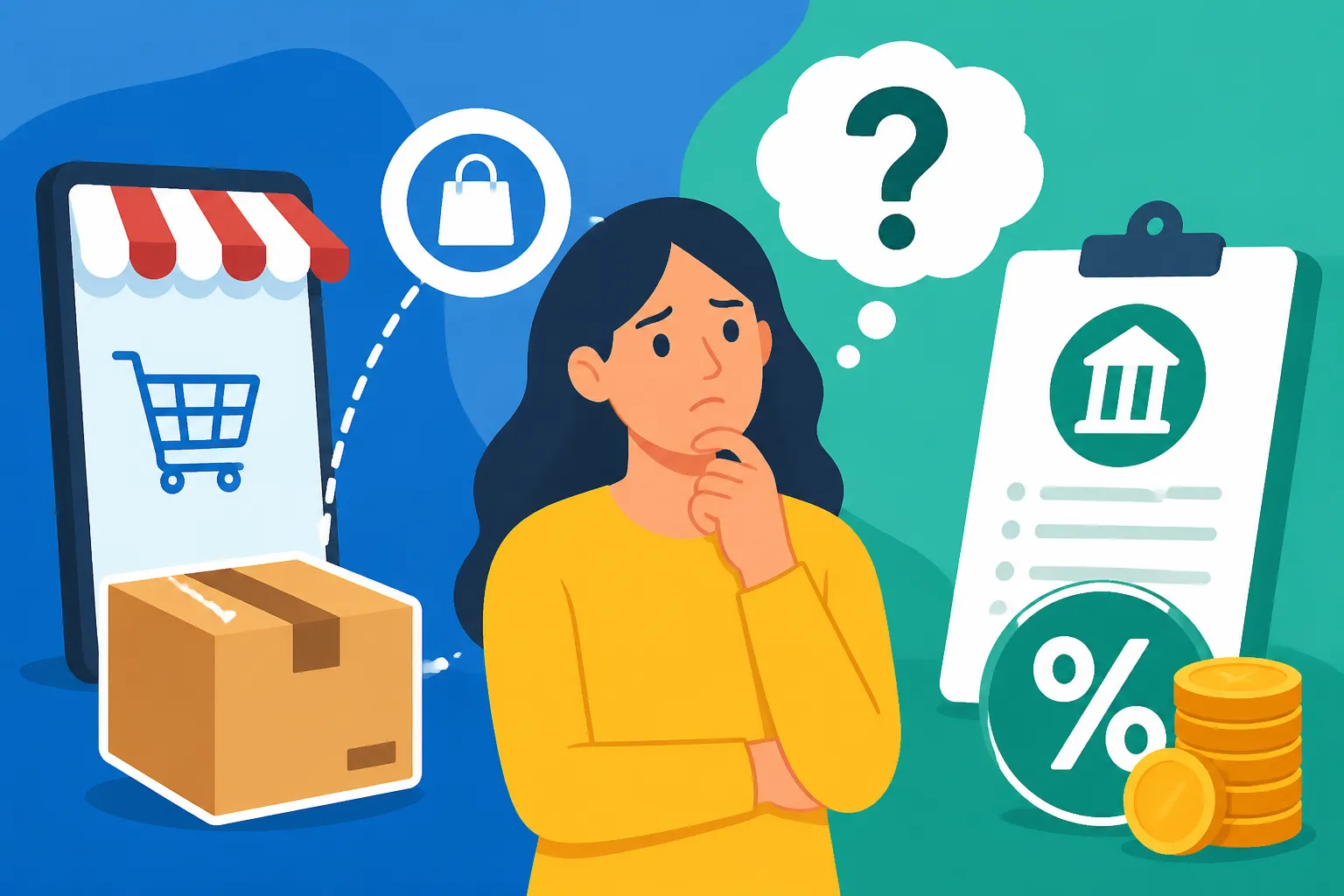
Ever made an online purchase, seen no sales tax added, and thought you got a fantastic deal, only to wonder later if there was some hidden catch? Or perhaps your business bought some supplies from an out-of-state vendor and an accountant mentioned "use tax" out of the blue, leaving you scratching your head. You're not alone. This guide is here to unravel the mystery of use tax, explain why it exists, and help you understand when and how you might owe it, both as an individual and a business owner.
Understanding the Core Concept of Use Tax
Let's cut right to the chase: use tax is often misunderstood, or worse, completely unknown to many consumers and even some businesses. But it's a critical component of state tax systems designed to level the playing field and ensure fairness. It's not some obscure, punitive measure; it's a fundamental part of how states fund their services.
The Fundamental Difference Between Sales Tax and Use Tax
Think of sales tax and use tax as two sides of the same coin, both serving the same purpose: taxing the consumption of goods. The crucial distinction lies in who collects it and when it applies. Sales tax is what you typically pay at the register when you buy something from a vendor who has a physical or economic presence (nexus) in your state. The vendor collects it from you and then remits it to the state.
Use tax, on the other hand, is a tax on the storage, use, or consumption of taxable goods or services when the seller didn't collect sales tax at the time of purchase. It's essentially a self-assessed sales tax. If you buy an item and the seller, for whatever reason, doesn't charge you sales tax, then you, the buyer, are generally responsible for remitting the equivalent use tax directly to your state. This often happens with purchases made from out-of-state retailers or online sellers who don't have nexus in your state, though the landscape has changed significantly in recent years. To really dig into the distinctions, you might want to read more about Use Tax vs Sales Tax: What's the Difference?.
Why States Enacted Use Tax in the First Place
The concept of use tax isn't new; it actually dates back to the Great Depression. States implemented it primarily to protect their local businesses and their tax base. Imagine a world without use tax: a local brick-and-mortar store would have to charge sales tax, while an out-of-state mail-order catalog company wouldn't. This created an unfair advantage for the out-of-state sellers, encouraging consumers to buy from them solely to avoid sales tax. This not only hurt local businesses but also deprived states of much-needed revenue for public services like roads, schools, and emergency services.
The use tax was designed to eliminate this loophole, ensuring that goods consumed within a state were taxed at the same rate, regardless of where they were purchased. It creates parity, meaning you shouldn't get a sales tax advantage by buying from a company that doesn't have a storefront down the street. It ensures that the tax revenue stays within the state where the consumption occurs, supporting the community you live and work in.
Common Scenarios Where You Owe Use Tax
Understanding the theory is one thing, but knowing when use tax applies in real-world situations is where it gets tricky. Many people unwittingly incur use tax liabilities simply because they're unaware of the rules.
Out-of-State Online Purchases (Especially Pre-Wayfair)
For years, before the landmark 2018 Supreme Court decision in South Dakota v. Wayfair, consumers often experienced situations where online retailers, particularly smaller ones, didn't charge sales tax on purchases shipped to their state. This was typically because these retailers didn't have a "physical presence" or nexus in the buyer's state. In these cases, the burden fell squarely on the consumer to report and pay use tax.
Let's say you lived in Ohio and bought a custom-made desk from a small artisan shop in Oregon, which doesn't have a sales tax. The artisan shipped it directly to you and didn't charge you sales tax. Under the law, you would owe Ohio's use tax on that desk. While many consumers might not have proactively reported this, the legal obligation was there. The South Dakota v. Wayfair: What It Means for Sellers ruling significantly changed this landscape by allowing states to require out-of-state sellers to collect sales tax based on "economic nexus," even without a physical presence. Now, most major online retailers, including behemoths like Amazon, Etsy, and eBay, collect sales tax for nearly all states. However, it's still possible to encounter smaller online vendors who haven't met the economic nexus thresholds in your state, and in those instances, use tax still applies. For more details on this, you can look into Do I Owe Use Tax on Amazon/Online Purchases?.
Business Purchases for Internal Consumption
This is a huge one for businesses, and it's where many companies, especially small and medium-sized ones, can get tripped up. Businesses frequently buy goods and services from out-of-state vendors that they use internally rather than resell. This could include office supplies, computer equipment, software licenses, advertising materials, or even machinery. If the vendor doesn't charge sales tax, the business is responsible for remitting use tax.
Consider a marketing agency in Phoenix, Arizona, that buys new design software from a developer based in Massachusetts. If the Massachusetts developer doesn't have economic nexus in Arizona and therefore doesn't charge Transaction Privilege Tax (TPT, Arizona's version of sales tax), the Phoenix agency would owe Arizona use tax on that software. This applies even if the purchase is made online or over the phone. These aren't purchases for resale; they are for the business's own "use" or "consumption." Ignoring these can lead to significant liabilities during an audit. This is such a common scenario that there's specific guidance on Use Tax for Businesses Explained.
Purchases from Sellers Without Nexus
Even if a seller should be collecting sales tax, sometimes they don't. This isn't always malicious; it could be due to a misunderstanding of Economic Nexus by State 2026: Thresholds Guide or a simple oversight. If you, as the buyer, purchase a taxable item from a seller who legally should have collected sales tax but didn't, you're still on the hook for the use tax. The state wants its revenue, and it designates the buyer as the fallback if the seller fails to collect.
For example, imagine a small, independent online boutique based in Florida. They might sell a unique piece of jewelry to a customer in New York. If the Florida boutique hasn't met New York's economic nexus threshold, they won't charge New York sales tax. In this scenario, the New York customer would owe New York use tax. If that Florida boutique did meet New York's threshold (perhaps over $500,000 in sales and 100 transactions, though New York no longer uses the transaction count), but simply failed to collect, the liability would still revert to the New York buyer. It's the state's way of ensuring tax equity and that no taxable transaction goes untaxed. Understanding Sales Tax Nexus Explained Physical vs Economic is key for both sellers and buyers here.
How Use Tax is Calculated and Reported
Now that we understand what use tax is and when it applies, let's talk about the practicalities: how do you figure out how much you owe and then actually pay it? This is often the part that confuses people the most.
Determining the Correct Use Tax Rate
Calculating use tax isn't inherently complicated, but it requires knowing the correct tax rate. The use tax rate is generally the same as the sales tax rate that would have applied if the purchase had been made in your local jurisdiction. This means you need to consider not just your state's base sales tax rate but also any applicable local, county, or district taxes.
So, if you live in Los Angeles, California, and buy a $500 taxable item online without being charged sales tax, you'd apply the combined sales tax rate for Los Angeles, which includes the statewide rate plus all applicable district taxes. For example, if the combined rate is 9.5%, you'd owe $47.50 in use tax. You can't just apply the statewide base rate; you need to find your exact local rate. Tools and resources are available that can help you determine the correct rate by address or ZIP code, though relying on just a ZIP code can sometimes be misleading due to overlapping jurisdictions.
Reporting Use Tax on Your Personal Income Tax Return
For individuals, reporting use tax often happens directly on your annual state income tax return. Many states include a line item or a separate schedule on their personal income tax forms where you can declare and pay any use tax owed from the previous year. This is designed to make it relatively straightforward for consumers to comply.
For example, if you're a resident of California, you'll find a section on your state income tax return (Form 540) to report use tax. It might ask you to either estimate an amount based on a percentage of your total purchases or to calculate the exact amount for specific large purchases. Most states offer clear instructions on their tax forms or websites. It's generally best practice to keep detailed records of any purchases where sales tax wasn't collected, especially for higher-value items, so you can accurately report the use tax. This is covered in more detail in How to Report Use Tax on Your Tax Return.
Business Use Tax Filings and Compliance
Businesses have a more structured and often more frequent reporting obligation for use tax. Instead of waiting for their annual income tax return, most businesses are required to report and remit use tax on their regular sales tax returns. If a business has an active sales tax permit, they typically file sales tax returns monthly, quarterly, or annually, depending on their sales volume. These returns usually have a separate line or section to report use tax.
Let's say a business in Houston, Texas, makes a quarterly purchase of office furniture from a vendor in North Carolina who doesn't collect Texas sales tax. On their quarterly Texas sales and use tax return (Form 01-117), the Houston business would report these purchases and pay the corresponding use tax. This makes the process integrated into their existing tax compliance routine. Keeping meticulous records is paramount for businesses to accurately track these purchases. Some businesses even use specialized sales tax software, like offerings from Avalara, to automate the tracking and calculation of use tax, making compliance much smoother.
Consequences of Neglecting Use Tax
Ignoring use tax can have serious repercussions, ranging from financial penalties to complex audits. States are increasingly sophisticated in identifying non-compliance, particularly with businesses. It's not a tax that you can simply hope goes unnoticed.
Penalties and Interest for Unpaid Use Tax
Just like with unpaid sales tax or income tax, states impose penalties and interest on delinquent use tax. The specifics vary by state, but generally, the longer the tax remains unpaid, the higher the penalties and accumulated interest. These can quickly add up, turning a manageable tax liability into a substantial financial burden.
For example, California's Franchise Tax Board (FTB) can impose penalties for failure to pay, underpayment, and late filing, in addition to interest charges. If you owe $1,000 in use tax and neglect it for a few years, you might end up owing $1,500 or more with penalties and interest. This is why addressing use tax proactively is crucial. Many people wonder What Happens If I Don't Pay Use Tax?, and the answer is rarely good. The financial hit alone can be painful, but the associated stress of dealing with tax authorities adds another layer of burden.
State Audits and How Use Tax Can Surface
While individual consumers might rarely face an audit solely for use tax, businesses are a different story. Use tax is a common target during sales tax audits. State tax auditors are trained to look for discrepancies and non-compliance, and use tax is often one of the first things they scrutinize.
During an audit, an auditor might review a business's purchase invoices, general ledger, and expense accounts. They'll compare purchases from out-of-state vendors or those where no sales tax was charged against the use tax reported on the business's sales tax returns. If they find purchases of taxable items where no sales or use tax was paid, they will assess the tax, plus penalties and interest. This can be a painful and time-consuming process. Imagine a small manufacturing firm in Atlanta, Georgia. An auditor might review their records for the last three years and find numerous purchases of specialized machinery parts from a vendor in Michigan, none of which had Georgia sales tax applied. If the Atlanta company never reported this as use tax, they would be hit with a significant assessment, possibly in the tens of thousands of dollars.
Strategies for Managing Use Tax Compliance
The good news is that managing use tax doesn't have to be a nightmare. With the right approach and tools, both individuals and businesses can ensure they stay compliant without undue stress.
Leveraging Technology for Tracking and Reporting
For businesses, especially those with numerous transactions from various vendors, manually tracking use tax liabilities can be incredibly tedious and prone to errors. This is where sales tax compliance software truly shines. These platforms can integrate with accounting systems, identify purchases where sales tax wasn't collected, and automatically calculate the correct use tax based on the shipping address and item type.
Companies like Avalara offer robust solutions that can streamline this entire process, from data collection to accurate filing. Their systems can handle the complex calculations for different jurisdictions, ensuring that the appropriate state, county, and local use tax rates are applied. This significantly reduces the risk of errors and saves countless hours that would otherwise be spent on manual reconciliation. Investing in such technology can be a game-changer for businesses looking to scale and maintain compliance across multiple states. If you're running an e-commerce business or a larger operation, investigating Best Sales Tax Compliance Software 2027 could be a wise move.
Best Practices for Businesses and Individuals
For individuals, the best practice is to simply be aware. When you make a significant purchase online or from an out-of-state vendor where sales tax isn't collected, make a note of it. Keep a simple spreadsheet or even just a running list of these items. Then, when it's time to file your state income tax return, you'll have the information readily available to report the use tax. While you might not track every single small purchase, focusing on larger items like electronics, furniture, or appliances is a good starting point.
For businesses, proactive management is key:
- Educate Your Team: Ensure that your purchasing and accounting departments understand what use tax is and when it applies.
- Vendor Management: Keep track of your vendors and their sales tax collection practices. If you regularly buy from a vendor who doesn't collect sales tax, factor in the use tax liability.
- Regular Reconciliation: Periodically review your expense accounts for purchases from out-of-state vendors that might trigger a use tax obligation.
- Leverage Software: As mentioned, utilize sales tax compliance software to automate tracking, calculation, and reporting.
- Consult an Expert: If your business operations are complex or span multiple states, consider consulting with a sales tax professional. They can provide tailored advice and ensure your compliance strategies are sound.
By adopting these practices, you can demystify use tax and ensure you're meeting your obligations without unnecessary stress or fear of audits. Whether you're a consumer in Use Tax Rules in California or a business dealing with Use Tax Rules in Texas, understanding these principles is vital.
Disclaimer
Please remember, this guide provides general information about use tax and is not intended as legal or tax advice. Sales tax laws, including those pertaining to use tax, are complex and vary significantly by state and even local jurisdiction. We highly recommend consulting with a qualified tax professional or financial advisor for advice specific to your individual or business situation. Tax laws can change frequently, so always refer to the most current regulations from your state's tax authority.