Colorado Sales Tax Rate 2026
Navigating Colorado’s sales tax landscape often feels like trying to hike a 14er in a blizzard without a map. Between state rates, county surcharges, and the notorious complexity of home-rule cities, business owners and consumers alike are frequently left scratching their heads. This guide breaks down the Colorado Sales Tax Rate 2026 to ensure you stay compliant and informed.
Understanding the Layers of Colorado Sales Tax
When you look at a receipt from a shop in Denver or an online invoice for a purchase delivered to Colorado Springs, you rarely see just one tax line. Colorado is a "low state rate, high local rate" jurisdiction. The state itself keeps its base rate relatively low, but it allows various local entities to stack their own requirements on top. This creates a multi-layered cake of taxation that can be difficult to slice through without the right tools or knowledge.
The State Base Rate
As of 2026, the Colorado state sales tax rate remains at 2.9%. On its own, this is one of the lowest state-level rates in the country. If you were only paying the state, a $100 purchase would only cost you an extra $2.90. However, almost no one in Colorado pays just 2.9%. The state uses this base to fund general operations, but it grants significant power to local municipalities to fund their own specific needs through additional percentages. To see how this compares nationally, you can look at the Sales Tax Rates by State 2026: All 50 States.
County and Special District Add-ons
Beyond the state and city, you have counties and special districts. For example, if you are shopping within the Denver metro area, you are likely paying into the Regional Transportation District (RTD) and the Scientific and Cultural Facilities District (SCFD). These special districts might only add 0.1% or 1%, but when combined with a 2.9% state rate and a 4% city rate, the total climbs quickly. This is why many residents find that their tax rate is significantly higher than the state's advertised base.
The Cumulative Effect of Stacking Rates
Let’s look at a hypothetical scenario. You buy a new mountain bike in a shop located in a specific part of Boulder. You might pay 2.9% to the state, 0.985% to Boulder County, 3.86% to the City of Boulder, and potentially more if a special improvement district is active in that specific shopping center. Suddenly, your "low tax" purchase is hovering around 8% or 9%. Understanding this stacking is vital for businesses using a geolocation software to ensure they aren't under-collecting from customers.
The Unique Challenge of Home-Rule Cities
If there is one thing that keeps Colorado tax professionals up at night, it is the concept of "Home-Rule." In many states, the state government collects all sales tax and then redistributes the local portion back to the cities. Colorado is different. Under the state constitution, certain cities have the right to self-administer their sales tax. This means they write their own tax codes, define what is taxable differently than the state, and require businesses to file tax returns directly with the city rather than through the state's portal.
Self-Collected vs. State-Collected
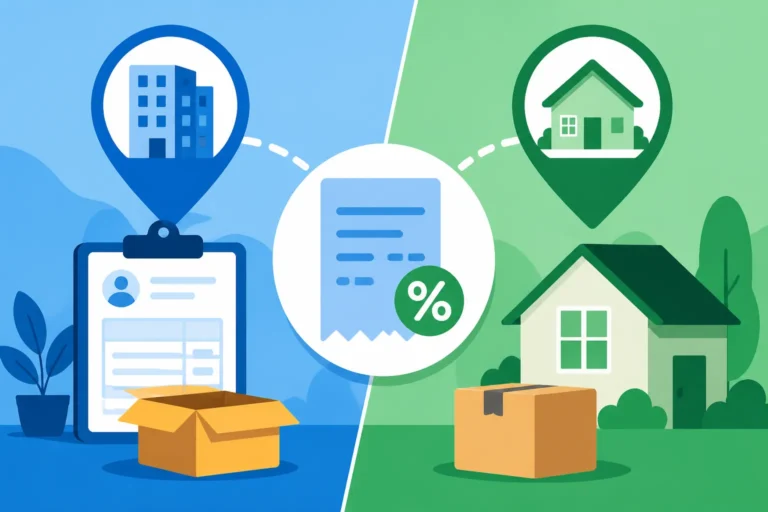
In Colorado, cities are divided into two categories: those that let the state handle their taxes and those that do it themselves. For state-collected cities, a business simply files one return with the Colorado Department of Revenue. But for home-rule cities like Denver, Aurora, or Fort Collins, you may need a separate business license for each city and a separate filing schedule. This is a primary reason why many businesses utilize automation platforms like Avalara to manage the sheer volume of different jurisdictions. Navigating the Colorado Home-Rule Cities Sales Tax requires a deep dive into which cities require these individual filings.
Discrepancies in Taxable Items
The real headache with home-rule cities is that they don't always agree with the state on what should be taxed. For example, the state might exempt a certain type of manufacturing equipment, but a home-rule city might decide that same equipment is fully taxable. This creates a situation where a business must calculate tax differently for the state portion and the city portion of the exact same transaction. This is a common point of confusion for those asking Why Is Sales Tax Different in Every City?.
The SUTS Portal Solution
To combat this "Wild West" of taxation, Colorado introduced the Sales & Use Tax System (SUTS) portal. This was designed to be a one-stop shop where businesses could file for both the state and participating home-rule cities. While it has simplified things significantly, not every home-rule city participates fully, and businesses still need to be aware of the specific local ordinances. If you are struggling with the math, checking a Sales Tax Rate by Address Lookup can help verify the specific totals for a given address.
| Jurisdiction Type | Rate Range (Approximate) | Collection Authority |
|---|---|---|
| State of Colorado | 2.9% | Colorado Dept. of Revenue |
| Counties | 0.0% – 4.9% | State or County |
| Statutory Cities | 0.0% – 5.0% | Colorado Dept. of Revenue |
| Home-Rule Cities | 1.0% – 8.0% | Locally Administered |
| Special Districts | 0.1% – 1.5% | Various |
Specific Taxability Rules in Colorado
Colorado has some "quirks" in its tax code that you won't find in many other states. If you are doing business here or moving here, you need to be aware of how the state treats specific categories of goods and services. These rules can change annually, and staying updated on the tax code is a full-time job for many.
The Retail Delivery Fee
One of the most unique aspects of Colorado tax is the Retail Delivery Fee. Introduced a few years ago, this is a flat fee (not a percentage) applied to every retail sale that includes at least one item subject to state sales tax and is delivered by motor vehicle to a location in Colorado. Even if the delivery is made by a third-party carrier like UPS or FedEx, the fee applies. As of 2026, businesses must track this fee separately from standard sales tax. Many small businesses find this incredibly burdensome to track manually, leading them to rely on services like Avalara to ensure the correct fee is applied and remitted.
Groceries and Essential Goods
In general, Colorado exempts "food for home consumption" (groceries) from the state sales tax. However, this is another area where local jurisdictions cause a split. While you might not pay the 2.9% state tax on your milk and bread, your local city or county might still charge their 3% or 4% on those same items. This is why your grocery bill in Denver looks different than your grocery bill in a neighboring unincorporated area. For more on this, see the guide on Sales Tax on Groceries by State.
Digital Goods and SaaS
The taxation of software is a moving target in the Centennial State. Colorado generally considers "canned" software (pre-written software) delivered via tangible media to be taxable. However, the treatment of Software as a Service (SaaS) and digital downloads is more nuanced. Many home-rule cities have specifically updated their codes to tax digital products, while the state’s position can depend on the method of delivery and the level of service provided. If you are a tech company, determining Is Digital Products Taxable in Colorado? is a critical step in your compliance journey.
Business Compliance and Economic Nexus
For out-of-state sellers, the rules changed forever after the Wayfair decision. You no longer need a physical storefront or warehouse in Colorado to be required to collect sales tax. If you sell enough to Colorado residents, the state considers you to have a "nexus" there, and you must register for a permit.
Economic Nexus Thresholds
Colorado’s economic nexus threshold is currently $100,000 in annual gross sales. Once you hit this dollar amount in a calendar year, you are required to register with the state and begin collecting tax. Unlike some other states, Colorado does not have a transaction count threshold (like the old "200 transactions" rule), which simplifies things slightly for low-dollar, high-volume sellers. Understanding the Economic Nexus Threshold in Colorado is the first step for any e-commerce brand growing its footprint.
Registration and Filing Frequency
Once you realize you have nexus, you must apply for a Colorado Sales Tax License. The state will then assign you a filing frequency—usually monthly, quarterly, or annually—based on your expected tax volume. Missing a deadline can result in hefty penalties, so many growing brands use Avalara to sync their Shopify or Amazon stores directly with tax authorities. If you're just starting, you'll need to follow the steps on Sales Tax Registration Guide for Colorado to get your paperwork in order.
Why Address-Based Lookup Matters
Because Colorado has so many overlapping districts, relying on ZIP codes for sales tax is a recipe for disaster. A single ZIP code in the Denver suburbs can contain three different tax rates depending on which side of a street a house sits on. To be accurate, businesses must use "destination sourcing," meaning the tax rate is based on the buyer's specific street address. This level of precision is nearly impossible without automated geolocation software. If you're calculating manually, you might want to look into Sales Tax by ZIP Code (and Why ZIP Isn’t Enough) to understand why the 5-digit code isn't enough.
Colorado Sales Tax Rate 2026 Disclaimer
This guide provides a general overview of the Colorado sales tax environment for the 2026 period based on currently available data and historical trends. However, sales tax laws, local rates, and home-rule ordinances are subject to frequent change by legislative action or local elections. Always consult with a qualified tax professional or the Colorado Department of Revenue for specific advice regarding your business’s tax obligations. Rates mentioned in this article are estimates and should be verified through official channels before filing.