How Do I Track Sales Tax Nexus Across States?
One of the biggest headaches for any business selling across state lines these days isn't just calculating sales tax, but figuring out where you even need to collect it in the first place. The landscape of sales tax nexus has become incredibly complicated, leaving many feeling overwhelmed and worried about compliance. This guide aims to demystify the process, exploring the challenges of tracking sales tax nexus across states and offering practical strategies to help you stay on top of your obligations.
Understanding the Shifting Sands of Sales Tax Nexus
For years, sales tax was relatively straightforward: if you had a physical presence in a state, you collected sales tax there. Simple, right? Well, those days are long gone. The internet changed everything, and states quickly realized they were missing out on significant revenue from online sales. This led to a complete overhaul of how nexus is determined, ushering in an era of complex rules that continue to evolve.
Physical Nexus: The Old School Rules
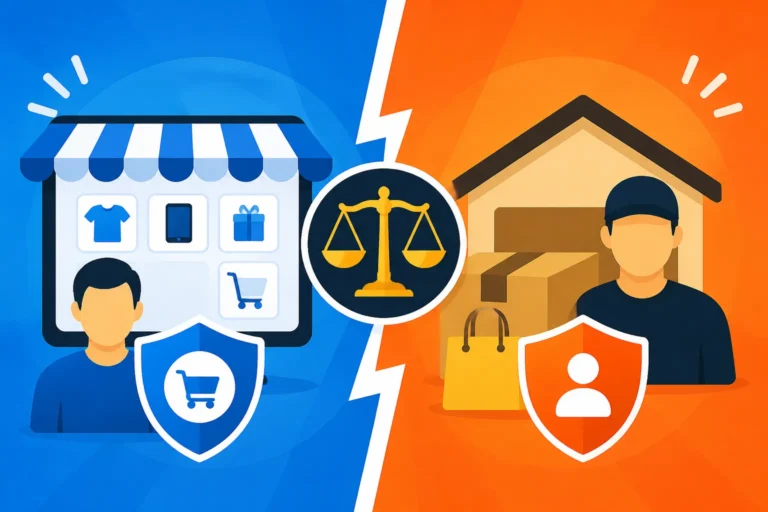
Even with all the talk about economic nexus, physical presence still absolutely matters. If your business has a physical footprint in a state, you've got nexus there, plain and simple. This isn't just about having a brick-and-mortar store. It's a much broader definition that catches a lot of businesses by surprise.
Imagine you're a small online retailer based in Portland, Oregon (a state with no statewide sales tax, by the way!). If you decide to open a small fulfillment center in Reno, Nevada, or hire a remote employee who lives in Dallas, Texas, guess what? You've just established physical nexus in Nevada and Texas. That means you're now obligated to register for a sales tax permit in those states and start collecting sales tax from customers there. Other common physical presence triggers include having an office, warehouse, inventory (even if stored by a third-party like an Amazon FBA warehouse), agents or representatives soliciting sales, or even temporary activities like attending trade shows. It’s not always obvious, and a temporary pop-up shop could unexpectedly create a sales tax obligation.
Economic Nexus: The Post-Wayfair Reality
The real game-changer came in 2018 with the Supreme Court's decision in South Dakota v. Wayfair. This ruling completely rewrote the playbook for online sellers and remote businesses. Before Wayfair, states couldn't force businesses without a physical presence to collect sales tax. After Wayfair, states gained the power to mandate sales tax collection based on a company's economic activity within their borders, regardless of physical presence. This is what we call economic nexus, and it’s the primary reason why sellers need to collect sales tax for online sales.
Every state that imposes a sales tax has now enacted its own economic nexus law. While the general idea is the same – hitting certain sales thresholds – the specifics vary wildly. Most states use a threshold of $100,000 in gross sales or 200 separate transactions within the state in the current or previous calendar year. However, some states, like California and Texas, have a higher threshold of $500,000 in sales, while others have completely eliminated the 200-transaction count (looking at you, Kentucky, as of August 2026!). Keeping up with these individual state thresholds, their nuances, and when they change, is a full-time job in itself. For a deep dive, you might find our guide on Economic Nexus by State 2026: Thresholds Guide incredibly helpful.
The Challenge of Tracking Nexus Across Multiple States
So, you're an ambitious small business owner. You've got your product, your website, and customers buzzing in every corner of the country. Fantastic! But as your sales grow, so does the lurking beast of sales tax compliance. Tracking sales tax nexus across states is arguably one of the most frustrating and intricate tasks for any business operating nationally. It’s not just about knowing the rules; it's about constantly monitoring them, applying them correctly, and making sure your systems can handle the complexity.
Why Manual Tracking is a Nightmare
Imagine running a small e-commerce shop, selling artisanal candles from your home in Raleigh, North Carolina. In your first year, you only sell to customers in North Carolina and a few neighboring states. Easy enough. But then your business takes off. Suddenly, you're getting orders from California, New York, Texas, and Florida. Each of these states has its own economic nexus threshold.
You'd have to:
- Monitor sales volume: Keep a running tally of your total sales into each individual state. Is it gross sales? Taxable sales? Each state might specify.
- Track transaction counts: For states that still use it, you'd also need to count the number of individual transactions into each state. One sale of 100 candles counts as one transaction. One sale of one candle also counts as one transaction.
- Know the look-back period: Does the state consider sales from the current calendar year? The previous calendar year? Both? This impacts when you actually establish nexus.
- Understand state-specific rules: Colorado, for instance, has unique "home-rule" cities that govern their own sales tax, making it a particularly tricky state. Louisiana also presents challenges with its complex parish sales tax structure. Even knowing How Do I Know If I Have Nexus in a State? can be a moving target.
- Stay updated on changes: States frequently adjust their thresholds, remove transaction counts, or change their definitions of what constitutes "sales." For example, we've seen several states drop the 200-transaction threshold in recent years. Manual tracking means you could easily miss a critical update.
This manual process is not only time-consuming but incredibly prone to human error. A single miscalculation could lead to under-collecting, meaning you owe the difference out of your own pocket, or over-collecting, which can be a nightmare for customer relations.
The Risks of Getting it Wrong
The consequences of failing to properly track and comply with sales tax nexus laws are far from trivial. States take sales tax seriously because it's a significant source of their revenue. Ignoring your obligations can lead to a cascade of problems that can severely impact your business.
- Audits and Penalties: If a state discovers you should have been collecting sales tax but weren't, they'll often conduct an audit. This isn't just about collecting the sales tax you missed; it often comes with substantial penalties and interest, which can quickly compound. These penalties vary by state but can be significant. Our guide on What Happens If You Don't Collect Sales Tax? elaborates on these serious repercussions.
- Back Taxes (and Your Own Money): The biggest hit usually comes from being responsible for the uncollected sales tax yourself. If you didn't charge your customers, the state still expects you to pay it. This means dipping into your profits, which can be devastating for a small business.
- Loss of Business Licenses: In extreme cases, repeated non-compliance or significant unpaid taxes could lead to the revocation of business licenses, essentially shutting down your operations in that state.
- Reputational Damage: Word travels fast, especially in the age of online reviews. Customers might lose trust if they discover your business isn't handling taxes correctly, or if they suddenly get hit with unexpected sales tax charges due to your belated compliance.
- Increased Administrative Burden: Getting compliant after the fact is often far more complex and costly than setting up proper tracking and collection from the start. This might involve applying for permits retroactively, dealing with multiple state departments, and potentially engaging tax professionals to help resolve the issues.
It's a scary thought, but it's why understanding and proactively tracking your nexus obligations is so crucial.
Strategies for Effective Nexus Tracking
Given the complexities and the significant risks involved, businesses simply cannot afford to ignore sales tax nexus. Developing a robust strategy for tracking and managing your nexus obligations is not just about compliance; it's about protecting your business and ensuring its long-term viability. Thankfully, you don't have to tackle this beast entirely on your own.
Leveraging Technology for Automation
In today's sales tax environment, relying solely on manual spreadsheets and calendar reminders for tracking nexus is like trying to navigate a dense jungle with only a compass and a paper map from 20 years ago. You need modern tools. This is where sales tax compliance software truly shines. These platforms are designed specifically to handle the labyrinthine rules of sales tax, often doing the heavy lifting for you.
Here's how they help:
- Automated Nexus Monitoring: Tools like Avalara's AvaTax or TaxJar automatically monitor your sales data across all states. They'll alert you the moment you approach or cross an economic nexus threshold in any given state, giving you ample time to register and start collecting. This proactive notification is a game-changer, removing the guesswork and constant vigilance required for manual tracking.
- Real-time Rate Calculation: Once nexus is established and you're registered, these systems don't just tell you where to collect; they tell you how much. They integrate with your e-commerce platform or ERP system to apply the correct sales tax rate at the point of sale, factoring in state, county, city, and even special district taxes based on the customer's shipping address. This is critical because sales tax isn't just a single statewide rate; it's often a complex combination, as explained in How Combined Sales Tax Rates Work.
- Simplified Registration: Many platforms also offer services to help you manage the often-daunting process of Registering for Sales Tax in Multiple States. They can guide you through each state's specific application, ensuring you provide all the necessary information to get your sales tax permits.
- Reporting and Filing: Beyond collection, compliance software also streamlines the reporting and filing process. It aggregates all your sales tax data, generates the necessary reports, and can even auto-file your returns in each state on time. This frees up countless hours that would otherwise be spent manually reconciling data and submitting forms. If you're wondering if Sales Tax Automation: Is It Worth It?, the answer for growing businesses is almost always a resounding yes.
Choosing the Best Sales Tax Compliance Software 2027 depends on your business size and needs, but for many, a solution that automates nexus tracking and rate calculation is indispensable.
Regular Review and Audit
Even with the best software, it's crucial to remember that technology is a tool, not a magic wand that absolves you of all responsibility. You still need to maintain oversight and conduct regular reviews to ensure everything is running smoothly.
Consider these practices:
- Monthly or Quarterly Nexus Checks: Even if your software is sending alerts, make it a habit to review your sales data at least once a quarter. Double-check your sales volume against state thresholds, especially for states where you're close to establishing nexus. This proactive step can catch anomalies or ensure you understand the "why" behind any alerts from your automated system.
- Stay Informed on Law Changes: Sales tax laws are dynamic. States might adjust their economic nexus thresholds, change what's taxable (e.g., Is SaaS Taxable? Software-as-a-Service by State), or introduce new local taxes. Subscribe to state tax authority newsletters or rely on your compliance software provider (like Avalara) to keep you informed of upcoming 2026 Sales Tax Rate Changes by State. Being aware of these shifts allows you to anticipate and adapt before you fall out of compliance.
- Professional Consultation: For complex situations, or if you're venturing into new business models (like drop shipping or selling digital products), it's wise to consult with a sales tax expert or tax attorney. They can provide nuanced advice tailored to your specific operations and offer insights that software alone might not cover. This can be particularly helpful if you're trying to determine if your specific products or services are taxable in a new state.
- Internal Process Documentation: Document your internal processes for sales tax collection, reporting, and filing. This ensures consistency, especially as your team grows or if there's turnover. Having clear guidelines helps maintain compliance even during transitions.
By combining powerful automation tools with diligent oversight and expert advice, you can transform the daunting task of tracking sales tax nexus across states into a manageable and reliable process.
Understanding Economic Nexus Thresholds: A Quick Look
While every state has its own specific rules, most economic nexus laws follow a similar pattern. Below is a simplified overview of common thresholds. Remember, these can change, and some states have additional nuances (like transaction counts or different look-back periods). Always verify with the individual state's tax authority or use a reliable compliance tool.
| State Type | Common Economic Nexus Thresholds | Notes |
|---|---|---|
| Most States | $100,000 in gross sales OR 200 separate transactions | Threshold applies to sales into the state in the current or previous calendar year. |
| Higher Threshold States | $500,000 in gross sales | Examples include California, Texas, and New York. |
| Transaction Threshold Gone | $100,000 in gross sales (no transaction count) | More states are dropping the 200-transaction count, e.g., Kentucky (effective Aug 2026). |
| States with No Sales Tax | N/A (no sales tax to collect, therefore no economic nexus thresholds) | Examples include Oregon, Montana, New Hampshire, Delaware, and Alaska (though Alaska has local sales tax). |
This table provides a snapshot, but it's crucial to consult a comprehensive resource like Sales Tax Rates by State 2026: All 50 States to understand the full picture for each jurisdiction. You should also be aware that the definition of "gross sales" versus "taxable sales" can impact how you calculate whether you've met the Economic Nexus Threshold Base: Gross vs Taxable Sales. Staying compliant means diligently monitoring all these variables.
Final Thoughts on Sales Tax Nexus Tracking
Navigating the multi-state sales tax environment is undoubtedly one of the trickiest parts of running a business today. The shift to economic nexus, coupled with the constant evolution of state laws, means that what was true yesterday might not be true tomorrow. The days of simply checking if you have a store in a state are long gone, replaced by a complex web of sales thresholds, transaction counts, and unique state definitions.
Trying to track sales tax nexus manually across all the states where you might be selling is a recipe for frustration and, frankly, high risk. The potential for errors, missed deadlines, and hefty penalties far outweighs any perceived savings from avoiding automated solutions. Instead, embracing technology like sales tax compliance software is no longer a luxury but a necessity for most growing businesses. Solutions that can automatically monitor your sales against each state’s thresholds, like those offered by Avalara, are invaluable. They can alert you to new nexus obligations, help you manage How Many States Do I Need to Register In, and generally provide peace of mind.
Remember, the goal isn't just to avoid penalties; it's to build a sustainable, compliant business that can grow without the constant anxiety of sales tax looming over your head. Stay informed, use the right tools, and when in doubt, don't hesitate to seek professional advice. Your future self will thank you.
Disclaimer
The information provided in this article is for general informational purposes only and does not constitute tax, legal, or accounting advice. Sales tax laws are complex and subject to change. Always consult with a qualified tax professional or legal advisor for advice tailored to your specific situation.