What Happens If I Have Nexus and Didn’t Know?
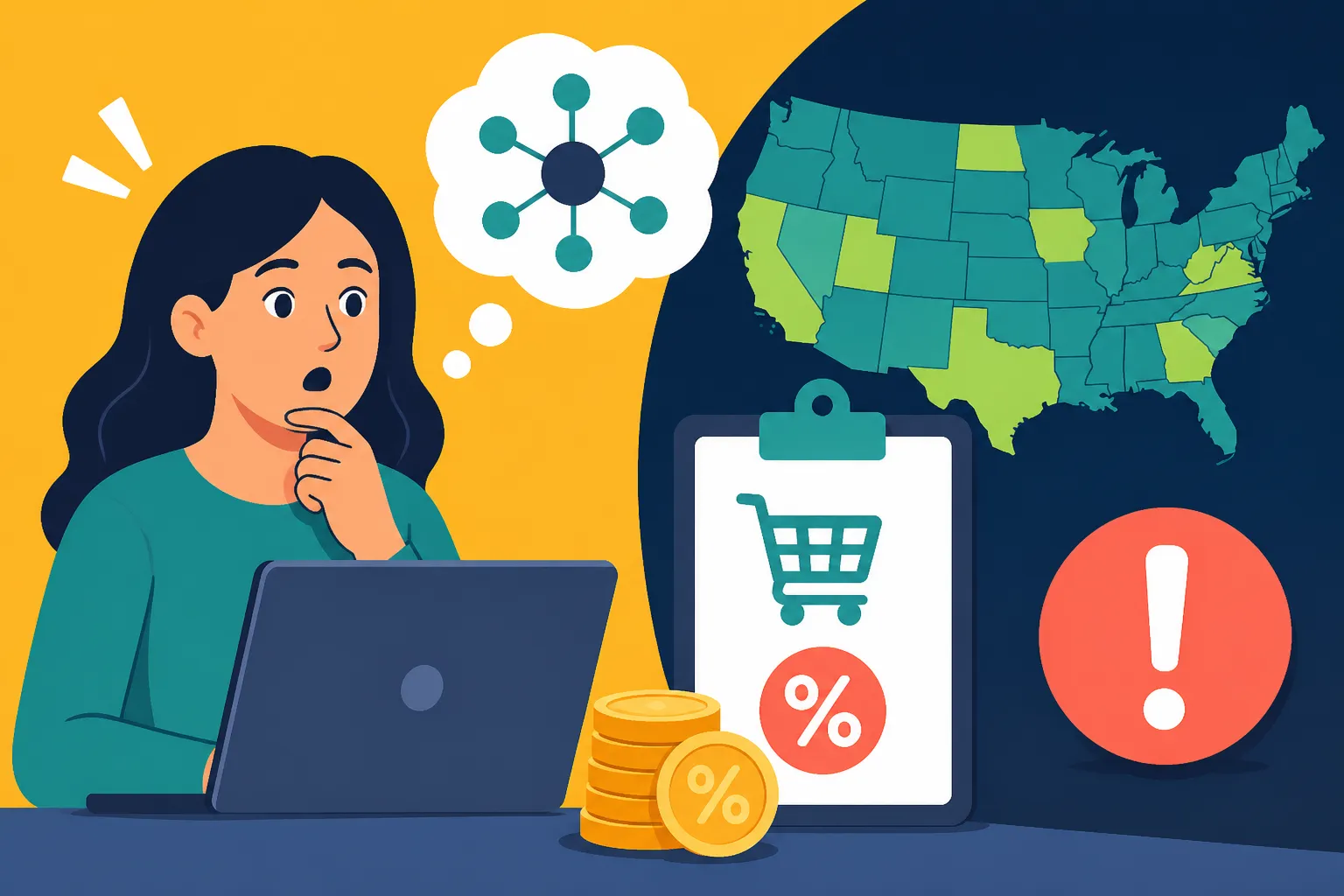
It's a scary thought, isn't it? That you might unknowingly owe sales tax to a state you've never even set foot in, or perhaps only briefly passed through for a trade show. For many small business owners, especially those selling online, the labyrinth of sales tax nexus rules can feel like a hidden trap. Discovering you've had nexus in a state for months or even years without collecting a dime can lead to a wave of panic and "what now?" questions. This guide is here to walk you through exactly what happens if you find yourself in this unsettling situation and, more importantly, what concrete steps you can take to mitigate the damage and get back on track.
The Invisible Tripwire: How Nexus Can Catch You Off Guard
For a long time, sales tax was relatively straightforward. If you had a physical presence – a store, an office, employees – in a state, you had sales tax nexus there. Simple enough, right? Then came the digital age, and with it, the complexities exploded. The Supreme Court's 2018 South Dakota v. Wayfair decision was a game-changer, introducing the concept of "economic nexus." Suddenly, just selling enough products into a state could create a tax obligation, even if you never physically crossed its border. This shift is often what catches businesses unaware, leaving them vulnerable to unexpected liabilities.
Understanding Economic Nexus Thresholds
Economic nexus means that if your sales into a particular state (or sometimes your transaction count) exceed a certain threshold, you are deemed to have a "significant presence" there, requiring you to collect and remit sales tax. These thresholds vary wildly from state to state, making it incredibly difficult to track without dedicated resources. For instance, many states set the bar at $100,000 in gross sales or 200 separate transactions in a calendar year, but this isn't universal. Some states, like California and Texas, have a higher threshold of $500,000 in sales, while others might have different rules for specific types of products or services. Adding to the confusion, several states have begun to eliminate the 200-transaction count threshold, focusing solely on the sales dollar amount.
It’s not just about the amount of sales, either. Sometimes, things you wouldn't expect can trigger nexus. Storing inventory in a third-party warehouse, like through Amazon FBA, or having affiliate marketers in a state can inadvertently create physical or affiliate nexus, even if your direct sales volume isn't huge. The key takeaway here is that sales tax nexus is not a "one-size-fits-all" scenario across state lines. Each state has its own specific rules and nuances, and staying on top of all of them is a full-time job. If you want a deeper dive into the ins and outs, our guide on Sales Tax Nexus Explained Physical vs Economic covers the core differences.
The Problem of Trailing Nexus and Retroactivity
Another challenging aspect of unknowingly having nexus is the concept of "trailing nexus." This means that once you've established nexus in a state, you often maintain that nexus for a certain period even if your sales drop below the threshold. The exact duration varies by state, but it usually ensures that once you're on their radar, you can't just disappear overnight from a tax perspective.
More critically, when a state discovers you had nexus and didn't collect, they can hold you responsible for back taxes, penalties, and interest going all the way back to when nexus was established. This retroactive liability can be financially devastating for businesses that haven't set aside those funds. Imagine a small online boutique that thought they only had nexus in their home state, only to find out they hit the economic nexus threshold in three other states two years ago. The amount of uncollected tax, plus interest and penalties, could easily wipe out their profits and then some. This is why understanding where you might have economic nexus, as detailed in our Economic Nexus by State 2026: Thresholds Guide, is absolutely crucial for any growing business.
The Unpleasant Realities of Discovery: What Happens When States Find Out
So, you've realized you had nexus and weren't collecting. The first feeling is usually dread, and for good reason. States are increasingly sophisticated in how they identify non-compliant businesses. They don't just wait for you to come clean; they actively look.
The Dreaded Audit Letter
One common way states discover non-compliance is through audits. An audit can be triggered for a variety of reasons: data sharing agreements between states, tips from competitors (yes, it happens), unusual patterns in your business filings (or lack thereof), or simply being selected randomly. When that official letter from a state's Department of Revenue lands in your mailbox, it's rarely good news, especially if you haven't been collecting sales tax there.
During an audit, the state will meticulously review your sales records, shipping addresses, advertising locations, and other business activities to determine when and where you established nexus. If they find you should have been collecting sales tax, they won't hesitate to assess the taxes you failed to collect, often with hefty interest and penalties tacked on. These penalties aren't just a slap on the wrist; they can be substantial, ranging from a percentage of the underpaid tax to flat fees for each delinquent period. Our comprehensive guide on Sales Tax Penalties & Late Filing by State breaks down what you could be facing.
Uncollected Sales Tax Becomes Your Burden
Here's the harsh truth that many business owners grapple with: if you failed to collect sales tax from your customers, that liability typically falls back on you, the seller. You can't retroactively charge your past customers. This means you're essentially paying out of your own pocket for taxes that should have been passed along to the consumer. This can be a significant hit to your cash flow and profitability, especially if the period of non-compliance spans several years and involves multiple states.
Consider the hypothetical case of "Crafty Corner," an online store selling handmade items. They've been in business for three years and only collected sales tax in their home state of Oregon (which, by the way, has no statewide sales tax, but let's imagine for a moment it did for illustration). They suddenly realize they've crossed the economic nexus threshold in Texas and Florida for the past two years. The state of Texas might demand sales tax from all sales into the state, plus interest and penalties. Crafty Corner now has to pay that out of its already earned revenue, significantly impacting their bottom line. It's a tough pill to swallow, and it highlights why proactive nexus monitoring is so critical.
Your Options When You Discover Unreported Nexus
Okay, the bad news is out of the way. You've identified that you have nexus somewhere you didn't realize, and you might owe back taxes. While it feels overwhelming, you're not entirely without recourse. There are strategic ways to approach this situation, some better than others.
Option 1: The "Head in the Sand" Approach (Not Recommended)
Let's just get this one out of the way: doing nothing is almost always the worst possible strategy. While it might seem tempting to hope the state never finds you, the risk of discovery is increasing. States are becoming more aggressive in their enforcement, and the consequences of being caught through an audit are typically far more severe than if you come forward voluntarily. Ignoring the problem won't make it disappear; it will only allow interest and penalties to accrue, making the eventual bill even larger. The stress of knowing you're non-compliant is also a significant burden on any business owner.
Option 2: Voluntary Disclosure Agreements (VDAs)
This is often the most appealing and financially sound option for businesses that discover unreported nexus. A Voluntary Disclosure Agreement (VDA) is a formal program offered by many states that allows a non-compliant taxpayer to come forward, confess their past sales tax liabilities, and typically receive favorable treatment in return. The benefits can include a limited "lookback period" (meaning the state will only require you to pay back taxes for a certain number of past periods, often 3-4 years, rather than the entire period of non-compliance), and in many cases, a full waiver of penalties, or at least a significant reduction. Interest usually still applies, but avoiding penalties can save a substantial amount of money.
To pursue a VDA, you typically work through a third-party representative (like an accountant or a sales tax consultant) to maintain anonymity during the initial contact with the state. This helps prevent the state from immediately opening an audit if your VDA application is rejected or if terms can't be agreed upon. Once approved, you'll calculate the back taxes owed for the agreed-upon lookback period, register for a sales tax permit in that state, and then remit the taxes. Companies like Avalara offer services that can help businesses navigate the often-complex VDA process, from identifying nexus to calculating historical liabilities and filing the necessary paperwork. Our article on Voluntary Disclosure Agreements VDA Explained goes into much more detail on how these agreements can benefit you.
Option 3: Register and Start Collecting Now, Address Past Liabilities Later
Another approach, though less comprehensive than a VDA for past issues, is to immediately register for a sales tax permit in the state(s) where you've identified nexus and begin collecting and remitting sales tax on all future sales. This stops the bleeding, so to speak, and prevents new liabilities from accumulating. While it doesn't resolve your past non-compliance, it demonstrates a good-faith effort to become compliant going forward.
Once you're registered and collecting, you can then assess your options for the historical liability. You might still pursue a VDA for the past periods, or if the amount owed is relatively small, you might simply file amended returns and pay the back taxes, interest, and any applicable penalties. This option is often chosen when the historical liability is minimal or if a VDA is not available or practical for a particular state. The important thing is to stop the problem from getting worse by becoming compliant for all future transactions. You can find comprehensive guides on Registering for Sales Tax in Multiple States to get started.
Proactive Measures to Prevent Future Surprises
Realizing you've unknowingly had nexus is a tough lesson, but it's one you only want to learn once. The key to avoiding this stress in the future is proactive and ongoing sales tax compliance management.
Regularly Monitor Your Nexus Footprint
Sales tax nexus isn't a "set it and forget it" kind of thing. Your business grows, your sales territories expand, and state laws change. What didn't create nexus yesterday might create it tomorrow. It's crucial to regularly review your sales data, physical operations, and marketing activities against current state nexus laws.
This means:
- Tracking Sales Volume: Keep a close eye on your gross sales into each state. Are you approaching or exceeding those economic nexus thresholds?
- Monitoring Physical Presence: Are you expanding into new warehouses? Sending employees to trade shows in new states? Utilizing dropshippers or affiliates? Any of these can trigger physical or click-through nexus.
- Staying Updated on Law Changes: States frequently adjust their economic nexus thresholds, update what goods and services are taxable, and even introduce new types of nexus. For instance, some states are now exploring nexus for certain digital services. Our article How Often Do Sales Tax Rates Change? might offer some surprising insights.
Leverage Sales Tax Compliance Software
Manually tracking nexus thresholds, calculating rates across thousands of jurisdictions, and managing filing deadlines for multiple states is virtually impossible for most businesses. This is where sales tax compliance software truly shines. These platforms are designed to automate the entire sales tax process, from nexus monitoring to rate calculation, collection, and filing.
Solutions like Avalara are specifically built to address these complex challenges. They can:
- Automate Nexus Tracking: Alert you when you're approaching or exceed an economic nexus threshold in a new state.
- Accurately Calculate Rates: Apply the correct sales tax rate, right down to the specific street address, considering state, county, city, and special district taxes. This is especially vital in states with complex local rates like Louisiana Parish Sales Tax Complexity or California District Taxes Explained.
- Manage Exemptions: Handle resale certificates and other exemption documents.
- Automate Filing and Remittance: Prepare and file your sales tax returns in all your nexus states on time.
Investing in such a system frees you from the constant worry of sales tax non-compliance, allowing you to focus on growing your business. For a deeper look at your options, check out our guide on the Best Sales Tax Compliance Software 2027.
The Benefits of Proactive Compliance
The alternative to discovering a hidden nexus surprise is proactive compliance. While it might seem like an added administrative burden, the peace of mind and financial security it offers are invaluable.
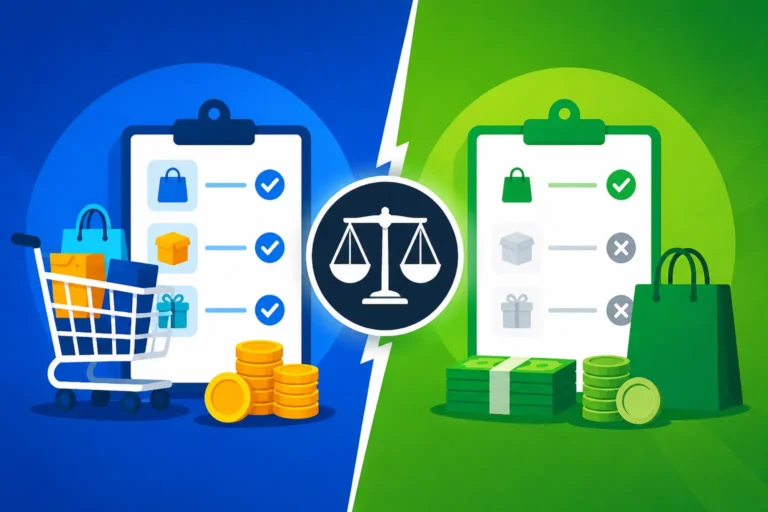
| Feature | Reactive (Discovery of Unreported Nexus) | Proactive (Ongoing Compliance) |
|---|---|---|
| Costs | Back taxes, interest, potential significant penalties, legal/consulting fees | Ongoing software/service fees, accurate tax collection from customers |
| Risk of Audit | High, especially if state discovers you first | Lower, as you are compliant and filing correctly |
| Reputational Impact | Negative if discovered publicly or through severe enforcement actions | Positive, demonstrates responsible business practices |
| Administrative Burden | High, requires historical data gathering, complex VDA process or audit response | Manageable, automated processes, regular monitoring |
| Financial Exposure | Uncollected taxes become your liability, potential for large lump-sum payments | Taxes collected from customers, predictable costs, no surprise bills |
| Peace of Mind | Very low, constant worry about discovery and consequences | High, confidence in compliance, focus on business growth |
Ultimately, understanding How to Know If You Have Sales Tax Nexus and acting on that knowledge is crucial. Whether it’s getting professional advice, utilizing advanced compliance software like Avalara, or simply being more diligent in monitoring your sales, taking control of your sales tax obligations is one of the smartest moves you can make for your business. It might feel like a huge hurdle initially, but getting compliant, even after years of not collecting, is entirely achievable.
Disclaimer
Please remember that this article is intended for informational purposes only and does not constitute tax or legal advice. Sales tax laws are complex and constantly changing. It is always recommended to consult with a qualified tax professional or legal expert to discuss your specific business situation and ensure full compliance with all applicable state and local sales tax regulations.