Economic Nexus Threshold Base: Gross vs Taxable Sales
Navigating the choppy waters of sales tax compliance is already a huge headache for online businesses, and one of the biggest sources of confusion stems from how states define their economic nexus thresholds. It’s enough to make you throw your hands up in exasperation when some states talk about "gross sales" while others focus on "taxable sales." This guide is here to untangle that complexity, helping you understand the crucial differences and how to determine if your business has crossed the line in various states.
Understanding the Genesis of Economic Nexus
Before we dive deep into the nitty-gritty of gross versus taxable sales, it’s essential to understand why we're even having this conversation. For decades, sales tax nexus was relatively straightforward: if you had a physical presence in a state – an office, a warehouse, employees, or even just inventory – you had nexus there. You were then responsible for collecting and remitting sales tax on sales made to customers within that state. Simple, right? Well, then the internet happened, and everything changed.
The rise of e-commerce meant businesses could sell to customers nationwide without ever setting foot in many states. This created a significant loophole where remote sellers weren't collecting sales tax, leading to massive revenue losses for states. Traditional nexus rules simply weren't equipped to handle this new reality, leaving states scrambling to find a way to level the playing field between local brick-and-mortar stores and out-of-state online retailers. This financial pressure and the desire for fairness eventually led to a landmark legal battle that redefined sales tax obligations for remote sellers across the country.
The Post-Wayfair Landscape and Its Challenges
The watershed moment came in 2018 with the Supreme Court's ruling in South Dakota v. Wayfair, Inc. This decision essentially overturned the long-standing "physical presence" rule, giving states the green light to require remote sellers to collect sales tax if their economic activity in that state met certain thresholds. Suddenly, if you were an online seller shipping products all over the country, you could have "economic nexus" in a state even without a single physical location there. This was a game-changer, and not always for the better, as it thrust small and medium-sized businesses into a world of complex multi-state tax compliance they had never anticipated.
The immediate aftermath was, to put it mildly, chaotic. States rapidly enacted their own economic nexus laws, each with slightly different rules and thresholds. While the Wayfair decision provided the legal framework, it left the specifics up to individual state legislatures, leading to a patchwork of regulations that continues to baffle businesses today. Businesses that once only worried about their home state's sales tax suddenly needed to monitor their sales volume and transaction count in potentially dozens of states, a task that quickly became overwhelming without proper tools and understanding. For a deeper dive into the ruling, check out our guide on South Dakota v. Wayfair: What It Means for Sellers.
Why the "Threshold" Concept Emerged
With the Supreme Court's blessing, states needed a way to define how much economic activity would trigger nexus. They couldn't reasonably expect a small startup making one sale a year to South Dakota to register and collect sales tax. So, the concept of a "threshold" was born – a specific amount of sales revenue or number of transactions within a given period that, once crossed, would establish economic nexus.
Most states settled on thresholds around $100,000 in sales or 200 separate transactions annually. These figures were generally seen as reasonable benchmarks to capture larger remote sellers while exempting the smallest businesses from undue burden. However, the critical detail that often gets overlooked, and is the focus of our discussion today, is what kind of sales count towards these thresholds. Is it every dollar that comes through your door, or only the sales of items that are actually subject to sales tax in that specific state? This distinction is absolutely vital for accurate nexus determination and compliance.
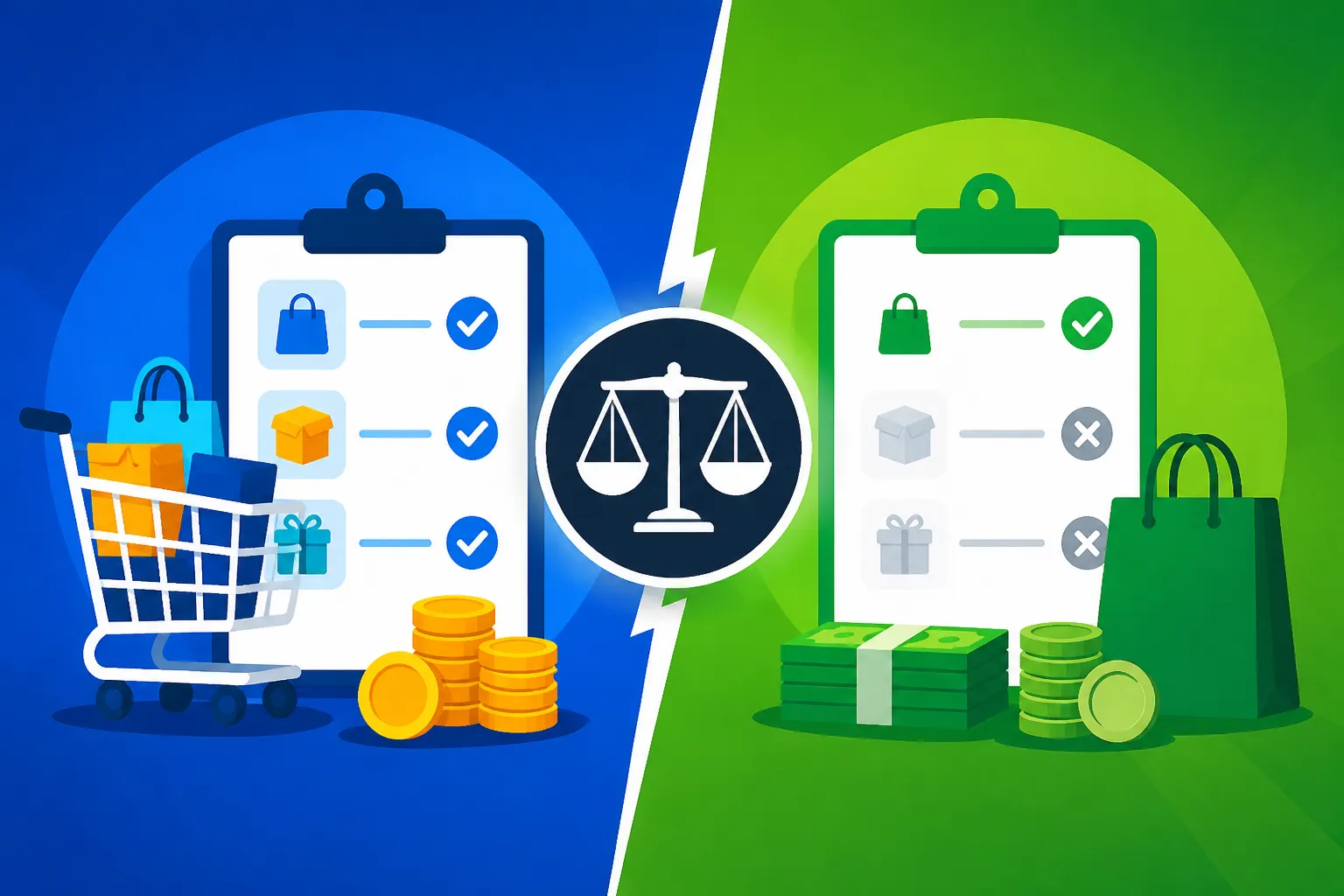
Gross Sales vs. Taxable Sales: The Core Distinction
This is where the rubber meets the road, and where a lot of businesses get tripped up. The terms "gross sales" and "taxable sales" might sound similar, especially if you're not deeply entrenched in sales tax jargon, but they have profoundly different implications when it comes to economic nexus thresholds. Misunderstanding which one a state uses can lead to either collecting tax unnecessarily (and frustrating customers) or, far worse, failing to collect when you should, which can result in significant penalties down the line.
It’s not just an academic exercise; it has real-world consequences for your financial planning and compliance strategy. Imagine thinking you haven't hit a state's threshold because your taxable sales are low, only to find out they calculate it based on your gross sales, which are much higher. That’s a recipe for a compliance nightmare. Understanding the nuances of these definitions is the first step toward building a robust sales tax strategy for your online business.
Defining Gross Sales in the Context of Nexus
When a state refers to "gross sales" for its economic nexus threshold, they generally mean the total revenue generated from all sales into that state, regardless of whether those individual sales were actually subject to sales tax. This includes:
- Taxable sales: Sales of products or services that the state does impose sales tax on.
- Exempt sales: Sales of products or services that are specifically exempt from sales tax in that state (e.g., certain groceries, clothing below a certain price point, or sales for resale).
- Non-taxable services: Revenue from services that the state doesn't consider subject to sales tax.
- Shipping and handling charges: If included in the total sale, even if shipping itself might be exempt.
The key takeaway here is everything counts. Even if you sell primarily non-taxable items, those sales contribute to your gross sales threshold. For instance, if you're a clothing retailer selling only exempt apparel in a state that exempts clothing under $110, every single one of those sales still counts towards your gross sales threshold, even though you wouldn't collect any tax on them. If your total revenue from these exempt sales to customers in that state exceeds $100,000, you would likely have economic nexus and be required to register, even if your actual sales tax collected is zero. This can feel counterintuitive, but it's a critical distinction to grasp.
Understanding Taxable Sales and Their Nuances
On the other hand, when a state specifies "taxable sales" for its economic nexus threshold, they are looking only at the revenue generated from sales of products or services that are subject to sales tax in that specific state. This means:
- Exempt sales do NOT count: If you sell groceries in a state where groceries are exempt from sales tax, those sales would not count towards a "taxable sales" threshold.
- Non-taxable services do NOT count: Revenue from services that the state does not tax would also be excluded.
- Sales for resale do NOT count: If you sell to another business with a valid resale certificate, those sales are generally not included in taxable sales.
This approach often feels more logical to business owners, as it directly correlates nexus with actual taxability. If you primarily sell items that are exempt in a given state, it's far less likely you'll trip a "taxable sales" threshold there, simply because most of your revenue won't be considered. However, the complexity here lies in knowing exactly what is and isn't taxable in each state, which can vary wildly. For example, Is Clothing Taxable? Sales Tax on Apparel by State highlights how clothing can be fully taxable, partially exempt, or fully exempt depending on the state, significantly impacting what counts towards a "taxable sales" threshold.
How States Apply Thresholds: Gross, Taxable, or Both?
This is where the state-by-state patchwork really shines (or, more accurately, glares). There’s no single, uniform approach across the United States. Each state has its own interpretation and wording for its economic nexus laws, which makes careful due diligence absolutely essential for any business selling across state lines. Some states are very clear, while others use language that requires a bit more interpretation or even consulting official guidance.
This lack of standardization is precisely why keeping track of your obligations can be such a full-time job. It's not enough to know that a state has an economic nexus threshold; you need to know the specific details of how they define that threshold, including whether it's based on gross sales, taxable sales, or includes a transaction count. Missing these details could lead to compliance gaps or unnecessary registrations.
States Primarily Using Gross Sales Thresholds
Many states have opted for the simpler, more inclusive "gross sales" approach. This means they count all your sales into the state towards the economic nexus threshold, regardless of whether those sales were ultimately subject to sales tax. This simplifies tracking for the state, as they don't have to differentiate between taxable and non-taxable items when assessing if nexus has been triggered. It also casts a wider net, potentially pulling in businesses that sell a high volume of exempt goods or services.
For instance, consider states like Economic Nexus Threshold in California ($500k)) or Economic Nexus Threshold in Texas ($500k)). Both of these giants have thresholds that are explicitly based on gross receipts from sales into the state. This means that if your business, say, sells only tax-exempt medical devices or publishes a free online magazine supported by advertising revenue (which isn't taxed as a good), those sales still count towards the $500,000 threshold in these states. Once you cross it, you're expected to register for a seller's permit, even if most of your actual sales tax liability might be low or zero. This broad definition requires businesses to diligently track all sales data, not just those that appear to be taxable.
States Focusing on Taxable Sales for Nexus
A smaller but significant number of states take a more targeted approach, defining their economic nexus thresholds based explicitly on "taxable sales." This means they only count the revenue from sales of goods and services that are actually subject to sales tax within their jurisdiction. This method aims to establish nexus for businesses that are truly generating potential sales tax revenue for the state, rather than those primarily selling exempt items.
For example, states like Pennsylvania or New Jersey, which notably exempt most clothing and certain food items, might use a taxable sales threshold to ensure that businesses primarily selling these exempt goods aren't unduly burdened with registration requirements. If you're a purveyor of fine pastries and bottled water, and those items are exempt in a state with a "taxable sales" threshold, you might not trigger nexus there even with substantial sales volume. However, if you add taxable items like coffee mugs to your offerings, those mug sales would contribute to the threshold. It makes perfect sense, but it means businesses need an intimate understanding of each state's taxability rules for their specific products and services. For additional guidance, our article Sales Tax Nexus Explained Physical vs Economic provides more context on these distinctions.
States with Hybrid or Transaction-Based Thresholds
Adding another layer of complexity, some states employ a hybrid approach or include a transaction-based threshold alongside a sales volume threshold. This often means hitting either the sales dollar amount or the transaction count will trigger nexus. And within this, some states might use gross sales for the dollar amount, while others specify taxable sales.
A prime example is New York, which has an economic nexus threshold of $500,000 in gross receipts AND more than 100 sales transactions. So, even if your gross sales are under $500,000, if you make 101 sales to New York customers, you could potentially have nexus. For specific details, refer to Economic Nexus in New York ($500k + 100 Sales). This is especially important for businesses selling lower-priced items, where the number of transactions can quickly add up, even if the total dollar volume remains relatively low. Other states might initially include a transaction threshold, then drop it after a few years, adding to the ever-changing landscape of compliance. It’s crucial to not only know the current thresholds but also keep an eye on 2026 Sales Tax Rate Changes by State and nexus law updates.
Here's a simplified table illustrating how a few states approach their economic nexus thresholds:
| State | Sales Threshold | Transaction Threshold | Base for Sales Threshold | Key Considerations |
|---|---|---|---|---|
| California | $500,000 | None | Gross Sales | All sales, taxable or exempt, count towards $500k. |
| Texas | $500,000 | None | Gross Sales | Same as California, total revenue matters. |
| New York | $500,000 | 100 | Gross Sales | Hit either the sales volume OR transaction count. |
| Illinois | $100,000 | 200 | Gross Receipts | Another state where all sales count towards the threshold. |
| Arizona | $100,000 | 200 | Gross Sales (TPT) | Transaction Privilege Tax (TPT) is gross-based. |
| Washington | $100,000 | 200 | Gross Retail Sales | B&O tax is gross, sales tax nexus based on gross retail. |
Note: This table is for illustrative purposes only and specific state laws can change. Always verify current regulations.
The Impact on Your Business: Why This Distinction Matters
The difference between gross and taxable sales for economic nexus might seem like a small detail, but it has monumental implications for how you manage your business's sales tax compliance. Ignoring this distinction, or misinterpreting a state's rule, can lead to serious legal and financial repercussions. It’s not just about avoiding penalties; it’s about having a clear, accurate picture of your tax obligations, which directly impacts your pricing, profitability, and growth strategy.
Think about it: if you incorrectly assume a state uses taxable sales when it actually uses gross sales, you might be blissfully unaware that you crossed a threshold months ago. This could lead to a significant backlog of uncollected tax, interest, and penalties when the state eventually catches up. On the other hand, if you collect tax in a state where you haven't actually established nexus, you create unnecessary administrative work for yourself and potentially frustrate customers who question why they're being charged sales tax.
Tracking Sales Accurately for Nexus Determination
The most immediate impact is on your data tracking. To accurately determine where you have economic nexus, you need a robust system that can differentiate between various types of sales, not just lump them all together. If a state uses a "gross sales" threshold, you need to track all sales into that state, including those of exempt items, services, or sales for resale. If a state uses a "taxable sales" threshold, your system needs to specifically identify and total only those sales that are subject to sales tax in that particular jurisdiction.
Many accounting software solutions can help with general sales tracking, but few are designed out-of-the-box to handle the intricate state-by-state variations required for nexus monitoring. This is where dedicated sales tax compliance tools or carefully configured enterprise resource planning (ERP) systems become invaluable. You need to be able to pull reports that show your gross sales and your taxable sales into each state separately, month by month, to accurately assess when and where you might be approaching or exceeding a threshold. Remember, states are actively monitoring online sales, and ignorance is rarely a valid excuse. Understanding How to Know If You Have Sales Tax Nexus is paramount.
Potential Pitfalls of Misinterpreting Thresholds
The consequences of misinterpreting economic nexus thresholds can be severe. The biggest risk is under-collection. If you wrongly believe you haven't met a threshold because you're only looking at taxable sales when the state counts gross sales, you won't register or collect tax. When the state eventually audits you, they'll hold you responsible for all the uncollected sales tax, plus interest and penalties. This can amount to a substantial sum, potentially crippling a small or growing business.
Another pitfall is compliance fatigue. The sheer volume of varying state rules can lead to errors even with the best intentions. Some businesses might proactively register in states where they haven't actually met a threshold just to be safe, leading to unnecessary filing obligations and administrative burdens. This is why having a clear understanding of the gross vs. taxable distinction is so important: it allows you to be precise in your compliance efforts, focusing resources where they are truly needed. For more on avoiding common mistakes, see our guide on Do I Need to Collect Sales Tax for Online Sales?.
Navigating Nexus Once a Threshold is Met
Once you determine that you've crossed an economic nexus threshold in a particular state, the clock starts ticking. You typically have a set period (often the remainder of the current calendar year plus the next calendar year, but check individual state rules) to register for a sales tax permit and begin collecting sales tax. This process involves:
- Registering for a Sales Tax Permit: Each state has its own registration process, usually through its Department of Revenue website. This can be time-consuming if you need to Registering for Sales Tax in Multiple States.
- Configuring Your Sales Platform: You'll need to update your e-commerce platform, point-of-sale system, or accounting software to accurately calculate and collect the correct sales tax for all taxable sales to customers in that state. This means setting up tax rates for state, county, city, and district taxes, and understanding origin vs. destination sourcing rules.
- Filing Sales Tax Returns: Once registered, you'll have ongoing filing obligations, usually monthly, quarterly, or annually, even if you collect zero sales tax in some periods.
The journey doesn't end once you start collecting. You also need to continuously monitor your sales in all states to identify new nexus triggers, and stay updated on any changes to existing thresholds or taxability rules. This is an ongoing commitment that requires vigilance and often, automation.
Practical Steps for Businesses to Maintain Compliance
Given the complexities, what's a business owner to do? The good news is that while the landscape is intricate, it's not impossible to navigate. A proactive approach, combined with the right tools and a willingness to stay informed, can keep your business compliant and help you avoid unnecessary headaches and penalties. It all starts with accepting that sales tax compliance is an ongoing, dynamic process, not a one-time setup.
One of the biggest mistakes businesses make is trying to handle everything manually or only reacting when an issue arises. With potentially dozens of different state rules to contend with, a manual approach becomes unsustainable very quickly as your business grows. The key is to implement systems and processes that automate as much of the monitoring and calculation as possible, freeing you up to focus on running your core business.
Regular Review of Sales Data and State Laws
First and foremost, you need a consistent schedule for reviewing your sales data against current state economic nexus thresholds. This should be done at least quarterly, if not monthly, depending on your sales volume and growth rate. For each state, analyze your gross sales, taxable sales, and transaction count (if applicable) for the trailing 12-month period. The "trailing 12 months" is a common look-back period states use, meaning they continually assess your sales over the previous year.
Don't just look at the dollar amount; also pay close attention to the transaction count, especially if you sell low-cost items. One state might have a $100,000 threshold, while another might have $100,000 or 200 transactions. It's easy to blow past the transaction count without even realizing it if you're only focused on revenue. Beyond your own sales data, you also need to keep tabs on legislative changes. States occasionally adjust their economic nexus thresholds or modify what counts towards them. Staying informed about Economic Nexus by State 2026: Thresholds Guide and other updates is crucial.
Leveraging Technology for Nexus Tracking
Trying to manually track sales data for dozens of states, distinguishing between gross and taxable sales, and staying updated on constantly changing thresholds and laws is nearly impossible for most businesses. This is where sales tax automation software becomes an absolute lifesaver. Tools like Avalara or TaxJar are specifically designed to:
- Monitor Nexus: Automatically track your sales data against the current economic nexus thresholds for all states, alerting you when you're approaching or have crossed a threshold.
- Determine Taxability: Accurately apply the correct tax rates based on the customer's location (destination-based sourcing is common for remote sellers), and correctly identify which products and services are taxable in each state.
- Automate Returns: Prepare and often file your sales tax returns automatically, ensuring you meet filing deadlines and remit the correct amounts.
Implementing a reliable sales tax solution can save you countless hours, reduce the risk of errors, and provide peace of mind. While there's an investment involved, the cost of non-compliance (penalties, interest, back taxes, and audit fees) almost always far outweighs the cost of good compliance software. If you're wondering if it's worth it for your business, consider our article on Sales Tax Automation: Is It Worth It?. For larger businesses, Avalara vs TaxJar: Which Sales Tax Software? provides a comparison of popular solutions.
When to Seek Expert Guidance
Even with the best software, there are times when you'll benefit from expert advice. Sales tax law can be incredibly nuanced, especially for businesses with complex sales models (e.g., drop shipping, SaaS, digital products) or those operating in states with particularly tricky rules, such as Colorado's home-rule complexities. If you're unsure about the taxability of a specific product or service, or if you've discovered you've had nexus in a state for a while without realizing it, consulting a sales tax professional or a CPA specializing in multi-state taxation is a wise move.
These experts can help you interpret obscure state guidance, assist with voluntary disclosure agreements (VDAs) if you have a significant past-due liability, or even represent you during an audit. They can provide clarity and strategize the most efficient path to compliance, preventing small issues from escalating into major problems. Don't be afraid to ask for help; the sales tax landscape is challenging for everyone, and having an expert on your side can be the best investment you make. For situations where you need to catch up, our guide How to Get Sales Tax Compliant After Years of Not Collecting offers practical advice.
Disclaimer
Please remember that sales tax laws are constantly evolving. The information provided in this article is for general informational purposes only and does not constitute professional tax or legal advice. Always consult with a qualified tax professional or legal expert for advice tailored to your specific business situation.