Do Wholesalers Need to Collect Sales Tax?
One of the most persistent headaches for businesses, especially those operating behind the scenes, is figuring out sales tax. Wholesalers often find themselves in a unique position, wrestling with questions about whether they even need to collect sales tax when they're selling to other businesses. It feels counterintuitive to add tax when the end consumer hasn't even bought the product yet, right? This comprehensive guide aims to clear up that confusion, explaining when wholesalers are off the hook, when they're not, and how to navigate the complexities.
The Core Principle: Sales for Resale Are Generally Exempt
Let's start with the fundamental concept that gives wholesalers a bit of a break. Sales tax, at its heart, is a consumer tax. It's meant to be collected on the final sale to an end-user, the person who's actually going to use or consume the product. When you're selling goods to another business that intends to resell those very same goods, it's typically considered a "sale for resale" and is usually exempt from sales tax at your level.
Understanding the 'Resale' Exemption
Imagine you're a wholesaler selling stylish t-shirts to a small boutique down the street. That boutique isn't buying those shirts to wear themselves or to decorate their store with; they're buying them with the clear intention of selling them to their own customers. If you, as the wholesaler, collected sales tax from the boutique, and then the boutique also collected sales tax from the end customer, that would effectively be double taxation on the same item. States generally want to avoid this, which is why the resale exemption exists.
The key here is that the item must be intended for resale without substantial alteration. If you sell raw fabric to a clothing manufacturer who then turns it into a dress, that's still considered a sale for resale of materials that become part of the finished product. However, if you sell a fancy coffee machine to a café owner who will use it to brew coffee for customers, that's not a sale for resale of the coffee machine itself, because the machine isn't being resold to the end consumer. It's being used by the business. This distinction is absolutely crucial and often where the confusion begins for many wholesalers.
The Importance of Resale Certificates
Now, while the principle of not taxing sales for resale sounds straightforward, the proof of that intention is where the rubber meets the road. As a wholesaler, you cannot simply assume your buyer is going to resell the goods and therefore not charge them sales tax. You need a formal document from your buyer, commonly known as a resale certificate (or reseller's permit, exemption certificate, etc., depending on the state).
This certificate is your golden ticket. It's a legal document that your buyer provides, stating under penalty of perjury, that the goods they are purchasing from you are intended for resale. It's your evidence that you, the wholesaler, correctly determined the sale was exempt. Without a valid resale certificate on file for each exempt transaction, you could be on the hook for the uncollected sales tax, interest, and penalties if an auditor comes knocking. States have specific requirements for what makes a certificate valid, so understanding your obligations to collect and verify these forms is paramount. To learn more about these critical documents, check out our comprehensive guide on Resale Certificate by State: Complete Guide.
When Wholesalers Do Need to Collect Sales Tax
While the resale exemption covers a significant portion of wholesale transactions, there are definite scenarios where you, as a wholesaler, are absolutely required to collect sales tax. Ignoring these can lead to significant financial penalties and compliance headaches down the line.
Sales to End-Users or for Business Consumption
This is perhaps the most common situation where wholesalers must collect sales tax. Remember that core principle? Sales tax is for the final consumer. If the business you're selling to isn't going to resell the product, but rather use it in their own operations or consume it, then they are the "final consumer" in that transaction, and sales tax applies.
Let's revisit our t-shirt wholesaler example. What if that boutique owner decides to buy a few of your t-shirts not for their inventory, but to give to their employees as part of a uniform? Or perhaps they want to use one as a display piece in their store that isn't for sale? In these instances, the t-shirts are being consumed by the business, not resold. Therefore, you, the wholesaler, would need to charge sales tax on those specific t-shirts. Another classic example is a restaurant supply wholesaler selling a new oven to a local diner. The diner isn't reselling the oven; they're using it to cook food for their customers. That sale of the oven to the diner is a taxable transaction. Always ask yourself: is this item going to be part of what my customer sells or part of what they use to operate their business?
The Concept of Sales Tax Nexus for Wholesalers
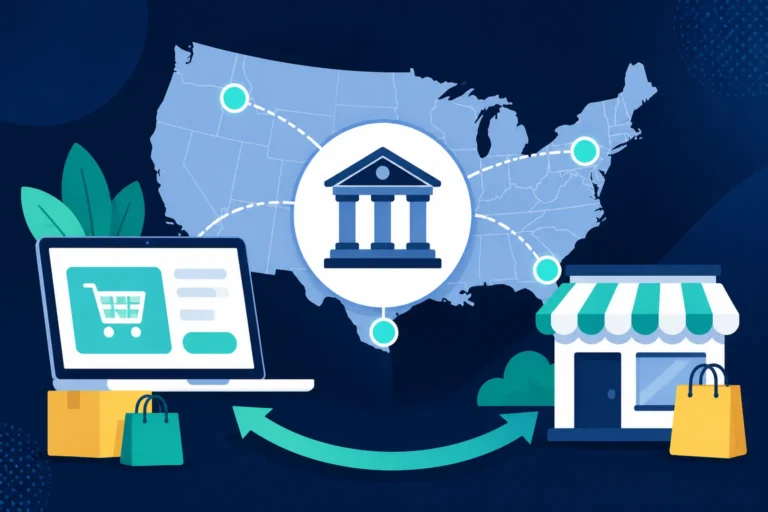
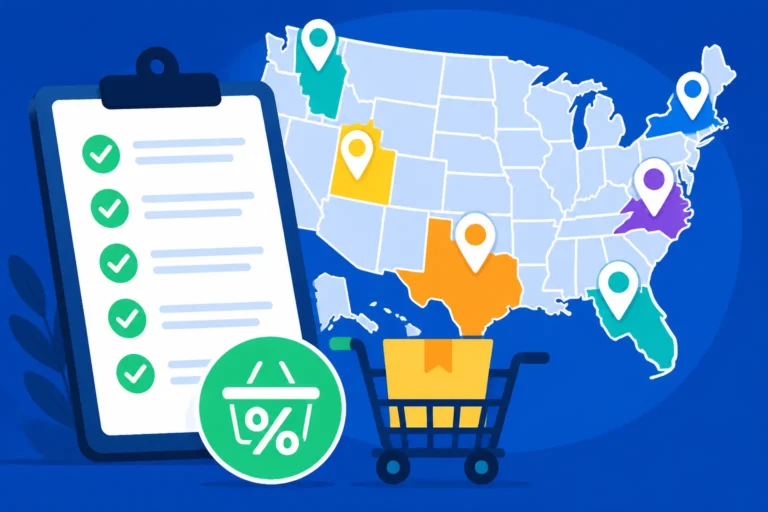
Even if nearly all your sales are for resale and thus exempt, you still have an obligation to register for a sales tax permit and be ready to collect tax if you have "nexus" in a particular state. Nexus basically means you have a significant enough connection to a state that you're required to collect and remit sales tax there. This applies to wholesalers just as much as it does to retailers. If you're a wholesaler with a physical warehouse in Dallas, Texas, you clearly have physical nexus there. This means you must obtain a sales tax permit in Texas, even if 99% of your sales from that warehouse are to retailers with valid resale certificates. For a deeper dive, explore Sales Tax Nexus Explained Physical vs Economic.
The landscape of nexus has changed dramatically since the 2018 Supreme Court decision in South Dakota v. Wayfair. Now, even if you don't have a physical presence, you can establish "economic nexus" in a state if your sales volume or transaction count exceeds a certain threshold. For example, if your wholesale business sells $150,000 worth of goods annually into Florida, even if all those sales are to businesses with resale certificates, you might still meet Florida's economic nexus threshold. Once nexus is established, you are obligated to register for a sales tax permit in that state and collect sales tax on any taxable sales (i.e., sales to end-users) made within that state. Understanding these thresholds is vital, and our guide on Economic Nexus by State 2026 Thresholds Guide can provide more specific details.
Untaxable Services vs. Taxable Goods
Many wholesalers don't just sell tangible goods; they might also offer services. The taxability of services is highly dependent on individual state laws, and it's a patchwork of regulations across the country. Some states tax a broad range of services, while others only tax specific ones or none at all. For example, if you're a wholesale distributor of promotional products, and you offer custom design services in conjunction with the products you sell, that service might be taxable in some states and not in others. Or, if you offer installation services for the industrial equipment you wholesale, that labor might be subject to sales tax in certain jurisdictions.
It's critical for wholesalers to differentiate between the sale of tangible personal property (which is generally taxable unless an exemption applies) and the provision of services (which may or may not be taxable). If you offer both, you need to be careful about how you invoice and how you apply sales tax. Sometimes, if a taxable service is inseparable from a non-taxable good (or vice versa), the entire transaction might become taxable or exempt based on the "true object" of the transaction. For more detailed information on this complex area, see Is Services Taxable Sales Tax by State.
Navigating Compliance and Best Practices for Wholesalers
The world of sales tax for wholesalers is rarely simple, but with the right strategies and tools, you can keep your business compliant and avoid costly mistakes. Proactive management is key.
Verifying Resale Certificates and Maintaining Records
Simply collecting a resale certificate isn't enough; you need to ensure its validity. Many states offer online lookup tools where you can verify the status of a buyer's sales tax permit or resale certificate number. It's good practice to use these tools, especially for new customers or high-value transactions. An invalid certificate provides no protection in an audit. Imagine relying on a certificate that expired last year or belonged to a different business entirely – that's a nightmare scenario!
Furthermore, maintaining meticulous records is non-negotiable. You should have a clear system for storing all resale certificates, ideally digitally, linked to your customer accounts. These records should be easily retrievable in case of an audit. States also have rules about how long you need to keep these certificates on file, typically four years or more. Some states require renewal of certificates periodically, so keeping track of expiration dates is another vital task. Neglecting proper documentation is a common audit trigger and can lead to assessments for uncollected tax.
Tools and Automation for Wholesalers
Let's be honest, trying to manually keep up with nexus rules across 45+ states (plus D.C.), verify resale certificates, track expiration dates, and apply the correct tax rates for those occasional taxable sales can quickly become a full-time job. This is where modern sales tax software becomes a lifesaver for wholesalers. Companies like Avalara specialize in automating these complex processes.
A robust sales tax solution can help you:
- Validate Resale Certificates: Automatically verify certificates against state databases and track their expiration.
- Determine Taxability: Accurately apply sales tax to transactions that aren't for resale, based on the customer's location and the item's taxability.
- Manage Nexus: Help you understand where you have economic or physical nexus and when you need to register.
- Calculate and File: Calculate the correct sales tax for taxable sales and even help automate the filing of your sales tax returns in the states where you're registered.
For a wholesale business, implementing such a system can drastically reduce compliance risk, save countless hours of administrative work, and provide peace of mind. If you're looking to streamline your compliance efforts, our guide on Best Sales Tax Compliance Software 2027 can help you compare options.
Staying Up-to-Date with Evolving Sales Tax Laws
Sales tax laws are not static. They are constantly changing, with new nexus thresholds, updated taxability rules for specific goods and services, and evolving requirements for resale certificates. What was true last year might not be true today. Just look at the numerous 2026 Sales Tax Rate Changes by State that businesses have to contend with. States are always looking for new revenue streams, and sometimes that means expanding the definition of what's taxable or lowering economic nexus thresholds.
For wholesalers, staying informed means regularly reviewing updates from state tax agencies, subscribing to tax news, or working with a tax professional who specializes in sales tax. This proactive approach helps you anticipate changes and adjust your compliance strategy before issues arise. Knowing How Many States Do I Need to Register In? can feel overwhelming, but continuous monitoring is critical to maintaining compliance and preventing unexpected liabilities.
Sales Tax Considerations for Wholesalers: A Quick Reference
To help summarize some of the key points, here’s a quick table to reference the core questions wholesalers face:
| Scenario | Sales Tax Obligation for Wholesaler? | Key Action for Wholesaler |
|---|---|---|
| Sale to a retailer for resale | No (Generally Exempt) | Obtain and verify a valid resale certificate. |
| Sale to a business for their own use | Yes (Taxable) | Collect sales tax if you have nexus in the buyer's state. |
| Sale of a service | Maybe (State-dependent) | Research state taxability for specific services. |
| Sale to an exempt organization | No (Generally Exempt) | Obtain and verify a valid exemption certificate. |
| Selling into a state with economic nexus | Yes (If applicable sale) | Register for a sales tax permit and collect on taxable sales. |
| Selling into a state with physical nexus | Yes (If applicable sale) | Register for a sales tax permit and collect on taxable sales. |
This table provides a high-level overview, but remember, the details for each state can vary significantly.
Disclaimer
The information provided in this guide is for informational purposes only and does not constitute professional tax or legal advice. Sales tax laws are complex and constantly evolving. Businesses should consult with a qualified tax professional to address their specific sales tax obligations.