Sales Tax on Clothing by State
Figuring out the exact sales tax you'll pay on a new shirt, a pair of jeans, or even a fancy dress can feel like trying to hit a moving target, especially when you shop across state lines or online. It's frustrating to think you've budgeted for a purchase only to be surprised by an unexpected sales tax charge, or worse, to unknowingly miss out on an exemption. This guide is here to untangle the complicated world of sales tax on clothing, breaking down state-specific rules, exemptions, and common pitfalls so you can shop smarter and stay compliant.
The Tangled Thread of Sales Tax on Clothing
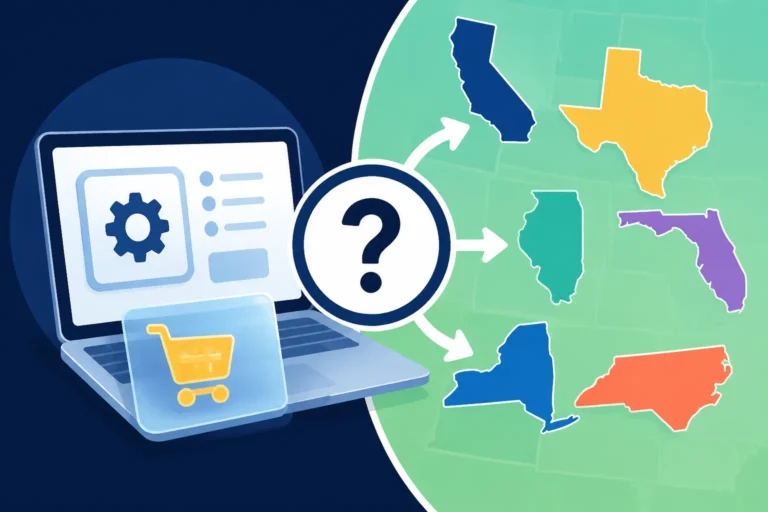
Let's face it, sales tax itself can be a bewildering maze, but when you add specific product categories like clothing into the mix, it often feels like you need a legal degree just to buy a pair of socks. The core issue is that sales tax isn't a federal thing; it's a state and local matter. This means that what flies in one state might be a completely different ballgame just a few miles down the road in another.
Why There's No One-Size-Fits-All Answer
The primary reason for this complexity is the sheer independence of state tax laws. Each state (and often its individual cities, counties, and special districts) sets its own sales tax rates and decides which items are taxable and which are exempt. There's no universal federal definition of "clothing" for sales tax purposes, nor a blanket rule that dictates how it should be taxed. This autonomy leads to a patchwork of regulations where what's considered "clothing" in one state might be seen as an accessory or even a non-taxable necessity in another.
Imagine you're a small online boutique owner selling unique apparel. If your business is based in, say, New Hampshire – one of the States With No Sales Tax (NOMAD Explained) – you might not collect sales tax on your sales within the state. However, if you start selling to customers in New York or Massachusetts, you suddenly have to grapple with their specific rules, which can include price thresholds for clothing exemptions. It’s enough to make you want to stick to just one state! This variation isn't just about the rate, but about the very definition of the item itself.
The Basic Rule Most States Follow
Despite the labyrinthine nature of state tax laws, there's a general principle that most states adhere to: clothing is typically considered tangible personal property, and thus, it's subject to sales tax. Think of it this way: if you can touch it, wear it, and take it with you, it's probably going to be taxed. This is the default assumption you should make when shopping or selling clothing in the vast majority of the United States.
For instance, if you walk into a store in Atlanta, Georgia, and buy a new outfit, you'll almost certainly pay sales tax on that purchase at the combined state and local rate. The same goes for buying a winter coat in Chicago, Illinois. These states, like many others, don't have special exemptions for clothing; it falls under the broad category of taxable goods. This "taxable by default" approach simplifies things for the state tax agencies but can still leave consumers and businesses scrambling to understand the exceptions. The challenge isn't usually if clothing is taxed, but how much and when.
States That Offer Specific Exemptions or Reduced Rates
While most states do tax clothing, a handful offer welcome exceptions. These can range from complete exemptions on all clothing items to partial exemptions based on price, or even temporary reprieves during designated tax holidays. Knowing these can save shoppers money and help businesses ensure they're charging correctly.
Total Exemptions The Lucky Few
There are a few shining beacons for clothing shoppers where general apparel is completely exempt from sales tax, no matter the price. These states truly stand out, offering a consistent break on your purchases.
- Pennsylvania: If you've ever shopped for clothes in Pennsylvania, you know the joy of seeing the price tag as the final price. The state exempts most articles of clothing from sales tax, with a few notable exceptions like formal wear (rental or purchase), fur garments, and certain athletic apparel. So, whether you're buying a t-shirt or a suit for work, you're likely saving that sales tax percentage. This makes Pennsylvania a popular destination for cross-border shopping for clothing. As detailed in posts like Is Clothing Taxable in Pennsylvania? (Exempt), the policy is quite generous.
- New Jersey: Similar to Pennsylvania, New Jersey offers a broad exemption for most clothing and footwear. This means that from casual wear to business attire, you won't typically pay sales tax on these items. This exemption is a significant advantage for consumers and can make New Jersey a more attractive place to shop for apparel compared to neighboring states. For businesses operating there, it means correctly identifying what isn't exempt to avoid errors. Check out Is Clothing Taxable in New Jersey? (Exempt) for more specifics.
- Minnesota: Another state that largely exempts clothing and footwear from sales tax is Minnesota. This policy helps make everyday purchases more affordable for residents. While there are always specific carve-outs for things like accessories or protective gear, the general rule is that your everyday wardrobe items are tax-free.
These states represent a significant advantage for consumers looking to save on their clothing purchases. For businesses operating in these areas, it simplifies the collection process for general apparel, though they still need to be diligent about the few exceptions that do apply.
Partial Exemptions Price Thresholds
Then there are the states that offer a conditional break, where clothing is exempt only up to a certain price point. This adds a layer of complexity, requiring shoppers and sellers to pay close attention to the individual cost of items.
- New York: This is a classic example of a partial exemption. In New York, individual articles of clothing or footwear that cost less than $110 are exempt from state and local sales tax. However, if a single item hits or exceeds that $110 mark, the entire price of that item becomes taxable. For instance, a $100 dress is tax-free, but a $115 dress would be taxed on the full $115. This rule is often highlighted in articles like Is Clothing Taxable in New York? ($110 Rule). It means careful tracking for retailers and a bit of mental math for shoppers.
- Massachusetts: Massachusetts also has a price threshold, though it's higher. Individual articles of clothing that cost $175 or less are exempt from sales tax. If an item costs more than $175, only the amount over $175 is subject to the state's 6.25% sales tax. This is a crucial distinction from New York's rule. For example, a $200 jacket would only be taxed on $25 ($200 – $175). This system is explained further in resources like Is Clothing Taxable in Massachusetts? ($175 Rule).
- Rhode Island, Connecticut, and Vermont: These New England states also feature similar price-based exemptions, though their specific thresholds and rules can vary slightly. For example, Rhode Island has a $250 threshold, while Connecticut offers a "tax-free week" annually where clothing under $100 is exempt. Vermont has a flat 6% sales tax on most purchases, but clothing under $110 per item is exempt. These nuances mean that a business with customers in multiple New England states needs robust tax calculation software, perhaps from a provider like Avalara, to handle these varied rules automatically.
Navigating these partial exemptions can be tricky. It's not just about the total basket price, but the individual price of each clothing item. This means a customer buying five shirts at $50 each would pay no tax in New York, but if they bought one shirt for $115, they'd pay tax on the full amount.
Sales Tax Holidays Seasonal Relief
Even in states where clothing is generally taxable, many offer temporary "sales tax holidays" or "tax-free weekends" that typically exempt certain categories of goods, including clothing, up to a specific price point. These are often timed to coincide with back-to-school shopping seasons, offering a brief reprieve for families stocking up on essentials.
- Back-to-School Focus: The most common sales tax holidays are designed to help families afford school supplies, and clothing is almost always a major component. States like Texas, Florida, and Tennessee frequently hold these events, typically in late July or early August. During these periods, clothing items under a certain price (often $100 or $125 per item) become temporarily exempt from sales tax. This can lead to massive crowds at retailers and significant savings for shoppers. You can find detailed information in guides like Sales Tax Holidays by State 2026: Full Calendar and Tax-Free Weekend Back-to-School Guide 2026.
- Emergency Preparedness Holidays: Some states also offer tax holidays for emergency preparedness items, which occasionally include certain types of apparel like rain gear or protective clothing. These are less common for general clothing but are worth noting for specific purchases. For example, Alabama and Texas have a severe weather preparedness sales tax holiday, though the clothing items included are very specific.
- Understanding the Limits: It's crucial for both shoppers and sellers to understand the exact parameters of these holidays. They almost always have price limits per item, and sometimes exclude certain types of clothing (e.g., accessories, athletic uniforms, or rental apparel). For an online business, configuring their e-commerce platform to correctly apply these temporary exemptions can be a significant technical challenge, emphasizing the need for robust sales tax automation.
These tax holidays are a short-term boon, but they require businesses to temporarily adjust their tax collection processes and consumers to plan their purchases strategically.
States Where Clothing is Generally Taxable The Majority
Now, let's talk about the majority of states where buying that new jacket or pair of sneakers will likely incur sales tax. While this might feel less exciting than the exemption states, it's the reality for most American consumers and businesses.
Understanding the Standard Approach
In the vast majority of states, clothing is simply treated like any other tangible retail item. There are no special carve-outs, no price thresholds, and no permanent exemptions specifically for clothing (outside of potential sales tax holidays, as mentioned earlier). When you buy clothing in these states, the standard state and local sales tax rates apply to the full purchase price.
Consider California, for instance. If you buy a pair of jeans in Los Angeles, you'll pay the base statewide sales tax rate of 7.25% plus any applicable district taxes, which can push the combined rate significantly higher, often over 9% or even 10%. There's no special exemption for that clothing purchase; it's taxed just like a new book or a kitchen appliance. Similarly, in Texas, where the state rate is 6.25%, you'll pay sales tax on clothing, often with local additions bringing it to the maximum 8.25% in many cities. The same principle applies in Florida, Washington, Illinois, and many others. It's the straightforward, default approach to taxing tangible goods. For businesses, this means applying their standard sales tax collection practices to all clothing sales within these states, though they still need to accurately track the Combined State + Local Sales Tax Rates Explained for each specific location.
What "Clothing" Actually Means The Gray Areas
Here's where it can get surprisingly granular and a bit frustrating. Even in states where clothing is generally taxable, the definition of "clothing" itself isn't always cut and dry. Tax laws sometimes distinguish between items meant for everyday wear, those for protection, or even accessories. These definitions can affect whether an item is taxable or not, or if it qualifies for a sales tax holiday.
- Accessories vs. Apparel: Is a belt considered clothing, or an accessory? What about a handbag? States often have specific guidelines. For example, a handbag might be taxed even in a state that exempts clothing if it's considered an "accessory" rather than an "article of clothing." Jewelry, watches, and even certain hair accessories are almost universally considered separate from clothing and thus taxable.
- Protective Gear vs. Fashion: Items like hard hats, safety glasses, or even specialized uniforms for a specific trade might be treated differently than a regular shirt or pair of pants. Sometimes, protective or occupational apparel can be exempt if it's required for a job or safety, even in states that tax general clothing. This distinction is vital for businesses selling specialized gear.
- Specific Footwear: While many states treat shoes like other clothing, there can be exceptions. Ski boots, ice skates, and rollerblades, for instance, are sometimes classified as sports equipment rather than general footwear and may be taxable even during a clothing tax holiday or in states with clothing exemptions. It really forces you to read the fine print!
- Costumes and Theatrical Wear: Costumes, especially those for performances or rentals, often fall outside the general "clothing" definition and are almost always taxable, regardless of the state's typical clothing tax rules.
These detailed distinctions mean that retailers can't just assume everything worn on the body falls under the same tax treatment. They need clear guidance and often rely on sophisticated software solutions from companies like Avalara to categorize products accurately and apply the correct tax rules, preventing costly errors.
Navigating the Nuances for Online Sellers and Shoppers
The rise of e-commerce has added entirely new layers of complexity to sales tax on clothing. Online sellers face different considerations than brick-and-mortar stores, and even individual shoppers need to be aware of their potential tax obligations.
The Impact of Economic Nexus on Online Sales
For online sellers, the question isn't just what is taxable, but where you need to collect tax in the first place. This is where "economic nexus" comes into play. Since the landmark South Dakota v. Wayfair Supreme Court decision in 2018, states can require out-of-state sellers to collect sales tax if their sales activity into that state crosses certain economic thresholds (e.g., $100,000 in sales or 200 separate transactions).
This means that if your online clothing store, based in a sales-tax-exempt state like Oregon, sells enough dresses and sweaters to customers in California, you might establish economic nexus there. Once you hit that threshold, you're obligated to register for a sales tax permit in California and start collecting their sales tax on all sales into the state, including clothing. The problem is, each state has its own unique economic nexus threshold, and many of them have dropped the 200-transaction rule, making it solely based on sales volume. This is a huge compliance burden for online businesses, and it's why resources like Economic Nexus by State 2026: Thresholds Guide are so crucial.
The complexity doesn't stop there. Once nexus is established, an online seller then has to grapple with the destination-based sales tax rules. This means collecting the sales tax rate applicable to the buyer's shipping address, not the seller's location. Given the thousands of different local sales tax jurisdictions across the U.S., accurately calculating this tax for every single clothing order can be nearly impossible without automated software. Whether your customer is buying a shirt in downtown Seattle with its high combined rate or a suburb of Phoenix, the sales tax rate needs to be precise.
Consumer Use Tax for Shoppers
It's not just sellers who have sales tax responsibilities. As a consumer, if you purchase clothing online from an out-of-state retailer who doesn't collect sales tax, you might actually owe "consumer use tax" to your home state. Use tax is essentially the sales tax you owe when a seller doesn't charge it, typically because they don't have nexus in your state.
For example, imagine you live in Tennessee, where clothing is generally taxable. You order a custom-made jacket from a small independent designer based in Delaware (which has no sales tax), and that designer doesn't have economic nexus in Tennessee, so they don't charge you sales tax. In this scenario, you would technically owe use tax to Tennessee at the state's 7% rate plus any applicable local rates on that jacket's purchase price. While many consumers aren't aware of this or don't report small purchases, states are increasingly making it easier to report and pay use tax on individual income tax returns. Larger purchases, like expensive clothing items, are more likely to catch attention. Learning more about Use Tax Explained: What It Is & When You Owe It can help you understand this often-overlooked obligation.
This is a critical point for online shoppers, especially those who frequently buy from small vendors or international sites. The responsibility ultimately falls on the consumer to remit that tax if the seller doesn't collect it.
Summary of Sales Tax on Clothing by State
To help visualize the landscape, here's a simplified table summarizing the general approach to sales tax on clothing in various states. Remember, local taxes and specific item definitions can always add further layers of complexity.
| State | General Clothing Sales Tax Policy | Key Notes / Exemptions | Example Reference |
|---|---|---|---|
| Pennsylvania | Generally Exempt | Most apparel and footwear are tax-free. | Is Clothing Taxable in Pennsylvania? (Exempt) |
| New Jersey | Generally Exempt | Most apparel and footwear are tax-free. | Is Clothing Taxable in New Jersey? (Exempt) |
| Minnesota | Generally Exempt | Most clothing and footwear are tax-free. | Is Clothing Taxable in Minnesota? (Exempt) |
| New York | Partially Exempt (Price Threshold) | Items under $110 per item are exempt. | Is Clothing Taxable in New York? ($110 Rule) |
| Massachusetts | Partially Exempt (Price Threshold) | Items under $175 per item are exempt on the first $175. | Is Clothing Taxable in Massachusetts? ($175 Rule) |
| Rhode Island | Partially Exempt (Price Threshold) | Items under $250 per item are exempt. | Varies, similar to MA/NY thresholds. |
| Connecticut | Partially Exempt (Tax-Free Week) | Annual tax-free week, typically in August, for items <$100. | Connecticut Tax-Free Week 2026 (Aug 16-22) |
| Texas | Generally Taxable, with Sales Tax Holiday | Most clothing is taxed; annual back-to-school holiday exempts items under $100. | Texas Sales Tax Rate (6.25% + Local 8.25% Max) |
| Florida | Generally Taxable, with Sales Tax Holiday | Most clothing is taxed; annual back-to-school holiday exempts items under certain limits. | Florida Sales Tax Rate (6% + County Surtax) |
| California | Generally Taxable | All clothing is subject to state and district sales taxes. | What Is the Sales Tax in California? |
| Washington | Generally Taxable | All clothing is subject to state and local sales taxes. | Washington Sales Tax Rate Explained |
| Tennessee | Generally Taxable, with Sales Tax Holiday | Most clothing is taxed; annual back-to-school holiday. | Tennessee Sales Tax Rate (7% + Local) |
This table offers a snapshot, but it's crucial to consult up-to-date state tax guidance or use a reliable sales tax lookup tool for precise rates and rules, especially if you're a business, to ensure accurate collection and remittance. Solutions like Avalara are specifically designed to manage these complexities.
Disclaimer
The information provided in this guide is for general informational purposes only and does not constitute professional tax advice. Sales tax laws are complex and subject to change. Always consult with a qualified tax professional or the appropriate state tax authority for advice specific to your situation.