Is Restaurant Food Taxed Differently?
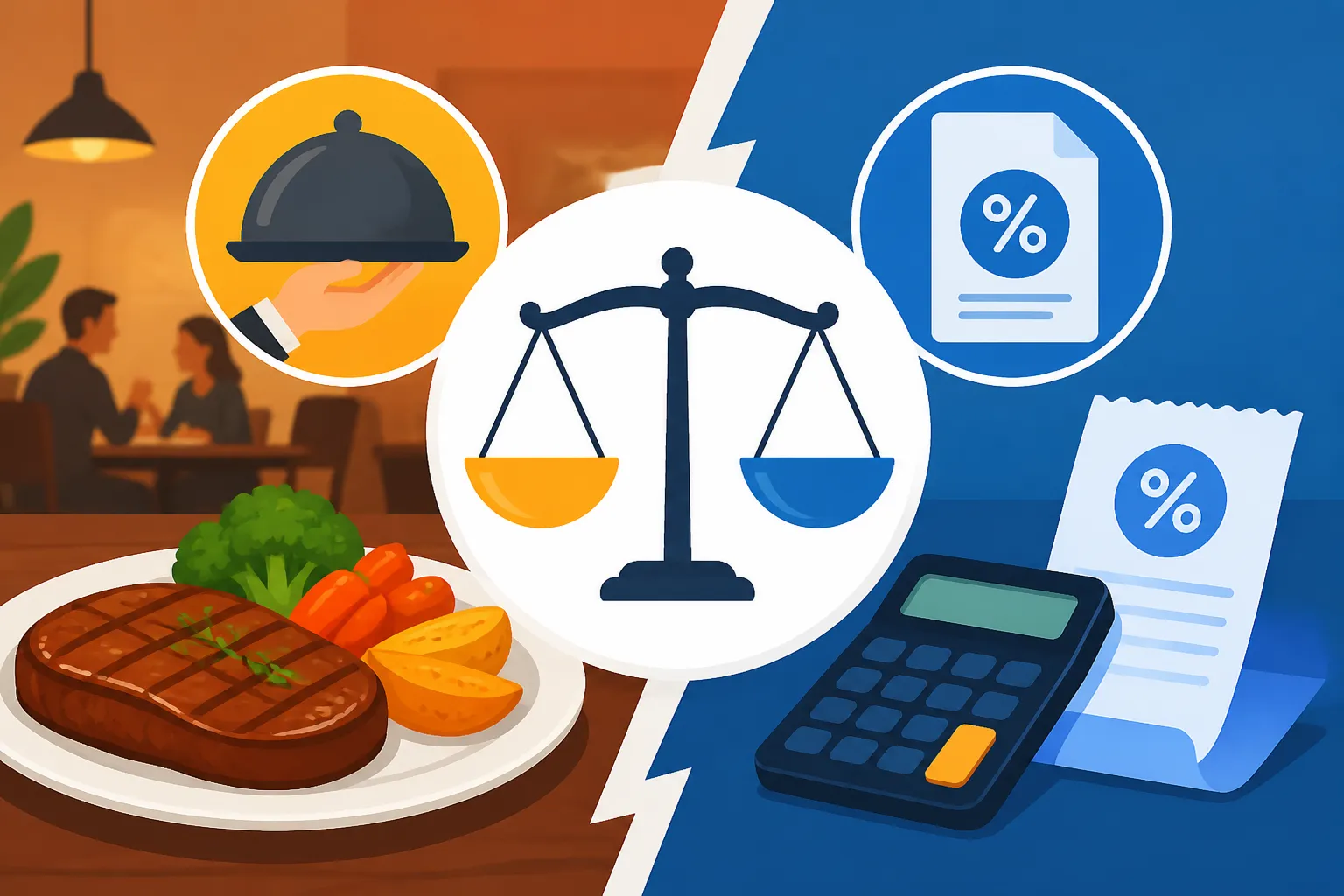
It's incredibly frustrating, isn't it? You grab a delicious meal from your favorite restaurant, whether it's a piping hot pizza or a perfectly crafted cold sandwich, and then you see that extra line item for sales tax. But then you head to the grocery store, fill your cart with similar ingredients, and sometimes pay little to no sales tax on most of it. This guide will meticulously break down why restaurant food often carries a different sales tax burden than your weekly grocery haul, helping you understand the complex rules that govern what you pay at the register.
The Fundamental Difference: Prepared Food vs. Unprepared Groceries
The primary reason you see sales tax applied differently to your restaurant bill compared to your grocery receipt boils down to a key distinction states make: prepared food versus unprepared groceries. It sounds simple on the surface, but the nuances can be surprisingly intricate and vary significantly from one state to another. This distinction isn't just an arbitrary government decision; it's often rooted in the idea that prepared meals involve a service component (the cooking, assembly, and often the ambiance or convenience) that isn't present when you buy raw ingredients to cook at home.
What Qualifies as "Prepared Food"? The State's Eye View
When states talk about "prepared food," they're generally referring to food that's been processed, cooked, or combined by the seller, making it suitable for immediate consumption on or off the premises. This definition is crucial because it's the trigger for applying higher sales tax rates, or sales tax at all, in many jurisdictions.
For instance, consider a deli. If you buy a block of cheese and a loaf of bread, those are typically considered unprepared groceries. But if the deli slices the cheese and builds you a sandwich, that sandwich often transitions into "prepared food." States look at several factors to make this determination, including whether the food is heated by the seller, whether utensils are provided, or if there's a designated eating area. Some states even have a "four-items or more" rule, where if you buy more than a certain number of single-serving prepared items (like sodas, bags of chips, and a sandwich), the entire transaction might become taxable as prepared food, even if individual items wouldn't be on their own. This helps capture those grab-and-go convenience store purchases that mimic a quick meal. Understanding these subtle differences is key to knowing if your Is Prepared Food Taxable in Pennsylvania? or other states will charge you.
The Grocery Aisle Exception: When Food is Untaxed or Low-Taxed
In stark contrast to prepared food, many states offer full or partial sales tax exemptions for most unprepared groceries. The rationale here is often to ease the financial burden on households for essential items and to avoid double-taxing ingredients. After all, you're buying the raw materials to create a meal, not the meal itself.
States like Pennsylvania, New Jersey, and Massachusetts are well-known for exempting most groceries entirely from sales tax. Even in states that do tax groceries, like Alabama or Mississippi, the rates might be lower than the general sales tax rate, or there might be special carve-outs for specific categories like fresh produce or staples. So, while your carton of milk, a bag of apples, or a package of raw chicken from the supermarket might be sales tax-free or taxed at a reduced rate, that smoothie from the café or the roasted chicken from the hot bar will likely incur the full, standard sales tax. It's a significant difference that can add up, especially for larger families doing extensive grocery shopping. For a deeper dive into this area, you might want to read up on Sales Tax on Groceries & Food by State.
Unpacking the Rules: How States Define and Tax Restaurant Meals
The world of sales tax for food is like a patchwork quilt, with each state, and sometimes even local jurisdiction, adding its own unique stitches. While the prepared food vs. grocery distinction is the big-picture framework, the devil is truly in the details when it comes to restaurant meals.
The "Hot Food" Standard and Its Nuances
One of the most universally accepted criteria for classifying food as "prepared" and thus taxable is whether it's sold hot. If a restaurant, deli, or even a grocery store's prepared foods section sells you food that is heated and intended for immediate consumption, it's almost certainly subject to sales tax. Think about your morning coffee, a hot breakfast sandwich, a plate of pasta from an Italian restaurant, or even that rotisserie chicken from the supermarket's hot deli counter. These items inherently come with the "service" of having been cooked and kept warm for you.
However, even the "hot food" rule can have minor nuances. For example, some states might clarify that it's only taxable if the seller intentionally heats the food for sale. If a bag of chips gets warm sitting in the sun on a store shelf, that doesn't suddenly make it taxable "prepared food." The intent to cook or heat for the customer is usually paramount. This is also why things like a cup of instant noodles that you assemble yourself with hot water provided by the store might sometimes be ambiguous, though typically if the store provides the hot water for preparation on-premises, it leans towards prepared.
Cold Prepared Food: It's Not Always Tax-Exempt
Here's where it gets particularly tricky and often catches people off guard. You might assume that if a food item is cold, it automatically falls into the "grocery" category. Not so fast! Many cold food items sold by restaurants, delis, and even convenience stores are absolutely considered "prepared food" and are fully taxable.
Imagine stopping at a sandwich shop for a cold turkey and swiss on rye. Even though it's cold, it was prepared for you, usually with multiple ingredients assembled by the staff. It's typically intended for immediate consumption, and you're paying for the convenience and labor of its creation. Similarly, a pre-packaged salad from a restaurant, a sushi roll from a grocery store's sushi counter, or a fruit cup with a plastic fork included are often taxed as prepared food. The key factors here often revolve around the food requiring no further preparation by the consumer, being combined or assembled by the seller, and often coming with utensils or packaging that suggests immediate consumption.
The rule often comes down to this: if the item required an action by the vendor beyond simply handing it to you off a shelf – like slicing, combining, heating, or plating – it’s probably prepared food, regardless of its temperature.
Dine-In, Take-Out, Drive-Thru, and Delivery: Location Matters
The sales tax on your restaurant meal can also depend heavily on how you receive it and where you intend to eat it. This is another layer of complexity that businesses and consumers alike grapple with.
For dine-in meals, it's almost a given that the entire meal, including any beverages, will be subject to the full sales tax rate. You're consuming the food on the restaurant's premises, often utilizing their tables, chairs, and service staff, all of which contribute to the "service" aspect of prepared food.
Take-out and drive-thru orders are a bit different. While you're not utilizing the dining room, the food is still prepared for immediate consumption. Most states treat take-out and drive-thru meals the same as dine-in meals for sales tax purposes. The preparation by the restaurant is still the defining factor.
Delivery adds another wrinkle. When a restaurant delivers food, not only is the prepared food taxable, but the delivery charge itself can sometimes be subject to sales tax, depending on the state. For instance, in Texas, delivery charges are generally taxable if they are part of the sale of a taxable item. However, in other states, if the delivery charge is separately stated and can be avoided by the customer (e.g., they could have picked it up), it might be exempt. This area can be particularly complex for online ordering platforms, as the sourcing rules can vary too. You might want to explore articles like Is Shipping Taxable? Freight Sales Tax by State or Origin vs Destination Sales Tax Sourcing for more information on how delivery charges are handled.
Combo Meals and Bundled Items: The Mixed Bag Challenge
What happens when your meal includes items that might be taxed differently if sold individually? This is the "bundling" or "mixed transaction" conundrum. Imagine a value meal at a fast-food restaurant: a hamburger (prepared food, taxable), french fries (prepared food, taxable), and a toy (tangible personal property, taxable). Here, it's straightforward; everything is taxable.
But what about a grocery store that sells a "meal deal" which includes a hot rotisserie chicken (taxable prepared food), a bag of dinner rolls (unprepared, usually tax-exempt), and a 2-liter soda (often taxable, but sometimes exempt depending on the state's rules for soft drinks)? In many states, if a significant portion of the bundled sale is taxable prepared food, the entire bundle becomes subject to sales tax. Some states have "predominant use" rules, where if over 50% of the value or volume of a package is taxable, the whole package is taxed.
This complexity means businesses have to be incredibly careful in how they ring up these transactions. For consumers, it means that even if a part of your bundled meal would be tax-exempt on its own, it might become taxable when sold as part of a larger prepared meal. This is also relevant when you consider the rules around Candy & Soda Sales Tax (The Flour Test), as states sometimes define these differently than other food items.
Beyond Traditional Restaurants: Special Scenarios for Food Sales Tax
The sales tax landscape for food extends far beyond your typical sit-down or fast-food restaurant. There are numerous other venues where you might encounter different tax applications, and understanding them can help clarify why your bill looks the way it does.
Vending Machines, Micro Markets, and Convenience Stores
These venues represent a fascinating grey area in sales tax. For vending machines, many states have specific rules. Often, items sold through a vending machine for a certain price (e.g., under $1 or $2) might be exempt or subject to a lower "bulk sale" tax rate, especially if they are non-prepared foods like a bag of chips or a candy bar. However, if the vending machine sells a prepared sandwich or a hot coffee, it's generally fully taxable. The idea here is to simplify tax collection for low-value transactions.
Micro markets, those self-checkout convenience areas often found in office buildings, typically follow more standard prepared food rules. If they offer salads, sandwiches, or hot meals, those items will usually be taxed as prepared food. Convenience stores are perhaps the most complex, as they sell a mix of both unprepared groceries (e.g., a gallon of milk, a loaf of bread) and prepared food (e.g., a hot dog from the roller grill, a freshly made sandwich, a cup of coffee). Stores must accurately differentiate between these items at the point of sale. This is an area where sales tax compliance software, like that offered by companies such as Avalara, can be incredibly helpful for businesses to manage the varied taxability of their diverse product offerings.
Food Trucks, Mobile Kiosks, and Pop-Up Eateries
The rise of food trucks and pop-up restaurants has brought new challenges to sales tax collection. From a sales tax perspective, these mobile vendors are generally treated just like brick-and-mortar restaurants. If they are selling prepared food for immediate consumption, that food is taxable.
The primary complication for food trucks and pop-up vendors usually isn't what to tax, but where to tax it. Since they often move between different cities and counties, they can be subject to varying local sales tax rates. A food truck operating in downtown Seattle one day might face a higher combined sales tax rate than when it's at a festival in a neighboring, less populated county. This dynamic nature means these businesses need robust systems to track their location and apply the correct Sales Tax by ZIP Code (and Why ZIP Isn't Enough) or specific jurisdiction rates. Staying on top of these fluctuating rates is a massive undertaking, and it's why many turn to advanced compliance solutions.
Sales Tax Holidays: A Rare Feast for Restaurant Patrons?
Sales tax holidays are a popular way for states to offer temporary relief, typically for back-to-school items, severe weather preparedness goods, or energy-efficient appliances. These "tax-free weekends" allow consumers to purchase qualifying items without paying sales tax for a limited period.
However, when it comes to restaurant food, sales tax holidays are almost universally not applicable. The primary focus of these holidays is usually on tangible personal property like clothing, school supplies, or sometimes even computers. Prepared food from restaurants or delis is almost always excluded from these exemptions. So, while you might save on new school uniforms during a Texas Tax-Free Weekend 2026 (Aug 7-9), don't expect to get a tax break on your dinner out that same weekend. There might be extremely rare, very specific exceptions in certain states for specific items or scenarios, but as a general rule, assume your restaurant meal will be taxed, holiday or not. If you are curious about the general sales tax landscape, articles like Sales Tax Rates by State 2026: All 50 States can give you an idea of standard rates.
Navigating the Complexity: What Consumers and Businesses Should Know
The varied rules around sales tax on food can feel like a minefield, whether you're just trying to enjoy a meal or running a bustling eatery. Both consumers and business owners have roles to play in understanding and complying with these regulations.
For Savvy Diners: Understanding Your Receipt
As a consumer, you might not have direct control over sales tax rates, but you can certainly be an informed shopper. Always take a moment to review your receipt, especially at restaurants, delis, or convenience stores that sell a mix of items.
What to look for:
- Separately Stated Tax: Sales tax should typically be listed as a separate line item on your receipt. If it's simply bundled into the price, that's unusual and could be a red flag (though some jurisdictions allow "tax-inclusive" pricing, it's less common for prepared food).
- Itemized Purchases: Does your receipt clearly itemize what you purchased? This helps you see which items were taxed and which weren't. If you bought a cold sandwich and a gallon of milk at a convenience store, and both were taxed, you might question the milk's taxability if your state exempts groceries.
- Local Surcharges: Remember that sales tax isn't just a state thing. Many cities, counties, and special districts add their own local sales taxes. So, if you're dining in New Orleans, for example, your total sales tax rate will include state, parish, and city taxes, making it one of the highest combined rates in the country. This can lead to your New Orleans Sales Tax Rate being significantly higher than other parts of Louisiana.
If something on your receipt seems off, don't hesitate to politely ask the cashier or manager for clarification. They should be able to explain the charges. While you probably won't get a refund for incorrect sales tax on a single small item, understanding the rules empowers you to make more informed choices about where and what you purchase. If you're generally curious about how to calculate sales tax on any purchase, check out How to Calculate Sales Tax (Step by Step).
For Restaurant Owners: Staying Compliant in a Tricky Landscape
For businesses, especially those in the food service industry, sales tax compliance isn't just about understanding the rules; it's about diligently implementing them. The consequences of under-collecting or misfiling sales tax can be severe, leading to penalties, fines, and back taxes.
Key considerations for restaurant owners:
- Accurate POS System Setup: Your Point of Sale (POS) system needs to be meticulously configured to apply the correct sales tax rates to every item on your menu, considering all the nuances we've discussed. This means distinguishing between prepared food, non-prepared items, and even different types of beverages (e.g., soda vs. bottled water, if your state taxes them differently).
- Training Staff: Your front-line staff need to be trained on sales tax rules. They should know when to ring up an item as taxable, how to handle bundled meals, and how to answer basic customer questions about sales tax.
- Staying Updated: Sales tax laws and rates can change. States and local jurisdictions adjust their rates, and the definitions of taxable goods can evolve. Businesses need to monitor these changes to remain compliant. For example, staying informed about 2026 Sales Tax Rate Changes by State is critical for any business owner.
- Sourcing Rules: For businesses that offer delivery, understanding sales tax sourcing rules (origin vs. destination-based) is crucial to ensure the correct local sales tax rate is applied based on where the sale originates or where the item is delivered.
- Permit and Filing: Beyond collection, businesses must register for a Seller's Permit Explained: What It Is & How to Get One and file sales tax returns accurately and on time. This includes understanding their assigned Sales Tax Filing Frequency Explained and specific due dates.
The Role of Technology in Sales Tax Management
Given the sheer complexity, especially for businesses operating across multiple jurisdictions or with diverse menus, relying solely on manual calculations or outdated systems is an invitation for errors. This is where modern sales tax automation software becomes an invaluable asset.
These solutions are designed to integrate with a business's POS or e-commerce platform and automatically calculate the correct sales tax based on the item, the customer's location, and the latest tax rules. For a restaurant, this means the software can instantly differentiate between a taxable prepared meal, an exempt grocery item, and even handle specific local district taxes. Brands like Avalara specialize in providing these sophisticated sales tax solutions, helping businesses of all sizes, from a small local bistro to a large chain, ensure they are collecting and remitting sales tax accurately. Using such tools not only reduces the risk of audits and penalties but also frees up valuable time and resources that can be better spent on running the business. For a broader look at tools available, you might find Best Sales Tax Compliance Software 2027 helpful.
| Item Category | Typical Sales Tax Treatment (Most States) | Common Exceptions/Nuances |
|---|---|---|
| Prepared Food (Hot) | Fully Taxable | Almost universally taxed; includes hot deli items. |
| Prepared Food (Cold) | Fully Taxable | Includes cold sandwiches, salads, sushi if assembled by seller; utensils provided often a trigger. |
| Unprepared Groceries | Exempt or Reduced Rate | States like Pennsylvania, New Jersey exempt; some states tax at full or reduced rates (e.g., Alabama, Mississippi). |
| Candy | Varies by State | Often taxed differently than other food; "flour test" used in some states (e.g., if it contains flour, it's food). |
| Soft Drinks | Varies by State | Often taxed even if other groceries are exempt (e.g., Illinois, New York); "juice content" rule in some states. |
| Bottled Water | Varies by State | Often exempt where groceries are exempt, but some states tax it like soda. |
| Vending Machine Items | Varies by State | Low-value items sometimes exempt or taxed at special rates; prepared food usually taxable. |
| Delivery Charges | Varies by State | Often taxable if part of a taxable sale, but sometimes exempt if separately stated and optional. |
Disclaimer
The information provided in this guide is for general informational purposes only and does not constitute tax advice. Sales tax laws are complex and constantly changing, varying significantly by state and local jurisdiction. You should consult with a qualified tax professional or the appropriate state tax authority for advice tailored to your specific situation.