Is Prepared Food Taxable in Pennsylvania?
Navigating the world of sales tax can feel like deciphering a secret code, especially when it comes to something as fundamental as food. For many business owners, particularly those running restaurants, delis, or even just convenience stores, the question of "Is prepared food taxable in Pennsylvania?" isn't just a casual query – it's a critical compliance issue that can lead to headaches and audits if not handled correctly. This guide aims to cut through the confusion and provide clear, comprehensive answers about how Pennsylvania sales tax applies to prepared food, helping both businesses and consumers understand their obligations.
The General Rule: When Prepared Food is Taxable in Pennsylvania
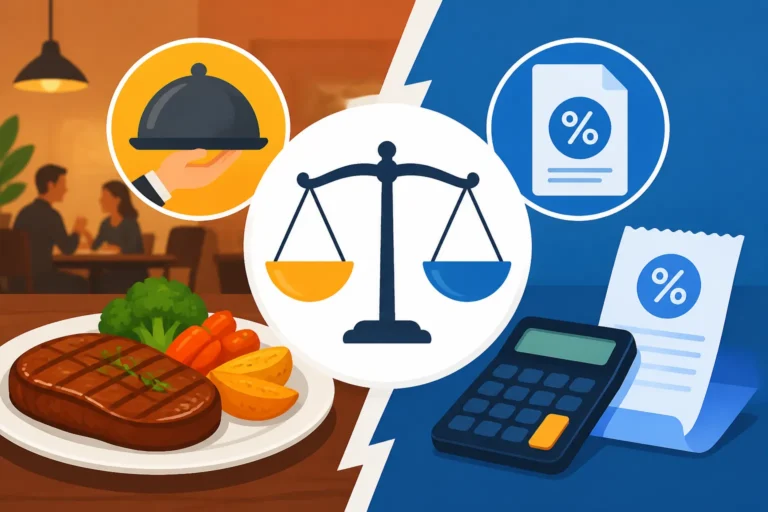
Let's get straight to the point: In Pennsylvania, prepared food is generally subject to the state's 6% sales tax. Unlike some states that might exempt most food items, Pennsylvania makes a clear distinction between groceries (food for home consumption) and food that's prepared for immediate enjoyment. If you're running a business that sells ready-to-eat meals, snacks, or drinks, chances are you need to be collecting sales tax. This can be a real challenge for small businesses trying to keep up with the intricacies of sales tax rules across different product categories.
What Pennsylvania Considers "Prepared Food"
The Pennsylvania Department of Revenue is pretty clear about what falls under the "prepared food" umbrella. Essentially, it's any food or drink that's ready for immediate consumption, whether it's eaten on the premises or taken to go. Think about your favorite diner, the local pizza shop, or even that grab-and-go salad from a cafe – these all typically involve prepared food. The key here is the "preparation" aspect and the intention for immediate consumption. If it's hot and ready to eat, or it's packaged in a way that suggests it's not meant for a grocery cart and home cooking, it's likely prepared food.
This definition extends beyond just restaurant meals. It includes things like catered food, meals from institutional cafeterias (like those at schools or hospitals), and anything sold by vendors at fairs or sporting events. Even a simple coffee, if prepared by a barista, falls into this category. It’s all about convenience and the service of making food ready for you right then and there. This broad interpretation means businesses need to be diligent about understanding which of their offerings cross the line from "grocery item" to "prepared food."
The Core Difference: Grocery Items vs. Restaurant-Style Sales
The fundamental distinction Pennsylvania draws is between food intended for home consumption (like groceries) and food intended for immediate consumption (like restaurant meals). Most basic food items you'd buy at a supermarket – raw meat, fresh produce, canned goods, milk, eggs, bread – are exempt from sales tax. This exemption is designed to make essential foodstuffs more affordable for families. However, once that food undergoes a transformation or is presented for immediate eating, the sales tax rules change dramatically.
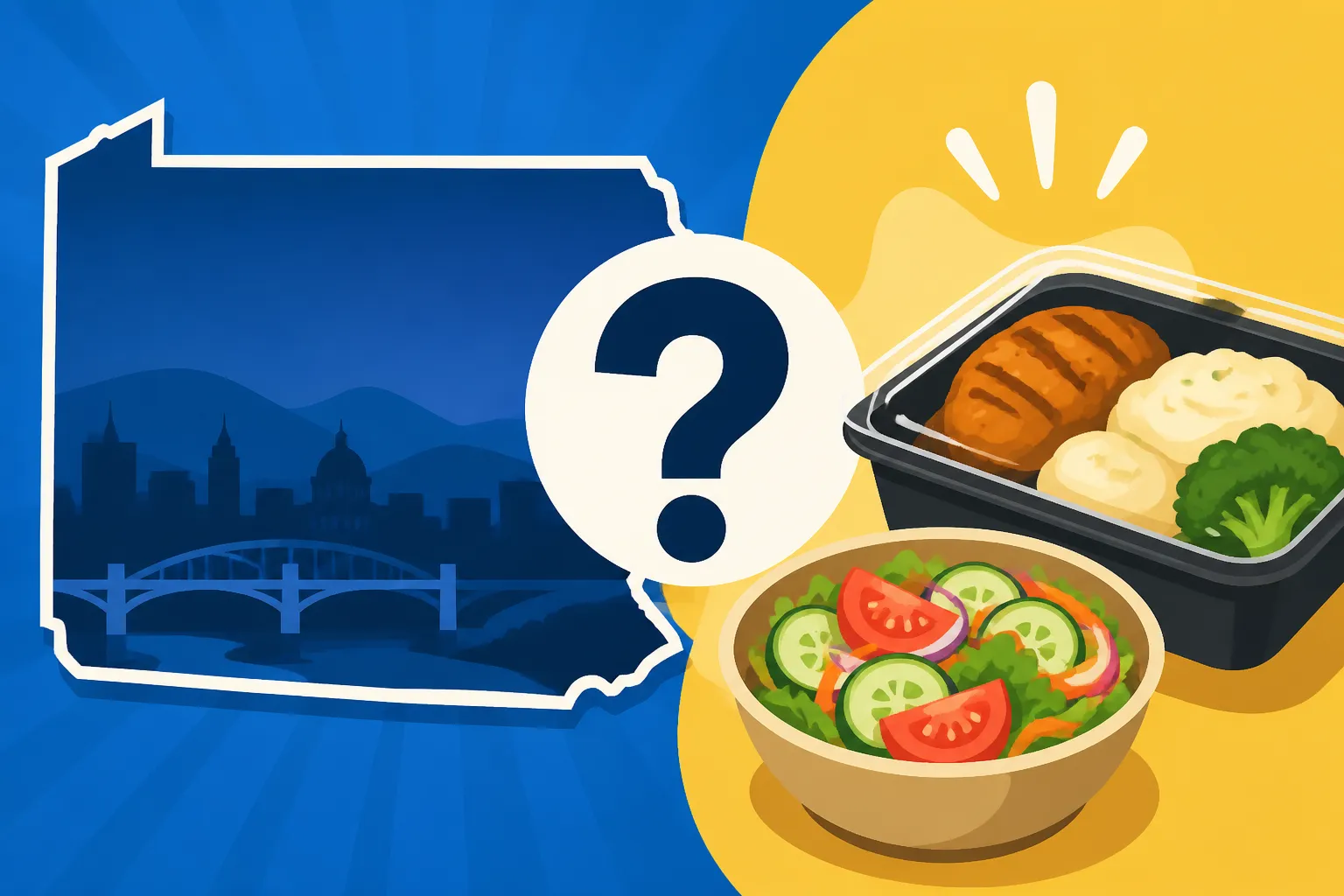
Consider a simple example: a bag of lettuce from the produce aisle is tax-exempt. But a pre-made salad from the deli counter, with dressing and toppings, that's ready to eat with a fork, is taxable. The act of combining ingredients, preparing them, and packaging them for immediate consumption shifts the item from a tax-exempt grocery staple to a taxable prepared food item. This distinction means that many establishments, from corner delis to bustling cafes, need to carefully categorize their inventory and train their staff on what to tax. Understanding this nuance is crucial, especially for businesses that offer both raw ingredients and ready-to-eat options under the same roof. For a broader perspective on how states differentiate, you might want to read our guide on how Prepared Food Sales Tax Explained.
Diving Deeper: Specific Categories and Tricky Scenarios
While the general rule for prepared food in Pennsylvania might seem straightforward, the real world is full of nuances. Certain categories of food and specific selling scenarios can make determining taxability quite complex. This is where many businesses can get tripped up, and where clarity is absolutely essential to avoid compliance issues.
Cold Sandwiches, Salads, and Bakery Delights
Here's where it gets interesting – and often confusing. Many people assume that if food isn't hot, it's not prepared food. But that's not always the case in Pennsylvania. Cold sandwiches, pre-made salads, and certain bakery items (like single donuts, muffins, or pastries) are generally subject to sales tax if they are sold by an establishment that primarily sells prepared food for immediate consumption.
Imagine you walk into a coffee shop or a deli. That pre-packaged turkey sandwich, the small fruit cup, or the individual croissant you grab for breakfast on the go? All likely taxable. The rationale is that these items are prepared and intended for immediate consumption, just like a hot meal. However, if you bought a whole loaf of bread or a full cake from a bakery to take home for later, those would typically be exempt. The key differentiator for bakery items often lies in whether they are sold for immediate consumption at the point of sale (taxable) or in quantities typically meant for consumption at home (exempt). For instance, a six-pack of rolls from a supermarket bakery section is exempt, but a single roll purchased for your lunch at a restaurant is taxable. This is a common point of confusion that businesses need to clearly delineate for their point-of-sale systems.
The "Always Taxable" List: Candy, Soft Drinks, and Gum
Beyond the "prepared food" category, Pennsylvania has another layer of taxability for certain items: candy, soft drinks, and gum are always taxable, regardless of where or how they are sold. It doesn't matter if you buy a king-size candy bar from a gas station, a bottle of soda from a grocery store, or a pack of gum from a vending machine – you'll pay sales tax on it. This rule simplifies things a bit because you don't have to worry about whether these specific items are "prepared" or for "home consumption."
This is different from how some other states handle these items, where the famous "flour test" might apply to candy to determine taxability. In Pennsylvania, the rules for Candy & Soda Sales Tax (The Flour Test) are less about ingredients and more about categorization. If it's marketed and sold as candy, gum, or a soft drink, it's taxable. This blanket rule ensures consistency, but it still requires businesses to accurately categorize these specific products in their inventory systems to ensure correct tax collection. For example, a sports drink might be exempt as it falls under "non-carbonated, unflavored water," but a sweetened iced tea or soda is taxable.
Beverages and Other Packaged Goods
When it comes to beverages, the rules can also be a bit of a maze. Most non-alcoholic beverages sold by restaurants, coffee shops, or convenience stores for immediate consumption are taxable. This includes coffee, tea, fruit juices, and bottled water, in addition to the soft drinks we've already discussed. However, if you purchase a gallon of milk from a grocery store, that's typically exempt. The context of the sale and the nature of the product are paramount.
Even other packaged goods can walk this fine line. A bag of chips bought from a vending machine or a convenience store is generally taxable. But if you buy a large bag of chips from a supermarket, intended for a family gathering at home, it would be exempt. It often comes down to the individual serving size, the type of vendor, and the immediate consumption intent. These distinctions highlight why managing sales tax, especially for a varied inventory, can be so challenging for businesses. Tools from companies like Avalara can really simplify these complex distinctions, ensuring that your point-of-sale system is correctly configured.
Navigating Compliance and Best Practices for Businesses
For businesses selling prepared food in Pennsylvania, understanding the tax rules is just the first step. The real challenge lies in implementing these rules correctly, maintaining accurate records, and staying compliant. Missteps can lead to under-collection of tax, which can result in penalties and interest during an audit.
Record Keeping and Point-of-Sale Systems
Accurate record keeping is non-negotiable for any business collecting sales tax. You need to clearly differentiate between taxable and non-taxable sales, and your accounting should reflect this. This means every transaction where sales tax is collected or should have been collected must be meticulously documented. This isn't just about total sales; it's about the detailed breakdown of what was sold, at what price, and how much tax was applied.
A robust point-of-sale (POS) system is absolutely critical here. Manually trying to figure out which items are taxable and which aren't for every single customer is a recipe for errors and frustration. A good POS system should be configured to automatically apply the correct sales tax rate based on the item being scanned. For instance, if you sell both tax-exempt milk and taxable coffee, your system needs to know the difference. Integrating with a sales tax automation solution, such as those offered by Avalara, can take a massive burden off your shoulders. These solutions can handle the complexities of different product classifications, ensuring that whether it's a cold sandwich or a bottled soda, the correct tax is applied. This not only streamlines the checkout process but also provides an auditable trail for compliance. If you're looking for more insights on managing sales tax in an increasingly complex environment, consider exploring guides like Best Sales Tax Compliance Software 2027.
Seeking Clarity and Staying Updated
The world of sales tax is not static. Rates and rules can change, definitions can be updated, and new interpretations can emerge from the Department of Revenue. This is why staying informed is an ongoing process, not a one-time check. Businesses operating in Pennsylvania should regularly consult the official publications from the Pennsylvania Department of Revenue. They often release detailed guides, bulletins, and FAQs that address common questions and specific scenarios.
If you're ever in doubt about a particular product or sales scenario, it's always best to seek professional advice. Tax advisors specializing in sales tax can provide tailored guidance for your specific business model. They can help you navigate gray areas, set up your systems correctly, and even assist with registration if you're just starting out or expanding. Remember that ignoring the problem won't make it go away; proactive compliance is always the best strategy. For broader understanding of sales tax in different locations, it's helpful to understand that Sales Tax by ZIP Code (and Why ZIP Isn't Enough) highlights the importance of precise location-based tax rules, even if Pennsylvania's state sales tax is more uniform. You can also review comprehensive information like Sales Tax Rates by State 2026: All 50 States to keep up to date.
Training Your Team and Auditing Sales Tax Collection
Having the right POS system and good record-keeping practices is invaluable, but they are only as effective as the people operating them. Proper training for your sales associates and cashiers is paramount. They are the front line of sales tax collection, and they need to understand the distinctions between taxable and non-taxable items. Regular refreshers and clear guidelines can prevent common errors, especially with those tricky items like single bakery goods versus bulk purchases, or cold prepared sandwiches.
Furthermore, it’s a good practice to conduct internal audits of your sales tax collection periodically. This means reviewing sales data, checking how tax was applied to various items, and cross-referencing with your financial records. This proactive approach allows you to identify and correct any discrepancies before they become larger, more complicated issues. Utilizing tools that help with sales tax calculations and reporting can significantly streamline this process. For instance, services like Avalara or others discussed in comparisons like Avalara vs TaxJar: Which Sales Tax Software? can offer robust reporting capabilities that make internal audits far more manageable and accurate. This dedication to ongoing review and training helps ensure long-term compliance and peace of mind for your business.
The Bottom Line for Prepared Food in Pennsylvania
The landscape of sales tax on prepared food in Pennsylvania might seem complex at first glance, but with a clear understanding of the rules, businesses can navigate it successfully. The overarching principle is that food prepared for immediate consumption, whether hot or cold, is generally taxable. This includes restaurant meals, catering, and many grab-and-go items. Additionally, specific items like candy, soft drinks, and gum are always taxable, regardless of their "prepared" status or sales location.
For consumers, being aware of these rules can help avoid surprises at the register. For businesses, meticulous record-keeping, a well-configured point-of-sale system, and continuous education on tax guidelines are essential. While it can feel like a lot to keep track of, remember that there are resources, including automation software and tax professionals, designed to help simplify these complexities. Staying proactive and informed is the best way to ensure compliance and focus on what you do best: providing delicious food to your customers. And if you're curious about how tax rules vary across different states, you might find our article on States With No Sales Tax (NOMAD Explained) to be an interesting contrast to Pennsylvania's approach.
Disclaimer
The information provided in this article is for general informational purposes only and does not constitute tax, legal, or accounting advice. Sales tax laws are complex and subject to change. Always consult with a qualified tax professional or the Pennsylvania Department of Revenue for advice tailored to your specific situation.