Sales Tax Nexus Explained (Physical vs Economic)
Navigating the choppy waters of sales tax can feel like trying to solve a Rubik's Cube blindfolded, especially when your business starts to grow beyond your local storefront. One of the biggest headaches, and frankly, a source of major anxiety for many business owners, is figuring out where you actually need to collect sales tax in the first place. This concept, known as "nexus," is the very foundation of sales tax compliance, and misunderstanding it can lead to serious trouble down the road. This comprehensive guide will break down sales tax nexus, clarifying the crucial differences between physical and economic nexus, and help you understand your obligations.
What in the World is Sales Tax Nexus, Anyway?
Let's just get this out there: "nexus" sounds like something out of a sci-fi movie, but in the world of sales tax, it's incredibly real and impactful. Essentially, sales tax nexus is a fancy legal term for the sufficient connection or "footprint" a business has in a state that obligates it to collect and remit sales tax. Without nexus in a particular state, you generally don't have to collect sales tax from customers in that state. But once that connection is established, the clock starts ticking, and you're on the hook for compliance.
The Core Concept: A Connection to Collect
Think of nexus as permission. A state can only demand that you collect sales tax from its residents if your business has a strong enough link to that state. Historically, this link was pretty straightforward: you had a physical presence. If you had a brick-and-mortar store, an office, or even an employee living and working in a state, it was clear. That physical presence established the necessary connection. It's like a state saying, "Hey, you're using our roads, our infrastructure, our workforce – you need to contribute by helping us collect taxes from your customers here."
The complexity began to truly unravel with the rise of e-commerce. Suddenly, businesses could sell to customers across the country without ever stepping foot in their state. States felt like they were missing out on significant tax revenue, and that's where the definition of "connection" really started to evolve, especially after a landmark Supreme Court case we'll dive into shortly. It’s no longer just about your physical footprint, but also your digital one and your sales volume.
Why Nexus is the First Step for Sales Tax
Before you can even begin to worry about what items are taxable, what the Sales Tax Rates by State 2026: All 50 States are, or how to file a return, you absolutely must determine where you have nexus. It's the gatekeeper to the entire sales tax process. If you don't have nexus in a state, then theoretically, you don't have to register for a sales tax permit there, and you don't have to collect sales tax from buyers in that state.
Conversely, if you do have nexus in a state and fail to register and collect, you could be setting yourself up for a world of pain. States are increasingly aggressive in identifying businesses that should be collecting sales tax but aren't. Penalties can be steep, ranging from fines to interest on uncollected taxes, and even potentially criminal charges in extreme cases. That's why understanding your nexus obligations is the absolute first, and most critical, step in any sales tax compliance strategy.
The Shifting Sands of Sales Tax Laws
The landscape of sales tax nexus is anything but static. It's more like quicksand, constantly shifting and requiring careful navigation. For decades, the rule of thumb was purely physical presence, thanks to Supreme Court decisions like National Bellas Hess (1967) and Quill Corp. v. North Dakota (1992). These cases upheld the idea that a business needed a physical foothold in a state to be required to collect sales tax.
However, the internet changed everything. States argued that online retailers gained significant advantages by not collecting sales tax, putting local brick-and-mortar stores at a disadvantage. This tension eventually led to the monumental South Dakota v. Wayfair: What It Means for Sellers Supreme Court decision in 2018, which fundamentally altered the concept of nexus. This ruling opened the door for states to impose sales tax collection duties based solely on a company's economic activity within their borders, without any physical presence. Since then, states have been rapidly enacting and refining their own economic nexus laws, making it a constant challenge for businesses to stay compliant.
Physical Nexus: The Old School Rules
Before the internet made cross-border sales a daily reality, physical nexus was the bedrock of sales tax. It was a clear, tangible connection that justified a state's demand for businesses to collect taxes. While economic nexus has taken center stage, physical nexus is far from obsolete. Many businesses still trigger nexus the old-fashioned way, and it's vital to recognize these classic triggers.
The Classic Triggers: Offices, Warehouses, Employees
The most straightforward way to establish physical nexus is by having a direct, tangible presence within a state. This includes:
- Office Locations: If your business has a physical office, even a small satellite office, in a state, you've got nexus. This applies whether it's your headquarters or just a remote branch.
- Warehouses or Storage Facilities: Storing inventory in a state, whether it's your own warehouse or a rented space, creates nexus. This is a huge one for e-commerce businesses that use third-party logistics.
- Employees: Having even a single employee, agent, or representative working in a state, even from a home office, can establish nexus. This includes full-time, part-time, or even temporary staff who are performing duties on behalf of your business within state lines. Imagine a sales rep who lives in California and covers the territory from their home office; that's California nexus right there.
- Retail Stores: This is the most obvious. If you have a brick-and-mortar shop, pop-up store, or kiosk, you have nexus in that location's state.
These traditional triggers are still very much in play. Many businesses expand their operations, hire remote workers, or open new facilities without realizing the immediate sales tax implications. A new employee in a new state isn't just a payroll consideration; it's a sales tax trigger that demands attention.
Inventory in Third-Party Warehouses (Hello, FBA!)
This particular aspect of physical nexus has tripped up countless online sellers. Many e-commerce businesses, especially those leveraging platforms like Amazon's Fulfillment By Amazon (FBA) program, store their inventory in warehouses across the country. What many don't realize is that simply having your products stored in a third-party warehouse within a state can create physical nexus for your business in that state.
For example, if you sell handmade jewelry on your website and also use FBA, Amazon might store your products in warehouses in Texas, Pennsylvania, and Florida to optimize shipping times. Even if your business is based solely in Oregon (a state with no sales tax!), having inventory in those other states means you now have physical nexus in Texas, Pennsylvania, and Florida. This means you’re obligated to register for a sales tax permit in each of those states and collect sales tax from customers in those states for any sales you make, whether through Amazon or your own website. This is why Amazon FBA Sales Tax Nexus Explained is such a critical read for FBA sellers.
Temporary Presence: Trade Shows and Pop-Ups
It's not just permanent fixtures that create physical nexus. Even a temporary presence can be enough. If you participate in trade shows, craft fairs, or set up a temporary "pop-up" shop in a state where you don't otherwise have a presence, you can establish nexus for the duration of that activity. Some states have specific rules for how long or how many events trigger nexus, but many consider even a single event sufficient.
Imagine you're a small business based in Ohio, and you decide to exhibit at a popular craft fair in Nashville, Tennessee, for a weekend. You sell a lot of your unique products directly to attendees. In many states, that temporary presence, even if just for two days, means you've created nexus and should have collected Tennessee sales tax on those sales. This can be particularly frustrating for small businesses trying to gauge market interest in new regions. The administrative burden for a two-day event can feel overwhelming, but the legal obligation is still there.
Affiliate and Click-Through Nexus: The Digital Physical Gray Area
Before Wayfair, some states tried to extend physical nexus to the digital realm through concepts like "affiliate nexus" and "click-through nexus."
- Affiliate Nexus: This typically applies when an out-of-state retailer has an agreement with an in-state person or business that refers customers to the retailer for a commission or other consideration. If that in-state affiliate engages in activities that are considered "soliciting sales" on behalf of the out-of-state retailer, it could create nexus. Think of a local blogger who links to your online store and earns a percentage of sales generated from their clicks. Some states argued that the local blogger's activities created a physical presence for your business.
- Click-Through Nexus: A specific type of affiliate nexus where a business establishes nexus simply because it has an agreement with an in-state person or entity that refers potential customers via a website link, and sales generated from these links exceed a certain threshold. New York was one of the pioneers of this type of law.
While economic nexus has largely superseded the need for these complex interpretations of physical presence, some states may still consider these arrangements as nexus triggers. It’s a good reminder that the line between physical and digital presence can blur, and staying updated on specific state laws is crucial.
Economic Nexus: The Post-Wayfair World
The sales tax world changed irrevocably on June 21, 2018, with the Supreme Court's decision in South Dakota v. Wayfair, Inc. This ruling was a seismic shift, declaring that a physical presence was no longer the sole requirement for a state to impose sales tax collection obligations on out-of-state businesses. Enter economic nexus.
South Dakota v. Wayfair: The Game Changer
For over two decades, the Quill Corp. v. North Dakota case dictated that a business needed a physical presence in a state to be required to collect sales tax. This meant that online retailers with no physical stores, warehouses, or employees in a state weren't obligated to collect sales tax from customers in that state. This created an uneven playing field, disadvantaging local businesses that did have to collect.
South Dakota challenged this precedent, arguing that their economy was being significantly harmed by out-of-state online retailers not collecting sales tax. The Supreme Court agreed, overturning Quill and ruling that states could require out-of-state retailers to collect sales tax based solely on their economic activity (i.e., sales volume or transaction count) within the state. This wasn't just a new rule; it was a complete redefinition of sales tax nexus, unleashing a wave of new legislation across the country. Understanding this case is fundamental to understanding your sales tax obligations today.
Understanding Economic Nexus Thresholds (Sales & Transactions)
Following the Wayfair decision, nearly every state that charges sales tax has enacted its own economic nexus laws. While the specifics vary, they generally rely on two primary thresholds:
- Sales Revenue Threshold: The most common trigger. If your gross sales into a state exceed a certain dollar amount within a defined period (usually the current or preceding calendar year), you establish economic nexus. The most common threshold is $100,000 in gross sales.
- Transaction Count Threshold: Less common now, but historically, some states also included a threshold for the number of separate transactions into a state. If you had more than a certain number of transactions (e.g., 200 sales) in a state, you'd establish nexus, even if your total sales volume was low. Many states have since dropped this transaction count threshold or are in the process of doing so, recognizing the administrative burden it placed on small businesses.
It's crucial to remember that these thresholds apply to gross sales, not just taxable sales. So, if you sell $150,000 worth of clothing into a state that exempts clothing, you still hit the $100,000 economic nexus threshold, even if you wouldn't collect tax on those specific items. Each state defines its threshold period and what sales count towards it (e.g., retail sales, wholesale sales, sales to marketplace facilitators).
The Nitty-Gritty of State-Specific Rules
While the $100,000 sales threshold is a popular starting point, the nuances of economic nexus rules vary significantly from state to state. It's not a "one size fits all" situation. Here are just a few examples of how states differ, highlighting why a comprehensive understanding is so challenging:
- Different Thresholds: While many states use $100,000, some have higher (e.g., California and Texas are $500,000) or even lower thresholds. Knowing the Economic Nexus by State 2026: Thresholds Guide is non-negotiable for multi-state sellers.
- Transaction Counts: As mentioned, while many states initially adopted both sales and transaction thresholds, a growing number have eliminated the transaction count requirement. For example, Kentucky dropped its 200-transaction threshold in 2026, making compliance simpler for businesses with many small-dollar sales.
- Inclusion of Sales via Marketplaces: Some states include sales made through a marketplace facilitator (like Amazon or Etsy) when calculating whether you've met the economic nexus threshold for your own direct sales, even if the marketplace is collecting tax on those specific sales. Other states only count your direct sales.
- Effective Dates: Each state implemented its economic nexus law at a different time, and sometimes rules are updated. This means a historical review is necessary if you're assessing past compliance.
- Taxable vs. Gross Sales: Almost universally, economic nexus thresholds are based on gross sales into the state, regardless of whether those sales were eventually taxable or exempt. This ensures that a business with significant sales of non-taxable items still contributes to the state's tax base by collecting on its taxable sales.
This patchwork of rules means that manual tracking can become an absolute nightmare as your business grows. Many businesses turn to automated solutions like Avalara to monitor their sales into each state against these varying thresholds, providing alerts when nexus is about to be triggered.
How to Determine If You Have Nexus (The Big Question)
So, you're running a business, making sales, and now you're wondering, "Do I actually have sales tax nexus somewhere?" This isn't a question to take lightly. It requires a systematic approach to review your business activities and sales data. Ignoring it won't make it go away; it just creates a larger problem later.
Auditing Your Business Activities for Physical Nexus
Start by taking a deep, honest look at all your operations across state lines. Ask yourself these questions:
- Where do I have employees? This includes full-time, part-time, temporary, remote, and even commission-only sales agents. A single employee working from their home office in a different state can create nexus.
- Where do I own or lease property? This means offices, warehouses, storage units, retail stores, or any physical space used for business operations.
- Where do I store inventory? This is crucial for e-commerce sellers. If you use third-party logistics (3PL) providers, Amazon FBA, or other fulfillment services, find out the exact locations of the warehouses where your products are stored. This can be surprisingly spread out.
- Do I have sales reps or agents visiting customers in other states? If your team regularly travels to other states to solicit sales, conduct training, or perform services, these activities can sometimes create nexus.
- Do I participate in trade shows, craft fairs, or pop-up events in other states? Even temporary activity can be a trigger.
- Do I have affiliates or contractors in other states who perform services on my behalf? In some states, certain types of contractor activity or referral programs (affiliate nexus) can create a physical presence.
Documenting all these activities provides a clear picture of your physical footprint. Even if you're a small online shop run from your garage, if you send inventory to an FBA warehouse in Georgia, you've established physical nexus there. This meticulous self-audit is the bedrock of understanding your Sales Tax Nexus Explained (Physical vs Economic) obligations.
Tracking Sales and Transactions for Economic Nexus
Once you've mapped out your physical presence, the next step is to tackle economic nexus. This requires diligent tracking of your sales data into every single state. Here's how you approach it:
- Gather Your Sales Data: Pull reports from all your sales channels – your own e-commerce website (Shopify, WooCommerce), marketplace platforms (Amazon, Etsy, eBay, Walmart), and any other sales avenues. You need to know the gross sales amount into each state.
- Identify the Relevant Period: Most states look at sales in the current calendar year or the preceding calendar year. So, you'll need to continuously monitor your sales against these periods. For example, if it's June 2026, you'd look at sales from January 1, 2026, to present, and also all sales from January 1, 2025, to December 31, 2025.
- Compare to State Thresholds: For each state, compare your gross sales and transaction count (if applicable) against their specific economic nexus thresholds. Remember that these thresholds can be as low as $100,000, but can go up to $500,000 in states like California.
- Consider Marketplace Sales: Determine how each state treats sales made through marketplace facilitators. Some states include marketplace sales when calculating your economic nexus threshold for your direct sales, even if the marketplace itself is collecting and remitting tax on those specific transactions. Others only count your direct sales.
This process needs to be ongoing. What didn't trigger nexus last year might this year as your sales grow. Many businesses use specialized software or accounting services to automate this monitoring, as manually keeping track of 45+ state thresholds and your sales against them can become overwhelming.
The Importance of Professional Nexus Reviews
While this guide provides a solid foundation, the complexities of sales tax nexus, especially as your business scales, often warrant professional assistance. A nexus review by a qualified sales tax expert or using advanced compliance software is invaluable.
- Unbiased Assessment: An outside expert can provide an objective assessment of your nexus footprint, identifying triggers you might have missed or misinterpreted. They stay up-to-date on all the latest 2026 Sales Tax Rate Changes by State and nexus law updates.
- Tailored Advice: Every business is unique. An expert can offer advice tailored to your specific sales channels, product types, and operational structure. They can help you understand the nuances of Sales Tax for Online Sellers: Complete Guide and how it specifically applies to you.
- Risk Mitigation: Identifying nexus early helps you register and comply proactively, avoiding potential penalties, interest, and audits that arise from non-compliance. If you've discovered past non-compliance, they can guide you through voluntary disclosure agreements (VDAs) to minimize historical liability.
- Software Integration: While many businesses choose to handle sales tax in-house with tools like Avalara's suite of products, integrating these solutions properly requires an understanding of your nexus obligations. Services like Avalara are fantastic for calculation and filing once nexus is established, but determining where you have nexus sometimes requires a more granular, human touch initially.
The Tangled Web of Marketplace Facilitator Laws
If you sell through platforms like Amazon, Etsy, eBay, or Walmart, you've probably heard the term "marketplace facilitator." This is another major development in sales tax compliance born out of the Wayfair decision, and it significantly impacts many online sellers. It's an attempt by states to simplify sales tax collection and ensure revenue capture from the massive volume of online sales.
How Marketplaces Collect on Your Behalf
A marketplace facilitator is generally defined as an entity that facilitates sales for third-party sellers (like you) through its platform and processes payments. Following the Wayfair decision, almost all states with sales tax have enacted Marketplace Facilitator Laws by State. These laws generally require the marketplace facilitator itself to calculate, collect, and remit sales tax on behalf of its third-party sellers for sales made through that marketplace into states where the marketplace has nexus.
This is a huge relief for many small sellers. If you sell through Amazon, for instance, and Amazon has nexus in a customer's state, Amazon is generally responsible for collecting and remitting sales tax on that transaction. You, as the third-party seller, don't have to worry about calculating or remitting that specific tax yourself. This has drastically simplified compliance for many small businesses that rely heavily on these platforms.
Your Responsibilities Even with Marketplace Facilitation
While marketplace facilitator laws take a huge burden off sellers, they don't eliminate all your sales tax responsibilities. It's a common misconception that if you sell exclusively on platforms like Amazon, you don't need to worry about sales tax at all. That's simply not true.
Here's what you still need to consider:
- Your Own Nexus: You still need to understand your own physical and economic nexus obligations, separate from the marketplace. If you also sell on your own website, or if your FBA inventory creates physical nexus in a state, you'll need to collect sales tax on those direct sales. The marketplace only handles sales made through its platform.
- Sales Tax Permits: Even if a marketplace collects on your behalf for all your sales into a particular state, you might still need to register for a sales tax permit in that state if you have nexus there (either physical or economic). Why? Because states want to know who is doing business within their borders, and you still need to file returns, even if they're "zero returns" where the marketplace collected all the tax. The filing frequency might be quarterly or annually, even if no tax is due from you directly.
- Exempt Sales: If you make exempt sales (e.g., to a tax-exempt organization or a reseller with a valid Resale Certificate by State: Complete Guide), you still need to manage those exemptions and potentially report them on your returns, even if the marketplace facilitated the sale.
- Reporting: You'll still need to access reports from your marketplace facilitator to see how much sales tax they collected on your behalf. This data is critical for your own record-keeping and for understanding your overall tax picture.
So, while marketplaces are a massive help, they don't make you entirely sales tax-free. You still need to understand your own nexus and filing requirements.
The Remaining Nexus for Direct Sales
The key takeaway from marketplace facilitator laws is that they usually only cover sales made through their platform. If you have your own e-commerce website (e.g., a Shopify store) and you make sales directly to customers, you are still 100% responsible for determining your own sales tax nexus for those direct sales.
Let's say you sell custom T-shirts. You sell 80% of your shirts through Etsy, and 20% through your own website. If you have economic nexus in Florida, Etsy will collect and remit sales tax on all your Etsy sales into Florida. However, for the 20% of sales you make directly through your own website to Florida customers, you are responsible for collecting and remitting that sales tax. This means you need to:
- Have a Florida sales tax permit.
- Properly configure your website's sales tax settings to collect tax from Florida customers.
- File periodic sales tax returns with the state of Florida, reporting both your direct sales and potentially reporting the marketplace sales for informational purposes (depending on the state's specific filing requirements).
This dual responsibility can be confusing, highlighting why accurate nexus determination and robust compliance tools are essential for multi-channel sellers.
What to Do Once You Establish Nexus
Okay, you've done the hard work, conducted your audit, and determined that, yes, you do have nexus in a particular state (or several states!). Now what? This is where the rubber meets the road. Ignoring nexus once it's established is a recipe for serious issues down the line. The next steps involve registering, collecting, and then remitting that tax.
Registering for a Sales Tax Permit
This is your immediate next step. Once you confirm you have nexus in a state, you must register with that state's taxing authority to obtain a sales tax permit (sometimes called a seller's permit, certificate of authority, or vendor's license). You cannot legally collect sales tax in a state without one. Attempting to collect without a permit can be illegal and viewed as tax fraud.
The process for How to Get a Sales Tax Permit by State varies, but generally involves:
- Online Application: Most states offer an online portal through their Department of Revenue or equivalent agency.
- Business Information: You'll need to provide your business legal name, FEIN (Employer Identification Number), business structure (LLC, sole proprietor, corporation), contact information, and details about the types of products or services you sell.
- Effective Date: You'll typically indicate the date your sales tax collection obligation began. If you've been selling into a state for a while and just discovered nexus, this can be tricky, and you might consider a Voluntary Disclosure Agreement (VDA) to limit past liability.
- Filing Frequency: Based on your projected sales volume, the state will assign you a filing frequency (e.g., monthly, quarterly, annually).
It's tempting to put this off, but registering promptly helps demonstrate good faith and avoids accumulating penalties for uncollected taxes. Think of it like getting your driver's license before you hit the road; you need the proper authorization.
Collecting and Remitting Sales Tax
With your permit in hand, you're now legally obligated to collect sales tax from your customers in that state. This involves:
- Accurate Rate Calculation: You need to apply the correct sales tax rate to taxable sales. This isn't always just the state rate; it often includes local, county, and special district taxes. Some states are "origin-based" (tax based on your location), while most are "destination-based" (tax based on the customer's location). This is where things get really intricate, as local rates can change frequently. You can learn more about this in our guide on How Combined Sales Tax Rates Work.
- Taxable Products/Services: Understand what's taxable in each specific state. Is clothing taxable? Are digital products? Are services? Each state has different rules.
- Customer Location: You'll need reliable customer address data to determine the correct tax rates. This typically means using the shipping address.
- Website/POS Configuration: Your e-commerce platform, point-of-sale (POS) system, or accounting software must be configured to accurately calculate and collect these taxes at the point of sale.
After collection, the funds don't belong to you; they're held in trust for the state. You then need to remit these collected taxes to the state's taxing authority according to your assigned Sales Tax Filing Frequency Explained and Sales Tax Due Dates by State 2026.
Exploring Sales Tax Software Solutions
Given the labyrinthine nature of sales tax nexus, rates, and rules across thousands of jurisdictions, manually managing sales tax for a multi-state business is practically impossible without significant risk of error. This is where sales tax compliance software truly shines.
These solutions are designed to automate the entire sales tax lifecycle:
- Nexus Monitoring: Many platforms help you track your sales against economic nexus thresholds for all states, alerting you when you're approaching or have met a threshold.
- Rate Calculation: They integrate with your e-commerce platforms and POS systems to apply the correct, up-to-date sales tax rates at checkout, down to the street address level. Companies like Avalara are leaders in this field, offering solutions that provide real-time rate calculations for virtually every jurisdiction in the U.S.
- Exemption Certificate Management: For businesses that deal with tax-exempt customers or resellers, these systems can manage and validate exemption certificates, ensuring you don't collect tax when you shouldn't.
- Return Filing: They can prepare and often automatically file your sales tax returns with each state, taking the burden of manual data entry and form submission off your plate. They can even handle the actual remittance of funds.
- Audit Trail: Robust software maintains detailed records of all transactions, rates applied, and taxes collected, providing an invaluable audit trail if a state ever questions your compliance.
While there's a cost associated with these solutions, for growing businesses, the peace of mind and the time saved often far outweigh the expense. It truly is one of the Best Sales Tax Compliance Software 2027 investments you can make to ensure you're doing things by the book.
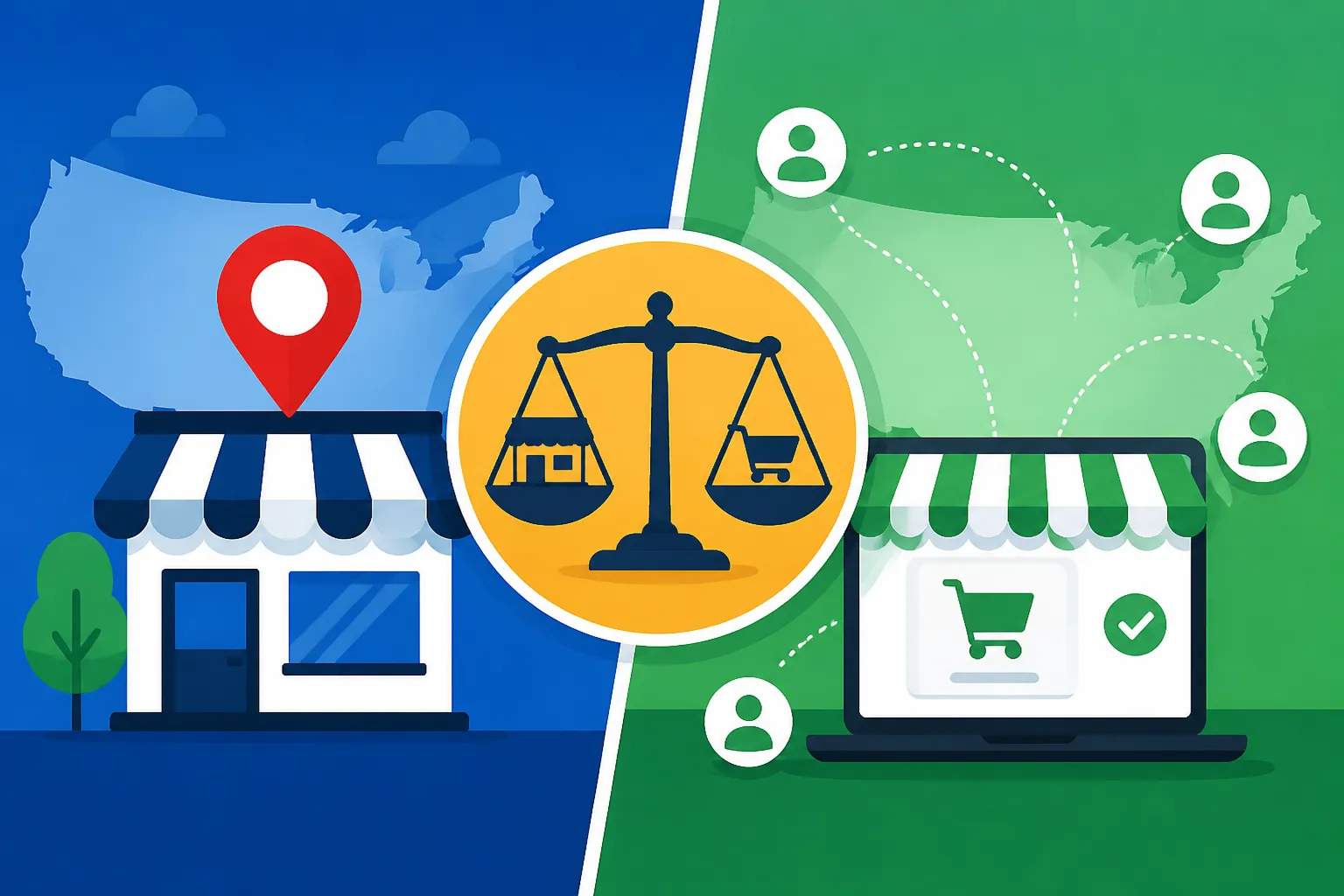
| Feature | Physical Nexus | Economic Nexus |
|---|---|---|
| Trigger | Tangible presence in a state | Sufficient sales activity/volume in a state |
| Examples | Office, warehouse, employee, retail store, trade show | Exceeding $100k (or other) in sales, or 200+ transactions (some states) |
| Origin | Decades of Supreme Court precedent (Quill, Bellas Hess) | Post-Wayfair Supreme Court decision (2018) |
| Required Action | Register for permit, collect, and remit sales tax | Register for permit, collect, and remit sales tax |
| Applies to | All businesses with a physical footprint | Out-of-state businesses with significant sales |
| Complexity | Relatively straightforward, but can be overlooked | Highly complex due to varying state thresholds and rules |
Common Nexus Traps and Misconceptions
The world of sales tax is rife with misunderstandings, and nexus is perhaps the most fertile ground for them. Many business owners, often with the best intentions, fall into traps or cling to outdated information, putting their businesses at risk. Let's bust some common myths and highlight pitfalls.
"My Business is Small, So I'm Exempt" Myth
This is a dangerous misconception that can lead to significant problems. Many small business owners assume that because they're not a large corporation, or because their online sales are still relatively modest, they don't need to worry about sales tax nexus. This simply isn't true. While economic nexus thresholds provide some relief for the very smallest sellers, even a single physical presence trigger can create nexus, regardless of your sales volume.
Consider a sole proprietor running an Etsy shop from her home in Arizona. She decides to attend a huge craft fair in Denver, Colorado, for a weekend to sell her handmade pottery. She makes $500 in sales at the fair. Even though she's a "small" business and only made $500, her physical presence at that trade show in Colorado could establish nexus, obligating her to collect Colorado sales tax on those sales. She's not exempt just because she's small; her activity created the link. The same applies to storing a single box of products in an FBA warehouse in another state. Your size doesn't exempt you from the fundamental rules of nexus.
Confusing Sales Tax with Income Tax Nexus
Another common point of confusion is mixing up sales tax nexus with income tax nexus. While both relate to your business's connection to a state, they are distinct concepts with different rules and implications.
- Sales Tax Nexus: Determines where you must collect sales tax from your customers. It's typically triggered by physical presence or exceeding economic thresholds in gross sales.
- Income Tax Nexus: Determines where your business owes state income tax (or franchise tax, gross receipts tax, etc.) on its profits. The rules for income tax nexus can be different and often have lower thresholds or different triggers than sales tax nexus. For example, a state might require you to file income tax based on a minimum threshold of property or payroll in the state, even if your sales tax nexus threshold isn't met.
Just because you might have income tax nexus in a state doesn't automatically mean you have sales tax nexus, and vice-versa. While there can be overlap, it's crucial not to conflate the two. Each has its own set of rules that need to be understood independently.
Ignoring Out-of-State Inventory
As touched upon earlier, this is one of the most significant and frequently missed nexus triggers for online sellers. The convenience of third-party fulfillment services like Amazon FBA, Walmart Fulfillment Services (WFS), or other 3PLs means your inventory can be spread across numerous states without you even realizing it. And those inventory locations absolutely create physical nexus.
Many sellers have operated for years thinking they only have nexus in their home state, only to discover through an audit or a painful self-realization that they've had physical nexus in half a dozen other states due to FBA inventory. This means they should have been registered and collecting sales tax in those states for all their sales (not just marketplace sales) dating back to when the inventory was first stored there. The consequences can include back taxes, penalties, and interest, sometimes totaling tens of thousands of dollars. This is why a thorough understanding of Amazon FBA Sales Tax Nexus Explained is so critical. Always verify where your inventory is stored, and assume those locations create physical nexus for your business.
Keeping Up with Ever-Changing Nexus Laws
If there's one constant in sales tax, it's change. Just when you think you've got a handle on things, a new law passes, a threshold shifts, or a state updates its interpretation. For businesses operating across state lines, staying compliant is an ongoing marathon, not a one-time sprint.
The Dynamic Nature of State Legislation
States are constantly evaluating and adjusting their sales tax laws, driven by budget needs, changing economic landscapes, and evolving legal interpretations. Since the Wayfair decision, we've seen:
- New Economic Nexus Laws: Initially, states rushed to implement their economic nexus rules. Now, those rules are being refined.
- Threshold Adjustments: Some states have dropped their transaction count thresholds, simplifying compliance for businesses with many small sales. Others might adjust their dollar thresholds over time.
- Expanded Taxability: States might expand sales tax to new types of services or digital products, creating new collection obligations. For example, many states are now taxing Software-as-a-Service (SaaS) where they didn't before.
- New Marketplace Facilitator Rules: While most states have them, the specifics of what's included and how it impacts sellers can still evolve.
This means that what was true about your nexus last year might not be true this year. Regularly reviewing your nexus footprint and staying informed about state-level legislative changes is paramount. This can be a huge undertaking, which is why many businesses turn to external resources or automated solutions.
Leveraging Technology for Ongoing Compliance
For any business selling beyond its home state, especially online, technology is no longer a luxury but a necessity for sales tax compliance. Manual processes simply can't keep pace with the dynamic nature of nexus rules and thousands of constantly changing rates.
Sales tax automation software, such as those offered by Avalara, plays a critical role:
- Continuous Monitoring: These systems constantly monitor your sales data against the latest state-specific economic nexus thresholds, alerting you when you're approaching or have met a trigger. This proactive approach helps you register before you're out of compliance.
- Real-time Rate Updates: They automatically apply the most current and accurate sales tax rates for every jurisdiction, ensuring you're collecting the right amount from customers, whether it's a New York Sales Tax Rate (4% + Local) or the higher Louisiana Sales Tax Rate (Highest Combined 10.11%).
- Automated Filing: Many solutions can prepare and even file your sales tax returns automatically, reducing the risk of errors and missed deadlines.
- Compliance Dashboard: A centralized dashboard provides a clear overview of your nexus status, filing obligations, and collected taxes across all states.
Investing in a robust sales tax solution frees up valuable time and resources, allowing you to focus on growing your business rather than drowning in sales tax spreadsheets. It’s an essential part of How to Stay Sales Tax Compliant as You Grow.
When to Seek Expert Guidance
While technology is powerful, there are times when human expertise is indispensable. Sales tax consultants, accountants specializing in multi-state taxation, or tax attorneys can provide invaluable guidance in specific scenarios:
- Complex Nexus Situations: If your business has unique operational structures, international components, or intricate affiliate relationships, determining nexus can be highly complex. An expert can provide tailored analysis.
- Historical Non-Compliance: If you've just discovered you've had nexus in states for years and haven't collected or remitted tax, an expert can guide you through the process of remediation, often advising on Voluntary Disclosure Agreements (VDAs) to minimize penalties.
- Mergers and Acquisitions: When businesses are bought or sold, the sales tax nexus of the acquired entity needs to be thoroughly assessed and integrated into the new parent company's compliance strategy.
- Audits: If your business is selected for a sales tax audit by a state, having an expert on your side can be crucial for navigating the process and representing your interests.
Ultimately, understanding sales tax nexus is a journey, not a destination. It requires vigilance, a willingness to adapt, and a strategic embrace of both technological tools and expert advice. The investment in getting it right upfront pales in comparison to the costs of getting it wrong down the line.
Disclaimer
Please remember that this article provides general information and guidance regarding sales tax nexus. Sales tax laws are complex, constantly evolving, and vary significantly by state and local jurisdiction. This content is not intended as legal or tax advice. We strongly recommend consulting with a qualified tax professional or sales tax expert to discuss your specific business situation and ensure full compliance with all applicable sales tax laws.