Is Candy Taxable in California?
Navigating the world of sales tax, especially when it comes to something as seemingly simple as a candy bar, can feel like you're trying to solve a riddle wrapped in an enigma. Many people find themselves scratching their heads at the checkout, wondering why one sweet treat gets taxed while another doesn't, especially here in California. This comprehensive guide is designed to cut through that confusion, giving you a crystal-clear understanding of whether your favorite candy is taxable in the Golden State, straight from a veteran lifestyle blogger who's seen it all.
The Sweet Truth About Candy and Sales Tax in California
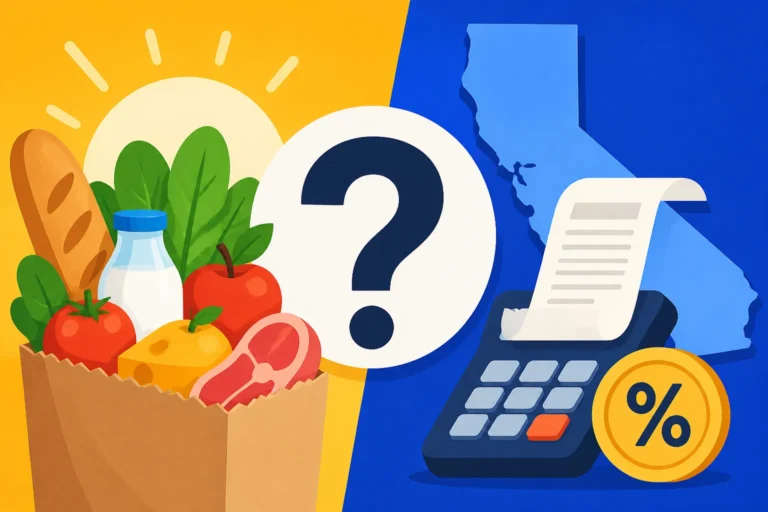
Let's be honest, sales tax can be a real head-scratcher. You pick up a bag of apples, no tax. You grab a soda, and suddenly there's an extra charge. It makes you wonder, what's the deal with candy? Is it food? Is it a luxury? In California, the rules around sales tax on food items, including candy, have some very specific distinctions that can make all the difference to your final bill.
The General Rule: Tangible Personal Property is Taxable
At its core, California's sales tax applies to the retail sale of tangible personal property. This basically means anything you can touch, see, and move around, like a new pair of shoes, a book, or, yes, certain food items. The state's base sales tax rate is 7.25%, but when you factor in local district taxes, that rate can climb quite a bit depending on where you are. Understanding these basics is the first step in unraveling the candy conundrum.
Many consumers assume all food is exempt from sales tax, and it's a perfectly logical assumption, given that most unprepared groceries are indeed tax-free. You can fill your cart with fresh produce, meats, dairy, and pantry staples, and generally, you won't see sales tax added to those items. This broad exemption for "food products" is intended to make essential living more affordable. However, this is where the nuance comes in, and where the line blurs for items like candy. The state has carved out specific exceptions within the "food products" category, creating a whole lot of confusion for both shoppers and sellers. It’s this distinction that we need to dive into to truly understand the taxability of your favorite chocolate bar.
What Makes Candy "Candy" for Tax Purposes?
This is where things get interesting, and a little bit quirky. The California Department of Tax and Fee Administration (CDTFA) has a specific way of determining if a sweet treat falls under the "candy" umbrella for sales tax purposes. It's not just about how sugary it is or if it comes in a colorful wrapper. The crucial factor often revolves around its ingredients, particularly the presence of flour.
For the CDTFA, "candy" generally refers to a confectionary item that contains sugar, honey, or other sweeteners, and is designed to be eaten as a snack or treat, but here's the kicker: it typically does not contain flour. This distinction might seem arbitrary, but it's a common method used by many states to differentiate between snack foods and more substantial baked goods or food items that could be considered part of a meal. This "flour test" is a game-changer when it comes to classifying what gets taxed and what doesn't. If an item is considered a "food product" but also fits the definition of candy, it's generally taxable.
Deciphering the California Department of Tax and Fee Administration (CDTFA) Rules
The CDTFA is the authority when it comes to sales tax in California, and their rules, while sometimes intricate, are the law of the land. They lay out the specifics that retailers must follow, which directly impacts what you pay at the register. Understanding their perspective is key to demystifying candy taxation.
The "Flour Test" in Action: Candy vs. Baked Goods
Let's get down to the nitty-gritty of this famous (or infamous, depending on your perspective) "flour test." In California, if a product is generally recognized as a candy or confection and does not contain flour as a significant ingredient, it is typically subject to sales tax. Think about a standard chocolate bar, a bag of gummies, or a hard candy — these are almost always taxed. The logic is that these are discretionary treats, not essential food staples. You can learn more about how states use this particular distinction in our deep dive on the Candy & Soda Sales Tax (The Flour Test).
On the flip side, if a sweet item does contain flour as a primary ingredient, it's often classified as a "baked good" or another form of food product, which can exempt it from sales tax. This is why a chocolate chip cookie, a donut, or a muffin purchased at a grocery store usually won't have sales tax added, even though they are sweet and enjoyed as treats. These items are seen as more akin to bread or other bakery items that are typically considered tax-exempt groceries. This can lead to some truly baffling scenarios where a pure chocolate bar is taxed, but a cookie with chocolate chips is not, even if they're sitting right next to each other on the shelf. The grey areas can get tricky, especially with newer hybrid products that blur the lines between traditional candy and baked goods.
How Place of Sale Affects Candy Taxability
Beyond the "flour test," where you buy your candy can also play a role, although this is more relevant when considering general food sales tax rules. When candy is sold as a standalone item at a typical grocery store, the "flour test" is usually the primary determinant. However, if that same candy (or any other food product) is sold in a way that makes it "prepared food" or "hot prepared food," the rules shift.
For instance, if you grab a candy bar from a vending machine, a different rule often applies. Vending machine sales of cold food products, including candy, are typically subject to sales tax on only 33% of the gross receipts. This is a special concession made for vending machine operators. Then there's the scenario of food sold for immediate consumption at places like a restaurant, a deli counter, or even a snack bar within a grocery store. If candy is part of a "prepared food" sale – say, it's bundled with a coffee and a sandwich, or somehow altered or heated – it would fall under the general rules for Prepared Food Sales Tax Explained, which are usually fully taxable. While most individual candy bar sales won't suddenly become "prepared food," it's an important distinction to remember for other food items. For example, a slice of apple pie from a bakery section of a supermarket would likely be tax-exempt because it contains flour and isn't "prepared food," but if you get a similar pie from a restaurant for dine-in, it's almost certainly taxed.
Practical Implications for Consumers and Businesses
This nuanced approach to candy taxation in California has real-world effects for everyone involved, from the person grabbing a quick treat to the business trying to stay compliant. It's not just an academic exercise; it impacts everyday transactions.
For Consumers: Why Your Receipt Looks Different
As a consumer, you've probably experienced this firsthand. You're at the grocery store checkout, scanning your items, and suddenly you see tax applied to your favorite candy bar, but not to the loaf of bread or the bag of chips. It's frustrating, and it can feel inconsistent. That extra charge on your candy bar, or any other non-flour-based confection, is precisely because of California's specific sales tax definitions.
Let's imagine a common scenario: you're at a Target in Los Angeles. You pick up a bag of Skittles, a Hershey's chocolate bar, and a package of store-brand chocolate chip cookies. At checkout, you'll likely see sales tax applied to the Skittles and the Hershey's bar. But the chocolate chip cookies? They'll probably be tax-free, assuming they contain flour as a primary ingredient and aren't considered "prepared food." This difference on your receipt isn't a mistake; it's the direct result of these state regulations. Knowing this can help you understand your bill better and anticipate costs, even on small purchases. If you're curious about how these rates stack up, our guide on California Sales Tax Rate (7.25% Base + Districts) offers more context.
For Businesses: Ensuring Compliance with California's Rules
For businesses, especially those that sell a wide variety of food items, navigating these distinctions can be a significant operational challenge. Retailers, from small corner stores to large supermarket chains, bear the responsibility of correctly identifying and charging sales tax on thousands of different products. Misclassifying an item, even unintentionally, can lead to audits, penalties, and back taxes down the line. It's not just about knowing that candy is taxable; it's about systematically applying that rule to every single SKU.
This is where sales tax compliance software becomes an absolute lifesaver. Companies like Avalara specialize in helping businesses automate the complex process of sales tax calculation and remittance. Instead of manually scrutinizing every product for "flour" or "prepared food" status, a robust system can classify items based on detailed taxability rules and apply the correct sales tax at the point of sale. This is especially critical for online sellers, who might be shipping candy across different counties, each with varying district taxes. For them, understanding Sales Tax for Online Sellers: Complete Guide means they need reliable tools. An efficient system ensures that when a customer buys a candy bar in San Diego, the correct combined state and local rate is applied, saving businesses countless hours and minimizing audit risk. Without such tools, the administrative burden of maintaining compliance can be overwhelming, especially for businesses with high sales volumes or a diverse product catalog.
Common Candy Conundrums and Special Cases
As if the "flour test" wasn't enough, there are always those edge cases and peculiar scenarios that make sales tax even more interesting. California, with its diverse market, certainly has its share of them.
The Case of "Snack Bars" and Nutritional Items
What about those seemingly healthy snack bars you grab for a quick boost? Think granola bars, protein bars, or "meal replacement" bars. Are they candy, or are they a food product? This is another common area of confusion. Generally, if these bars contain flour or oats as a primary ingredient and are marketed as a nutritional supplement or meal substitute rather than a confectionary treat, they are often considered tax-exempt food products in California. The marketing and intended use play a significant role here, in addition to the ingredient list.
For example, a traditional Quaker Oats granola bar, often containing oats (a grain, akin to flour in this context), would likely be tax-exempt. However, a bar that is essentially a solidified block of sugar, nuts, and chocolate, even if branded as an "energy bar," might still fall under the "candy" definition if flour isn't a significant ingredient. The CDTFA examines the "essential character" of the product. If it looks, tastes, and is marketed like a candy bar, it’s likely taxed. This distinction can be subtle, and manufacturers often design their products and packaging with these tax implications in mind. As a business owner, you'd want to ensure your POS system accurately categorizes these items, perhaps with the help of a solution like Avalara, to avoid errors.
Gift Baskets and Combination Sales
Another intriguing area is when candy is part of a larger gift or combination sale. Imagine a beautifully curated gift basket containing a gourmet chocolate bar, some locally roasted coffee, a block of cheese, and fresh fruit. How is sales tax applied here? California generally follows the "true object" or "essential character" rule. If the primary purpose of the gift basket is to sell taxable items, the entire basket might be taxed. However, if the majority of the items are non-taxable (like the coffee, cheese, and fruit, assuming they are unprepared food products), and the candy is incidental, the candy might be taxed separately or the entire basket may be exempt if the candy's value is minor.
It often comes down to the retailer's accounting and how they price and present the bundle. If the candy is sold as a separate component with a distinct price within the basket, it's easier to tax just that portion. If it's a single price for a mixed bag, the dominant item's taxability typically prevails. This is why you sometimes see itemized receipts even for bundled products. Navigating these rules for bundles requires careful attention to the nuances of What Items Are Exempt From Sales Tax? and how individual items within a larger sale are treated. It’s definitely not as straightforward as just scanning a single candy bar!
Here's a quick reference table to help visualize these distinctions:
| Item Category | Common Examples | Contains Flour? | General CA Sales Tax Status | Notes |
|---|---|---|---|---|
| Taxable Candy | Chocolate bars, gummies, hard candies, lollipops | No | Taxable | Main ingredient is sugar/sweetener, not flour. |
| Non-Taxable Baked Goods | Cookies, donuts, muffins, pastries | Yes | Non-Taxable | Flour is a significant ingredient; considered a "food product." |
| Snack Bars | Granola bars, some protein/energy bars | Often (oats) | Generally Non-Taxable | If main ingredient is flour/oats and marketed as nutritional. |
| Prepared Food | Hot dog, coffee, deli sandwich | Varies | Taxable | Food prepared for immediate consumption, regardless of flour. |
| Grocery Food | Fresh produce, meat, dairy, pantry staples | N/A | Non-Taxable | Unprepared food products for home consumption. Is Groceries Taxable in California? |
| Vending Machine Candy | Candy bar from a vending machine | No | 33% Taxable | Special rule for vending machine sales of cold food items. |
In California, the sales tax rules on candy might seem a bit peculiar with the "flour test" and distinctions for prepared foods and vending machines, but they are consistently applied across the state. Whether you're a consumer wondering about your receipt or a business owner ensuring compliance, understanding these nuances is crucial. Remember that sales tax rates can change, so always stay updated on How Do Sales Tax Rate Changes Take Effect?. For businesses, solutions like Avalara can greatly simplify the process, ensuring you're collecting and remitting the correct tax, no matter how complex the item classification. If you're starting a new business, don't forget to look into How to Get a Sales Tax Permit in California as well.
Disclaimer
The information provided here is for general guidance and informational purposes only and does not constitute professional tax advice. Sales tax laws are complex and can change frequently. Always consult with a qualified tax advisor or the California Department of Tax and Fee Administration (CDTFA) for advice specific to your situation.