Is Food Taxable in California?
Figuring out sales tax can feel like navigating a maze, and when it comes to something as basic as food, it often gets even more complicated, especially here in California. It's not always as simple as "food is tax-free" or "food is taxed," which leaves many of us scratching our heads at the checkout counter. This comprehensive guide will clear up the confusion around food sales tax in the Golden State, detailing what's generally taxable, what's exempt, and the common scenarios you'll encounter as a consumer or a business owner.
The Core Distinction: Groceries vs. Prepared Food
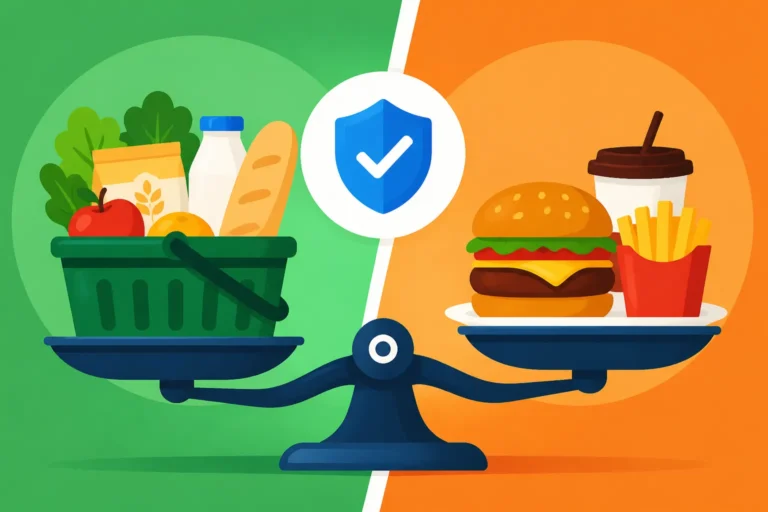
The fundamental rule in California, much like in many other states, hinges on a crucial distinction: whether the food is considered "food for home consumption" (groceries) or "prepared food." This might sound straightforward, but the nuances can be surprisingly intricate, leading to different tax treatments even for similar items depending on where and how they're sold.
What Qualifies as "Food for Home Consumption"?
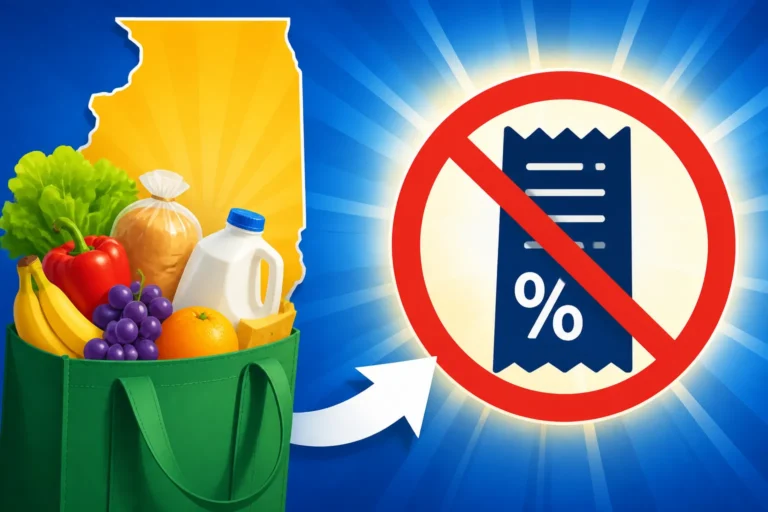
Generally speaking, "food for home consumption" refers to basic grocery items that you would typically buy at a supermarket to prepare and eat at home. These are the staples: fresh fruits and vegetables, uncooked meats, eggs, milk, bread, canned goods, and most packaged items that require further preparation or are intended to be eaten off-premises without additional service. In California, these items are largely exempt from sales tax. The idea is to not tax essential foodstuffs that make up the bulk of a household's grocery bill.
Imagine you're pushing a cart through a local grocery store like Ralphs or Safeway. All the fresh produce in the aisles, the raw chicken in the meat department, the gallon of milk, that box of cereal – these are all considered food for home consumption. When you get to the checkout, you'll notice that the sales tax isn't applied to these items. This exemption is a huge relief for families trying to manage their budgets, as it keeps the cost of basic necessities down. It's a common policy across many states, aiming to ease the financial burden on consumers for essential goods.
The "Prepared Food" Rule: When Food Becomes Taxable
Here's where things get interesting and often confusing. "Prepared food" in California is typically taxable. But what exactly makes food "prepared"? The definition extends beyond just "hot food" and includes several key factors that often trip people up.
Firstly, if the food is sold hot, it's almost always considered prepared food and is taxable. Think of a hot rotisserie chicken from the deli counter, a slice of hot pizza, or a warm cup of coffee. These items are ready to eat immediately and are taxed. This "hot food" rule is fairly consistent. Secondly, if the food is sold for consumption on the premises where it's sold, it's taxable. This applies whether the food is hot or cold. If you buy a cold sandwich and eat it right there at the café's tables, it's taxable. Similarly, if you pick up a pre-made salad at a convenience store and decide to eat it at their small counter space, it becomes taxable. The intent of immediate consumption on-site is a key trigger.
Lastly, and this is a big one, food is considered prepared and taxable if it's sold with eating utensils provided by the seller. This includes items like forks, spoons, knives, straws, napkins, or plates, regardless of whether the food is hot or cold. So, a cold pasta salad bought with a plastic fork from a deli, or a carton of yogurt handed to you with a spoon, would typically be subject to sales tax. This rule is designed to capture items that resemble a restaurant-style meal, even if they aren't explicitly eaten on the premises. This is a common source of confusion, as many people assume cold food is always tax-exempt. Understanding the nuances of "Prepared Food Sales Tax Explained" can save both businesses and consumers a headache.
Navigating Specific Food Scenarios in California
California's sales tax regulations on food are packed with specific scenarios that can make your head spin. It’s not just about hot versus cold; it's also about where you buy it, how it's packaged, and even how it's intended to be consumed. Let's dig into some of these common, yet often perplexing, situations.
The Hot Food Rule and Dining On-Premises
As we touched on, the "hot food" rule is a major indicator of taxability. If a food item is sold to you in a heated state, it's almost certainly taxable. This applies whether you're at a restaurant, a deli, a fast-food joint, or even the hot bar at a supermarket. For example, if you grab a burrito from a taco truck, a burger from In-N-Out, or a cup of clam chowder from a bustling San Francisco marketplace, you'll be charged sales tax. The rationale is that these items are typically prepared for immediate consumption and are an alternative to a home-cooked meal.
Beyond just hot food, California also taxes most food products when they are sold "for consumption at the place of business where sold." This means if you buy a cold sandwich, a salad, or a pastry at a cafe and sit down to eat it right there, it will be subject to the standard California sales tax rate and any applicable local district taxes. This is why you might see sales tax applied to a cold sandwich bought at a café with seating, but not to the same sandwich bought pre-packaged from a grocery store and taken home. The intention of consumption on-site changes its tax status.
Restaurant Dining Versus Takeout
This is a classic scenario that can really highlight the complexities. When you dine in at a restaurant, whether it's a fancy sit-down meal or a casual diner, all your food and beverages are subject to sales tax. This is because the food is prepared for consumption on the premises, and often includes service. But what happens when you order takeout or delivery?
For takeout orders, the rules largely remain the same as for dining in – the food is still considered "prepared food." So, that delicious pizza you pick up to enjoy at home, or the sushi platter you grab on your way from work, will still have sales tax added to the bill. The key is that it's prepared and ready-to-eat by the vendor. This is important for businesses to track for compliance, and solutions like those offered by Avalara can really help streamline the process of accurately calculating and remitting sales tax on these types of transactions. Whether you are selling a handful of items or running a full-scale restaurant operation, knowing these distinctions is vital.
Vending Machine Sales: A Mixed Bag
Vending machine sales add another layer of complexity. For many items sold through a vending machine in California, sales tax applies. This is especially true for prepared foods, hot beverages, and most candies and sodas. However, there's a specific exemption that can apply: if a vending machine operator's gross receipts from all sales of food products (excluding hot prepared food and carbonated beverages) are 80% or more of their total gross receipts, then 50% of the sales price of the food products is considered exempt from sales tax. This is a niche rule that mainly affects vending machine operators, not typically the end consumer directly at the point of sale.
For most consumers, it’s simpler to assume that items like a canned soda, a bag of chips, or a candy bar from a vending machine will include sales tax. But if you’re a business operating multiple vending machines, you absolutely need to dive into these specific rules to ensure compliance. You might also need to consider your overall "Economic Nexus Threshold in California ($500k)" if you operate at a large scale, even for seemingly small transactions.
Food Delivery Services
The rise of food delivery services like DoorDash, Uber Eats, and Grubhub has added another dimension to the sales tax landscape. When you order food through these platforms, the sales tax rules generally follow the same guidelines as if you were picking up the food directly from the restaurant. The prepared food itself is taxable.
However, sometimes the delivery fees or service charges associated with these platforms can also be subject to sales tax in California, depending on how they are structured and whether they are considered part of the "sale" of the food or a separate service. This is an area that can vary, so it's always wise to check your itemized bill. For sellers leveraging these platforms, it's crucial to understand who is responsible for collecting and remitting sales tax – the marketplace facilitator or the individual restaurant. Often, the marketplace facilitator handles the sales tax collection, but sellers still need to ensure their pricing accounts for it. Many businesses refer to resources on "Sales Tax for Online Sellers: Complete Guide" to get clarity on these types of transactions.
Exemptions and Special Cases
While the general rule in California leans towards taxing prepared foods and exempting most groceries, there are several important exemptions and special cases that can influence whether sales tax is applied to your food purchase. These details are vital for both consumers and businesses to understand, especially since misapplication can lead to overpayments or compliance issues.
SNAP, EBT, and Other Government Assistance Programs
One of the most significant exemptions involves purchases made with benefits from the Supplemental Nutrition Assistance Program (SNAP), formerly known as food stamps, or Electronic Benefit Transfer (EBT) cards. In California, food products purchased with SNAP/EBT benefits are entirely exempt from sales tax. This is a federal mandate designed to ensure that aid intended for food purchases goes directly towards nutrition without being reduced by state or local taxes.
So, if you're using your EBT card at a grocery store, a farmer's market, or even at certain authorized delis that accept EBT for eligible cold food items, those purchases will not incur sales tax. This applies even if the item would normally be taxable, such as a cold sandwich from a deli, as long as it falls within the federal guidelines for eligible food items. It's a critical exemption for helping low-income families access healthy food.
Bakery Goods and Confectioneries
Bakery goods have their own set of rules, which can be a bit tricky. Generally, most bakery items like bread, bagels, muffins, and plain donuts are considered food for home consumption and are not subject to sales tax when sold for takeout. However, if these bakery items are sold for consumption on the premises (e.g., you eat a croissant at the bakery's table), or if they are sold with eating utensils provided by the bakery (like a slice of cake with a fork), then they become taxable.
Candy and certain confectioneries also have specific rules. In California, candy is generally taxable unless it meets the definition of an "exempt food product." This often comes down to the famous "flour test" or similar criteria. For instance, many chocolate bars are taxable, but if a candy bar contains flour as a primary ingredient (like some Kit Kat bars or Twix), it might be considered more of a bakery item and could be exempt if sold for home consumption. This is a very specific nuance that many consumers aren't aware of, and it’s a great example of why it’s so difficult to answer "Is Candy Taxable in California?" without diving into the details. Similarly, carbonated beverages (soda) are generally taxable, while non-carbonated fruit juices or bottled water are usually exempt when sold for off-premises consumption.
Hot Prepared Food Sales by Small Vendors
There's a fascinating exemption for hot prepared food sales by certain vendors. If an establishment's sales of hot prepared food constitute 80% or more of its total food sales, and the remaining food sales (typically cold items) are made in a way that would otherwise be exempt (e.g., pre-packaged cold sandwiches without utensils for off-premises consumption), then those cold items can still be exempt. This is particularly relevant for places like dedicated hot dog stands or food trucks that primarily sell hot, ready-to-eat meals, but might also offer a cold drink or a packaged salad on the side.
The intent here is to simplify compliance for businesses that overwhelmingly deal in taxable prepared foods, preventing them from having to meticulously track and separate a small percentage of cold, potentially exempt items. However, the exact percentage threshold and conditions need to be carefully met. For businesses trying to keep track of these specific exemptions across their entire product line, using a robust sales tax compliance system can make a huge difference.
Why Sales Tax on Food is So Complex in California
Understanding why sales tax on food can be such a head-scratcher in California really comes down to a few core factors. It's not just about one simple rule, but a tapestry of regulations designed to achieve various policy goals, which sometimes leads to unforeseen complications for consumers and businesses alike.
The Nuances of "Prepared" and "On-Premises"
The biggest source of complexity stems from the very definitions we discussed: "prepared food" and "consumption on the premises." These aren't always intuitive. For example, why is a cold sandwich taxable if you eat it at the deli, but not if you take it home? Or why does providing a plastic fork suddenly make a cold salad taxable?
These rules exist to draw a line between basic groceries (seen as necessities) and restaurant-style meals (seen as a service or convenience). The state wants to capture revenue from food items that provide a complete, ready-to-eat experience, similar to what you'd get at a restaurant. However, the practical application can feel arbitrary. A busy person grabbing a cold sandwich and a pre-packaged yogurt, then sitting at a small table inside a cafe before rushing off to work, is essentially buying a meal. The state sees this as fundamentally different from someone buying a loaf of bread and a block of cheese at a grocery store to make sandwiches at home. This is why the context of the sale, rather than just the food item itself, plays such a heavy role.
The Impact of Local District Taxes
Adding another significant layer of complexity to California's sales tax picture are the myriad local district taxes. California has a statewide base sales tax rate of 7.25%, but almost every city and county in the state imposes additional district taxes. These can be for anything from transportation projects to local services, and they can vary significantly from one ZIP code to the next. For instance, the sales tax rate in Los Angeles County can be notably higher than the state base rate due to various district taxes. You can explore topics like "California District Taxes Explained" for a deeper dive.
So, while the state sales tax might exempt certain groceries, any local district taxes are often applied on top of the base rate for taxable items. This means that a prepared meal in San Francisco will have a different total sales tax rate than the same meal in San Diego, even though the state rules for taxing food remain consistent. For businesses, especially those with multiple locations or those selling online across different jurisdictions, calculating the correct combined rate for every transaction is a monumental challenge. This is precisely why businesses often rely on sophisticated sales tax software, such as Avalara, to ensure they're charging the right amount of tax based on the exact location of the sale, right down to the specific street address. Without such tools, navigating the constantly changing landscape of "Sales Tax Rates by State 2026: All 50 States" and local rates is nearly impossible.
Keeping Up with Ever-Changing Regulations
Sales tax laws are not static. While the core distinctions for food in California have been in place for a while, there can always be subtle amendments, new interpretations, or changes to specific exemptions. For example, during emergencies, temporary exemptions might be put into place for essential items. Businesses must stay vigilant and monitor updates from the California Department of Tax and Fee Administration (CDTFA) to ensure ongoing compliance.
The complexity also arises when new types of food products or sales models emerge. Consider the rise of meal kits, subscription boxes, or even specialty food trucks. Each new innovation requires an interpretation of existing rules, and sometimes, new guidance from tax authorities. This constant need for education and adaptation makes sales tax compliance an ongoing challenge, rather than a one-time setup. Understanding "How Do Sales Tax Rate Changes Take Effect?" is also crucial for staying ahead.
Common Taxable and Non-Taxable Food Examples in California
To help summarize, here's a quick table outlining common food items and their typical sales tax status in California. Keep in mind that the context of the sale (e.g., eaten on-premises, sold with utensils) can always shift an item from non-taxable to taxable.
| Food Item | Typical Sales Tax Status in California |
|---|---|
| Fresh fruits and vegetables | Non-taxable (grocery) |
| Uncooked meats, poultry, fish | Non-taxable (grocery) |
| Milk, eggs, cheese, butter | Non-taxable (grocery) |
| Bread, bagels (for off-premises) | Non-taxable (grocery) |
| Canned goods, dry pasta, flour | Non-taxable (grocery) |
| Bottled water (non-carbonated) | Non-taxable (grocery) |
| Coffee beans, tea bags | Non-taxable (grocery) |
| Most pre-packaged cold sandwiches (takeout) | Non-taxable (grocery) |
| Hot prepared foods (e.g., rotisserie chicken, pizza) | Taxable |
| Dine-in restaurant meals | Taxable |
| Cold food sold for on-premises consumption | Taxable |
| Cold food sold with utensils (e.g., salad with fork) | Taxable |
| Carbonated soft drinks (soda) | Taxable |
| Most candy (without flour as main ingredient) | Taxable |
| Vending machine items | Often taxable |
| Coffee, lattes, hot tea (prepared) | Taxable |
This table provides a general overview, but as we've seen, exceptions and specific conditions abound. When in doubt, it's always best to check with the vendor or consult official CDTFA resources, especially if you're a business owner needing to know "How Do I Find My Local Sales Tax Rate?" or if you need to "Calculate Sales Tax: How to Calculate Sales Tax" for your specific sales.
Final Thoughts for Consumers and Businesses
For consumers, the biggest takeaway is to understand that the sales tax on food in California isn't simply a "yes" or "no." It's a nuanced system where the context of your purchase, including how the food is prepared, whether it's hot, and where you intend to consume it, plays a significant role. Don't be surprised if your cold sandwich is taxed at one establishment but not at another – there's usually a specific rule behind it related to "Prepared Food Sales Tax Explained."
For businesses operating in California, the stakes are much higher. Accurate sales tax collection and remittance are not just about avoiding penalties; they're about maintaining a compliant and trustworthy operation. With the varying rates due to district taxes and the intricate rules for different food categories, managing sales tax manually can quickly become overwhelming. Many businesses find immense value in automation. Solutions like Avalara offer tools that can automatically calculate sales tax based on the exact location, apply the correct rules for specific products, and even help with filing returns. This allows business owners to focus on what they do best: serving delicious food to their customers, rather than getting bogged down in tax minutiae. If you're running a business, be sure to understand "Economic Nexus by State 2026: Thresholds Guide" and "How to Get a Seller's Permit in California" to ensure you're compliant.
Ultimately, while the complexities can be frustrating, a little knowledge goes a long way in understanding your California food purchases.
Disclaimer
The information provided in this article is for general informational purposes only and does not constitute professional tax advice. Sales tax laws are complex and subject to change. Always consult with a qualified tax professional or the relevant state tax authorities for advice tailored to your specific situation.