What Is Economic Nexus?
It can feel incredibly overwhelming to be running an online business, finally finding some traction, only to discover there's a whole new world of sales tax rules you never knew existed. You've probably heard whispers about "nexus" and wondered if it applies to you, especially if you don't have a physical storefront in half the country. This guide is here to demystify one of the biggest challenges for modern businesses: economic nexus, what it is, and how it impacts your sales tax obligations.
What Exactly is Economic Nexus?
For decades, sales tax rules were relatively straightforward: you only had to collect sales tax in states where your business had a "physical presence." This meant having a brick-and-mortar store, an office, employees, or even inventory in a warehouse. But the rise of e-commerce changed everything. Businesses could sell goods to customers all over the country without ever setting foot in those states. This created a massive loophole where states lost out on billions in sales tax revenue, putting local businesses at a significant disadvantage against out-of-state online retailers.
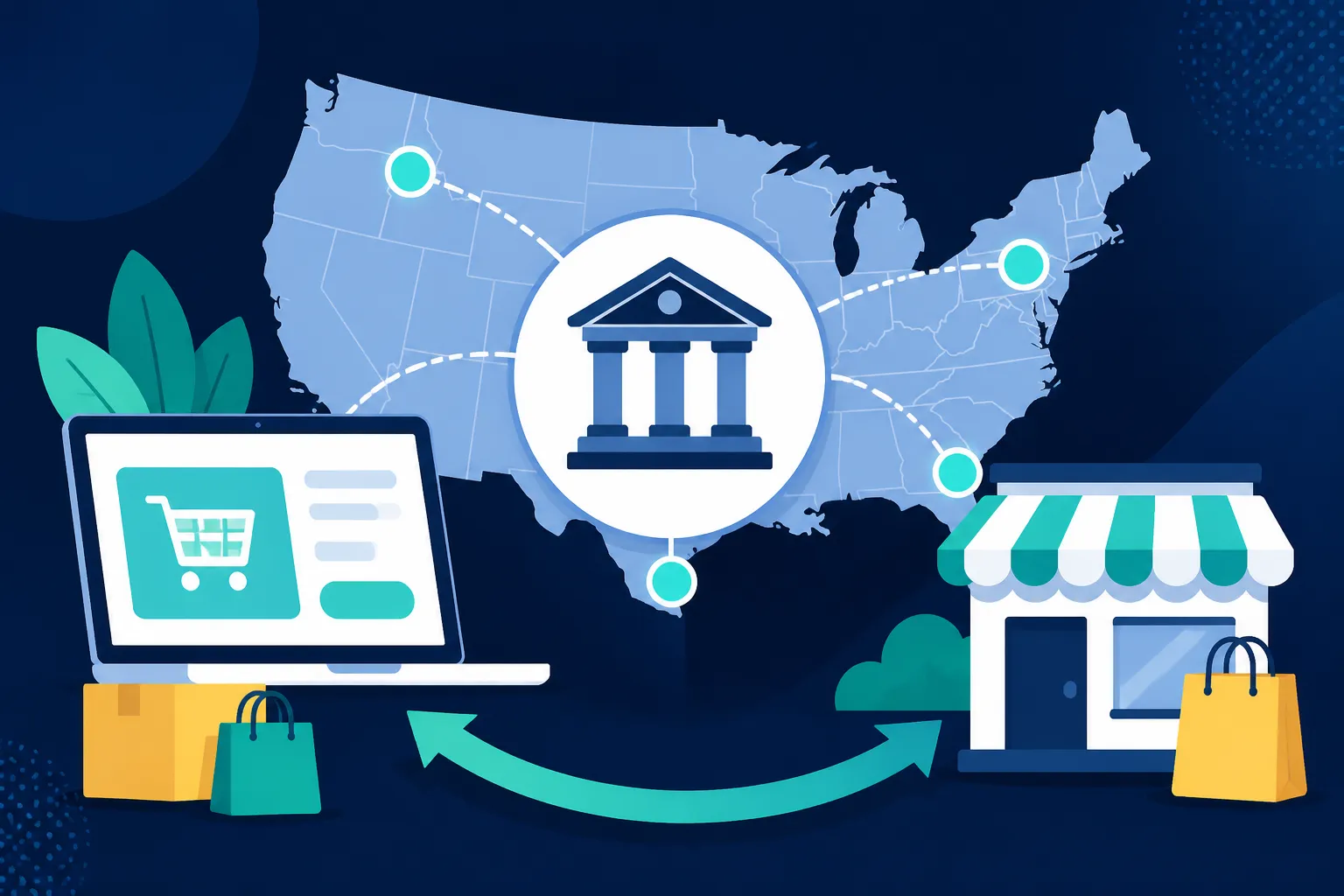
Economic nexus is the modern answer to this problem. It's a legal concept that establishes a sales tax collection obligation for remote sellers based solely on their economic activity within a state, rather than a physical presence. Essentially, if your sales to customers in a particular state cross a certain financial or transactional threshold, that state can require you to register, collect, and remit sales tax, even if you don't have a single employee or office there. It's a game-changer that has fundamentally reshaped how online sellers operate, moving beyond the traditional notions of where a business "is" to where its sales impact consumers.
Beyond Physical Presence
The idea of physical presence was easy for businesses to understand and comply with. If you had a store in California, you collected California sales tax. If you didn't, you generally didn't. This clear boundary gave many small businesses a sense of security, allowing them to focus on growing their operations without worrying about sales tax in dozens of other states. However, this simplicity became a major pain point for states. They argued that even without a physical building, large out-of-state retailers were leveraging their roads, infrastructure, and consumer base, and therefore should contribute to the tax base.
Economic nexus laws bridge this gap by stating that if your business is benefiting economically from a state's market, you have a responsibility to collect their sales tax. This means that a seller in Oregon, a state with no statewide sales tax, could easily trigger economic nexus in, say, Texas, if their sales to Texas residents meet that state's threshold. It's a crucial shift that recognizes the digital nature of today's economy and attempts to level the playing field between local and remote sellers, ensuring states can recover revenue from sales made by businesses located outside their borders.
The Evolution of Sales Tax
Before economic nexus, sales tax compliance was often viewed as a regional issue. Businesses mainly worried about the rules in their home state and perhaps a few neighboring states where they might have a store or a traveling sales team. The concept of sales tax nexus itself was largely tied to the landmark 1992 Supreme Court case, Quill Corp. v. North Dakota, which affirmed that a physical presence was required to impose sales tax collection obligations on out-of-state retailers. This ruling, while clear, quickly became outdated in the internet age, where physical boundaries no longer dictated commerce.
States, desperate for revenue and frustrated by the Quill decision, began to push back. They started to enact various laws designed to circumvent the physical presence rule, leading to a patchwork of confusing legislation. This regulatory environment eventually set the stage for a new Supreme Court case that would permanently alter the sales tax landscape for good. Understanding this history is vital because it explains why economic nexus came into being and why it's so critical for virtually every business selling across state lines today.
The Wayfair Decision and Its Impact
The entire landscape of sales tax changed dramatically on June 21, 2018, when the U.S. Supreme Court issued its decision in the case of South Dakota v. Wayfair, Inc. This ruling was a monumental shift, directly overturning the decades-old physical presence standard established in Quill Corp. v. North Dakota. For remote sellers, this wasn't just a legal technicality; it was a complete overhaul of how they had to approach sales tax, making what used to be a niche concern a mainstream compliance headache.
Before Wayfair, many businesses could simply ignore sales tax in states where they didn't have a physical footprint. After Wayfair, every state with a sales tax jurisdiction was given the green light to enact its own economic nexus laws. This meant that an online seller in Michigan selling handcrafted goods could suddenly be required to collect sales tax for customers in Florida, California, or New York, all without ever stepping foot in those states. The decision truly ushered in a new era of sales tax compliance, forcing businesses to re-evaluate their entire sales tax strategy and footprint. You can delve deeper into the specifics of this landmark ruling by checking out our guide on South Dakota v. Wayfair: What It Means for Sellers.
Shattering the Physical Presence Rule
The Wayfair decision didn't just tweak the rules; it completely obliterated the constitutional barrier of physical presence for sales tax collection. The Supreme Court recognized that the physical presence standard was "anachronistic" in the modern e-commerce economy and that it created an unfair advantage for out-of-state retailers while depriving states of much-needed revenue. Justice Anthony Kennedy, writing for the majority, emphasized that the internet had evolved past the point where a seller needed to be physically present to derive economic benefit from a state.
This meant states could now legally require remote sellers to collect sales tax if their activities met certain economic thresholds. It was a victory for states like South Dakota, which had championed the cause, but it sent shockwaves through the business community. Small online businesses, once shielded by the physical presence rule, suddenly found themselves staring down the barrel of potential sales tax obligations in dozens of states. This new reality demanded a significant shift in business operations, requiring comprehensive tracking of sales data and understanding of ever-changing state laws.
New Burdens for Online Sellers
The immediate aftermath of the Wayfair decision saw states rapidly enacting their own economic nexus laws. This created a complex, constantly evolving patchwork of regulations, each with its own unique thresholds, rules for what counts as a sale, and exemptions. Suddenly, a business that might have only worried about sales tax in one or two states now had to monitor their sales activity in all 45 states that have a statewide sales tax, plus Washington D.C.
This explosion of new rules presented enormous compliance challenges, particularly for small to medium-sized businesses that lacked the resources of larger corporations. They had to figure out how to track sales by state, understand each state's specific nexus thresholds, register for sales tax permits where necessary, and then accurately calculate, collect, and remit the correct sales tax. Solutions like Avalara became invaluable for many businesses, offering automated tools to manage these complex obligations. Without proper tools and understanding, the burden of compliance could easily overwhelm even a successful remote seller.
Key Elements of Economic Nexus Thresholds
When states implemented their economic nexus laws post-Wayfair, they didn't all adopt the exact same rules. While there's a general consensus, the specific thresholds that trigger nexus can vary significantly from one state to another. This variability is precisely what makes economic nexus so tricky to manage. However, there are typically two main components that states use to define their economic nexus thresholds: a sales volume component and, less commonly now, a transaction count component.
Understanding these elements is crucial for any business selling across state lines. Failing to monitor your sales against these thresholds in each state can lead to unexpected tax liabilities and penalties. Many states also have nuances regarding what types of sales count towards these thresholds, adding another layer of complexity. Our detailed guide on Economic Nexus by State 2026: Thresholds Guide provides a comprehensive look at the specific requirements for each state.
The Sales Volume Component
The most common way states define economic nexus is through a sales volume threshold. This means if your total gross sales into a particular state exceed a certain dollar amount within a specific period (usually the current or previous calendar year), you've established economic nexus. The most widely adopted sales volume threshold is $100,000. For example, if you sell $100,001 worth of goods to customers in Arkansas in a year, you likely have economic nexus there.
However, it's not always that simple. Some states, particularly larger ones, have much higher thresholds. For instance, both Economic Nexus Threshold in California ($500k) and Economic Nexus Threshold in Texas ($500k) set their thresholds at $500,000 in gross revenue. It's also critical to note that "gross sales" typically refers to all sales into the state, including both taxable and exempt sales, before any deductions or returns. This means even if a significant portion of your sales are tax-exempt, they still contribute to reaching the economic nexus threshold, making it easier to trigger a collection obligation than many businesses initially realize.
The Transaction Count Component
In the early days of economic nexus after Wayfair, many states included a "200 separate transactions" threshold in addition to the sales volume threshold. This meant that even if your total sales volume was low, if you had 200 or more individual transactions into a state, you could still trigger nexus. For example, if you sold 200 items at $5 each to customers in Mississippi, totaling only $1,000 in sales, you would have met the transaction threshold, despite being far below Mississippi's $250,000 sales volume threshold.
However, this transaction count threshold proved to be a significant burden for very small sellers and created disproportionate compliance requirements. In response to feedback and recognition of its complexity, many states have begun to eliminate or never adopted the transaction count threshold. Our article on Which States Dropped the 200-Transaction Threshold? provides a current overview of this trend. While it's becoming less common, some states still retain it, so it's vital to check the specific rules for each state where you have sales.
What Sales Count Towards the Threshold
This is where things can get a little nuanced and frustrating. When states refer to "gross sales" for their economic nexus thresholds, they generally mean exactly that: the total amount of sales revenue generated from customers in that state, before considering any sales tax exemptions or deductions for returns. This can be a trap for businesses that primarily sell exempt goods or sell to other businesses using resale certificates. For example, a wholesaler selling only to other businesses with valid resale certificates might assume they don't need to worry about sales tax. But if their gross sales (even if all exempt) to customers in a state exceed that state's economic nexus threshold, they still establish nexus and are required to register and file returns, even if those returns are often "zero sales" returns.
Moreover, the period for calculating these thresholds also matters. Most states look at the current calendar year or the preceding calendar year. This "lookback" period means that even if your sales drop this year, you might still have nexus from your sales activity last year. Some states might also specify taxable sales only, but this is less common for the initial nexus determination. Because of these complexities, keeping accurate, state-by-state sales records is absolutely non-negotiable for any remote seller.
Here's a quick look at some common economic nexus thresholds:
| State | Sales Volume Threshold | Transaction Count Threshold | Notes |
|---|---|---|---|
| California | $500,000 | None | |
| Florida | $100,000 | None | Enacted July 1, 2021 |
| Illinois | $100,000 | None | Originally included 200 transactions, now removed |
| New York | $500,000 | 100 transactions | One of the few still with a transaction count |
| Texas | $500,000 | None |
Note: Thresholds are subject to change. Always verify the latest information with the respective state's revenue department.
How to Determine If You Have Economic Nexus
Navigating the post-Wayfair sales tax landscape is less about if you'll ever have economic nexus and more about when and where. For many growing online businesses, it's not a question of avoiding nexus entirely, but rather proactively identifying where it's been triggered so you can stay compliant. This requires a systematic approach to monitoring your sales and understanding the unique requirements of each state.
The process can feel daunting, especially if you're selling into many states, but ignoring it isn't an option. The key is to implement robust tracking methods and stay informed about the ever-changing rules. If you're unsure where to start, looking at your top sales states is a good initial step. Remember, the goal is to identify your obligations before a state revenue agency does it for you. Our guide on How to Know If You Have Sales Tax Nexus offers a practical framework to help you with this crucial assessment.
Tracking Your Sales Across States
The first and most critical step in determining if you have economic nexus is to accurately track your gross sales into every single state. This isn't just about total revenue; it's about segmenting that revenue by the shipping address of your customers. Most e-commerce platforms, like Shopify or WooCommerce, and payment processors can provide sales data broken down by state, which is a great starting point. However, you'll need to aggregate this data carefully, often in a spreadsheet, to get a clear picture of your annual or quarterly sales volume for each state.
It's important to set up a regular review process, perhaps monthly or quarterly, to check your sales against each state's economic nexus threshold. As your business grows, you might find yourself approaching a threshold in multiple states simultaneously. This proactive monitoring allows you to anticipate when nexus will be triggered, giving you time to prepare for registration and compliance. Software solutions like Avalara are specifically designed to automate this process, tracking your sales against all state thresholds and alerting you when nexus is established. This kind of automation can save countless hours and prevent costly mistakes.
Registering Once Nexus Is Established
Once you've determined that you've met an economic nexus threshold in a particular state, your next step is to register for a sales tax permit (sometimes called a seller's permit, vendor's license, or certificate of authority) in that state. This isn't optional; it's a legal requirement. Selling into a state where you have nexus but are not registered to collect sales tax is a significant compliance violation. The registration process itself varies by state, but it generally involves applying through the state's Department of Revenue website.
It's vital to do this promptly, as states often expect you to begin collecting sales tax from the first day of the month after you meet their threshold. Some states even impose penalties for failing to register in a timely manner. The good news is that many states have streamlined their online registration systems, making the process relatively straightforward. However, if you find yourself needing to register in multiple states, the administrative burden can quickly add up. Our guide on Registering for Sales Tax in Multiple States offers valuable advice on managing this process efficiently.
Consequences of Ignoring Economic Nexus
It's tempting for some businesses, especially small ones, to hope that sales tax compliance in other states won't apply to them, or that they can fly under the radar. However, ignoring economic nexus is a risky strategy with potentially severe consequences. States are increasingly aggressive in identifying non-compliant remote sellers, using data analytics and even information shared by marketplace facilitators like Amazon and Etsy. The notion that you're "too small" to be noticed is rapidly becoming a myth in the world of sales tax.
The reality is that states need their tax revenue, and they are actively pursuing businesses that are not fulfilling their obligations. This isn't just about collecting the sales tax you should have collected; it can also involve substantial penalties, interest, and even criminal charges in extreme cases. It's a wake-up call that every online seller needs to heed: proactive compliance is not just good business practice, it's essential for long-term survival.
Penalties and Interest
One of the most immediate and painful consequences of ignoring economic nexus is the imposition of penalties and interest. If a state discovers you had nexus and should have been collecting sales tax but weren't, they will demand not only the uncollected tax but also penalties for non-compliance and interest on the overdue amounts. These penalties can vary widely by state but are often a percentage of the underpaid tax, and interest can accrue daily. Over time, these additional charges can quickly inflate the original tax liability, making a manageable debt balloon into a crippling one.
For example, if you owed $5,000 in sales tax to a state over several years but didn't collect or remit it, that state might add a 25% penalty ($1,250) plus several hundred or thousand dollars in interest. Suddenly, your $5,000 problem becomes a $7,000 or $8,000 problem, or even more. Each state has its own specific rules regarding these charges, and understanding them is crucial. Our article on Sales Tax Penalties & Late Filing by State can give you a clearer picture of what to expect.
Audits and Back Taxes
Beyond immediate penalties, ignoring economic nexus can trigger a state sales tax audit. Audits are notoriously time-consuming, stressful, and expensive. During an audit, a state tax authority will review your financial records, sales data, and compliance procedures to determine if you have been accurately collecting and remitting sales tax. If they find you should have established nexus in their state and were not collecting, they will assess back taxes for all past periods during which you should have been collecting.
This means you will be on the hook for sales tax you should have collected from your customers but didn't. This can put a massive financial strain on a business, as you can't go back and collect from customers for past sales. Often, businesses in this situation have to pay the uncollected tax out of their own pockets, essentially reducing their past revenue by the amount of sales tax they failed to collect. In some cases, states may offer programs like Voluntary Disclosure Agreements (VDAs) to businesses that come forward voluntarily, which can sometimes reduce penalties or limit the lookback period, but it's always better to be proactive rather than reactive. For managing these complexities, especially with a growing online presence, investing in Best Sales Tax Compliance Software 2027 can make a huge difference. Tools from companies like Avalara help businesses calculate, collect, and remit sales tax accurately, significantly reducing audit risk and penalty exposure.
Disclaimer
Please remember, the information provided in this article is for general informational purposes only and does not constitute tax advice. Sales tax laws are complex, constantly changing, and vary significantly by state and even locality. It is crucial to consult with a qualified tax professional or sales tax expert to discuss your specific situation and ensure compliance with all applicable tax laws.