How to Register for Sales Tax in Multiple States
Multi-state sales tax registration involves understanding nexus obligations, gathering business information, and navigating state revenue agency portals.
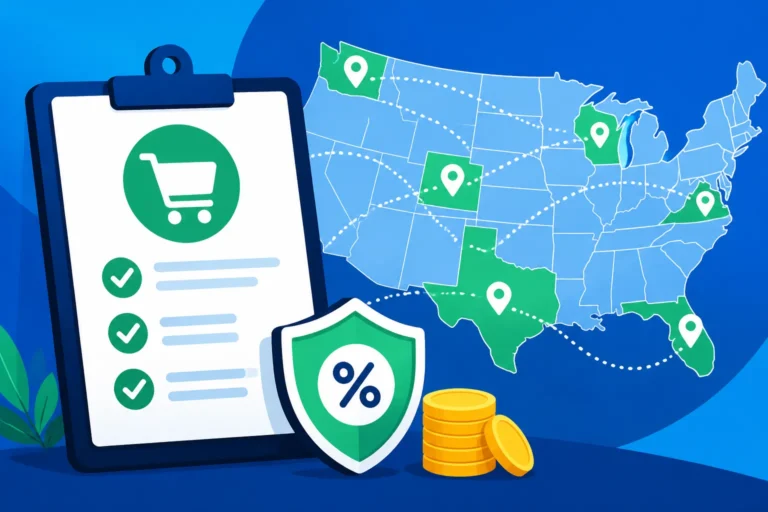
Multi-state sales tax registration involves understanding nexus obligations, gathering business information, and navigating state revenue agency portals.
The 200-transaction rule explains current economic nexus standards across US states, detailing where transaction counts still apply or have been removed.
The $100,000 sales tax threshold is an economic benchmark requiring remote e-commerce businesses to register and collect state sales tax.
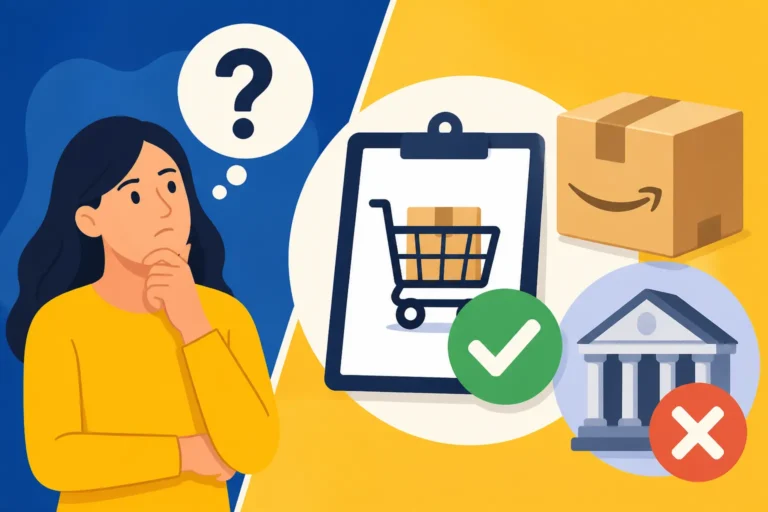
Sales tax obligations for online sellers using Amazon depend on marketplace laws, other sales channels, and state filing requirements.

Sales tax economic nexus rules explain state-by-state sales volume and transaction thresholds required before online sellers must collect taxes.
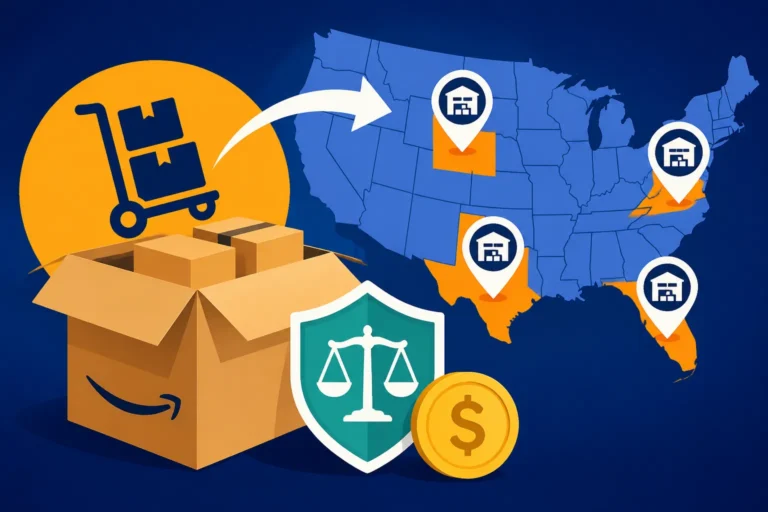
Amazon fulfillment center inventory storage creates a physical sales tax nexus and economic liabilities in multiple states for sellers.

Independent website sales require collecting state sales tax based on physical or economic nexus, even when Etsy collects on marketplace sales.

Marketplace facilitator laws shift sales tax collection and remittance responsibilities from individual online sellers to major e-commerce platforms.
The South Dakota v. Wayfair decision overturned the physical presence rule, introducing economic nexus and requiring remote sellers to collect sales tax.
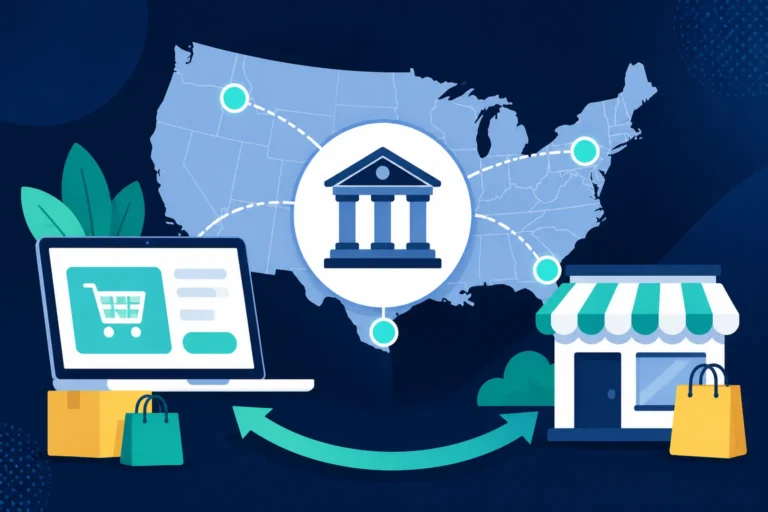
Economic nexus laws require remote online sellers to collect and remit sales tax when their state sales exceed specific financial thresholds.