2026 Sales Tax Rate Changes by State
2026 sales tax rate changes by state explain specific local updates, digital product rules, and grocery tax shifts affecting retail compliance.
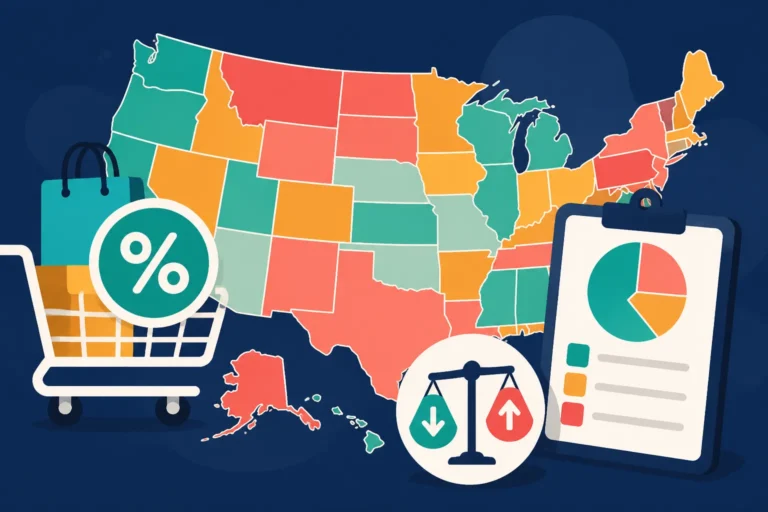
2026 sales tax rate changes by state explain specific local updates, digital product rules, and grocery tax shifts affecting retail compliance.
California district taxes add layers to the statewide base rate, creating complex local pricing rules and remote seller compliance requirements.
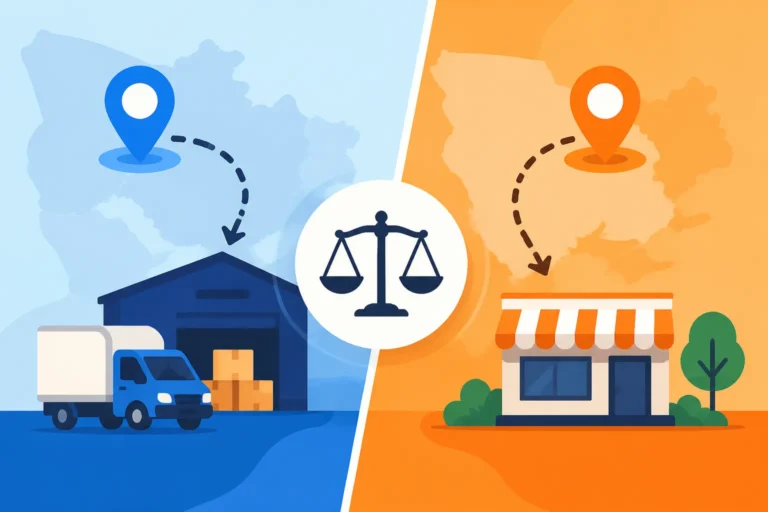
Origin versus destination sales tax sourcing determines whether a transaction is taxed at the seller location or the buyer delivery address.
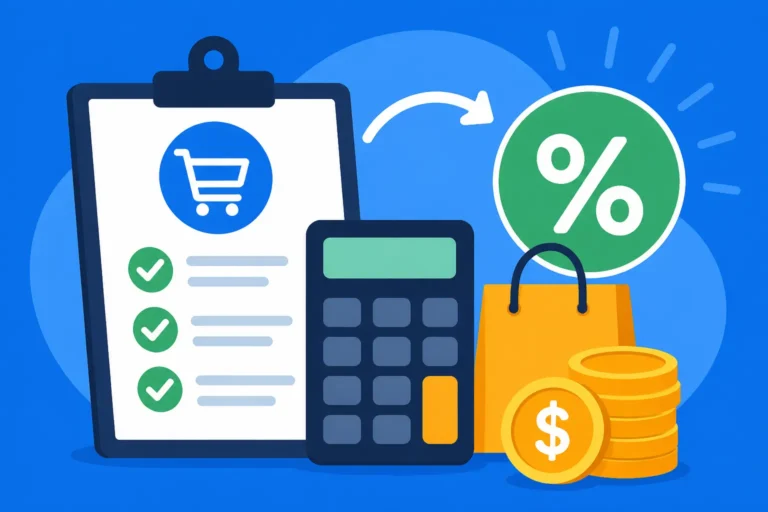
Mastering sales tax calculations requires determining the taxable base, converting percentages to decimals, and applying correct rounding rules.
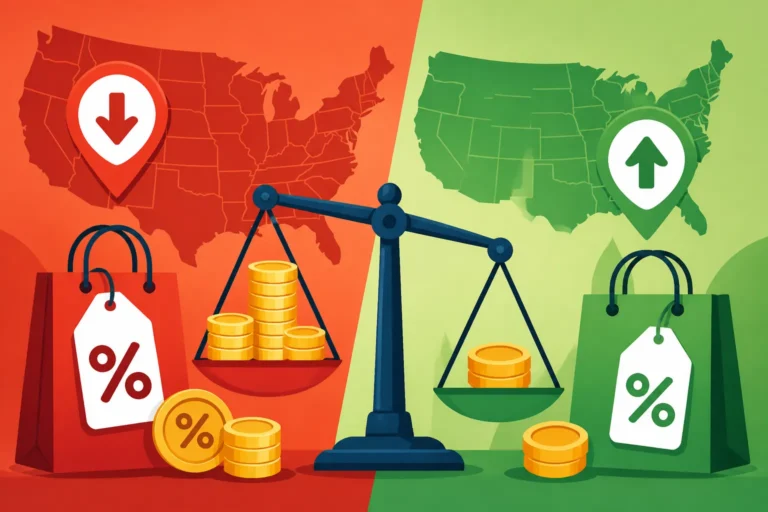
The 2026 sales tax landscape reveals which states feature the highest and lowest combined rates, plus rules affecting car purchases.
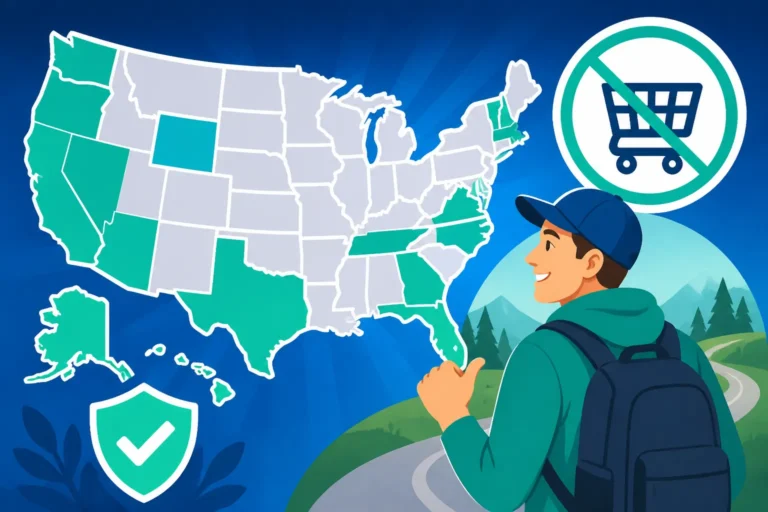
The NOMAD states explore how New Hampshire, Oregon, Montana, Alaska, and Delaware operate without a statewide sales tax.
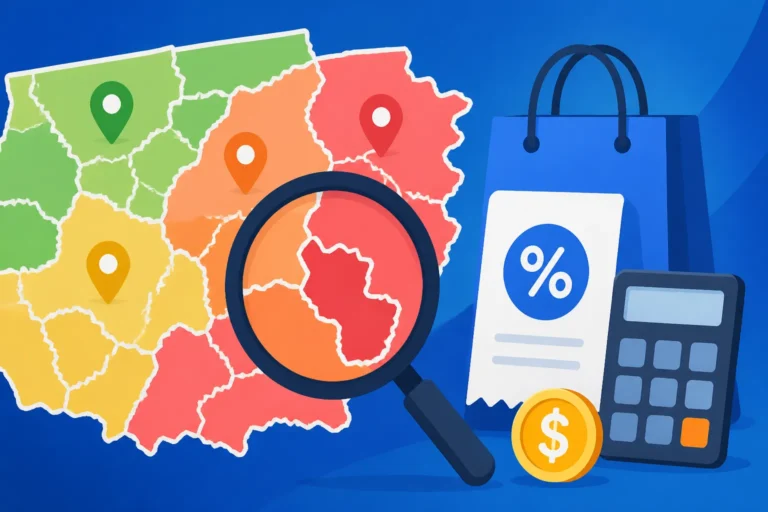
Sales tax calculations based on ZIP codes frequently fail due to overlapping boundaries, leading to expensive audits and inaccurate collection rates.
Accurate sales tax calculation requires combining state and local rates, applying correct sourcing rules, and accounting for product exemptions.
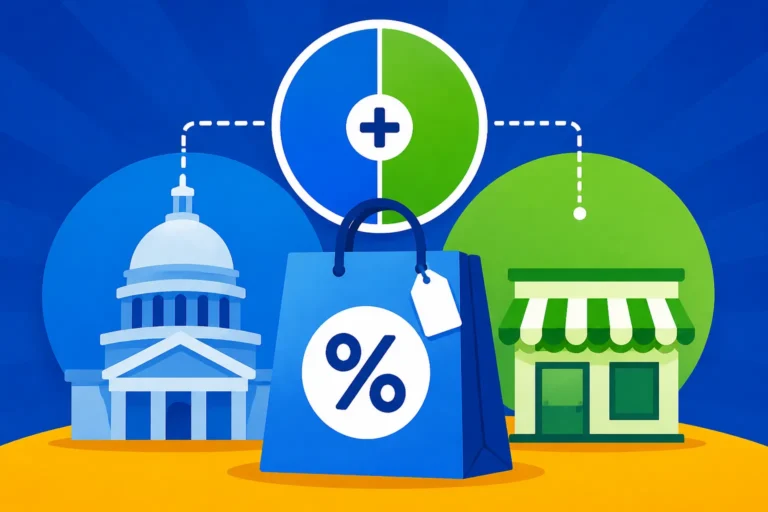
Combined sales tax rates combine state base fees, county add-ons, city levies, and special district charges into total retail transaction costs.
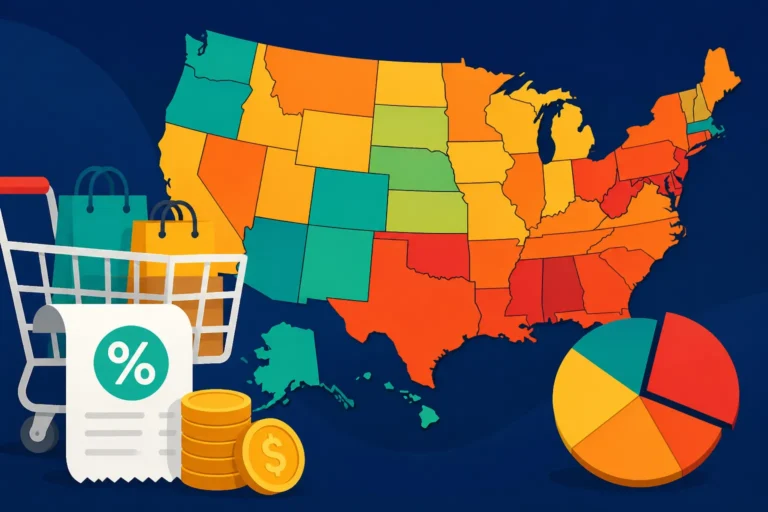
State sales tax rates for all fifty states in 2026 appear here, detailing base rates, combined local averages, and maximum totals.