How Do I Know If I Have Nexus in a State?
Sales tax nexus explanations help online business owners determine state tax collection obligations using physical presence and economic thresholds.

Sales tax nexus explanations help online business owners determine state tax collection obligations using physical presence and economic thresholds.
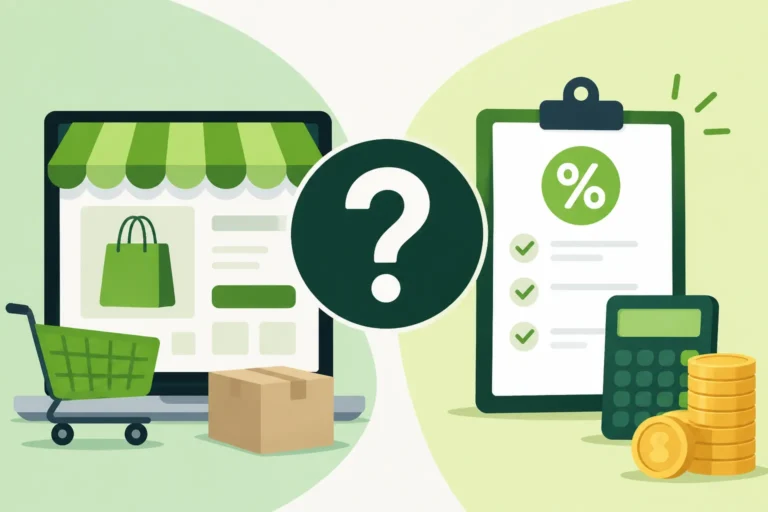
Sales tax collection for Shopify sellers depends entirely on physical presence and economic thresholds across various states.

Sales tax rules for Amazon sellers explain physical and economic nexus, marketplace facilitator laws, and when permits are still required.

Sales tax permit requirements for Etsy sellers depend on marketplace facilitator laws, physical locations, and sales made through other websites.
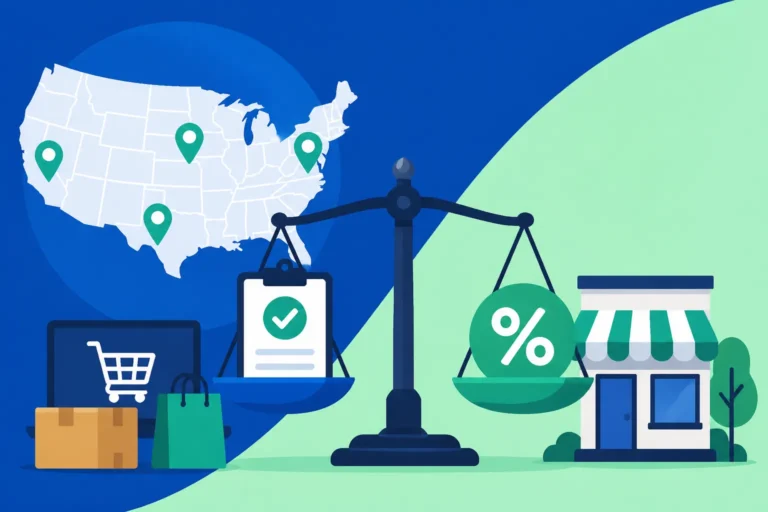
The sales tax nexus threshold explains the specific revenue or transaction limits that legally require businesses to collect state sales tax.
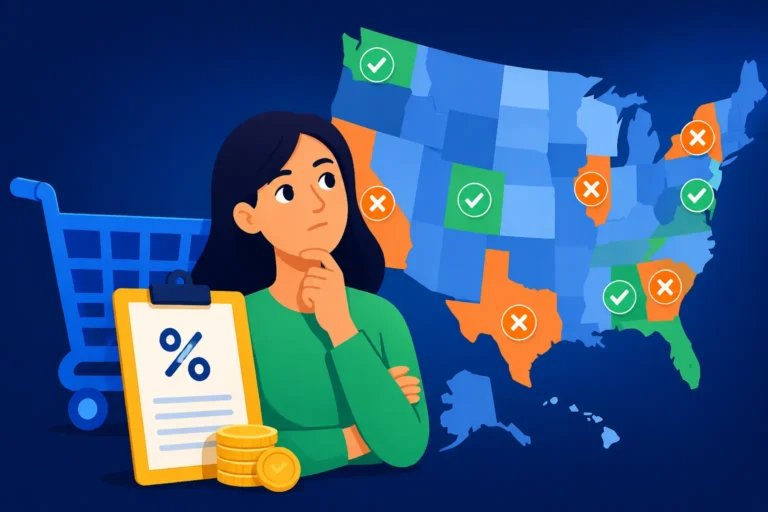
Sales tax obligations and economic nexus rules explain when businesses must register, collect, and remit taxes across different state lines.

Shopify sales tax collection explains how the e-commerce platform calculates rates while leaving legal filing and remittance responsibilities to sellers.
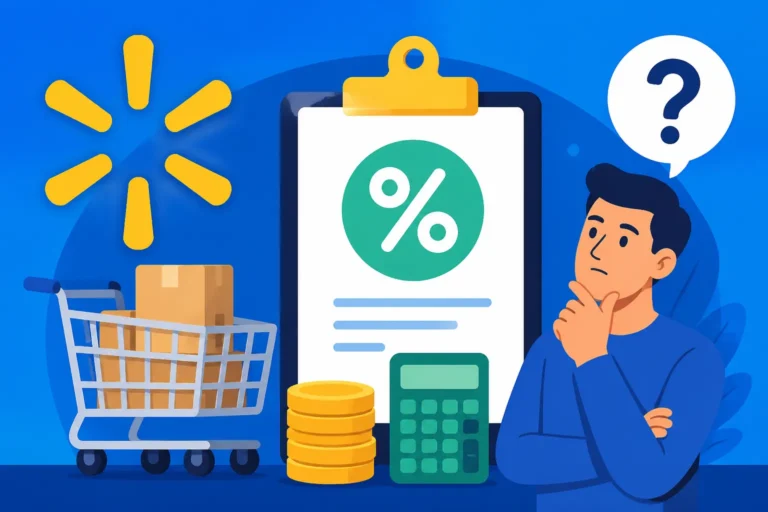
Walmart Marketplace calculates, collects, and remits sales tax for platform transactions, simplifying state compliance for third-party online sellers.

Marketplace facilitator laws require eBay to automatically calculate, collect, and remit sales tax for transactions across most states in the country.
Marketplace facilitator laws mean Amazon generally collects and remits sales tax for sellers, though individual business owners retain filing duties.