Sales Tax on Groceries in Idaho
Shopping for groceries often comes with a subtle, nagging question: "Is sales tax going to sneak onto my bill for this?" It’s a common frustration, especially when you're trying to stick to a budget, and you know sales tax rules vary wildly from state to state, and even item to item. This comprehensive guide is here to clear up all the confusion surrounding sales tax on groceries in Idaho, giving you the definitive answers you need as a shopper or a business owner.
The Good News: Groceries Are Generally Exempt in Idaho
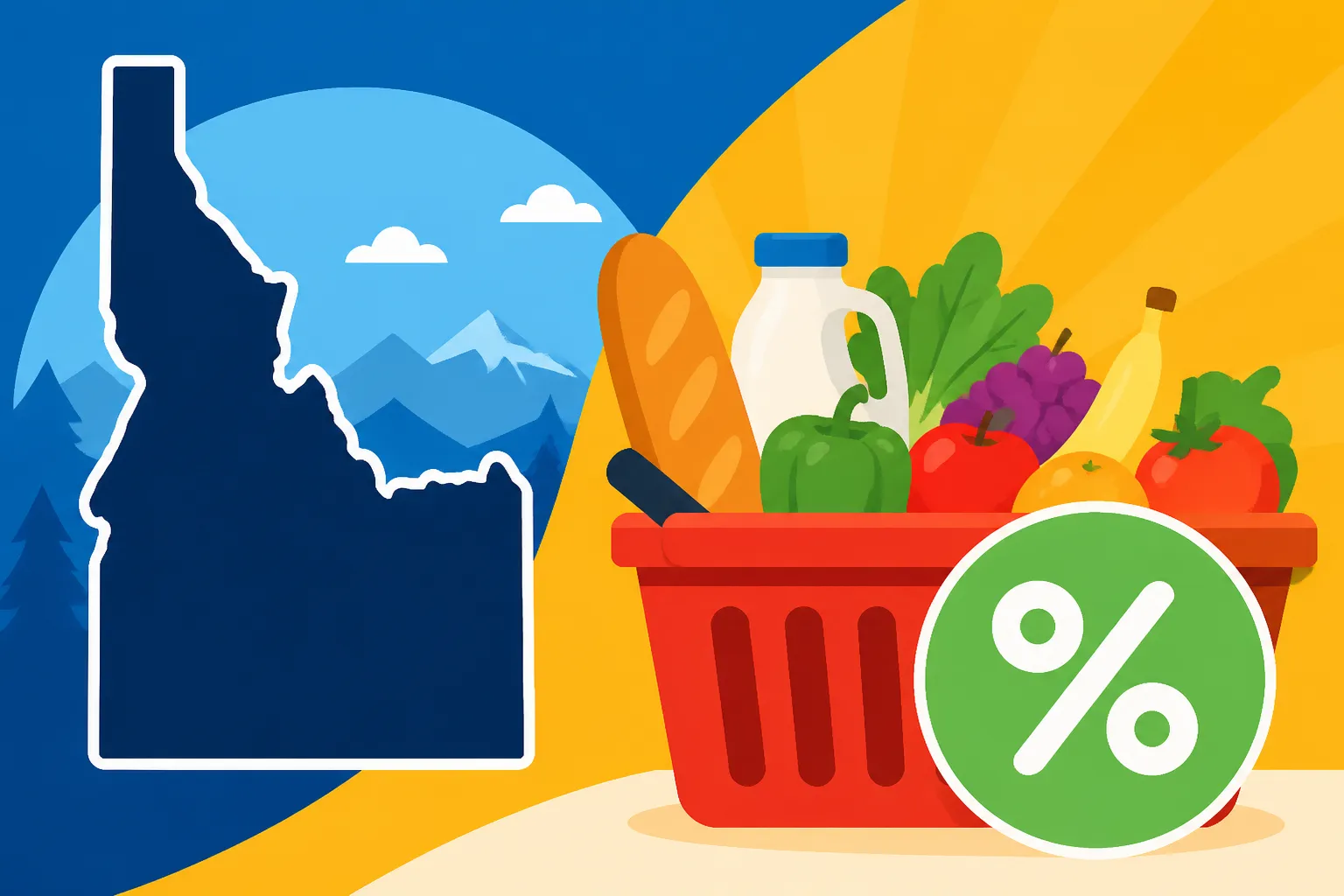
Let's cut right to the chase with some welcome news that often brings a sigh of relief to Idaho residents: most groceries are generally exempt from sales tax in the Gem State. This means that when you're stocking up on staples for your pantry or fresh produce for your family, you won't see that extra percentage added to the price at the checkout counter.
Understanding Idaho's General Sales Tax Rule on Food
Idaho's sales tax regulations are pretty straightforward when it comes to the basics of food: any food products intended for preparation and consumption at home are considered exempt. This policy is designed to help alleviate the cost of living for residents, ensuring that essential foodstuffs remain affordable without the added burden of sales tax. Think about it: every dollar saved on groceries can go towards other household necessities or perhaps a little treat. It makes a real difference in the weekly budget for families across Idaho, from the bustling aisles of a Boise supermarket to the smaller, local co-ops in towns like Sandpoint or Pocatello.
This exemption means that your core grocery basket—milk, eggs, bread, fruits, vegetables, uncooked meats, pasta, canned goods, and so on—will not have state sales tax applied. It’s a significant benefit that helps stretch your food budget further. For businesses, while it might seem like less to worry about, it still requires proper categorization at the point of sale to ensure accuracy and compliance. Knowing that Idaho is one of the states that makes essential food items tax-free can be a real relief, especially when you compare it to the complexities found in other states where groceries might be taxed at varying rates. For a broader perspective on how different states handle this, you might find our guide on Sales Tax on Groceries & Food by State incredibly insightful.
What "Food for Home Consumption" Really Means
Defining "food for home consumption" is crucial because it’s the line in the sand between what's taxable and what's not in Idaho. Essentially, it refers to items purchased with the intent to be prepared and eaten at your residence. This typically includes raw ingredients, packaged foods, and produce that requires some form of preparation before it’s ready to eat.
Imagine you're at your local WinCo Foods or Albertsons in Meridian. That big bag of potatoes, the carton of eggs, the ground beef for dinner, and the fresh berries for breakfast are all perfect examples of food for home consumption. They're raw or unprocessed enough that you'll be doing something with them once you get home – boiling, baking, frying, or simply washing. The idea is that these items are components of a meal, not the meal itself, ready to be eaten on the spot. This category also extends to things like coffee grounds, tea bags, and cooking oils. It’s about the intent of use: are you taking it home to cook with, or are you consuming it immediately? This distinction becomes particularly important when we start talking about prepared foods, which often blur these lines.
Where Food and Sales Tax Still Intersect in Idaho
While the general rule is good news for your grocery bill, there are some important exceptions and nuances where sales tax will apply, even when you’re shopping for food. It’s not always as simple as "food is exempt." The state draws clear distinctions, primarily around prepared foods and non-food items sold in grocery stores.
Prepared Foods and Restaurant Meals
This is perhaps the biggest exception to Idaho's grocery sales tax exemption. If food is prepared, processed, or served ready for immediate consumption, it is generally subject to sales tax. This includes meals purchased at restaurants, cafes, fast-food establishments, and even many items you might grab from a deli counter or hot bar within a grocery store. This is a common practice across states, as we detail further in our article on Prepared Food Sales Tax Explained.
Consider these scenarios:
- The Deli Sandwich vs. The Loaf of Bread: If you buy a pre-made sandwich from the deli at Fred Meyer, it’s ready to eat, so it's taxable. However, if you buy a whole loaf of bread, some sliced turkey, and cheese to make your own sandwich at home, those individual components are exempt. The act of preparation is key.
- Hot Coffee vs. Coffee Beans: A hot cup of coffee from the coffee shop inside your grocery store will be taxed because it’s a prepared beverage for immediate consumption. But a bag of coffee beans or ground coffee, which you'll brew at home, is exempt.
- Salad Bar Items: Many grocery stores feature extensive salad bars. If you fill a container with salad greens, toppings, and dressing, and it's intended to be eaten right away (even if you take it home), it's considered a prepared food and will likely be taxed.
It boils down to whether significant preparation has been done by the seller, making it ready to eat. Even items like rotisserie chickens, hot pizzas from the grocery store oven, or a portion of mashed potatoes from the hot food bar fall into this taxable category. For businesses, accurately distinguishing between these items requires a robust point-of-sale system and proper employee training to ensure correct tax application.
Non-Food Items and Mixed Baskets
It’s easy to forget that a trip to the grocery store often involves more than just food. Your shopping cart frequently contains a mix of groceries and other household necessities, and these non-food items are definitely subject to Idaho’s sales tax.
Think about the wider array of products available at most large grocery retailers:
- Household Goods: Cleaning supplies, paper towels, toilet paper, laundry detergent, light bulbs, aluminum foil, storage bags—all of these are tangible personal property and are subject to Idaho's 6% state sales tax.
- Health and Beauty Products: Shampoo, soap, toothpaste, cosmetics, over-the-counter medications (unless specifically exempt, which is rare for OTC drugs), and vitamins are also taxable. This differs from some states which might offer exemptions for certain necessities; for more details, check out our piece on Are Dietary Supplements & OTC Drugs Taxable?.
- Pet Supplies: Pet food, cat litter, toys, and other items for your furry friends are generally taxable.
- Alcohol and Tobacco: These products are almost universally subject to sales tax, and often additional excise taxes, regardless of grocery exemptions.
- Soft Drinks and Candy: While some states make complex distinctions based on the "flour test" for candy or tax soda differently, in Idaho, most soft drinks and candies are generally considered taxable items because they are not "food for home consumption" in the same vein as staple groceries. This is a subtle but important point that often surprises people. Our article on Candy & Soda Sales Tax (The Flour Test) explains how complicated this can get elsewhere.
When you have a shopping cart full of both exempt groceries and taxable non-food items, the point-of-sale system needs to be able to accurately differentiate and apply the sales tax only to the taxable items. This is where the intricacies of sales tax compliance really show up, especially for larger retailers.
Navigating Exemptions and Special Cases
Beyond the primary distinction between prepared and unprepared food, there are other specific scenarios and programs that influence sales tax on food items in Idaho. Understanding these can ensure that both consumers and businesses are fully compliant and taking advantage of all applicable exemptions.
SNAP, WIC, and Other Assistance Programs
One of the most widely recognized and important exemptions relates to purchases made through government assistance programs like the Supplemental Nutrition Assistance Program (SNAP), formerly known as food stamps, and the Special Supplemental Nutrition Program for Women, Infants, and Children (WIC).
Purchases made using SNAP or WIC benefits are generally exempt from sales tax nationwide, and Idaho follows this rule. This exemption is federal, ensuring that these programs provide maximum benefit to eligible individuals and families for essential food items without any portion being diverted to sales tax. For a grocery store in Twin Falls or Idaho Falls, this means their POS systems must be configured to recognize these payment methods and automatically exempt the eligible items from sales tax. It’s a critical component of ensuring food accessibility and support for vulnerable populations. This exemption typically covers most groceries intended for home consumption, aligning perfectly with Idaho's existing tax-free grocery policy for such items.
How Idaho Compares to Other States
Idaho's approach to not taxing most groceries for home consumption puts it in a consumer-friendly category compared to many other states. It’s a significant benefit for residents, as food is a fundamental necessity, and taxing it can disproportionately affect lower-income households.
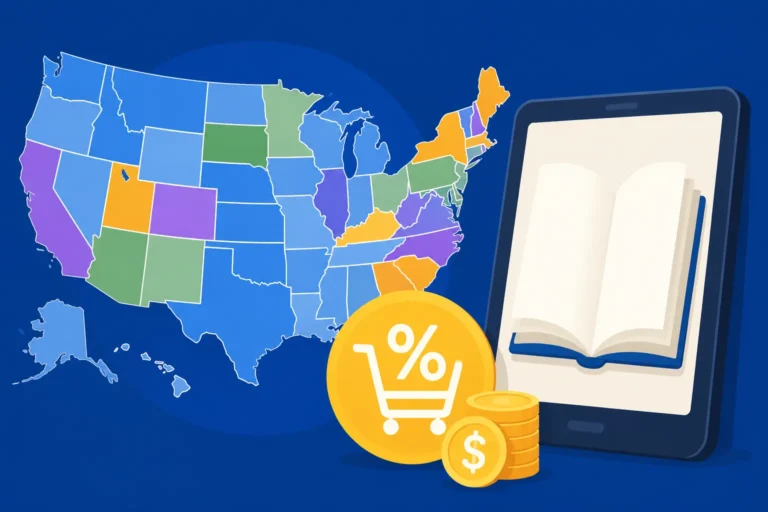
For instance, states like Alabama, Mississippi, and South Dakota still apply their full state sales tax rate to groceries, which can add a substantial amount to a family's weekly food bill. Other states, like Illinois (though it recently eliminated its grocery tax as of January 1, 2026), Utah, and Virginia, might have a reduced sales tax rate on groceries, offering a middle ground. Then there are a handful of states, such as Oregon, Delaware, New Hampshire, and Montana, that have no statewide sales tax at all, making everything, including groceries, tax-free by default. If you’re curious about which states fall into the "no sales tax" category, our guide on States With No Sales Tax (NOMAD Explained) offers a great overview. Idaho's policy is similar to many states that prioritize making basic food items affordable, providing a clear and generally beneficial framework for shoppers. This stark contrast highlights why understanding your state's specific rules, like those for Idaho, is so vital.
For Businesses: Keeping Track of Idaho Food Sales Tax
For businesses operating in Idaho, particularly grocery stores, convenience stores, or even small farmers' markets, navigating sales tax on food, even with its general exemption, still requires careful attention to detail. It's not just about what you do tax, but also about what you don't tax, and ensuring those distinctions are correctly applied.
Challenges for Grocery Retailers
Even with the benefit of most groceries being exempt, retailers face unique challenges in managing sales tax compliance for food items in Idaho. The primary hurdle is accurately categorizing every single product sold. Think about the thousands of SKUs (Stock Keeping Units) in a typical grocery store, each needing to be correctly flagged as taxable or non-taxable in the point-of-sale (POS) system.
Consider a scenario: a small deli in Ketchum sells both pre-packaged salads (exempt) and freshly made sandwiches (taxable). They also sell cold bottled water (exempt in Idaho) and hot coffee (taxable). The cashiers need to know the difference, and the system needs to support that distinction. Incorrect categorization can lead to under-collection (meaning the business owes the state money out of its own pocket) or over-collection (meaning customers are charged incorrectly, leading to complaints and potential audits). This complexity only increases when you factor in local city or district taxes that might apply to certain items, although Idaho is less complex in this regard than, say, California with its California District Taxes Explained. Implementing and maintaining a robust system for sales tax calculation and collection is paramount for any business, regardless of size, to maintain compliance and avoid penalties.
Leveraging Sales Tax Compliance Solutions
Given the complexities, even in a state with relatively straightforward grocery tax rules like Idaho, many businesses turn to sales tax compliance solutions to help automate the process. These software platforms are designed to take the guesswork out of sales tax.
Companies like Avalara offer sophisticated services that integrate directly with a business's existing POS, ERP, or e-commerce platforms. For an Idaho grocery retailer, an Avalara solution could:
- Automate Item Classification: It identifies whether a product is a taxable "prepared food" or an exempt "food for home consumption" based on its characteristics and applicable state and local laws. This reduces manual errors and training burdens on staff.
- Accurate Rate Calculation: While groceries are exempt, other items in the store still have the state's 6% sales tax applied. For businesses selling across different jurisdictions, even within Idaho (though local sales taxes are rare, some resort/tourism taxes exist), these tools ensure the correct rate is always applied.
- Reporting and Filing: The software can generate detailed reports, making it much simpler to prepare and file sales tax returns with the Idaho State Tax Commission, even if many sales are zero-tax. This can save countless hours of manual reconciliation.
- Nexus Management: For businesses that sell online or across state lines, these solutions also help track Economic Nexus by State 2026: Thresholds Guide, ensuring they register for permits and collect tax only where legally required.
Even for exempt items, proper tracking is crucial for audit purposes. Showing a clear record of exempt sales demonstrates diligence and compliance. While manual methods can work for very small businesses, as sales volume grows, the efficiency and accuracy provided by tools like Avalara become invaluable. Our guide comparing Avalara vs TaxJar: Which Sales Tax Software? delves deeper into how these solutions stack up.
Understanding Idaho's Sales Tax on Food: Taxable vs. Non-Taxable Examples
To make it super clear, here’s a quick overview of common food items you’d find at your local Idaho grocery store and whether they're typically subject to sales tax.
| Category | Example Items | Taxable in Idaho? | Rationale |
|---|---|---|---|
| Exempt Groceries | Fresh Fruits & Vegetables, Milk, Eggs, Uncooked Meats, Bread, Cereal, Pasta, Canned Goods, Cooking Oil, Coffee Beans, Tea Bags, Cold Water, Spices | No | Food for home consumption, requiring preparation. |
| Prepared Foods | Hot Rotisserie Chickens, Deli Sandwiches, Hot Coffee, Salad Bar Items, Ready-to-Eat Sushi, Hot Soups, Catering platters | Yes | Prepared for immediate consumption, minimal or no further prep needed by consumer. |
| Non-Food Items | Paper Towels, Cleaning Supplies, Laundry Detergent, Pet Food, Light Bulbs, Soap, Shampoo, OTC Medicines, Vitamins, Cosmetics | Yes | Not considered food for human consumption. |
| Sweets & Beverages | Candy Bars, Sodas, Energy Drinks, Alcohol, Tobacco, Ice Cream Cones served at a counter | Yes | Generally not considered essential groceries for home consumption. |
| SNAP/WIC Purchases | Any eligible food item purchased with SNAP/WIC benefits | No | Federally exempt, ensures maximum benefit for assistance programs. |
This table provides a snapshot, but always remember to check the specific details of your purchase. The line between what's prepared and what's not can sometimes feel a bit blurry, but generally, if you're eating it on the go or it’s heated and ready, expect sales tax.
Disclaimer
The information provided in this guide is for general informational purposes only and does not constitute professional tax advice. Sales tax laws are complex and subject to change. Always consult with a qualified tax professional or the Idaho State Tax Commission for advice tailored to your specific situation.