Sales Tax on Groceries in South Dakota
It can be incredibly frustrating to stand at the checkout, watching the register tally up your grocery bill, and wonder why sales tax is being added to items you thought were essential. Many people assume food is universally exempt from sales tax, but that's simply not the case across the U.S. This guide will cut through the confusion and explain exactly how sales tax applies to groceries in South Dakota, helping you understand what to expect at the store.
Understanding South Dakota's Approach to Grocery Sales Tax
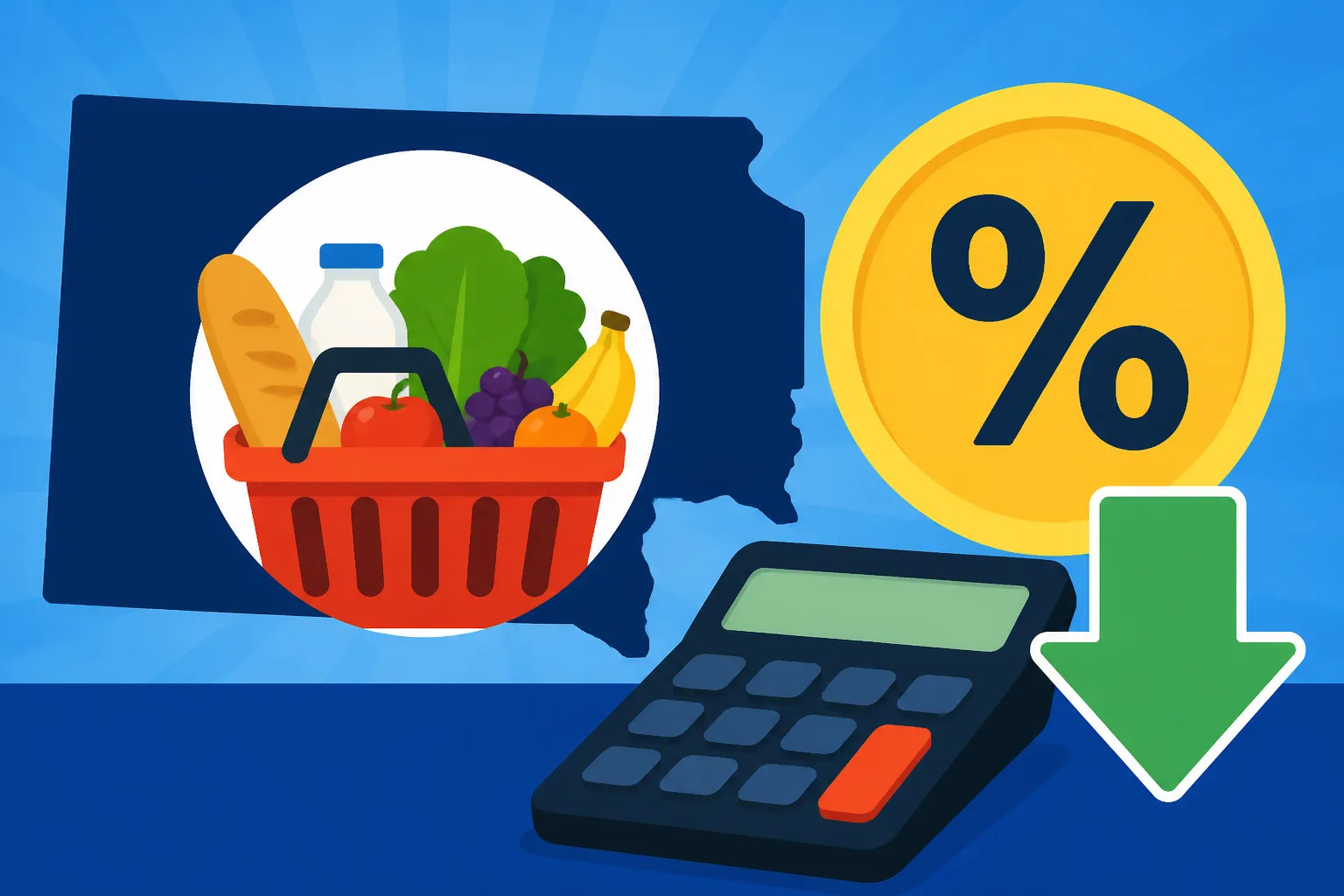
When it comes to sales tax, South Dakota takes a somewhat unique stance compared to many other states. While a significant number of states offer some form of exemption for groceries or unprepared food items, South Dakota generally includes them in its sales tax base. This means that, for the most part, when you buy food for home consumption at your local grocery store, you're going to pay sales tax on it, just like you would on a new shirt or a piece of furniture. It’s a point of contention for many residents and visitors alike, as it directly impacts household budgets.
The State Sales Tax Rate on Food Items
The state-level sales tax rate in South Dakota is 4.2%. This rate applies uniformly across the state, and yes, it applies to most food items you pick up from the supermarket shelves. This isn't a reduced rate; it's the standard state sales tax rate that all taxable goods are subject to. So, whether you're buying a loaf of bread, a gallon of milk, or fresh produce, that 4.2% state tax is typically factored into the final price you pay. This can sometimes catch people by surprise, especially if they're used to shopping in states like Pennsylvania or New Jersey where groceries are often tax-free.
Consider a family doing their weekly shopping in Sioux Falls or Rapid City. Every carton of eggs, bag of apples, and box of cereal contributes to the taxable total. This approach simplifies things for the state from a collection standpoint, but it does mean a higher overall cost for consumers on their most basic necessities. This is why understanding the full picture, including local taxes, is so important when looking at your overall spending on food.
The Impact of Local Sales Taxes on Groceries
Adding another layer of complexity to the South Dakota sales tax landscape are the local sales taxes. Cities, counties, and other special districts within South Dakota have the authority to impose their own sales taxes, which are then added on top of the state's 4.2% rate. These local taxes can vary quite a bit, leading to different combined sales tax rates depending on where you are shopping. For instance, while the state rate is constant, the combined sales tax rate in Sioux Falls is different from what you'd find in Aberdeen or Pierre.
This means that even though the state treats groceries as taxable, the total sales tax you pay on those groceries will depend on the specific city or county where you make your purchase. It's not uncommon for combined rates to reach 6% or even higher in some areas. For businesses, this means calculating and collecting the correct sales tax on groceries can become a bit of a headache, especially if they operate across multiple jurisdictions. Tools from companies like Avalara can be incredibly helpful for businesses trying to keep track of these varied local rates and ensuring they collect the right amount from customers. Understanding how combined sales tax rates work is crucial for both consumers and retailers alike.
Differentiating Food Items for Sales Tax Purposes
Even in states where groceries are generally taxed, there are often subtle distinctions in how different types of food items are treated. South Dakota is no exception, and while its primary rule is "most food is taxable," knowing the nuances can still be helpful, especially regarding prepared foods or food consumed on premises.
Prepared Food vs. Unprepared Groceries
The distinction between "prepared food" and "unprepared groceries" is a common one in sales tax law across the country, even if South Dakota largely taxes both. Generally, prepared food refers to items that are heated, combined with other ingredients by the seller, or sold with eating utensils. Think of a hot rotisserie chicken from the deli, a made-to-order sandwich, or even a pre-packaged salad with dressing and a fork included. Unprepared groceries, on the other hand, are items like fresh produce, raw meat, canned goods, or boxed cereals that you take home to prepare yourself.
In South Dakota, both categories are typically subject to sales tax. However, understanding this distinction is still important because in many other states, unprepared groceries might be exempt, while prepared foods are always taxable. If you've ever wondered why the sandwich you buy at the deli seems to have tax, but the ingredients to make it at home don't in some places, this is why. In South Dakota, you'll generally pay tax on both the deli sandwich and the raw chicken breast, along with local add-ons.
Candy, Soda, and Dietary Supplements
Here's where things can get a little tricky, even in states that tax all food. Many states have specific rules for items like candy, soda, and dietary supplements, often based on federal definitions. For example, the "flour test" is a famous rule used in some states to determine if an item is considered candy or food. South Dakota, in alignment with its broad sales tax base for food, generally includes these items as taxable.
- Candy: Items defined as candy (sweetened confections that don't contain flour as a primary ingredient) are typically taxable.
- Soda/Soft Drinks: Carbonated and non-carbonated soft drinks, fruit drinks, and other sweetened beverages are also generally subject to sales tax in South Dakota. This is different from states like Illinois, which recently eliminated its grocery tax but still taxes soda.
- Dietary Supplements: The taxability of dietary supplements can sometimes depend on whether they are classified as food, drugs, or a separate category. In South Dakota, these are usually considered taxable sales.
These categories can sometimes be sources of confusion for consumers and small business owners alike. It highlights the need for precise sales tax calculation, which is where a robust system or service can really shine. If you're running a business that sells a mix of these products, using tools to help track sales tax on groceries in South Dakota can prevent costly errors down the line.
Common Exemptions and Special Cases
While South Dakota broadly taxes groceries, there are a few important exceptions and specific scenarios that can impact how sales tax is applied. It's crucial for both shoppers and businesses to be aware of these.
SNAP and WIC Purchases
One universal exemption that applies in South Dakota, as well as every other state, is for purchases made with Supplemental Nutrition Assistance Program (SNAP) benefits (formerly food stamps) and Women, Infants, and Children (WIC) vouchers. These federal nutrition programs are designed to help low-income individuals and families purchase essential food items. By federal law, items purchased with SNAP benefits or WIC vouchers are exempt from sales tax.
This means that if you're using an EBT card for eligible food items, you will not be charged sales tax on those specific purchases, even though the same items would be taxed if purchased with cash or a credit card. This exemption is critical for supporting vulnerable populations and ensuring access to nutritious food without the added burden of sales tax. Retailers must configure their point-of-sale systems to correctly identify and exempt these transactions, ensuring compliance with federal guidelines.
Food Sold by Farmers and at Farmers' Markets
The sales tax rules for food sold directly by farmers can sometimes have specific exemptions, though it largely aligns with general sales tax principles in South Dakota. If a farmer sells unprepared agricultural products directly to consumers – think fresh vegetables, fruits, or eggs straight from the farm – these items are still generally subject to South Dakota's state and local sales tax, just like they would be at a traditional grocery store. The key is the type of product being sold (food for consumption) rather than the seller's profession.
However, if a farmer is selling prepared food items at a farmers' market, like baked goods, jams, or salsas, these would also be taxable. The distinction isn't usually about the seller's origin, but rather the nature of the product. The important takeaway is that while supporting local farmers is fantastic, don't expect a sales tax exemption just because you're buying directly from the producer in South Dakota. For farmers selling their goods, understanding these sales tax obligations is crucial for accurate pricing and compliance.
Here's a quick overview of common grocery items and their taxability in South Dakota:
| Category | Example Items | South Dakota State Sales Tax (4.2%) | Local Sales Tax |
|---|---|---|---|
| Unprepared Groceries | Fresh fruits, vegetables, raw meat, milk, bread, cereal, canned goods | Yes | Yes |
| Prepared Foods | Hot deli items, sandwiches, salads ready-to-eat, bakery items | Yes | Yes |
| Candy | Chocolate bars, gummies, hard candies | Yes | Yes |
| Soft Drinks | Soda, sweetened teas, juice drinks | Yes | Yes |
| Dietary Supplements | Vitamins, protein powders | Yes | Yes |
| SNAP/WIC Purchases | Any eligible food purchased with EBT/WIC | No | No |
Navigating Sales Tax on Groceries for Consumers and Businesses
Understanding the specifics of sales tax on groceries in South Dakota isn't just a matter of curiosity; it has tangible implications for both shoppers and the businesses that serve them. Knowing these details can help you budget better, and for retailers, it’s essential for staying compliant.
What This Means for Shoppers
For South Dakota shoppers, the primary takeaway is simple: budget for sales tax on almost all your food purchases. Unlike states with no sales tax on groceries, or even states with no sales tax at all like Oregon or Delaware, your grocery bill in South Dakota will include an additional percentage. This means that if you're trying to figure out how much is sales tax on a $100 purchase by state, you need to factor in not just the state rate but also the local rates for food items in South Dakota.
If you travel or move between states, this is an important distinction to remember. What might be tax-free in Minnesota or Massachusetts, could be taxed in South Dakota. Being aware of these differences helps you avoid sticker shock at the checkout and ensures you're allocating enough of your budget for essentials. It also highlights why some people campaign for changes to sales tax laws to exempt food from taxation, aiming to ease the financial burden on residents.
Compliance for Grocery Businesses in South Dakota
For grocery stores, convenience stores, and any other business selling food items in South Dakota, sales tax compliance is critical. The general rule that most food is taxable simplifies some aspects, but the varying local sales tax rates add complexity. Businesses must ensure their point-of-sale (POS) systems are correctly programmed to apply the appropriate combined sales tax rate (state + local) based on the customer's location.
Imagine a small grocery chain with locations in several different South Dakota cities. Each location might have a slightly different combined sales tax rate to collect. Miscalculating or failing to collect the correct amount can lead to significant penalties during audits. This is where modern sales tax software becomes invaluable. Solutions offered by companies like Avalara, for example, can automate the complex calculations, keeping up with thousands of jurisdiction-specific rates and rules, ensuring that businesses accurately charge sales tax on every eligible item, including groceries. They can also help with things like filing sales tax returns and tracking economic nexus in other states, if a business expands.
Proper sales tax registration is also a must. Businesses need to get a sales tax permit in South Dakota and understand their filing frequency and due dates. Accurate collection and remittance are not optional; they are a fundamental part of operating a business. Even if a business primarily sells food, neglecting these duties can lead to substantial issues.
The Broader Context of Grocery Taxation
The discussion around sales tax on groceries in South Dakota is part of a much larger national conversation about how states tax essential goods. While South Dakota taxes most food, it’s helpful to understand where it stands in relation to other states and why these policies exist.
States That Tax Groceries Fully
South Dakota isn't alone in taxing groceries fully. There are still a handful of states that apply their full sales tax rate to most food items purchased for home consumption. These include states like Alabama, Mississippi, and Hawaii, among others. For these states, taxing groceries provides a significant source of revenue that can be used to fund public services like schools, infrastructure, and healthcare.
The rationale often comes down to broad-based taxation. By taxing almost all goods and services, states can keep their overall sales tax rates lower, or avoid other types of taxes. However, critics often argue that taxing groceries disproportionately affects lower-income households, as food constitutes a larger percentage of their budget. This is why many states have moved to exempt groceries, or offer reduced rates, sometimes coupled with tax credits for low-income families. Exploring sales tax on groceries by state reveals a patchwork of policies reflecting different economic philosophies and priorities.
States With Reduced Grocery Tax or Exemptions
The majority of states that have a statewide sales tax either fully exempt groceries or tax them at a reduced rate. For example, Virginia used to have a reduced rate on groceries, though that has now been fully eliminated as of July 1, 2022. States like Illinois recently made headlines by eliminating its grocery sales tax. These exemptions are often implemented to provide relief to consumers, particularly those with lower incomes, who spend a larger portion of their budget on food.
Some states only exempt unprepared food, while still taxing prepared meals and ready-to-eat items. This approach attempts to balance revenue generation with consumer relief. The varying approaches highlight the complex interplay between state revenue needs, economic impact on residents, and political considerations. For South Dakota, the decision to tax groceries fully reflects a specific policy choice that ensures a broad revenue base, but it's one that consumers certainly feel at the register.
How Sales Tax Rates Change Over Time
Sales tax rates and exemptions aren't static; they can and do change over time. States periodically review their tax structures, and economic conditions or legislative priorities can lead to adjustments. We've seen significant changes recently, such as the Illinois grocery tax elimination or the discussions around sales tax on services. These changes can impact businesses and consumers, requiring vigilance and adaptability.
For businesses, staying on top of these potential changes is a continuous effort. If South Dakota were to ever change its stance on grocery taxation, businesses would need to update their POS systems, reconfigure their sales tax calculations, and potentially adjust their pricing strategies. This is another area where sales tax compliance software like Avalara can provide immense value, automatically updating rate changes and rules so businesses don't have to manually track every legislative tweak. Understanding how sales tax rate changes take effect is key for maintaining ongoing compliance.
Disclaimer
Please remember that sales tax laws are complex and can change. This information is intended for general guidance only and does not constitute professional tax advice. Always consult with a qualified tax professional or the South Dakota Department of Revenue for specific advice regarding your situation.