Are Groceries Taxable in California?
Walking into a California grocery store, you might assume everything edible is tax-free. But then you grab a hot rotisserie chicken, a cold soda, or a pre-made sandwich from the deli, and suddenly that assumption starts to crumble at the checkout. The reality of sales tax on groceries in California is far more nuanced than a simple yes or no, creating genuine headaches for shoppers trying to budget and businesses trying to stay compliant. This comprehensive guide will help clear up the confusion, detailing exactly what food items are taxable and which are exempt across the Golden State.
The General Rule: Are Most Groceries Tax-Free in California?
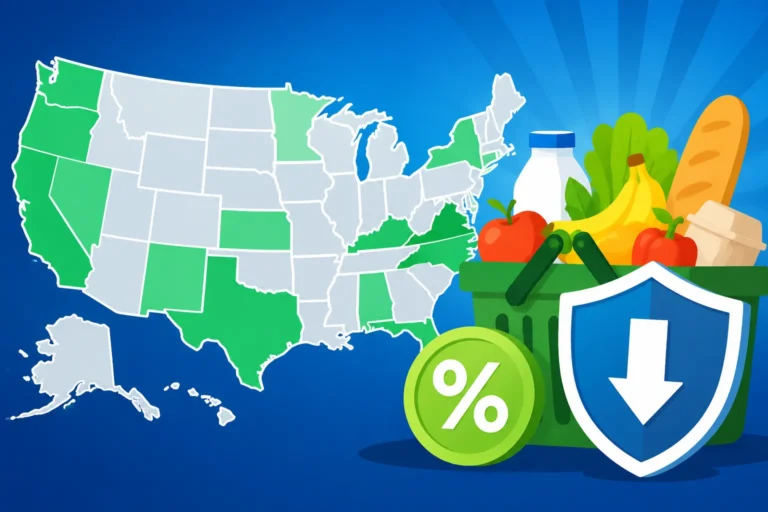
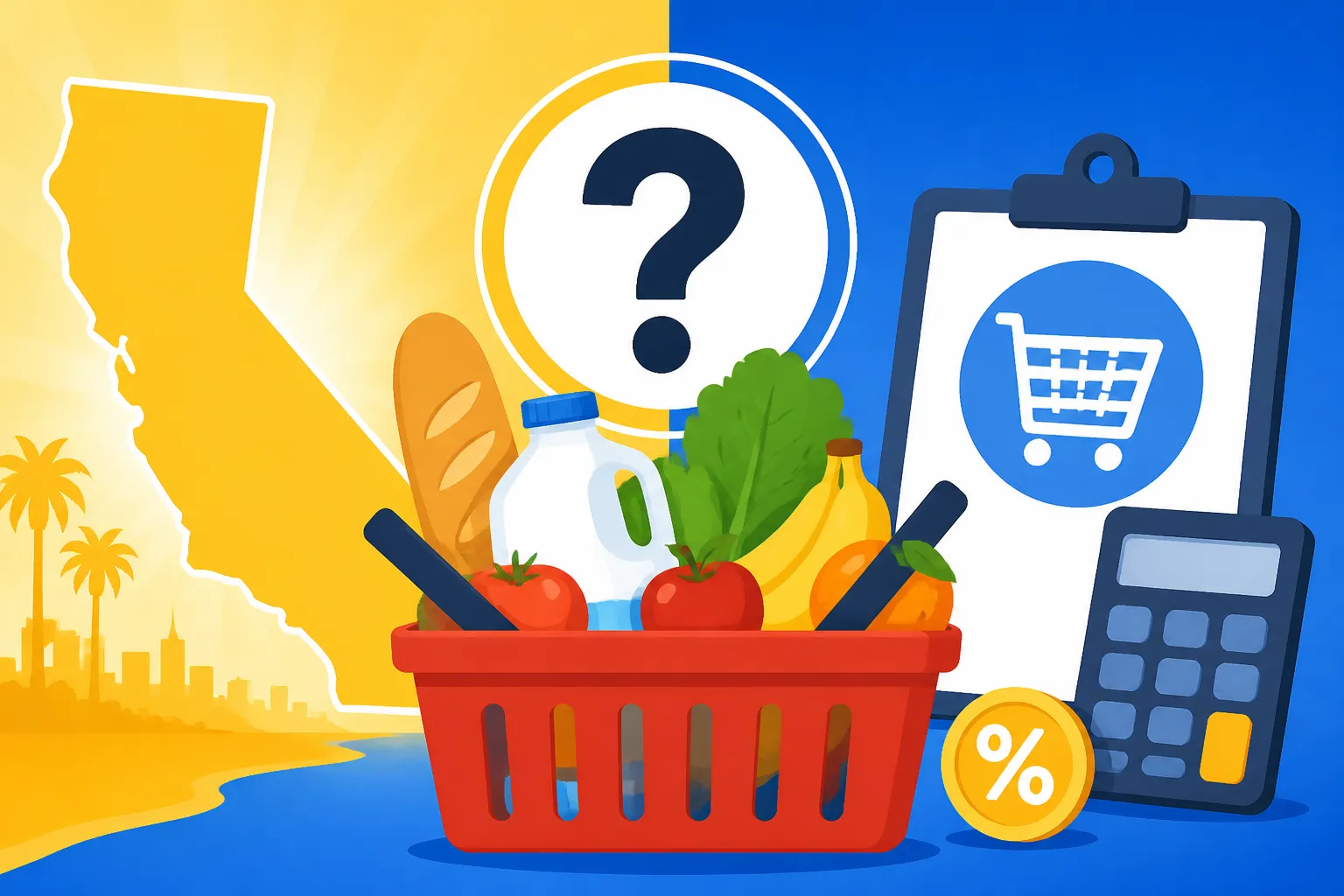
For the vast majority of items you toss into your cart at a California supermarket, the answer is a resounding "no" – they are not subject to sales tax. This exemption is a huge relief for families and individuals trying to make ends meet, recognizing that basic food items are essential necessities, not luxuries. The California Department of Tax and Fee Administration (CDTFA) explicitly exempts "food products for home consumption" from sales and use tax. This means staples like fresh produce, meats, dairy products, packaged snacks, frozen meals, and even most baked goods, when purchased for consumption at home, are generally exempt.
What "Food Products for Home Consumption" Really Means
This term is the cornerstone of California's grocery sales tax exemption. It refers to items intended to be eaten or prepared in a home setting, away from the place of purchase. Think about your typical weekly grocery haul: fruits, vegetables, raw meat, eggs, milk, bread, cereal, cooking ingredients like flour and sugar, pasta, canned goods, and even most packaged cookies and chips. All of these fall squarely into the "food products for home consumption" category.
The key here is the intent of consumption. If you're buying a gallon of milk to take home and pour over your cereal, or a bag of apples to snack on throughout the week, you're not going to be charged sales tax. This rule aims to protect consumers from being taxed on the fundamental items needed to sustain their households. It's a common-sense approach that recognizes the difference between a trip to the supermarket for dinner ingredients and buying a meal at a restaurant.
Basic Exemptions at Your Local Supermarket
When you navigate the aisles of your local Vons, Safeway, or even a smaller independent grocer, you'll find that most of what you're buying is considered tax-exempt. This includes almost everything in the produce section, the meat and seafood counters, the dairy aisle, and the vast majority of packaged goods like cereal, pasta, condiments, and baking supplies. Even many specialty food items, such as gourmet cheeses or imported olives, if intended for home preparation or consumption, are exempt.
For instance, if you buy a frozen pizza, a bag of coffee beans, or a box of tea, these are all considered food products for home consumption. The exemption is broad and covers the bulk of what people consider "groceries." This makes grocery shopping a little less painful on the wallet, especially when you consider the already high California Sales Tax Rate (7.25% Base + Districts). However, it’s crucial to understand that this broad exemption has some very specific and often confusing exceptions that catch many shoppers and business owners off guard.
When Food Becomes Taxable: The Nitty-Gritty Exceptions
While most grocery items are exempt, California has a robust set of rules that transform certain food purchases into taxable transactions. These exceptions primarily target prepared foods, hot meals, and specific categories of beverages and confections, blurring the lines between a "grocery item" and a "restaurant meal." This is where the real confusion often lies for consumers, and where businesses face their biggest compliance challenges.
Prepared Food and Hot Meals: The "Restaurant Rule"
This is perhaps the biggest category of taxable food items in California. If food is sold in a "prepared" state, ready for immediate consumption, or if it's sold hot, it generally becomes taxable. Think of it as the state drawing a distinction between buying ingredients to cook at home and buying a meal that someone else has already cooked or assembled for you. This applies whether you're at a grocery store, a deli, a convenience store, or a full-service restaurant.
A classic example is the hot rotisserie chicken from the deli counter at your supermarket. Even though you bought it at a grocery store, because it's hot and prepared for immediate consumption, it's taxable. The same goes for sandwiches, salads, and pre-packaged meals from a deli if they're sold ready-to-eat. If the grocery store has a seating area or sells the food "for consumption at the retailer's place of business," it's also taxable. This "restaurant rule" is critical, and you can learn more about it in our detailed guide on Prepared Food Sales Tax Explained.
Here’s a breakdown of common scenarios:
- Hot Food: Any food sold hot, regardless of whether it's eaten on or off the premises, is taxable. This includes coffee, hot sandwiches, hot pizza, and those famous rotisserie chickens.
- Prepared Cold Food for Immediate Consumption: This is where it gets tricky. If a cold sandwich or salad is pre-made and packaged for you to grab and eat right away, it's typically taxable. However, if you buy the ingredients (bread, cold cuts, lettuce) separately to make a sandwich at home, those ingredients are exempt.
- "Take-Out" Meals: Many grocery stores now have extensive deli and prepared food sections. If you're buying a meal that's clearly intended to be eaten soon after purchase, it's taxable. This includes things like sushi rolls, pre-made pasta salads, and individual servings of soup.
- Self-Service Bars: Salad bars, hot food bars, and olive bars are generally taxable because the food is prepared for immediate consumption.
The intent is crucial. If a grocery store sells cold sandwiches that are wrapped and intended for consumption away from the store, they are generally taxable. If they sell a whole pizza, unbaked, for you to cook at home, it's generally exempt. It’s all about the degree of preparation and the expectation of when and where it will be eaten.
Soda, Candy, and the "Flour Test"
Beyond prepared foods, California also targets specific categories of items that might seem like groceries but are singled out for sales tax. The primary culprits here are certain beverages and candies, often leading to surprising charges at the register.
-
Soda and Sweetened Beverages: In California, most sodas, sports drinks, and other sweetened beverages are subject to sales tax. This includes fountain drinks, bottled sodas, energy drinks, and sweetened teas. The exemption for "food products for home consumption" generally does not extend to these types of drinks. However, plain bottled water, milk, and 100% fruit juices are typically exempt. If you're wondering how this applies to various sugary treats, take a look at our article, Is Soda Taxable in California?.
-
Candy: This is another common area of confusion. California uses a specific rule known as the "flour test" to determine if a confection is considered "candy" and thus taxable. Generally, if a product contains flour or requires refrigeration, it is not considered "candy" for sales tax purposes and is exempt. If it does not contain flour and does not require refrigeration, it's typically classified as candy and is taxable.
For example, a chocolate bar without flour (like a Hershey's milk chocolate bar) is usually taxable. But a chocolate chip cookie (which contains flour) or a slice of cake (also flour-based) would typically be exempt. This distinction can feel arbitrary, but it's the rule states use. You can dive deeper into this specific conundrum with our post, Is Candy Taxable in California?. This means that while a bag of M&Ms might be taxed, a box of donuts might not be, even if they're both sweet treats.
-
Other Designated Items: Beyond soda and traditional candy, other items like chewing gum and certain dietary supplements (if marketed more like candy than medicine) can also be subject to sales tax. The lines can get quite blurry, and it often comes down to the specific classification by the CDTFA.
Utensils, Napkins, and Other Incidentals
When you purchase taxable prepared food, it's not just the food itself that might be taxed. If the retailer provides single-use eating utensils, napkins, straws, or cups with your taxable meal, these items are also considered part of the sale and are subject to sales tax. This often applies when you grab a coffee or a pre-made meal from a café within a grocery store.
For example, if you buy a taxable hot coffee from a Starbucks inside your grocery store, the cup and lid are included in the taxable price. Similarly, if you buy a prepared salad from the deli that comes with a plastic fork and knife, the tax applies to the entire bundled price. This might seem like a small detail, but it adds to the overall tax burden on these specific transactions and is important for businesses to account for accurately.
Navigating Sales Tax in Different Food Retail Scenarios
The rules don't just apply to the items themselves; they also depend heavily on where and how the food is sold. Different retail environments, from farmers' markets to online delivery services, each have their own nuances when it comes to applying California's grocery sales tax rules. Understanding these distinctions is vital for both consumers and business owners.
Farmers' Markets, Bakeries, and Delis
These specialized food retailers often present unique challenges for sales tax application, especially when they blend elements of grocery sales with prepared food.
-
Farmers' Markets: Generally, the fresh produce, raw honey, and other unprocessed goods sold directly by farmers at a farmers' market are tax-exempt, as they fall under "food products for home consumption." However, if a vendor is selling prepared foods, like hot crepes, fresh-squeezed juice for immediate consumption, or a ready-to-eat pastry, those items would typically be taxable. The rule of thumb remains: raw ingredients are exempt, prepared or hot items are taxable.
-
Bakeries: This is a classic example of where the "flour test" and "prepared food" rules collide.
- A loaf of bread, a whole cake, or a dozen donuts sold to take home are typically tax-exempt because they contain flour and are considered "food products for home consumption."
- However, if the bakery also sells single slices of cake or individual pastries for immediate consumption, especially if there's a seating area, those could become taxable.
- Coffee or other taxable beverages sold alongside these baked goods would also be taxable. It’s a nuanced area, and bakeries must be diligent in their point-of-sale programming.
-
Delis: Delis, whether standalone or within a grocery store, are prime examples of places where prepared food rules heavily apply.
- Cold cuts and cheeses sliced to order for home consumption are generally tax-exempt.
- However, a pre-made sandwich, a hot soup, a prepared salad (like potato salad or coleslaw) scooped from a case, or any item sold from a hot food bar is typically taxable. If the deli offers seating, then virtually any food item consumed on the premises becomes taxable. The distinction of Are Groceries Taxed Differently Than Restaurant Food? becomes incredibly important here.
Convenience Stores and Gas Stations: A Tricky Business
These retail locations often have a mix of traditional grocery items, prepared foods, and taxable beverages, making sales tax compliance particularly complex. Most of the confusion here arises because consumers might buy items they consider "groceries" but which, due to their nature or the way they're sold, are taxable.
- Beverages: Sodas, energy drinks, and sweetened iced teas are almost always taxable. Plain bottled water, milk, and 100% juice are usually exempt.
- Candy and Snacks: The "flour test" for candy applies here. Snack items like chips, crackers, and most packaged cookies (containing flour) are usually exempt. However, traditional candy bars (without flour) are taxable.
- Hot Food: Any hot food items like coffee, hot dogs, nachos from a roller grill, or hot sandwiches are taxable. This extends to things like microwaved burritos if heated by the retailer for the customer.
- Prepared Cold Food: Pre-made sandwiches or salads packaged for immediate consumption are also taxable, just like at a deli.
Because convenience stores sell a wide variety of items with varying tax statuses, their point-of-sale systems need to be meticulously set up to ensure accurate tax collection. This is a business environment where the risk of over- or under-collecting sales tax is quite high.
Online Grocery Delivery: What You Need to Know
With the rise of services like Instacart, Amazon Fresh, and even direct delivery from major grocery chains, many consumers wonder if the sales tax rules change when groceries are delivered to their door. The short answer is: the taxability of the items generally remains the same, regardless of whether you pick them up in-store or have them delivered.
- Item-Specific Taxability: If an item is tax-exempt in the store (like fresh produce or milk), it will generally be tax-exempt when delivered. Similarly, if an item is taxable (like soda or a hot rotisserie chicken), it will be taxable with delivery. The core rules about "food for home consumption" versus prepared foods and specific taxable items still apply.
- Delivery Fees: This is where an additional layer of complexity can arise. In California, if the shipping or delivery charge is associated with the sale of taxable items, then the delivery charge itself can also be subject to sales tax. However, if the order consists entirely of non-taxable items, the delivery charge is generally not taxable. If an order contains both taxable and non-taxable items, the delivery charge is typically apportioned, or in many cases, if the delivery is for a single purchase, the entire delivery fee can become taxable if any portion of the delivery includes taxable goods.
- Third-Party Platforms: When using a marketplace facilitator like Instacart, they are generally responsible for collecting and remitting sales tax on behalf of the underlying sellers. However, as a consumer, your primary concern is still the tax status of the specific items you're ordering. These platforms generally have sophisticated systems to calculate sales tax based on California's rules. For businesses selling through such platforms, understanding Marketplace Facilitator Laws by State is critical.
Keeping Up with California's Food Tax Rules as a Business Owner
For anyone running a business that sells food in California, whether it's a small bakery, a large supermarket, or an online grocery service, navigating these sales tax rules isn't just a matter of good practice—it's a legal requirement. Mistakes can lead to audits, penalties, and a whole lot of stress. Staying compliant means understanding the rules, having robust systems in place, and being proactive about changes.
The Importance of Accurate Point-of-Sale Systems
This cannot be stressed enough. For businesses selling a mix of taxable and non-taxable food items, having a point-of-sale (POS) system that can correctly identify and apply sales tax to each individual item is paramount. Manually calculating tax for every transaction is prone to error and simply not feasible for most businesses.
A well-configured POS system should:
- Categorize Items Correctly: Each product in inventory needs to be correctly flagged as taxable or non-taxable according to California's specific definitions. This means knowing the "flour test" for candy, distinguishing between hot and cold prepared foods, and recognizing taxable beverages.
- Handle Bundled Sales: If items are sold together (e.g., a prepared meal with utensils), the system needs to tax the entire bundle correctly.
- Reflect Local Rates: While the state sales tax rate is uniform, California has numerous district taxes that can push the total combined rate higher in specific cities and counties. Your POS system must be able to apply the correct local rate based on the point of sale (or the destination for online orders). Understanding Sales Tax by ZIP Code (and Why ZIP Isn't Enough) is critical here, as ZIP codes alone often don't provide sufficient precision for local tax jurisdictions.
Without an accurate POS, businesses risk under-collecting tax (meaning they'll owe the difference out of their own pockets during an audit) or over-collecting (which can lead to customer dissatisfaction and potential legal issues).
Leveraging Sales Tax Software for Compliance
Given the complexity of sales tax, particularly in states like California with intricate rules for various product categories and numerous local district taxes, many businesses find it invaluable to utilize specialized sales tax compliance software. These solutions are designed to automate the process of calculating, collecting, and remitting sales tax, significantly reducing the burden and potential for error.
Software solutions can integrate directly with your POS, e-commerce platform, or accounting system to:
- Automate Rate Lookups: Instantly determine the correct sales tax rate (state + local district taxes) based on the customer's location or the point of sale. This is vital for ensuring you're collecting the exact amount due, especially when Why Is Sales Tax Different in Every City? is a constant question.
- Product Taxability Determination: Help categorize products according to state and local tax laws, ensuring that a hot deli sandwich is taxed while a loaf of bread is not. This is particularly useful for new products or when dealing with ambiguous items like certain nutritional supplements. Companies like Avalara specialize in this kind of automated tax calculation, offering robust solutions for businesses of all sizes to handle the intricate taxability rules, including those for food products.
- Filing and Remittance: Streamline the process of preparing and filing sales tax returns with the CDTFA, often directly integrating with state tax agencies to remit the collected funds.
- Nexus Tracking: For businesses selling across state lines (even if just digitally), these tools can help track economic nexus thresholds, alerting businesses when they might need to register for a Sales Tax Permit in California or other states. This automation can be a game-changer, making sales tax compliance less of a headache and more of a seamless background operation. If you’re looking to manage your tax obligations more efficiently, exploring options like Best Sales Tax Compliance Software 2027 might be a great next step.
Staying Informed About Rate Changes and Exemptions
Sales tax laws are not static. Rates can change, and interpretations of what's taxable or exempt can be updated by the CDTFA. While California's core food exemptions are relatively stable, district tax rates are regularly adjusted. For instance, new transportation or special purpose districts can add a fraction of a percent to the sales tax in specific areas.
Businesses need to:
- Monitor CDTFA Announcements: Regularly check the California Department of Tax and Fee Administration website for official updates, notices, and guidance.
- Subscribe to Updates: Many sales tax software providers, including Avalara, offer newsletters and alerts to keep their users informed about significant changes in tax laws and rates across various jurisdictions. This proactive approach helps businesses avoid surprises.
- Review Product Taxability Annually: Even if your inventory seems stable, it’s a good practice to review the taxability of your products periodically, especially if new items are introduced or if there are any changes in how products are packaged or sold.
By staying vigilant and leveraging the right tools, businesses selling food products in California can navigate the complex sales tax landscape with greater confidence and accuracy.
Disclaimer
The information provided in this guide is for general informational purposes only and does not constitute professional tax advice. Sales tax laws are complex and subject to change. Always consult with a qualified tax professional or the California Department of Tax and Fee Administration (CDTFA) for advice tailored to your specific situation.