Do Farmers Pay Sales Tax on Equipment?
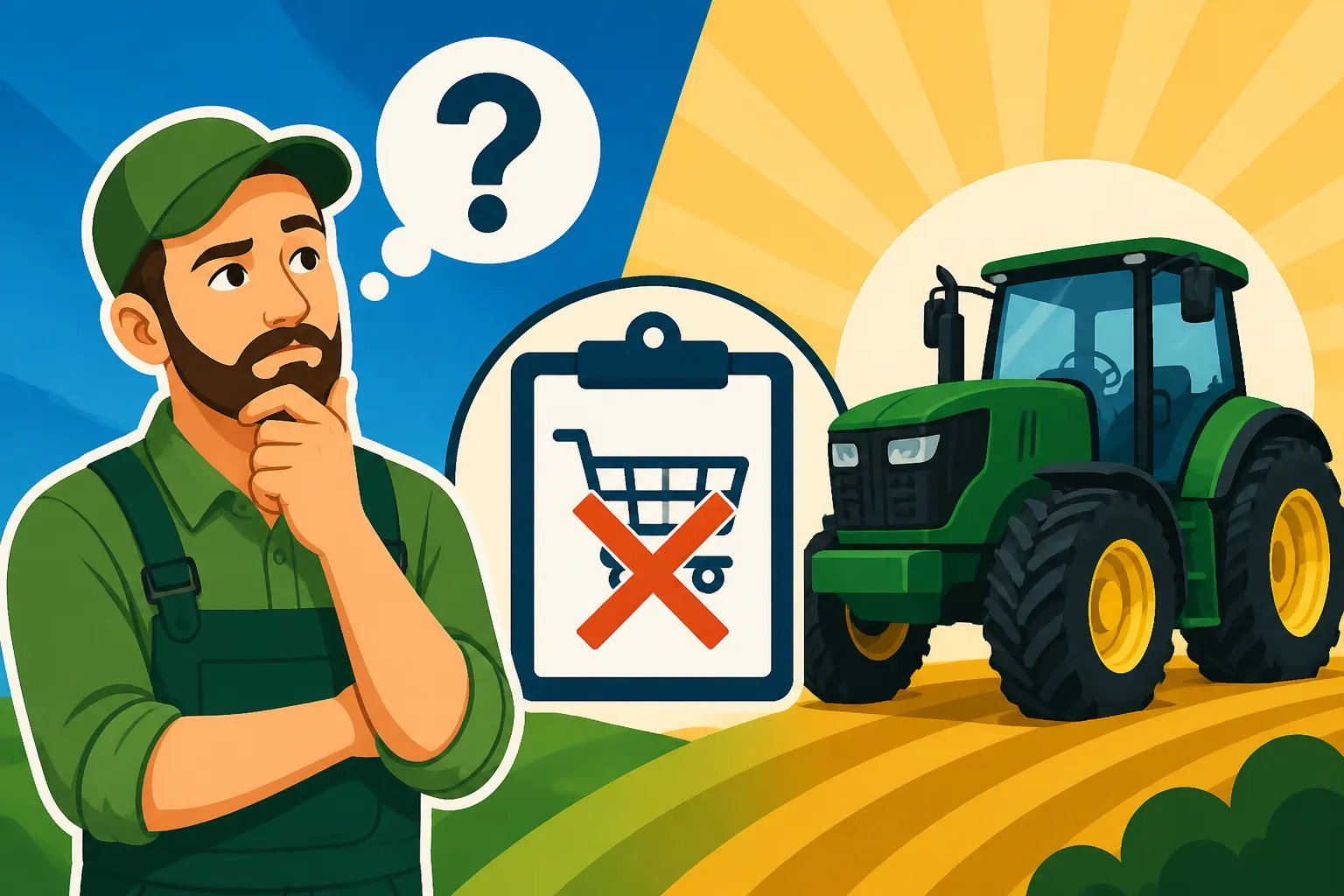
If you're a farmer, you know that every dollar counts. From seed to harvest, the costs add up quickly, and navigating the complexities of sales tax on essential equipment and supplies can feel like trying to plow a rocky field with a rusty tractor. It's frustrating to wonder if that new baler or critical fertilizer purchase will be hit with an unexpected tax bill. This guide is designed to clarify the often confusing landscape of agricultural sales tax exemptions, helping you understand when and how you might qualify for tax savings on the tools and inputs vital to your operation.
Understanding Agricultural Sales Tax Exemptions
The short answer to "Do farmers pay sales tax on equipment?" is often "no," but it's not a blanket exemption. Most states recognize the crucial role agriculture plays in their economy and offer specific sales tax exemptions for items used directly in farming operations. The idea behind these exemptions is to prevent the layering of taxes that would increase the cost of food and other agricultural products. Essentially, states don't want to tax the inputs that create the outputs consumers ultimately buy. However, the devil is in the details, and those details vary significantly from state to state.
Why States Offer Agricultural Exemptions
Think about it from a policy perspective. If every single item a farmer needed – from the tractor itself down to the smallest seed packet – was subject to sales tax, the cumulative cost would be passed directly onto consumers, making groceries more expensive. Beyond that, it would put local farmers at a competitive disadvantage against those in states with more favorable tax structures or against imported goods. States use these exemptions as a way to support their agricultural industries, encourage local food production, and ensure that the cost of farming doesn't become prohibitive. It's a way to keep money circulating within the agricultural sector, allowing farmers to reinvest in their businesses, upgrade equipment, and remain profitable. It's also about recognizing that farming is often a low-margin business, and every bit of relief helps keep farms viable.
The Nuance of "Farming" for Tax Purposes
Here's where it gets tricky: not everyone who owns a patch of land and grows a few tomatoes is considered a "farmer" for sales tax exemption purposes. Most states have a clear definition that distinguishes commercial farming operations from hobby farming or personal gardening. Generally, to qualify, the activity must be engaged in with the intent to make a profit. This means selling the crops, livestock, or agricultural products derived from the land.
For instance, if you have a sprawling garden where you grow food solely for your family's consumption, you likely won't qualify for agricultural exemptions on your rototiller or compost. But if you're growing those same vegetables to sell at a local farmer's market or to supply a restaurant, you're much more likely to meet the state's definition of a commercial agricultural producer. Some states might even have a minimum income threshold or require you to file Schedule F (Profit or Loss from Farming) with your federal taxes as proof of your commercial intent. Understanding your state's specific definition of farming is the very first step in determining if you can even think about claiming these exemptions.
What Farm Equipment and Supplies Qualify for Exemption?
Once you've established that your operation qualifies as a commercial farm, the next hurdle is figuring out what items are actually eligible for the exemption. This is another area where state laws diverge, but there are common categories that usually apply. The general rule of thumb is that the item must be used directly and exclusively (or primarily) in the production of agricultural products for sale.
Tractors, Implements, and Machinery
This is probably what most people think of when they hear "farm equipment." Large machinery like tractors, combines, planters, cultivators, balers, and sprayers are almost universally eligible for sales tax exemption in states that offer agricultural breaks. This also extends to attachments and specialized implements that connect to these machines, like plows, disc harrows, and hay rakes. The key here is their direct role in the cultivation, harvesting, or processing of agricultural products.
Let's take a hypothetical scenario: a farmer in Iowa purchases a brand-new John Deere combine for their corn and soybean fields. Since Iowa offers a broad agricultural exemption, this purchase would typically be exempt from sales tax, saving the farmer tens of thousands of dollars. However, if that same farmer bought a lawnmower to cut the grass around their farmhouse, that would not be exempt, as it's for personal use, not direct agricultural production. The distinction matters, and maintaining good records of how equipment is used is vital for compliance.
Irrigation Systems and Related Components
Water is life, especially for crops. Consequently, irrigation systems and their components often qualify for sales tax exemption. This includes everything from pumps, pipes, sprinklers, and drip lines to the specialized filters and timers that make these systems run efficiently. These are considered essential tools for producing crops, directly contributing to their growth and yield.
Imagine a specialty crop farm in California's Central Valley, relying heavily on precise irrigation. When they invest in a new subsurface drip irrigation system to conserve water and improve efficiency, the entire system – from the control valves to the emitters – would generally be exempt from California sales tax, assuming they provide the proper exemption certificate. This relief helps farmers adopt more sustainable and productive farming practices without being unduly penalized by taxes on their vital infrastructure investments. California, in particular, has specific rules around what constitutes a "farm product" and how things are used.
Livestock, Feed, and Veterinary Supplies
For those in animal agriculture, the exemptions extend beyond field machinery. Livestock (like cattle, hogs, and poultry) that are raised for sale or for the production of dairy, eggs, or meat are typically exempt from sales tax. The same often applies to the feed purchased for these animals. Veterinary supplies, medications, and even certain breeding equipment can also be tax-exempt when used for commercial livestock operations.
Consider a dairy farmer in Wisconsin. When they purchase new calves to grow their herd, those animals are usually tax-exempt. The tons of feed they buy to nourish their cows throughout the year would also qualify for exemption. If a veterinarian provides services or supplies directly to the dairy herd, those supplies might also be exempt, but the veterinary service itself might be handled differently depending on state law regarding Sales Tax on Services: What's Taxable by State. This interconnectedness of exemptions highlights how states aim to support the entire agricultural value chain.
Seeds, Fertilizers, and Pesticides
The very inputs that make crops grow are almost always exempt. Seeds, seedlings, plants, fertilizers, herbicides, fungicides, and other pest control products are direct components of agricultural production. Taxing these items would be like taxing the flour a baker buys to make bread – it's an ingredient, not the final product.
Think of a large-scale vegetable grower in Florida. Every season, they purchase thousands of pounds of seeds, specialized organic fertilizers, and approved pest management solutions. All of these essential inputs would typically be exempt from sales tax in Florida, reducing their operating costs significantly. This makes sense; these items are consumed in the process of creating a taxable (or eventually consumed) end product. It's a fundamental part of most states' Agricultural Sales Tax Exemption by State policies.
Fuel for Farm Equipment
Fuel used in farm machinery can also be eligible for sales tax exemption, though this often comes with specific rules. Sometimes it's a direct upfront exemption, and other times it might require a refund application after the fact. This applies to gasoline, diesel, and sometimes even propane or other fuels used to power tractors, harvesters, irrigation pumps, and other qualifying farm equipment. Again, the "direct use" clause is paramount.
For example, in Texas, farmers can purchase dyed diesel fuel, which is exempt from state sales tax because it's intended for off-road use in agricultural machinery. Regular clear diesel for a personal truck would not qualify. It's crucial for farmers to track their fuel usage carefully and understand the specific procedures for claiming exemptions or refunds on fuel, as states like Texas have robust systems for this. Keeping meticulous records here is key, and tools from companies like Avalara can help manage these varied state rules.
State-Specific Rules and Variations
Here's the rub: while most states offer some form of agricultural exemption, the specifics are incredibly varied. What's exempt in one state might be fully taxable in another, or subject to different usage requirements. This patchwork of regulations is a major source of headache for farmers, especially those who operate across state lines or purchase equipment from out-of-state vendors.
The Importance of "Direct Use" and "Commercial Purpose"
Almost every state's agricultural exemption hinges on two critical concepts: "direct use" and "commercial purpose."
- Direct Use: This means the item must be actively and directly involved in the production of agricultural products. A tractor used to plow a field is direct use. A pickup truck used to drive to town for groceries, even if the driver is a farmer, is not direct use. This is where the distinction between farm office supplies (usually taxable) and farm implements (usually exempt) comes into play. The connection to the actual growing, raising, or harvesting process must be clear.
- Commercial Purpose: As mentioned earlier, the farming activity must be for the purpose of making a profit. A hobby farm or personal garden, no matter how large, generally won't qualify. States want to support businesses, not recreational activities. This means you'll often need to demonstrate a history of sales or a clear business plan to justify the exemption.
Take the example of a farmer in Washington State. They might get an exemption on a specialized fruit sorter for their apple orchard, as it's directly used in preparing their commercial product for market. However, if they also run a small roadside stand and buy a new cash register, that cash register might be taxable because it's considered a retail fixture, not directly involved in the production of the apples themselves. It's an administrative tool for sales, not a production tool.
Common State Examples
Let's look at a few examples to illustrate the variations:
- California: California has a fairly comprehensive agricultural exemption for tangible personal property used primarily in producing agricultural products. This includes machinery, equipment, pesticides, seeds, and even certain types of fuel. However, like many states, it requires the buyer to issue a Resale Exemption Explained certificate (specifically, the California Resale Certificate, or CDTFA-230) or a specific agricultural exemption certificate to the seller. The state's rules are quite detailed, covering everything from specific animal types to aquaculture operations. It's important to understand the nuances of California District Taxes Explained as well, as some local add-on taxes might still apply in specific districts for certain transactions.
- Texas: Texas offers a very broad exemption for items used exclusively in the production of agricultural products for sale. This includes farm machinery, equipment, feed, seeds, fertilizers, and even things like certain animal health products. Farmers need to provide a Texas Agricultural Exemption Certificate (Form 01-924) to the seller to claim the exemption. Texas is also known for its clear distinction with dyed diesel fuel, as discussed earlier. Their comprehensive approach supports a wide range of agricultural activities.
- Florida: In Florida, agricultural exemptions are available for machinery and equipment used primarily in agricultural production, as well as for certain agricultural materials like seeds, feed, and fertilizers. Farmers must apply for an Agricultural Exemption Certificate (Form DR-500R) from the Florida Department of Revenue. This certificate is then presented to vendors at the time of purchase. Florida’s rules are generally clear, aiming to support its large citrus, cattle, and vegetable industries.
- Colorado: Colorado's sales tax on agricultural equipment and supplies is quite favorable. Items primarily used in agricultural production are exempt from the state's 2.9% sales tax. However, Colorado has many Colorado Home-Rule Cities Sales Tax jurisdictions that can impose their own local sales taxes. This means while you might be exempt from state sales tax, a specific city or county might still tax your purchase unless they also have an equivalent local agricultural exemption. This adds a layer of complexity for farmers operating within or near these home-rule jurisdictions. A farmer might buy a new tractor in rural Weld County and pay no sales tax, but if they buy certain repair parts from a vendor within the city limits of Fort Collins, they might find a local tax applied if Fort Collins' ordinances differ. This is where tools that help determine Sales Tax by ZIP Code (and Why ZIP Isn't Enough) become invaluable.
This table provides a generalized overview and is not exhaustive. Always consult official state tax resources or a tax professional.
| State | General Exemption Scope | Certificate Required? | Specific Nuances |
|---|---|---|---|
| California | Broad for production-related items, including equipment, seeds, feed. | Yes, Agricultural Exemption Certificate (or Resale Cert for some). | Specific definitions for "farm product"; California District Taxes Explained may still apply. |
| Texas | Very broad, includes machinery, feed, seed, specific fuels. | Yes, Agricultural Exemption Certificate (Form 01-924). | Dyed diesel exemption; emphasis on "exclusive use." |
| Florida | Machinery, equipment, feed, seed, fertilizer. | Yes, Agricultural Exemption Certificate (Form DR-500R). | Focus on "primarily used"; supports diverse agricultural sectors. |
| Colorado | State sales tax exempt for agricultural production items. | Yes, Exemption Certificate. | Many Colorado Home-Rule Cities Sales Tax may impose local taxes, check local rules. |
| Illinois | Equipment and machinery used in agricultural production, effective 2004. | Yes, Form CRT-61 (Resale Certificate) or ST-587. | Includes some breeding livestock; specific rules for inputs vs. equipment. |
How to Claim Your Sales Tax Exemption
Navigating the sales tax landscape can feel like a labyrinth, but claiming agricultural exemptions generally follows a predictable path: obtaining and using the correct certificate. It's not usually an automatic thing at the register; you need to be proactive.
Obtaining an Agricultural Exemption Certificate
The first step is to register with your state's revenue or tax department to obtain an agricultural exemption certificate. This isn't the same as a general Seller's Permit Explained: What It Is & How to Get One, which allows you to collect sales tax on your own sales. This is a document that tells your vendors you're exempt from paying sales tax on specific qualifying purchases. The application process typically involves providing information about your farm business, such as your federal employer identification number (EIN) or social security number, business name, and a description of your agricultural activities. Some states, like Florida, have a specific form (DR-500R) you need to fill out and submit. Once approved, the state will issue you a certificate, often with an expiration date, which you then present to your suppliers.
It's vital to ensure your certificate is always current. Many states require renewal every few years. Letting it expire means you might accidentally pay sales tax on an exempt purchase, leading to more paperwork to claim a refund later. Keeping track of these details can be overwhelming, especially for busy farmers. Solutions like Avalara can help automate the management and tracking of these exemption certificates, ensuring you're always using valid documentation.
Presenting the Certificate to Vendors
When you go to purchase qualifying equipment or supplies, you'll need to present your agricultural exemption certificate to the vendor. Most large farm supply stores, equipment dealers, and seed companies are familiar with these certificates and have procedures in place to process them. You might be asked to fill out a form or provide a copy of your certificate for their records. This is crucial because it shifts the responsibility for sales tax from you to the vendor, who then won't collect tax on that specific transaction.
If you purchase items from an online vendor or an out-of-state supplier, the process is similar. You'll typically need to send them a copy of your certificate or input the exemption information during the online checkout process. Be aware that some smaller vendors might not be as familiar with agricultural exemptions, so it's always a good idea to have your certificate handy and be prepared to explain its purpose. Remember, if you don't provide the certificate at the time of purchase, the vendor is legally obligated to charge you sales tax, and you'll then have to seek a refund from the state, which is a much more cumbersome process.
The Consequences of Misuse
Using an agricultural exemption certificate for non-qualifying purchases is a serious matter and can lead to penalties. States regularly audit businesses, and if they find that you've used an exemption for personal items (like that lawnmower for your personal residence) or for non-agricultural business activities, you could be assessed back taxes, interest, and significant penalties. This is why strict adherence to the "direct use" and "commercial purpose" rules is so important.
For instance, if a farmer in Tennessee uses their agricultural exemption certificate to purchase building materials for a new guesthouse on their property, that's a clear misuse. The state's Department of Revenue could audit them, revoke their exemption privileges, and impose penalties. It's always best to err on the side of caution. If you're unsure whether an item qualifies, pay the sales tax and consult with a tax professional or your state's Department of Revenue for clarification. It's far better to pay a little extra now than face substantial fines and legal trouble down the road. Tools that help manage sales tax compliance, like Avalara, can also provide guidance on what items qualify under specific state rules, reducing the risk of misuse.
Beyond Equipment: Other Potential Exemptions for Farmers
While equipment is a major consideration, many farmers deal with a host of other transactions that might also qualify for sales tax exemptions or special treatments. These can include purchases of services, utility costs, and even particular types of building materials. Understanding these additional categories can further optimize your farm's financial health.
Services Related to Agricultural Production
Many states provide exemptions for specific services directly related to agricultural production. This isn't universal, as Sales Tax on Services: What's Taxable by State varies wildly, but it's worth investigating. Examples include custom harvesting services, crop dusting, artificial insemination services for livestock, custom feed mixing, or even certain repair services for exempt farm equipment. The key, once again, is the direct relationship to the production of agricultural products for sale.
For instance, if a farmer in Nebraska hires a custom harvesting crew to bring in their corn crop, the fee for that service might be exempt from sales tax if Nebraska's statutes specifically cover such services. However, if they hire a landscaper to beautify their farm entrance, that service would almost certainly be taxable because it's not directly related to the production of commodities. It's about discerning what falls under the umbrella of "agricultural production" and what is considered general business or personal service.
Utilities and Energy Costs
Farming operations can consume a significant amount of electricity, natural gas, or other fuels for heating barns, operating grain dryers, or powering processing equipment. Many states offer sales tax exemptions on utility bills for agricultural businesses, especially for the portion of energy used in direct production activities. This exemption often requires a separate application to the utility company, proving that a certain percentage of the energy consumption is for agricultural purposes.
Imagine a large poultry farm in Arkansas. The electricity needed to power their ventilation systems, lighting, and egg-processing machinery could be partially or fully exempt from sales tax. However, the electricity used in the farmer's personal residence on the same property would not be exempt. This often necessitates metering different parts of the farm or having a clear method for calculating the proportional use for exempt activities. These exemptions, while complex to set up, can lead to substantial savings over time.
Building Materials for Agricultural Structures
This is a trickier area, as building materials for structures are often treated differently than movable equipment. Some states may offer exemptions for materials used to construct barns, silos, greenhouses, or other structures directly used in agricultural production. However, materials for personal residences, retail storefronts, or general office buildings on the farm property are typically taxable.
For instance, if a dairy farm in Pennsylvania decides to build a new, modern milking parlor, the concrete, steel, and specialized components might be exempt from sales tax. But if they're adding a new wing to their farmhouse, those materials would likely be taxed. This distinction highlights the focus on the function of the item within the agricultural production process. It's not just about being "on the farm;" it's about being "for the farm's core productive output." Always check your state's specific guidelines, as building material exemptions can be among the most complex to navigate.
Final Thoughts on Sales Tax for Farmers
The world of sales tax for farmers is rarely straightforward. While the intent behind agricultural exemptions is clear – to support a vital industry and keep food costs reasonable – the implementation across states is a patchwork of specific rules, definitions, and required documentation. From understanding what constitutes "commercial farming" to meticulously tracking the "direct use" of every piece of equipment and every input, the administrative burden can be substantial.
Farmers need to be diligent about obtaining and renewing their agricultural exemption certificates, presenting them correctly to vendors, and avoiding any misuse that could lead to penalties. Staying informed about Sales Tax Rates by State 2026: All 50 States and understanding how local taxes like How Combined Sales Tax Rates Work might interact with state exemptions is also critical. For many, investing in sales tax compliance software, such as those offered by Avalara, can be a game-changer. These tools can help manage exemption certificates, accurately calculate sales tax (or identify exemptions) for complex transactions, and ensure you remain compliant across all your purchases and sales, allowing you to focus on what you do best: farming.
It's a continuous learning process, but with careful attention to detail and a proactive approach, farmers can successfully navigate these complexities and ensure they're not overpaying on sales tax for the crucial equipment and supplies that keep their operations thriving.
Disclaimer
The information provided in this guide is for general informational purposes only and does not constitute tax advice. Sales tax laws are complex and subject to change. Farmers should consult with a qualified tax professional or their state's Department of Revenue for specific advice regarding their individual circumstances and to ensure compliance with all applicable sales tax regulations.