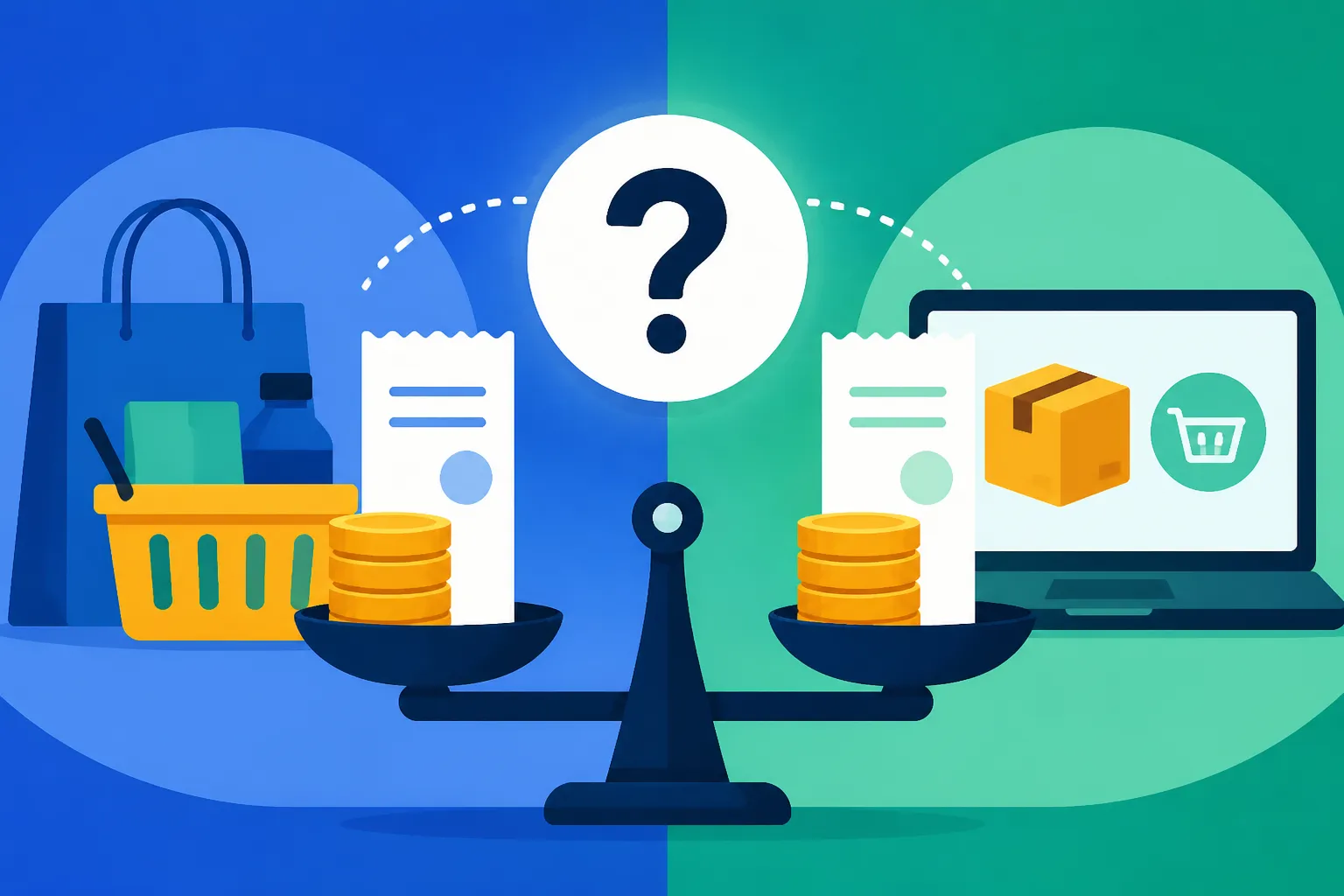
Is Use Tax the Same Rate as Sales Tax?
It's incredibly frustrating, isn't it? You're just trying to figure out what you owe, and then you stumble upon "use tax" and suddenly everything you thought you knew about sales tax gets turned on its head. It feels like another layer of complexity specifically designed to make your head spin. This guide is here to clear up that confusion, specifically addressing whether use tax is just a fancy name for sales tax, or if it carries its own unique rate.
Understanding the Basics: Sales Tax vs. Use Tax
Before we dive into the rates, let's untangle the fundamental difference between these two. It's easy to get them mixed up because they essentially serve the same purpose for the state: collecting revenue on consumer purchases. However, their application and who is responsible for collecting/remitting them are where the real distinctions lie.
What is Sales Tax Really?
Think of sales tax as the more common, everyday tax you encounter. When you walk into your local hardware store in Springfield, Illinois, and buy a new set of tools, the cashier adds a percentage to your total. That's sales tax. It's a consumption tax levied by state and local governments on the sale of goods and sometimes services. The key here is that the seller is generally responsible for collecting this tax from you, the buyer, at the point of sale. They then remit it to the state. It's a visible, upfront cost you pay as part of your purchase. The rate you pay is determined by the specific jurisdiction where the sale originates or where the item is delivered, depending on the state's sourcing rules. For a deeper dive into how different jurisdictions calculate these, you might want to check out our guide on Combined State + Local Sales Tax Rates Explained.
What is Use Tax and Why Does it Exist?
Now, use tax is sales tax's quieter, often overlooked cousin. It exists to level the playing field and ensure that states collect tax on purchases where sales tax wasn't properly collected at the time of sale. Imagine you buy those same tools, but this time from an online retailer based in a state where they don't have a physical presence (and perhaps didn't meet economic nexus thresholds in your state at the time of your purchase). When that online seller ships the tools to your home in Springfield, they might not charge you sales tax. This is where use tax steps in. It's essentially a self-assessed tax that you, the consumer, are supposed to pay to your state when you purchase taxable goods or services for use, storage, or consumption in your state, and the seller didn't collect sales tax from you. It ensures fairness, preventing consumers from dodging taxes simply by buying from out-of-state vendors or individuals, and also protecting local businesses from unfair price disadvantages. Our comprehensive article on Use Tax Explained: What It Is & When You Owe It offers even more context.
The Common Misconception About Their Rates
The biggest source of confusion, and frankly, frustration, often comes from the idea that because use tax is similar to sales tax, it must be completely different in every aspect. Many people assume use tax must have its own, separate, often punitive rate. This simply isn't true in most cases. The reality is far more straightforward, which, ironically, makes it harder for some people to grasp because they expect complex government regulations to be… well, complex and different. The core function of use tax is to replace the sales tax that should have been collected, so it makes logical sense for the rates to align.
The Answer: Are the Rates the Same?
Let's get right to it: for the vast majority of transactions and states, the answer is a resounding yes, the use tax rate is the same as the sales tax rate that would have applied had the item been purchased from an in-state vendor.
Generally, Yes, But There Are Nuances
When you purchase an item and no sales tax is collected by the seller, your responsibility to pay use tax is typically calculated using the exact same rate that a local vendor in your area would have charged. So, if your combined state and local sales tax rate in Austin, Texas, is 8.25%, and you buy a taxable item online for $100 and no sales tax is collected, you owe $8.25 in use tax to the state of Texas. It’s not a special “use tax rate” that's higher or lower; it's simply the sales tax rate applied in a different scenario. The idea is to mirror the sales tax obligation as closely as possible. This consistency is actually quite helpful once you understand it, as it means you don't have to learn a whole new set of rates just for use tax purposes. Understanding your specific state's sales tax rates is key, which you can find in resources like our Sales Tax Rates by State 2026: All 50 States guide.
How Local Rates Impact the Equation
The uniformity extends to local sales tax rates as well. Sales tax rates aren't just one statewide number; they're almost always a combination of the state rate and various local rates (county, city, special district taxes). When you owe use tax, you're responsible for paying the combined state and local sales tax rate that would have applied if you had purchased the item in your specific location. This is crucial because a resident of Los Angeles, California, would owe a different amount of use tax than someone in San Francisco, California, even though they share the same state sales tax rate. The district taxes unique to each city push the combined rate higher in some areas. It's why services like Avalara are so helpful – they can pinpoint the exact combined rate down to the street address, ensuring you apply the correct local rates for your use tax calculations. This complexity of local rates is a common challenge, as detailed in articles like Why Is Sales Tax Different in Every City?.
Exceptions and Special Cases
While the general rule is rate parity, there are always a few exceptions and special considerations in the world of sales tax. These are typically not about a different percentage for use tax, but rather about how the tax is applied or specific exemptions that might still apply. For instance, some states might have specific rules for large capital purchases or for items brought into the state that were purchased years ago. Occasionally, a state might offer a credit for sales tax paid to another state on the same item, preventing double taxation, but this doesn't change the underlying use tax rate. Another less common scenario could involve items that are explicitly exempt from sales tax – if an item is exempt from sales tax, it’s also typically exempt from use tax. For example, if groceries are non-taxable in your state, then buying groceries online from an out-of-state vendor where tax wasn't collected wouldn't trigger use tax, because no sales tax would have been due in the first place.
Practical Scenarios Where Use Tax Comes Up
It’s easy to think use tax is some obscure, rarely encountered thing, but it actually pops up in a surprising number of everyday (and business) situations. Most people are completely unaware they’re incurring a use tax liability.
Online Purchases from Out-of-State Sellers
This is perhaps the most common scenario for individuals. Before the South Dakota v. Wayfair Supreme Court decision and the widespread adoption of economic nexus laws, many online retailers, especially smaller ones, weren't required to collect sales tax on sales shipped to customers in other states. If you bought something from a seller in a different state that didn't have nexus in your state, and they didn't charge you sales tax, you likely owed use tax. Now, with Economic Nexus by State 2026: Thresholds Guide making it more common for online sellers to collect sales tax nationwide, instances of uncollected sales tax are less frequent. However, they still happen, particularly with smaller sellers or unique items. For example, if you buy a handmade craft from an individual seller on a platform like Etsy or directly from their website, and they haven't registered to collect tax in your state, you might be responsible for the use tax. Our article Do I Owe Use Tax on Amazon/Online Purchases? goes into this in detail.
Business Inventory and Supplies
Businesses are particularly susceptible to use tax liabilities. It's not just about what you sell, but what you buy for your business. Let's say you're a small graphic design agency in Denver, Colorado. You order some specialized software or office furniture from an out-of-state vendor who doesn't have nexus in Colorado and therefore doesn't charge you Colorado sales tax. Because you're using these items in your business operations within Colorado, you're responsible for remitting the use tax. This is a very common oversight for businesses of all sizes, leading to potential audit issues. It’s critical for businesses to track these purchases, as the amounts can add up quickly. This scenario is comprehensively explored in our Use Tax for Businesses Explained guide.
Purchases from Individuals or Private Sales
Think about buying a used car from a private seller, or that antique lamp you found at a flea market that wasn't an established business. In many states, even these person-to-person sales can trigger a use tax liability. While specific rules vary by state (some states might exempt certain casual sales), generally, if sales tax would have applied to the same item if purchased from a retail store, then use tax may be due when buying privately. For instance, when you buy a used car from an individual, you'll typically pay sales tax (or use tax, as it's often framed by the DMV) on the purchase price when you go to register the vehicle. It's simply the state ensuring it collects its due, regardless of whether the transaction was through a formal retailer.
Calculating Use Tax: A Step-by-Step Approach
So, you've identified a purchase where you owe use tax. Now what? The good news is that calculating it isn't much different from calculating sales tax.
Identifying Your Applicable Rate
The first and most crucial step is to pinpoint the exact sales tax rate that applies to your location. This isn't just your state's base sales tax rate. You need the combined rate, which includes your state, county, city, and any special district taxes. For example, if you live in Seattle, Washington, your state sales tax rate is 6.5%, but the combined rate, including local taxes for King County and the City of Seattle, pushes it much higher – over 10% in some areas. If you purchased an item to be used or consumed in Seattle, you'd owe use tax at that higher combined rate. You can usually find this information on your state's Department of Revenue website or by using a reliable sales tax rate lookup tool. Many businesses use software like Avalara to automatically determine these rates for any address, taking away the guesswork. For a good starting point, check out Sales Tax by ZIP Code (and Why ZIP Isn't Enough) to understand why a full address is often necessary for accuracy.
Applying the Rate to Your Purchase
Once you have the correct combined sales tax rate for your location, the calculation is straightforward. It’s the same formula you'd use for sales tax:
Purchase Price x Applicable Combined Sales Tax Rate = Use Tax Due
Let's say you bought a new sound system online for $500, and no sales tax was charged. You live in Houston, Texas, where the combined sales tax rate is 8.25%.
$500 (Purchase Price) x 0.0825 (8.25% Sales Tax Rate) = $41.25 (Use Tax Due)
It’s that simple. Remember to apply the rate to the actual purchase price of the taxable item. If there were non-taxable components in your purchase (like an exempt service bundled with a taxable product), you'd only apply the rate to the taxable portion. Our guide on How to Calculate Sales Tax (Step by Step) provides more examples that directly apply here.
Reporting and Remitting Use Tax
This is where many people get stuck, or simply don't know what to do. For individuals, many states allow you to report and pay use tax directly on your annual income tax return. You'll usually find a specific line item or schedule for reporting consumer use tax. For businesses, the process is usually more formal. Businesses typically report and remit use tax on their regular sales tax returns. If you're a business that files sales tax, you'll find a section on your sales tax return dedicated to reporting purchases subject to use tax. It’s crucial to accurately track these purchases throughout the year to ensure you report the correct amount. If you don't already have a sales tax permit, you might need to register for one, even if only to report use tax, depending on your state's rules. Services from companies like Avalara can automate this entire process, from tracking purchases to generating the correct forms for filing. Need more info on the filing process? Our article on How to File a Sales Tax Return: Step by Step is a great resource.
Why This Matters to You (and Your Wallet)
Ignoring use tax isn't just about bending the rules; it can have real, tangible consequences for your finances and your business's health.
Avoiding Penalties and Interest
The biggest reason to care about use tax is to avoid the headache of penalties and interest. State tax authorities take uncollected taxes seriously. If your state conducts an audit (and they do, especially for businesses) and finds that you owe a significant amount of unremitted use tax, they will assess not only the back taxes but also penalties and interest. These can add up quickly, sometimes equaling or even exceeding the original tax liability. Imagine having to pay an extra 25% in penalties, plus interest for several years, on top of the original use tax. It’s a financial hit that’s easily avoidable by being diligent upfront. Staying on top of your obligations helps you avoid the severe consequences detailed in guides like Sales Tax Penalties & Late Filing by State.
Ensuring Fair Competition for Local Businesses
Beyond your own wallet, use tax plays a crucial role in maintaining a fair marketplace. When you purchase an item online from a seller who doesn't collect sales tax, and you don't remit use tax, it creates an unfair advantage. Local businesses, who must collect sales tax from their customers, are at a disadvantage because their prices effectively appear higher. This can drive consumers away from local shops, impacting local economies. Use tax is designed to neutralize this effect, ensuring that whether you buy from a big box store down the street or an online vendor across the country, the tax burden is generally the same, fostering healthier competition. This is precisely why the South Dakota v. Wayfair: What It Means for Sellers decision was so impactful, pushing more remote sellers to collect tax.
The Role of Compliance Software
For businesses, especially those with numerous purchases from various vendors, manually tracking and calculating use tax can be a nightmare. This is where modern sales tax compliance software truly shines. Solutions offered by companies like Avalara integrate with accounting systems and enterprise resource planning (ERP) software to automatically identify purchases where sales tax wasn't collected. They then calculate the correct use tax based on precise, up-to-date rates for your location and help you prepare the necessary forms for filing. This automation not only saves countless hours of manual work but drastically reduces the risk of errors and potential audit liabilities. It’s an investment that pays for itself in peace of mind and compliance accuracy, as explored in our article, Best Sales Tax Compliance Software 2027.
Here's a quick comparison of Sales Tax and Use Tax:
| Feature | Sales Tax | Use Tax |
|---|---|---|
| Purpose | Tax on the sale of goods/services | Tax on the use of goods/services when sales tax wasn't collected |
| Payer | Collected by seller from buyer | Self-assessed and paid by buyer (consumer or business) |
| Trigger Event | Purchase from a registered seller within the state's taxing jurisdiction | Purchase where seller didn't collect sales tax, for use in the buyer's state |
| Tax Rate | Generally the same as the applicable sales tax rate for the buyer's location | Generally the same as the applicable sales tax rate for the buyer's location |
| Collection | Seller collects at point of sale, remits to state | Buyer reports on income tax return (individual) or sales tax return (business), remits to state |
| Why it Exists | Generate revenue from transactions; fund public services | Prevent tax avoidance; ensure fair competition for local businesses |
In summary, the next time you find yourself wondering about use tax, remember that its rate is almost certainly the same as the sales tax rate you'd pay locally. The trick isn't in a different rate, but in recognizing when you owe it and how to properly report it.
Disclaimer
Please remember that sales tax laws, including those concerning use tax, are complex and subject to change. This guide provides general information and should not be considered legal or financial advice. Always consult with a qualified tax professional or refer to your state's Department of Revenue for specific guidance related to your unique situation.