Tennessee Sales Tax Holiday 2026 Guide
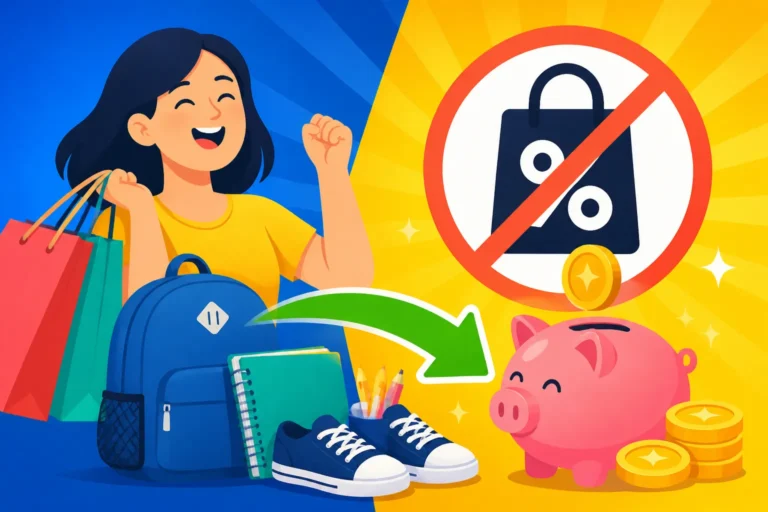
The hustle and bustle of getting ready for a new school year can be incredibly draining, especially when you're trying to stretch every dollar. Between new clothes, textbooks, and all those school supplies, the costs can add up fast, leaving many families feeling the pinch. Thankfully, Tennessee offers its annual Sales Tax Holiday, a fantastic opportunity designed to ease this burden and help you save some much-needed cash. This guide will walk you through everything you need to know about navigating the holiday, from eligible items to key dates.
Navigating Tennessee's Back-to-School Sales Tax Holiday 2026
Every year, families across the Volunteer State eagerly anticipate the sales tax holiday, a period where certain essential items for school and everyday life become temporarily exempt from sales tax. It’s a small but mighty relief that can make a real difference in your budget, especially when you're stocking up for multiple children or simply trying to get ahead of the curve. Understanding the specifics of this holiday is crucial to maximizing your savings and avoiding any last-minute surprises at the checkout.
Understanding the Key Dates and Duration
While the official dates for the 2026 Tennessee Sales Tax Holiday are usually announced closer to the event, based on historical patterns, we can confidently project that the main back-to-school sales tax holiday will likely occur during the last full weekend in July. For 2026, this would typically mean a window spanning from 12:01 A.M. on Friday, July 24, 2026, to 11:59 P.M. on Sunday, July 26, 2026. This gives you a full three days to hit the stores, both brick-and-mortar and online, and make those tax-exempt purchases. It’s a short but impactful window, so knowing these dates in advance allows you to plan your shopping excursions meticulously.
It's important to keep an eye on official announcements from the Tennessee Department of Revenue as the year progresses, as sometimes slight adjustments can occur. However, this late-July timeframe has been a consistent tradition for years, providing predictable relief right before schools typically resume classes. For a broader look at how other states handle similar initiatives, you might want to check out our comprehensive guide on Sales Tax Holidays by State 2026: Full Calendar to compare.
The Heart of the Holiday: Why it Matters to Families
The Tennessee Sales Tax Holiday isn't just a quirky government initiative; it's a direct response to the financial pressures families face. The cost of living continues to climb, and every little bit of savings helps. For a family with several children, saving 7% on state sales tax alone (plus any applicable local sales taxes, which can push combined rates much higher, as detailed in What Is the Sales Tax in Tennessee?) on hundreds of dollars' worth of clothing and school supplies can easily add up to $50, $75, or even over $100. That's money that can go towards extracurricular activities, healthy groceries, or even just a well-deserved treat for the kids after a long school year.
This holiday particularly benefits small business owners and larger retailers within Tennessee. They often see an uptick in traffic and sales during this period, as shoppers are incentivized to buy locally when they know they can save money. Retailers need to ensure their point-of-sale systems are correctly configured to apply these temporary exemptions. Companies like Avalara provide solutions that can help businesses manage these complex, temporary tax rules, ensuring compliance and a smooth shopping experience for customers. It's a win-win: consumers save money, and businesses get a boost in sales.
What Purchases Qualify for Tax Exemption?
This is where the rubber meets the road! Knowing exactly what you can save on is key to strategic shopping. The Tennessee Sales Tax Holiday focuses on categories that are truly essential for students and families, with specific price limits designed to ensure the benefits are widely accessible. Let’s dive into the three main categories.
Apparel and Clothing Items (The $100 Rule)
During the tax holiday, most articles of clothing with a sales price of $100 or less per item are exempt from state and local sales tax. This is fantastic news for families needing to refresh wardrobes for growing kids or simply stock up on basics for the year. This exemption applies to a wide range of clothing, including:
- Shirts, pants, dresses, and skirts
- Underwear, socks, and hosiery
- Jackets, coats, and sweaters
- Shoes (athletic, dress, casual)
- Belts and scarves
- Pajamas and sleepwear
- Uniforms (school, work, sport)
It's crucial to remember the "$100 per item" limit. If you pick up a designer jacket for $150, you'll still pay sales tax on the full amount. However, if you buy five shirts that each cost $20, they are all exempt because each individual item is under the $100 threshold. This rule can be a bit tricky, as retailers and their sales tax software, even advanced systems like those offered by Avalara, need to accurately apply the exemption item by item, not by the total transaction. Our guide on Is Clothing Taxable? Sales Tax on Apparel by State offers more context on how clothing taxation varies elsewhere.
Essential School Supplies (Also $100 Per Item)
Another major category for savings is school supplies. Just like clothing, individual school supply items with a sales price of $100 or less per item are exempt. This covers the vast majority of items found on a typical back-to-school list, making it an ideal time to load up on pens, paper, and notebooks. Eligible items generally include:
- Pens, pencils, crayons, and markers
- Notebooks, loose-leaf paper, and binders
- Calculators
- Erasers, rulers, and scissors
- Textbooks (often defined as those required for school courses)
- Art supplies like construction paper, paint, and brushes (if used in a classroom setting)
- Glue, paste, and tape
- Lunch boxes and backpacks
Imagine the relief of grabbing all those binders, pencil cases, and reams of paper without paying an extra cent in tax. It really helps when you're trying to figure out How to Calculate Sales Tax (Step by Step) on a large shopping cart, as you can simply remove the tax component for these items. This category is designed to help students, parents, and educators prepare for the academic year without the added cost of sales tax.
Computers and Electronics (Up to $1,500)
In today's digital age, computers and certain electronic devices are no longer luxuries but necessities for education. Recognizing this, Tennessee's Sales Tax Holiday extends its exemption to certain computers, laptops, and tablets with a sales price of $1,500 or less per item. This is a significant saving opportunity for students heading to college or families needing an upgrade for remote learning.
Qualifying items typically include:
- Desktop computers
- Laptop computers
- Tablet computers
- Certain peripherals when sold with an eligible computer (like a keyboard, mouse, or monitor)
However, it's vital to note that this exemption usually does not apply to things like cell phones, video game consoles, e-readers that aren't primarily computers, or separate software purchases. The key is "computer" – an electronic device that accepts data in digital form and manipulates it for a result based on a sequence of instructions. This is a big one for college students who often need a reliable machine for their coursework, making this holiday a perfect time to invest.
Common Exclusions and What Doesn't Qualify
While the sales tax holiday offers fantastic savings, it's not a free-for-all on everything in the store. There are specific items that remain taxable, and being aware of these exclusions can save you from an unexpected tax charge at the register. The state has clear definitions to prevent confusion, but sometimes the lines can seem a little blurry, especially with accessories or specialized goods.
Specific Clothing and Accessory Limitations
Even within the clothing category, some items are explicitly excluded from the exemption, regardless of their price. These generally include:
- Accessories: Jewelry, watches, handbags, wallets, briefcases, luggage, umbrellas, and sunglasses are typically not exempt.
- Athletic or Protective Equipment: Items like shin guards, sports helmets, ski boots, waders, and goggles are usually taxable. While a basketball jersey under $100 would be exempt, the specialized shoes or knee pads would likely not be.
- Costumes: While a regular shirt under $100 is exempt, a Halloween costume is generally considered a specialty item and remains taxable.
- Items for Furnishing: Blankets, linens, or fabric sold by the yard are not considered "clothing" for the purpose of this holiday.
It's all about intent and purpose. If it's something you wear for general use or school, it likely qualifies. If it's a specialty item, an accessory, or protective gear, it probably doesn't. This can sometimes lead to shopper frustration, but the rules are set to target core essentials.
Office and Art Supplies Beyond the Basics
While basic school supplies are exempt, the holiday doesn't extend to all office or art-related purchases. For instance:
- Art Supplies (Non-classroom use): If you're buying expensive canvases, sculpting clay, or specialized art kits for a hobby, these are often not covered unless they are specifically listed as required for a school course and meet the price threshold.
- Office Equipment: Items like staplers, paper shredders, desk organizers, or printer ink cartridges are typically not included in the school supplies exemption. These are generally considered business or home office essentials rather than direct student supplies.
- Furniture: Desks, chairs, bookshelves, or lamps are definitely not part of the school supplies exemption.
The key distinction lies in what's considered a fundamental item for a student's education versus general household or professional use. If it's on a school's mandated supply list, it has a better chance of being exempt.
Software, Digital Products, and Services
Beyond tangible goods, there are specific categories that are almost universally taxable, even during a sales tax holiday:
- Software: While a computer itself might be exempt up to $1,500, any standalone software, whether purchased physically or as a digital download, is typically not covered. This means that expensive word processing suites, design software, or educational programs will still incur sales tax.
- Digital Products: E-books, music downloads, streaming services, and online games are considered digital products or services and remain taxable. This is consistent with how many states, including Tennessee, apply sales tax to these non-tangible goods.
- Services: Labor, repairs, memberships, or any other service-based transactions are never exempt during a sales tax holiday, as sales tax generally applies to tangible personal property, not services, unless explicitly stated otherwise (as discussed in Sales Tax on Services: What's Taxable by State). So, if you're getting a computer repaired, the labor portion will still be taxed.
It’s easy to get confused with the increasingly digital world, but the sales tax holiday is primarily focused on physical, tangible items. Retailers must carefully program their systems, often with the help of sophisticated sales tax engines like those provided by Avalara, to ensure these distinctions are made accurately during the busy holiday period.
Tips for Making the Most of the Sales Tax Holiday
The Tennessee Sales Tax Holiday is a golden opportunity to save, but like any good shopping strategy, a little planning goes a long way. You don't want to rush into it blindly and miss out on potential savings or accidentally buy items that don't qualify. Here are some seasoned tips to help you navigate the weekend like a pro.
Strategic Planning for Your Shopping List
Before you even think about heading to the store or firing up your browser, sit down and make a detailed list. This might sound old-fashioned, but it’s your best defense against impulse buys and forgotten essentials.
- Audit What You Have: Go through closets, desk drawers, and backpacks. What still fits? What supplies are left over from last year? Don't buy what you don't need.
- Get School Supply Lists Early: Most schools release their required supply lists weeks in advance. Get these lists and cross-reference them with your inventory. This helps ensure you're buying what's truly needed and minimizes unnecessary purchases.
- Prioritize Big-Ticket Items: If you're eyeing a new computer, make that your first priority. With the $1,500 limit, saving the sales tax on a $1,000 laptop, for example, could be around $70 or more depending on local rates, which is a significant chunk of change.
- Stay Within Price Limits: Keep the $100 per item limit for clothing and school supplies in mind. If you find an item that's just over the limit, consider if a comparable, slightly less expensive alternative would suffice and still be tax-exempt.
Having a clear plan helps you focus and ensures you're making smart, tax-free purchases. This foresight can prevent you from paying tax on items you thought were exempt, a common frustration for shoppers.
Online Shopping and Delivery Considerations
The good news is that the Tennessee Sales Tax Holiday typically applies to qualifying purchases made online as well! This is a huge convenience, especially for those who prefer to avoid crowded stores or live far from major retail centers. However, there are a few important caveats to keep in mind:
- Order Fulfillment Date: For online purchases, the exemption applies if the order is placed and the item is shipped or delivered during the sales tax holiday period. If you order on Saturday but the item doesn't ship until Monday, you might still be charged tax depending on the retailer's system and state interpretation. Most reputable online retailers, though, will honor the holiday if the order is placed within the window.
- Shipping and Handling: Be mindful of how shipping and handling charges are treated. In Tennessee, if shipping and handling charges are mandatory and are part of the sales price, they generally become part of the item's total cost for sales tax purposes. If the addition of shipping pushes an item over the $100 or $1,500 threshold, it could become fully taxable. However, if shipping is optional and separately stated, it might not factor into the item's eligibility. This is a nuanced area, and our article on Is Shipping Taxable? Freight Sales Tax by State delves deeper into these complexities.
- Retailer Location: As long as the retailer is collecting Tennessee sales tax (meaning they have Sales Tax Nexus Explained (Physical vs Economic) in the state), they should apply the exemption regardless of where they ship from.
Always double-check your cart at checkout to confirm the sales tax has been correctly removed. If you encounter an issue, reach out to the retailer's customer service immediately.
Beyond the Exemption: Smart Shopping Strategies
While saving on sales tax is great, it's just one piece of the puzzle for smart shopping. Don't let the tax holiday blind you to better deals elsewhere.
- Compare Prices: A 7% (or higher, with local taxes) discount is good, but a 20% sale on a comparable item might save you even more, even if it's outside the tax holiday window. Always compare prices across different retailers, both during and outside the holiday.
- Combine with Sales: The best time to shop is often when a retailer runs a store-wide sale during the sales tax holiday. That's when you get to double-dip on savings: a reduced price and no sales tax! Keep an eye on weekly ads and online promotions leading up to the holiday weekend.
- Look for Store Coupons and Loyalty Programs: Stack those savings! Many retailers offer loyalty program discounts or coupons that can be combined with the tax exemption.
- Don't Overbuy: Resist the urge to buy things just because they're tax-free. Stick to your list and your budget. Unnecessary purchases, even without sales tax, still cost you money. For more generalized advice, our Tax-Free Weekend Back-to-School Guide 2026 covers tips that apply broadly across states.
Tennessee Sales Tax Holiday 2026: Quick Reference Guide
To help you keep track of what's exempt and what's not, here's a handy table summarizing the key categories and their limits for the main back-to-school holiday.
| Category | Item Description | Price Limit (Per Item) | Status During Holiday |
|---|---|---|---|
| Apparel | Clothing, footwear, sleepwear, underwear, uniforms | $100 or less | Exempt |
| School Supplies | Pens, pencils, paper, notebooks, binders, calculators, backpacks, lunch boxes | $100 or less | Exempt |
| Computers | Desktop, laptop, tablet computers (excluding accessories, software, peripherals) | $1,500 or less | Exempt |
| Exclusions | |||
| Apparel | Jewelry, watches, handbags, briefcases, sports equipment, costumes | N/A | Taxable |
| School Supplies | Office equipment, art supplies (non-classroom), furniture | N/A | Taxable |
| Computers | Cell phones, video game consoles, e-readers, separate software | N/A | Taxable |
| Services | Repairs, labor, memberships | N/A | Taxable |
| Digital Products | E-books, music downloads, streaming services | N/A | Taxable |
Remember, these guidelines are based on typical Tennessee Sales Tax Holiday rules. Always refer to the official Tennessee Department of Revenue website for the most up-to-date information as it becomes available.
Disclaimer
The information provided in this guide is for general informational purposes only and does not constitute professional tax advice. Sales tax laws are complex and subject to change. Always consult with a qualified tax professional or the Tennessee Department of Revenue for advice specific to your situation.