Virginia Tax-Free Weekend 2026 Dates
Navigating sales tax can often feel like a frustrating maze, especially when you're trying to budget for essentials like back-to-school supplies or emergency preparedness items. For many years, Virginia families looked forward to the annual sales tax holiday as a brief but welcome reprieve from these costs. This guide is here to clarify the current status of the Virginia Tax-Free Weekend for 2026, explain why it's no longer active, and detail what items used to qualify, giving you the full picture.
Understanding Virginia's Sales Tax Holiday Program (Past & Present)
For a good long while, Virginia offered its residents a popular statewide sales tax holiday, typically held in early August. This event was a major boon for families gearing up for school, individuals stocking up on hurricane preparedness items, and even those looking to upgrade to energy-efficient appliances. It was a time when the 4.3% state sales tax, plus any local sales taxes (which typically added another 1% to 1.7%, reaching a combined rate of 5.3% to 6%), would simply vanish from qualifying purchases.
A Brief History of Virginia's Tax-Free Weekend
The Virginia Sales Tax Holiday was enacted with the best intentions: to provide financial relief to consumers and give a boost to local businesses during specific purchasing periods. For years, shoppers in Virginia Beach, Richmond, Fairfax, and everywhere in between, eagerly marked their calendars. It combined three distinct sales tax holidays into one convenient, extended weekend, usually spanning from Friday morning to Sunday evening. This approach made it incredibly easy for shoppers, as they didn't have to juggle multiple dates for different categories of items.
However, like many legislative programs, it had an expiration date. The law creating the sales tax holiday included a "sunset clause," meaning it was designed to automatically end unless lawmakers took specific action to extend or re-enact it. The last official Virginia Sales Tax Holiday occurred in August 2022. Unfortunately, as of June 30, 2023, the enabling legislation for the sales tax holiday expired. There was no re-enactment in time for 2023, nor has there been any legislative action to bring it back for 2024, 2025, or, crucially, for the upcoming 2026 period. This is a significant change that many shoppers might not be aware of, still expecting the usual late summer relief.
The Core Dates for 2026: A Look at the Reality
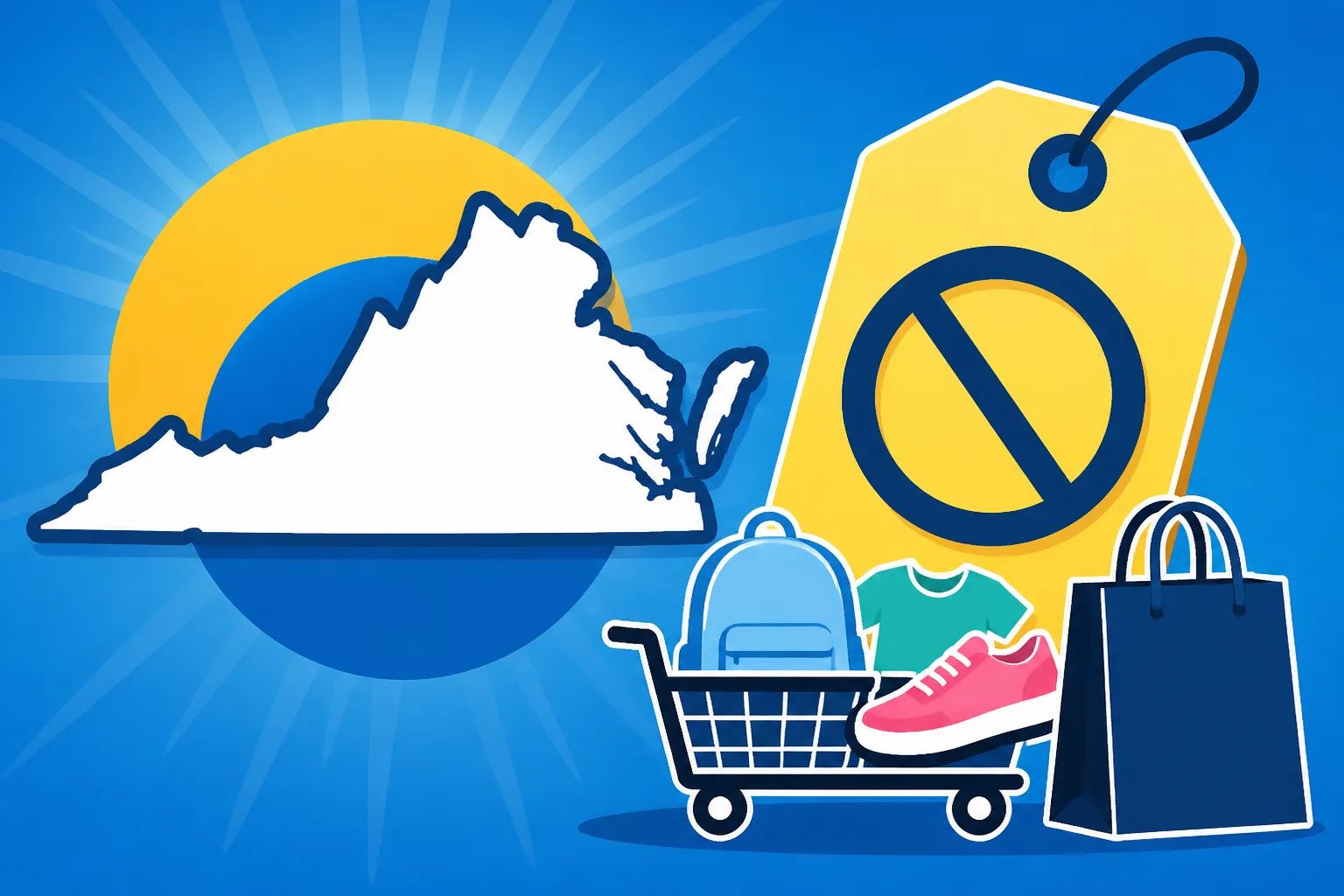
Let's get straight to the point: As of right now, there are no scheduled dates for a Virginia Sales Tax Holiday in 2026. The legislation that authorized the annual sales tax holiday in Virginia has expired and has not been renewed by the General Assembly. This means that, unlike previous years, consumers in Virginia should not expect a designated tax-free weekend for back-to-school items, hurricane preparedness supplies, or energy-efficient products in 2026.
This can be incredibly disappointing for many families who relied on those savings. It feels like a tradition has been abruptly ended, leaving shoppers to absorb the full sales tax on purchases they'd typically made tax-free. It's a stark reminder that tax laws are always subject to change, and what was once a dependable event can simply cease to exist if not actively maintained by legislators. While it's always possible that future legislative sessions could reintroduce such a holiday, there are no current plans or provisions for it in 2026. This means you'll need to factor in the full cost of sales tax when planning your purchases, whether you're in Roanoke or Arlington. For those curious about the current rates, you can explore the topic of Sales Tax Rates by State 2026: All 50 States to understand the general landscape.
What Would Be Tax-Exempt During a Virginia Sales Tax Holiday? (Based on Previous Years)
Even though the Virginia Sales Tax Holiday isn't currently happening, it's incredibly helpful to understand what was included. This historical context can inform future advocacy efforts, help you understand what other states offer (if you travel or shop online across state lines), and give you a benchmark should Virginia ever decide to reinstate the program. Before its expiration, Virginia's tax-free weekend was quite comprehensive, bundling three separate exemptions into one event.
School Supplies and Clothing
This was arguably the most popular component of the sales tax holiday, perfectly timed for families getting ready for the new academic year.
- Qualifying Items: This category typically included a broad range of school supplies, such as pens, pencils, notebooks, binders, folders, crayons, glue, rulers, and even calculators. For clothing and footwear, almost any apparel item intended for general wear qualified. This was a fantastic opportunity to stock up on everything from new jeans and shirts to athletic shoes and socks, especially for growing kids.
- Price Limits: There were specific per-item price thresholds that buyers needed to be aware of. For school supplies, individual items had to be priced at $20 or less. For clothing and footwear, the limit was typically $100 or less per item. This meant you could buy multiple $90 shirts or $99 shoes and still get the tax exemption, but a single jacket costing $120 would not qualify. These limits were put in place to ensure the holiday primarily benefited everyday consumers and not high-end luxury purchases. For a more general overview of what typically qualifies, you might find our Tax-Free Weekend Back-to-School Guide 2026 helpful, although remember Virginia is not currently participating.
Hurricane Preparedness Items
Given Virginia's susceptibility to hurricanes and other severe weather events, this exemption was a crucial part of the holiday, encouraging residents to prepare for emergencies without the added tax burden.
- Qualifying Items: This category was quite comprehensive, covering a wide array of items essential for emergency kits. Think batteries (AA, AAA, C, D, 6V, 9V), flashlights, lanterns, cell phone chargers, two-way radios, first-aid kits, tarps, duct tape, bungee cords, coolers, manual can openers, and even non-electric food storage containers. The idea was to make it easier for people to assemble a robust emergency kit.
- Price Limits: Most individual hurricane preparedness items had to be priced at $60 or less. However, there was a notable exception for portable generators, which qualified for the exemption if they were priced at $1,000 or less. This recognized the significant investment a generator represents and its critical role during power outages. It was a thoughtful inclusion aimed at helping residents secure essential power backups.
Energy Star and WaterSense Products
This part of the holiday aimed to encourage environmentally conscious purchases by making energy- and water-efficient products more affordable.
- Qualifying Items: This exemption applied to certain Energy Star-labeled appliances and WaterSense-labeled products. This included a range of white goods like washing machines, dishwashers, refrigerators, freezers, and air conditioners, as long as they met the Energy Star standards. For WaterSense products, items like high-efficiency toilets, showerheads, and faucets were typically included.
- Price Limits: The price limit for Energy Star and WaterSense products was generally $2,500 or less per item. This higher limit acknowledged that these appliances represent a more significant investment for consumers, and the tax savings could be a real motivator for upgrading to more efficient models, leading to long-term utility bill savings as well.
Here’s a quick summary of what was included during Virginia's previous sales tax holidays:
| Category | Example Items | Old Price Limit (Per Item) |
|---|---|---|
| School Supplies | Pens, pencils, notebooks, binders, crayons, glue, rulers, calculators | $20 or less |
| Clothing & Footwear | Shirts, pants, dresses, socks, shoes, boots, jackets (for general wear) | $100 or less |
| Hurricane Preparedness | Batteries, flashlights, radios, first-aid kits, tarps, bungee cords, manual can openers, coolers | $60 or less |
| Portable Generators | Portable generators for emergency power | $1,000 or less |
| Energy Star Products | Washing machines, refrigerators, dishwashers, freezers, air conditioners (with Energy Star label) | $2,500 or less |
| WaterSense Products | High-efficiency toilets, showerheads, faucets (with WaterSense label) | $2,500 or less |
Why Virginia's Sales Tax Holiday Ended and What This Means for Shoppers
The discontinuation of Virginia's sales tax holiday is a significant shift, and understanding the reasons behind it can help put the current situation into perspective. It wasn't necessarily a sudden decision but rather the natural culmination of legislative processes.
The Legislative Decision and Its Impact
As mentioned earlier, the Virginia Sales Tax Holiday was not a permanent fixture of the state's tax code. It was established with a "sunset clause," which is a provision in a statute that states the law shall cease to have effect after a specific date. This is a common legislative tool used to create temporary programs or to ensure that laws are reviewed and re-evaluated periodically. In this case, the sunset date for Virginia's sales tax holiday was June 30, 2023.
For the holiday to continue, the Virginia General Assembly would have needed to pass new legislation to extend or re-enact it. Despite discussions and various legislative proposals, a consensus was not reached to renew the holiday before its expiration. The reasons for not re-enacting it can be complex, often involving budgetary considerations, differing views on the effectiveness of such holidays, and the priority given to other legislative initiatives.
The impact on Virginia families and businesses is tangible. For families, it means every back-to-school purchase, every battery for a flashlight, and every energy-efficient appliance now includes the full sales tax. This can add up, especially for larger families or those on tight budgets, making it harder to absorb these necessary expenses. Businesses, particularly those in retail, might also feel an impact as the tax holiday often served as a significant driver of consumer traffic and sales during that weekend. While it's true that some might argue that the holiday simply shifts purchases rather than creating new ones, the concentrated buying period certainly provided a noticeable surge.
Alternatives for Saving on Sales Tax in Virginia
With the sales tax holiday no longer in effect, Virginians need to adapt their shopping strategies. While you won't get a blanket exemption on qualifying items, there are still ways to be a savvy shopper and mitigate sales tax impact.
- Budgeting and Planning: This becomes even more critical. Instead of relying on a tax-free weekend, plan your purchases around retailer-specific sales, clearance events, and seasonal discounts. Many stores offer their own "back-to-school" sales that can often outpace the savings of a tax holiday on specific items, even with sales tax applied.
- Coupons and Rebates: Don't underestimate the power of coupons, loyalty programs, and manufacturer rebates. These can reduce the purchase price before sales tax is calculated, effectively lowering the overall amount you pay.
- Comparative Shopping: Use online tools and comparison apps to ensure you're getting the best price possible. While sales tax rates are fairly uniform across Virginia (excluding district taxes in some areas), shopping across different retailers might yield better pre-tax prices. For those looking into broader tax landscapes, understanding How Combined Sales Tax Rates Work can be beneficial.
- Understand Other Exemptions: It's important to remember that the sales tax holiday was just one type of exemption. Other, year-round exemptions still apply. For example, certain food items, prescription medications, and some services are generally exempt from sales tax in Virginia. Knowing What Items Are Exempt From Sales Tax? in general can still provide savings. If you're buying for an organization, you might be interested in Nonprofit & Government Sales Tax Exemptions.
- Consider Use Tax: If you purchase goods from an out-of-state vendor that doesn't collect Virginia sales tax (though with economic nexus laws, this is increasingly rare for larger retailers), you might owe Virginia's "use tax." This is essentially sales tax on purchases where the seller didn't collect it. For more details, you can read about Use Tax Explained: What It Is & When You Owe It.
Navigating Sales Tax in Virginia Moving Forward
The landscape of sales tax is always shifting, and Virginia is no exception. While the sales tax holiday is gone for now, staying informed and understanding your obligations is key.
Staying Informed About Potential Re-Enactment
Despite the expiration of the sales tax holiday, it's not impossible for it to return in the future. Legislative priorities can change, and public demand often plays a role in what lawmakers decide to pursue. If the Virginia General Assembly decides to consider re-enacting the holiday, they would need to introduce and pass new legislation.
To stay informed, it's a good idea to:
- Monitor the Virginia Department of Taxation (Virginia Tax): Their official website is the primary source for current tax laws and any updates regarding sales tax holidays or other exemptions.
- Follow Legislative News: Keep an eye on news outlets that cover Virginia state politics, especially during legislative sessions. They often report on tax-related bills and proposals.
- Engage with Your Representatives: If a sales tax holiday is important to you, consider contacting your state delegates and senators to express your views. Citizen engagement can sometimes influence legislative outcomes.
Remember, any re-enactment would likely come with new dates, and potentially updated qualifying items and price limits, so always check the most current information directly from official sources. This kind of dynamic environment is exactly why businesses often rely on sophisticated solutions, which some companies like Avalara offer, to help them track and implement sales tax changes accurately.
The Broader Landscape of Sales Tax Exemptions
Even without a dedicated sales tax holiday, Virginia's tax code still includes various exemptions that can benefit consumers and businesses year-round. It’s not just about what was tax-free during a specific weekend, but what is always tax-free or subject to special rules.
For instance, certain types of food products, specifically most unprepared groceries, are subject to a reduced state sales tax rate of 1%, rather than the full 4.3% state rate. This is a significant ongoing saving for every household. Additionally, prescription medicines and certain medical devices are entirely exempt. Educational textbooks and materials for schools, as well as items purchased by certain nonprofit organizations or government entities, also qualify for exemptions.
Understanding these ongoing exemptions can help you plan your purchases throughout the year. For example, if you're buying food, knowing the difference between Prepared Food Sales Tax Explained and groceries can save you money. Similarly, businesses that make purchases for resale purposes can utilize Resale Certificate by State: Complete Guide to avoid paying sales tax on inventory. These exemptions, while not as broad or widely publicized as a sales tax holiday, provide consistent relief for specific categories of goods and services. Always be aware of the specific rules and documentation required for any exemption you claim. If you want to dive deeper into how sales tax is calculated on a purchase, our guide on How to Calculate Sales Tax (Step by Step) is a great resource.
Disclaimer
Please note that sales tax laws are subject to change by legislative action and interpretation by state tax authorities. The information provided in this guide is for general informational purposes only and does not constitute tax advice. Always consult with a qualified tax professional or refer to the official Virginia Department of Taxation website for the most current and accurate information regarding Virginia sales tax laws and exemptions.