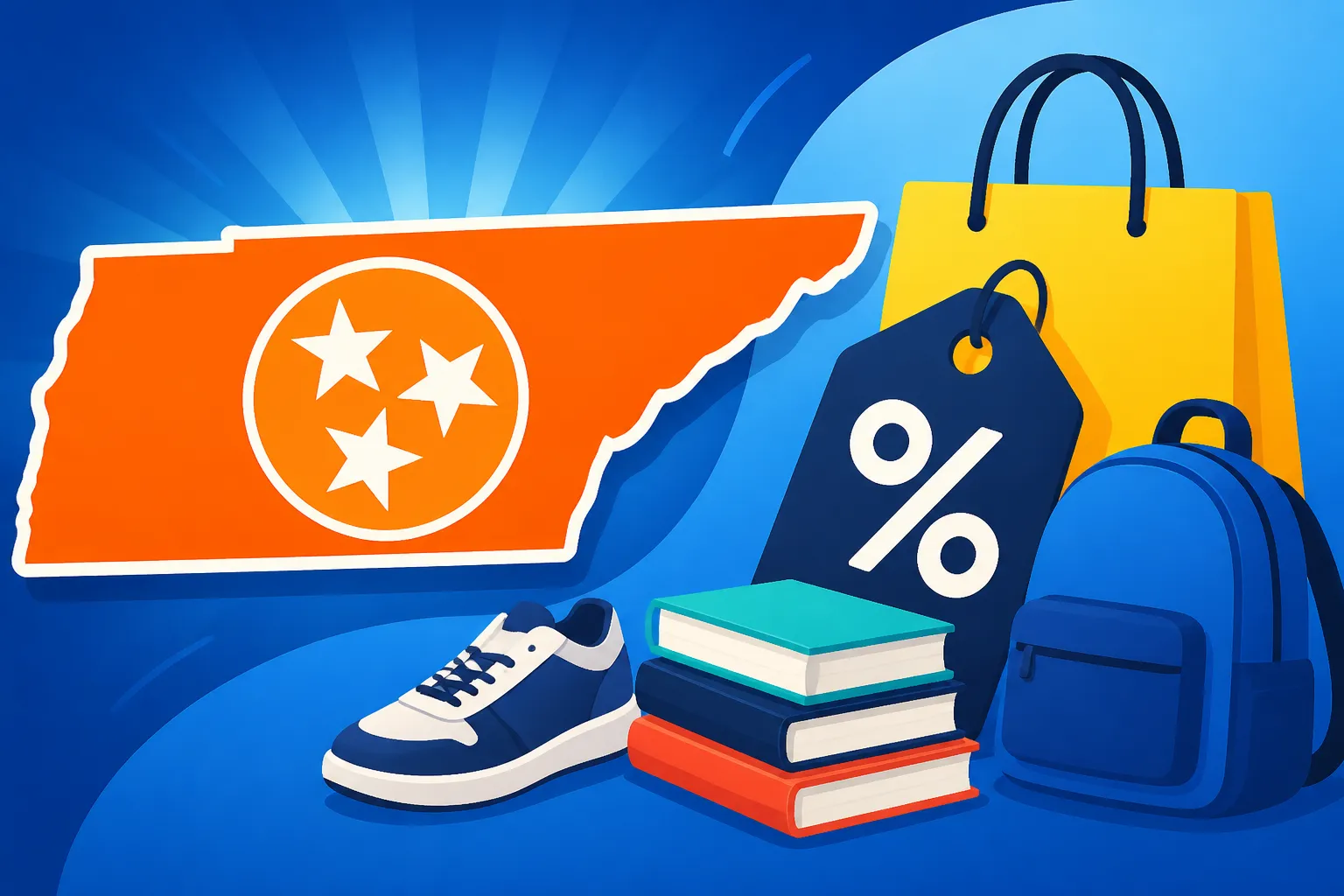
Tennessee Tax-Free Weekend 2026 Dates
Trying to keep track of all the different sales tax rules across states can feel like a full-time job, especially when you're just trying to get your kids ready for school or stock up on essentials. It's easy to get confused about which items are exempt and when, and nobody wants to get to the checkout only to realize their "tax-free" item actually has tax applied. This comprehensive guide is here to clear up all the confusion around the Tennessee Tax-Free Weekend, detailing exactly when it happens, what you can buy without sales tax, and how to make the most of this savings opportunity.
Understanding Tennessee's Tax-Free Weekend Tradition
Tennessee's annual sales tax holiday is a much-anticipated event for families and shoppers alike. It's a thoughtful initiative by the state to ease the financial burden on residents, particularly those preparing for the school year.
A Brief History and Purpose
These tax holidays aren't just random acts of generosity; they're strategically designed economic boosters. The idea is to stimulate retail sales by offering temporary sales tax exemptions on specific categories of goods, typically clothing, school supplies, and certain electronics. For many years, Tennessee has participated in these events, understanding that even a few percentage points of savings can make a real difference when you're buying multiple outfits, notebooks, and maybe even a new laptop for a student. It's a win-win: consumers save money, and local businesses see an uptick in traffic and sales during what might otherwise be a slower period. It’s part of a broader trend you can learn more about in our guide to Sales Tax Holidays by State 2026: Full Calendar.
Key Dates for 2026
Mark your calendars! The primary sales tax holiday in Tennessee for 2026, which focuses on back-to-school items, is scheduled for Friday, July 24, through Sunday, July 26, 2026. That gives you a full three days to snag deals without paying state and local sales tax on eligible purchases. While some states might have multiple tax holidays throughout the year for different categories, Tennessee's most prominent and widely recognized event is this summer weekend.
Why Tennessee Does It
Beyond the immediate financial relief for families, these weekends serve several purposes. First, they encourage consumer spending, which in turn benefits the state's economy. When people spend more, businesses thrive, and that often leads to more jobs and a stronger tax base overall (even if sales tax isn't collected on specific items for a short period). Second, it's a direct way to support education. By making essential school items more affordable, the state helps ensure that students have the tools they need to succeed, regardless of their family's income level. It’s a popular program, and for good reason—who doesn't love saving money, especially on necessary items? You can compare this approach to other state initiatives by reading our Tax-Free Weekend Back-to-School Guide 2026.
What You Can and Can't Buy Tax-Free
Understanding the eligible items and their price caps is crucial for maximizing your savings during Tennessee's tax-free weekend. It’s not a free-for-all; specific rules apply to ensure the benefits are directed towards intended necessities.
Eligible Apparel and Footwear
During the sales tax holiday, most clothing and footwear with a sales price of $100 or less per item are exempt from state and local sales tax. This means if you buy a shirt for $95, it’s tax-free. If you buy a pair of jeans for $105, it is not tax-free, and you’ll pay tax on the full amount.
Think about everyday schoolwear: shirts, pants, skirts, dresses, socks, underwear, and most shoes (like sneakers or casual boots). Items that typically don't qualify include accessories such as jewelry, handbags, watches, and specialty sports equipment like cleated shoes or rollerblades. Protective equipment like helmets and kneepads also generally don’t qualify. Remember, the key is the "per item" price cap. So, if you're buying two shirts, each under $100, both are exempt. If one shirt is $110, that one shirt won't be exempt, even if your total purchase is under $200. We cover more about what counts as clothing and what doesn't in our article Is Clothing Taxable? Sales Tax on Apparel by State.
School Supplies and Art Supplies
This category is a lifesaver for parents and students. School supplies and art supplies with a sales price of $100 or less per item are also exempt. This covers a broad range of necessities:
- Traditional School Supplies: Pens, pencils, notebooks, binders, paper, crayons, markers, rulers, glue, scissors, erasers, calculators, book bags, lunch boxes, and even textbooks (if purchased for personal use).
- Art Supplies: Paint, paintbrushes, sketchpads, clay, watercolors, and similar creative materials.
It's important to note the "per item" rule here too. A fancy art kit might exceed the $100 limit, making it taxable. However, individual tubes of paint or a pack of premium pencils usually fall well within the limit. So, if you're buying a stack of notebooks at $5 each, they're all exempt, but if you splurge on a high-end graphic design tablet for art class, that's likely over the limit. You can generally find more specifics on What Qualifies for Tax-Free Weekend?.
Computers and Electronics
This is where the bigger savings can often be found. Computers, laptops, and tablets with a sales price of $1,500 or less per item are exempt. This is fantastic news for students needing new tech for their studies.
- Eligible Devices: Desktop computers, laptops, tablet computers (like iPads or Surfaces), and even e-readers (if they function primarily as computers). Components sold with the computer, like a mouse, keyboard, or monitor, if included in the $1,500 bundled price, are also tax-exempt.
- Ineligible Electronics: Cell phones (even smartphones), video game consoles, digital cameras, printers, software (sold separately), and any computer peripherals not sold as part of a computer system do not qualify for the exemption. Also, services related to computers, such as repair or warranty plans, remain taxable.
When looking at devices, it's about the core functionality. A tablet used primarily for schoolwork is in, but a gaming console designed for entertainment is out.
Items That Don't Qualify
To avoid disappointment at the checkout, it's equally important to know what remains taxable. Even during the sales tax holiday, you will still pay the standard Tennessee sales tax rate (which is 7% state tax, plus local taxes that vary by county and city, often bringing the total to around 9.25%) on items like:
- Adult Apparel & Accessories: Clothing priced over $100 per item, jewelry, handbags, luggage, watches, and other similar accessories.
- Specialty Sports Equipment: Athletic or recreational uniforms and equipment, including cleats, ski boots, wetsuits, and protective gear (though regular sneakers often qualify under footwear).
- Electronics & Software: Cell phones, televisions, video game consoles, standalone printers, software, and external storage devices not bundled with an eligible computer.
- Cosmetics & Toiletries: Makeup, perfume, shampoo, soap, and other personal hygiene products.
- Household Items: Furniture, appliances, tools, and general home decor.
- Prepared Food & Groceries: While some states have separate exemptions or reduced rates for food, Tennessee's tax holiday does not apply to groceries or prepared food items. You can dive deeper into this topic by exploring Sales Tax on Groceries & Food by State.
- Services: Any services, including alterations, repairs, or extended warranties, are still taxable.
Essentially, the holiday is geared towards direct educational needs and basic clothing, not general consumption or luxury goods. Always double-check the specifics before you shop!
| Category | Price Limit (Per Item) | Examples of Eligible Items | Examples of Ineligible Items (Still Taxable) |
|---|---|---|---|
| Apparel & Footwear | $100 | Shirts, pants, dresses, socks, shoes, underwear | Jewelry, watches, handbags, ski boots, clothes over $100 |
| School Supplies | $100 | Pens, pencils, notebooks, binders, crayons, calculators | Staples, paper clips (if used in business), items over $100 |
| Computers | $1,500 | Laptops, desktops, tablets, e-readers (basic) | Cell phones, game consoles, printers, software, items over $1500 |
Navigating the Rules for Online and In-Store Purchases
The Tennessee sales tax holiday isn't just for brick-and-mortar stores; it also extends to online purchases, which is incredibly convenient for shoppers. However, there are a few nuances to be aware of.
Online Shopping During the Holiday
Good news for those who prefer to shop from their couch: online purchases of eligible items are also tax-free during the designated weekend. As long as the order is placed and paid for within the tax-free window (July 24-26, 2026), you won't be charged sales tax on qualifying items, even if they ship later.
A critical point here is shipping. If the shipping and handling charges are mandatory and not separately stated on your invoice, they are generally considered part of the item's price and count towards the price cap. However, if shipping is optional and separately stated, or if it's based on a percentage of the total order, it might still be taxable in some scenarios. Most reputable online retailers, or e-commerce platforms like Shopify, are usually configured to automatically apply the exemption during the holiday period for Tennessee residents. Always double-check your cart before checkout to confirm the tax has been removed. You can learn more about this in our article Does Online Shopping Count for Tax-Free Weekend?.
Layaways, Rain Checks, and Exchanges
These common shopping scenarios can sometimes complicate sales tax holidays:
- Layaways: If you put an item on layaway before the tax holiday, but make the final payment and take possession of the item during the tax holiday, it generally qualifies for the exemption, provided it's an eligible item and meets the price cap. Conversely, if you put an item on layaway during the holiday but pay for it afterward, it will be subject to tax.
- Rain Checks: If you receive a rain check for an item during the tax holiday, but the item is out of stock and you purchase it after the holiday, it generally will not be tax-exempt. The purchase transaction must occur within the designated tax-free period.
- Exchanges: If you buy an item during the tax holiday and later exchange it for the same item (e.g., a different size or color) after the holiday, the exchange is generally treated as a non-taxable transaction. However, if you exchange it for a different item, even if it's eligible, you might be charged tax if the exchange occurs outside the tax-free period. It often depends on whether the original sales price is applied to the new item.
These situations highlight the importance of understanding the precise timing of the transaction. For businesses, managing these scenarios correctly is part of staying compliant, and tools from companies like Avalara can help automate these complex tax rules.
Special Considerations for Businesses and Sellers
For retailers, the Tennessee Tax-Free Weekend involves specific logistical and accounting adjustments. They must ensure their point-of-sale systems are correctly programmed to exempt qualifying items and capture accurate sales data for reporting.
Retailers need to be clear with customers about what is and isn't tax-exempt, especially concerning price limits. Training staff to handle questions about eligibility is paramount. While the state tries to make these holidays straightforward, the varying price caps and item categories can still create confusion, and businesses bear the primary responsibility for applying the rules correctly. Many businesses use sales tax automation software to seamlessly adjust to these temporary rate changes, ensuring they don't accidentally charge tax when they shouldn't, or miss collecting it when they should.
Maximizing Your Savings and Avoiding Pitfalls
The Tennessee Tax-Free Weekend is a prime opportunity to save, but a little planning can go a long way in making sure you get the most out of it and don't encounter any frustrating surprises.
Tips for Smart Shopping
Strategic planning is key to optimizing your tax-free savings. Don't just show up and hope for the best!
- Make a List: Before the weekend, go through your family's needs for school. What clothing items are essential? What school supplies are on the teacher's list? What computer upgrades are genuinely needed? Having a detailed list will keep you focused and prevent impulse buys of non-eligible items.
- Check Price Caps: Pay close attention to the price limits for each category ($100 for clothing/school supplies, $1,500 for computers). If an item is just slightly over the limit, it's worth considering if a similar, slightly cheaper alternative exists that would qualify for the exemption. Even a few dollars difference can save you the full sales tax percentage.
- Compare Prices: Just because an item is tax-free doesn't mean it's the best deal. Many retailers offer their own sales and discounts during this period to attract shoppers. Compare prices across different stores, both online and physical, to ensure you're getting the best overall value. Sometimes, a deeply discounted item with tax might be cheaper than a tax-free item at its full price.
- Shop Early or Late: The stores can get incredibly crowded, especially on Saturday. If you want to avoid the rush, consider shopping on Friday morning or Sunday evening. Many online stores will also honor the tax exemption, offering a less stressful shopping experience.
- Consider "Stocking Up": If there are non-perishable school supplies or basic clothing items you know your family will need throughout the year, this is a great time to stock up, provided you stay within the per-item price caps.
Remember, the goal is to save on items you genuinely need. Knowing the average Tennessee Sales Tax Rate (7% + Local) can help you quickly estimate your savings. For example, on a $100 eligible item, you might save over $9, depending on your local sales tax. Over several items, this adds up quickly. Our Sales Tax Calculator: How to Calculate Sales Tax can help you visualize these savings.
Common Mistakes to Avoid
Even with the best intentions, shoppers can sometimes make mistakes during tax-free weekends. Learning from these can save you headaches:
- Ignoring Price Limits: This is probably the most common pitfall. Accidentally picking up a shirt for $105 thinking it's tax-free, only to be charged tax at checkout, can be frustrating. Always keep those caps in mind.
- Assuming Everything is Tax-Free: The holiday is specific to certain categories. Don't assume that household goods, electronics like phones, or even special sporting equipment will be exempt. Check the eligible item list before you buy.
- Not Factoring in Shipping: As mentioned, shipping charges can sometimes affect the tax status of an online purchase. Be mindful of how shipping costs are handled by the retailer, especially if they push the item's total cost over a price cap.
- Buying Ineligible "Bundles": While a computer bundle might include a mouse and keyboard as part of the tax-free $1,500 limit, a bundle of unrelated items (e.g., a backpack with a water bottle and some snacks) will likely see the non-eligible items taxed, even if sold together.
- Waiting Until the Last Minute: While online shopping can alleviate some stress, technical glitches or slow delivery during peak times can happen. If you need something urgently, plan accordingly.
By being diligent and informed, you can avoid these common traps and enjoy a genuinely stress-free shopping experience.
How Retailers Prepare and What It Means for You
Retailers, from large chains to small local boutiques, put a lot of effort into preparing for the Tennessee Tax-Free Weekend. They staff up, stock shelves, and often run additional promotions to draw in shoppers. This can sometimes lead to even bigger savings than just the tax exemption alone.
- Increased Inventory: Stores anticipate higher demand for qualifying items like school uniforms, backpacks, and laptops. They often stock up specifically for this weekend.
- Special Deals: Look out for "back-to-school" sales that coincide with the tax holiday. Combining store discounts with the tax exemption can lead to significant savings. For instance, a clothing store might offer 20% off all apparel, plus you save the sales tax on items under $100.
- Dedicated Sections: Many stores will create special displays or sections highlighting tax-exempt items to make shopping easier. This can be a great visual cue to ensure you're picking up eligible products.
For businesses, especially those operating across multiple states, managing these specific tax holidays can be quite complex. Companies like Avalara are invaluable resources, offering solutions that automatically calculate and apply the correct sales tax (or exemption) based on jurisdiction, item type, and date, ensuring that businesses stay compliant and consumers get their deserved savings without any hiccups.
Disclaimer
The information provided in this guide is for general informational purposes only and does not constitute professional tax advice. Sales tax laws and regulations are subject to change, and their application can vary widely based on specific circumstances. We recommend consulting with a qualified tax professional for advice tailored to your individual or business needs.