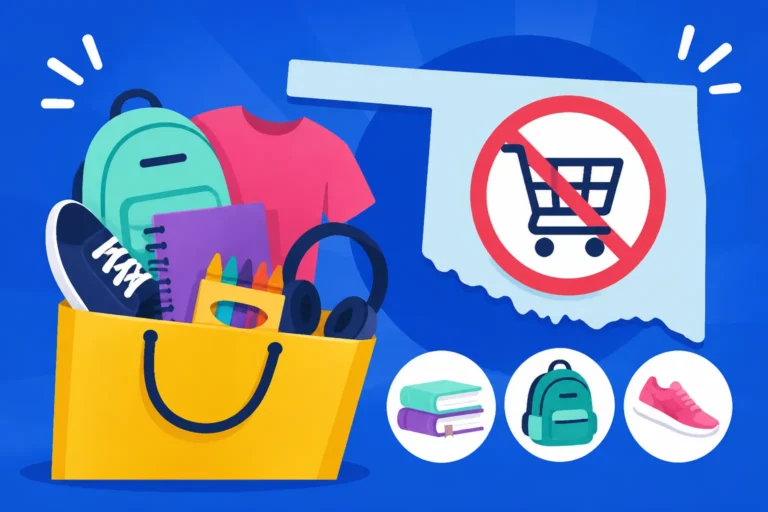
Oklahoma Tax-Free Weekend 2026 (Aug 7-9)
The sheer complexity of sales tax can feel overwhelming, especially when you're trying to stretch your budget for essential purchases like back-to-school supplies or new clothes. Knowing exactly when and how you can save a little can make a huge difference. This guide is designed to walk you through everything you need to know about Oklahoma's Tax-Free Weekend in 2026, helping you plan your shopping strategically and keep more money in your pocket.
Understanding Oklahoma's Annual Sales Tax Holiday
Year after year, families across Oklahoma brace themselves for the expense of getting ready for a new school year. Textbooks, notebooks, new outfits, and sturdy shoes – it all adds up faster than you can say "school bus." That's why the state's annual Sales Tax Holiday is such a welcome relief, offering a brief but impactful window to purchase specific items without paying state and local sales tax. It's a fantastic opportunity that savvy shoppers look forward to, easing the financial burden just a little.
What Is the Oklahoma Tax-Free Weekend?
The Oklahoma Tax-Free Weekend is a designated period when certain purchases are exempt from state, county, and city sales taxes. This means that for a limited time, you can buy eligible items and skip paying that extra percentage that usually gets tacked onto your total. Think of it as a small holiday from sales tax specifically designed to help families prepare for school without feeling the full pinch of retail prices. It's not just the state sales tax that's waived; any local sales taxes that would normally apply in your city or county are also set aside for qualifying purchases. This comprehensive exemption truly maximizes your savings potential, making a real impact on your shopping bill.
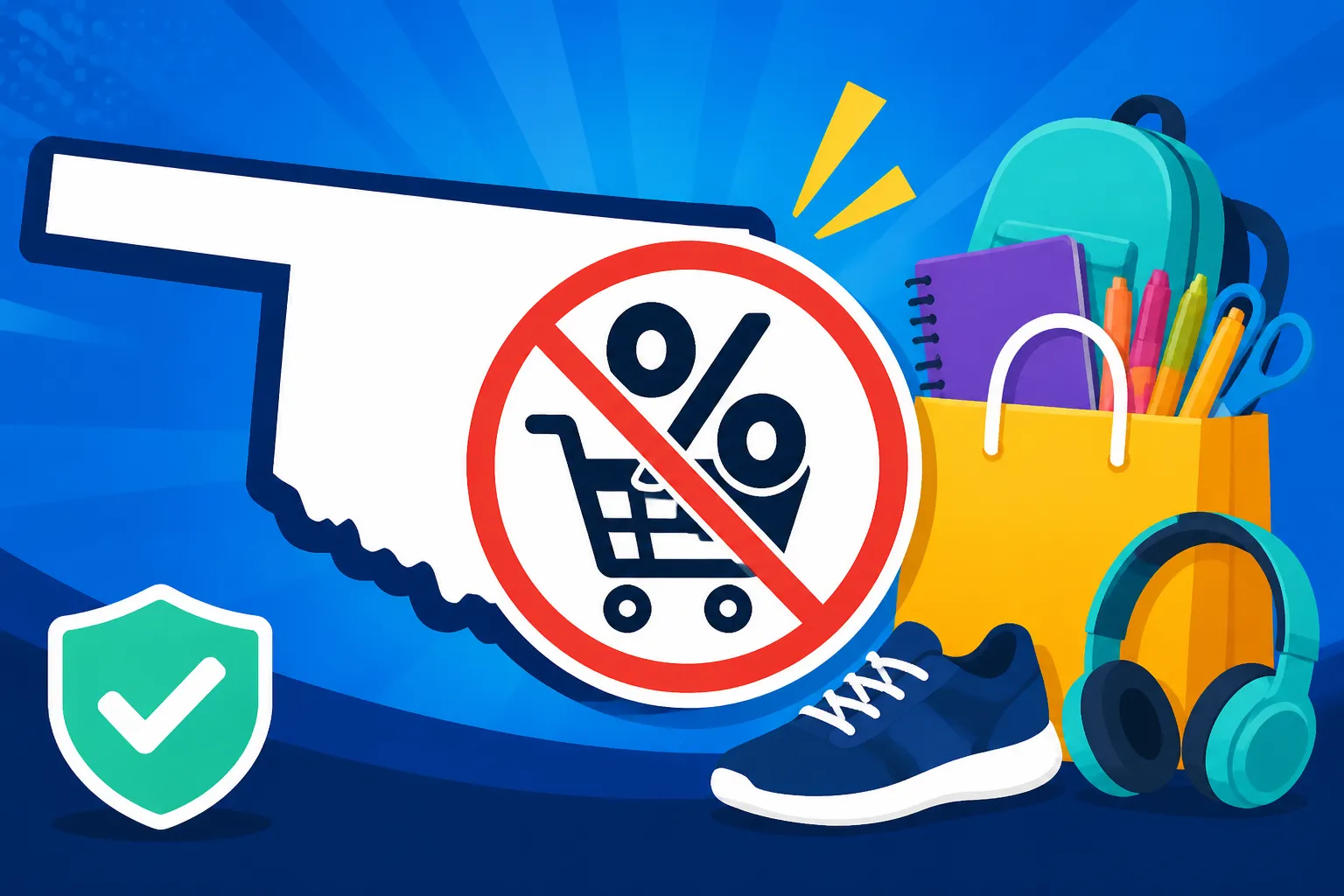
Historically, Oklahoma's sales tax holiday has consistently fallen on the first full weekend of August. For 2026, the Oklahoma Tax-Free Weekend is scheduled for Friday, August 7th, through Sunday, August 9th. This three-day window gives shoppers ample time to hit the stores, whether they prefer to shop on Friday to beat the crowds, or take their time over the weekend. It's crucial to remember these specific dates, as any purchases made outside of this period will be subject to the standard sales tax rates.
The Purpose Behind Sales Tax Holidays
While it might seem like a simple gesture to help consumers, sales tax holidays serve multiple purposes. For individuals and families, it's a direct financial break. Imagine buying a few hundred dollars worth of school uniforms and knowing you're saving, say, 8.5% on that total because the sales tax isn't applied. That's money that can go towards other necessities, extracurricular activities, or simply stay in your bank account. The average combined sales tax rate in Oklahoma hovers around 4.5% state plus varying local rates, often pushing totals to 8.5% or higher in some areas, so the savings can be substantial.
Beyond personal savings, these holidays also aim to stimulate the local economy. By incentivizing purchases during a specific window, states hope to encourage more retail activity, driving traffic to local businesses and boosting sales. This can be particularly beneficial for small businesses that rely on seasonal shopping spikes. It’s a win-win: consumers save money, and businesses see an uptick in sales. States across the country offer similar initiatives; you can find more details in a comprehensive guide like Sales Tax Holidays by State 2026: Full Calendar to see how Oklahoma compares.
What Items Are Covered in Oklahoma's Tax-Free Weekend?
Knowing when the tax-free weekend is happening is only half the battle; the other, equally important half is knowing what you can actually buy tax-free. Oklahoma's sales tax holiday specifically targets items commonly associated with back-to-school preparations. However, there are crucial price limits and specific definitions you need to understand to ensure your purchases qualify for the exemption. It’s not a free-for-all on everything in the store, so a bit of planning goes a long way.
Eligible Clothing and Footwear
The primary categories for the Oklahoma Tax-Free Weekend are clothing and footwear. This covers a wide array of items you'd typically wear on your person, provided they meet the specific criteria. For 2026, any article of clothing or footwear that has a sales price of less than $100 per item is exempt from sales tax. This means if you pick up a pair of sneakers for $95, you won't pay tax. But if those designer jeans are $105, the entire purchase of those jeans will be subject to tax, not just the amount over $100.
Let's break down what "clothing" generally includes. This usually means shirts, pants, skirts, dresses, jackets, underwear, socks, and other similar items suitable for everyday wear. Footwear includes shoes, boots, sandals, and even athletic shoes. The key here is the "per item" price limit. If you buy five shirts, each costing $20, all five would be tax-free because each individual item is under the $100 threshold. However, if you bought a winter coat for $120, that single item would not qualify, even if your total clothing purchase for the day was relatively low. This is a common point of confusion for shoppers, so always double-check the individual price of each garment. Understanding how this works can help you make the most of savings, especially if you're trying to furnish a whole new wardrobe. You can learn more about general rules in guides like Is Clothing Taxable? Sales Tax on Apparel by State.
School Supplies and Related Items
While clothing and footwear are the headliners, many states also include school supplies, and Oklahoma is no exception. However, it's important to note that Oklahoma's tax holiday primarily focuses on clothing and footwear, without a specific separate category for general school supplies. This distinguishes it from many other states that explicitly list things like pencils, notebooks, and binders. This is a crucial detail, as shoppers coming from states like Texas or Florida, which have broader school supply exemptions, might assume otherwise.
So, what does this mean for school supplies in Oklahoma? Unless an item is defined as "clothing" or "footwear" and falls under the $100 per item limit, it generally will not be tax-free during Oklahoma's holiday. This means items like pens, pencils, notebooks, backpacks, calculators, and art supplies will likely still be subject to sales tax. It's a common frustration for parents trying to buy everything on their back-to-school list. Always check the official Oklahoma Tax Commission guidelines each year to be absolutely certain, as rules can sometimes see minor tweaks. It's a good habit for any business handling sales tax to have a reliable system, possibly even using a service like Avalara, to ensure proper taxation on all items, not just during holidays.
Navigating Exclusions: What You Can't Buy Tax-Free
While the allure of tax-free shopping is strong, it’s equally important to understand what items are not included in Oklahoma’s Sales Tax Holiday. Misconceptions here can lead to unexpected charges at the register, turning a planned saving into a mild disappointment. The rules are pretty specific, and sometimes what seems like an obvious "clothing" item might actually be excluded due to its nature or purpose.
Specific Clothing and Accessory Exclusions
Even within the broad category of "clothing," certain items are specifically excluded from the tax exemption, regardless of their price. These typically include:
- Accessories: Items like jewelry, handbags, luggage, watches, wallets, and similar accessories are generally taxable. Even if they complement an outfit, they aren't considered core "clothing."
- Sporting Goods and Protective Equipment: Gear specifically designed for sports or recreational activity, such as football pads, ski boots, wetsuits, helmets, or specialized uniforms (e.g., baseball uniforms without a general use component), is usually taxable. This also applies to things like shin guards or specialized cycling shorts. The distinction often comes down to whether the item has a general, everyday utility or if its primary purpose is for a specific sport or protective function.
- Costumes: While a Halloween costume might be a garment, it’s typically excluded because its primary purpose isn't everyday wear.
- Rentals: Clothing or footwear that is rented, such as a tuxedo for a prom or a costume for a play, does not qualify for the exemption. The sales tax holiday applies only to purchases where you take ownership of the item.
It's wise to review the Oklahoma Tax Commission's official list of exempted and non-exempted items before you head out. Don't assume that just because you wear it, it's tax-free. These nuanced rules are why businesses often rely on sophisticated tax engines to manage their sales tax obligations, ensuring they don't overcharge or undercharge customers.
Items Exceeding the Price Limit
As mentioned, the $100 per item limit for clothing and footwear is critical. This isn't a cumulative limit for your entire shopping trip; it applies to each individual item.
Let's imagine you're shopping for your teenager:
- A pair of jeans costing $85: Tax-free.
- A graphic tee costing $30: Tax-free.
- A fancy prom dress costing $150: Not tax-free. The entire $150 for the dress would be taxable.
This specific limit often catches shoppers off guard. People often mistakenly believe if their total shopping cart is under a certain amount, everything is exempt. That’s not the case here. It's a "per item" rule. If you're on the fence about a more expensive item, it's always best to ask a store associate to confirm its tax status during the holiday. This is also where a tool like a Sales Tax Calculator: How to Calculate Sales Tax might come in handy for quick estimates before you get to the register, though for tax-free items, it's more about knowing what won't have tax.
Making the Most of the Oklahoma Tax-Free Weekend
To truly maximize your savings during the Oklahoma Tax-Free Weekend, a little bit of strategic planning and savvy shopping can go a long way. This isn't just about showing up at the mall; it's about understanding the nuances of the holiday and how retailers typically operate during this busy period.
Tips for Smart Shopping
The Oklahoma Tax-Free Weekend can attract significant crowds, so having a game plan is essential:
- Make a List (and Check it Twice!): Before you even leave the house, sit down and make a detailed list of all the eligible clothing and footwear items you need. Prioritize what's most essential. This prevents impulse buys of non-eligible items and helps you stick to your budget.
- Know the Rules Inside Out: Re-familiarize yourself with the $100 per item limit and the exclusions. If you’re unsure, check the Oklahoma Tax Commission’s website for the most current guidelines. Don’t hesitate to ask store employees if an item qualifies.
- Compare Prices Ahead of Time: Many retailers offer sales and discounts in addition to the tax holiday. Do some research in the weeks leading up to the event to find the best base prices. A 20% off coupon on a tax-free item is a double win! You might find that some retailers even price items slightly higher, anticipating the tax-free status, so comparing prices is always a smart move.
- Shop Early or Late: To avoid the peak crowds, consider shopping right when stores open on Friday morning or later in the evening. Saturdays are almost always the busiest. An alternative is to brave the crowds on Sunday morning before the stores get too packed.
- Consider Online Shopping: Many retailers extend the tax-free status to online purchases for Oklahoma residents during the holiday weekend. This can be a fantastic way to avoid crowds and have items shipped directly to your door. Just be sure to confirm that the retailer's system correctly applies the tax exemption at checkout. For more details on this, check out Does Online Shopping Have Sales Tax?. Always confirm the retailer's policy, as some may not be set up to automatically handle the exemption. This is where robust sales tax solutions, like those offered by Avalara, really shine for businesses, ensuring accurate tax calculation whether a sale is in-store or online.
Online vs. In-Store Purchases
The great news for modern shoppers is that the tax exemption generally applies to both in-store and online purchases. This flexibility means you don't have to battle crowds if you prefer the convenience of shopping from home.
- Online Shopping: When shopping online, make sure the retailer's website recognizes your Oklahoma shipping address and applies the exemption to eligible items in your cart. Most major retailers with a presence in Oklahoma are configured to do this automatically during the tax holiday. It's always a good idea to review your cart total before finalizing the purchase to ensure the sales tax has indeed been removed. If it hasn't, you might need to contact customer service or switch to an in-store purchase.
- In-Store Shopping: For those who enjoy the physical shopping experience, in-store purchases offer the advantage of trying on clothing and seeing items firsthand. Retailers often prepare for the influx of shoppers by stocking up and having extra staff on hand, but be prepared for longer lines, especially at popular clothing and shoe stores.
Regardless of where you shop, keep your receipts! If there's any discrepancy or if sales tax was mistakenly charged on an eligible item, you'll need proof of purchase to seek a refund from the retailer.
Implications for Businesses During the Holiday
The Oklahoma Tax-Free Weekend isn't just a boon for shoppers; it's a significant event for retailers too. While it brings increased sales opportunities, it also adds a layer of complexity to their sales tax collection and reporting responsibilities. Businesses need to be well-prepared to handle the influx of customers and accurately process tax-exempt sales.
Adjusting Point-of-Sale Systems
For any business selling eligible items in Oklahoma, adjusting their Point-of-Sale (POS) systems is a critical step. This involves programming their registers or e-commerce platforms to automatically differentiate between taxable and tax-exempt items, applying the correct status based on the item type and price limit.
- Pre-Holiday System Updates: Retailers typically update their systems well in advance of the tax holiday. This ensures that on August 7th, 2026, when a customer buys a pair of jeans for $80, the system automatically removes the sales tax. This process requires careful attention to detail, as errors can lead to frustrated customers or compliance issues. For businesses with complex inventories or multiple sales channels, this can be a daunting task.
- Training Staff: Beyond system updates, staff training is paramount. Sales associates need to understand which items qualify, the per-item price limit, and how to handle customer inquiries about the exemption. Clear communication helps avoid confusion and ensures a smooth shopping experience for everyone. A well-informed staff can be the difference between a satisfied customer and a lengthy, frustrating interaction at checkout.
Many larger retailers, especially those operating across multiple states, leverage sophisticated sales tax compliance software, such as Avalara or TaxJar. These platforms can automate the process of applying correct tax rates and exemptions, including those for sales tax holidays, significantly reducing the manual burden and potential for error. This type of automation is a lifesaver for businesses navigating the ever-changing landscape of sales tax rules, which can vary wildly from state to state, as explored in articles like Sales Tax Rates by State 2026: All 50 States and Combined State + Local Sales Tax Rates Explained.
Reporting Sales Tax During the Holiday Period
After the busy weekend, businesses still have the task of accurately reporting their sales. Sales made during the tax holiday, even though no tax was collected from the customer, still need to be accounted for on the business's sales tax return.
- Differentiated Reporting: State tax agencies require businesses to report tax-exempt sales separately from taxable sales. This allows the state to track the economic impact of the holiday and ensure compliance. Businesses must maintain clear records of all transactions during the tax-free weekend, noting which sales qualified for the exemption.
- Impact on Filing Frequency: The sales tax holiday doesn't typically alter a business's regular sales tax filing frequency (e.g., monthly, quarterly, annually). However, it adds a specific reporting requirement for that period. Businesses that normally file their sales tax returns might find the process slightly more involved for periods that include a sales tax holiday. Having robust record-keeping or an automated sales tax solution is invaluable here. For instance, if you're a retailer in Oklahoma, you'll still adhere to your assigned Sales Tax Filing Frequency Explained but will have specific lines on your return for exempt sales during the holiday. This helps the state understand how much tax revenue was forgone during the period, providing valuable data for future policy decisions regarding tax holidays.
The administrative burden of sales tax compliance, even for seemingly straightforward holidays, underscores the importance of accurate systems and processes for businesses. Missing a deadline or misreporting sales can lead to penalties, so preparedness is key.
Broader Context of Sales Tax Holidays
Sales tax holidays are a recurring feature in many states across the U.S., each with its own unique set of rules regarding eligible items, price limits, and dates. Understanding the broader context helps put Oklahoma's holiday into perspective and highlights the ongoing complexity of sales tax for both consumers and businesses.
How Oklahoma's Holiday Compares to Other States
While Oklahoma's Tax-Free Weekend in 2026 primarily focuses on clothing and footwear under a $100 limit, other states offer a wider range of exemptions or different thresholds.
- Varied Categories: Many states include general school supplies like pens, pencils, notebooks, and sometimes even art supplies or educational materials, often with lower per-item limits than clothing. For example, states like Florida often have extensive lists for school supplies.
- Technology & Electronics: A few states broaden their holidays to include certain electronics, like computers or software, typically for back-to-school purposes and often with higher price limits (e.g., a $1,500 limit for computers). These are generally not part of Oklahoma's current holiday.
- Emergency Preparedness: Some states, like Texas, offer separate sales tax holidays for emergency preparedness items, covering things like batteries, radios, and generators. Others have energy-efficient appliance holidays. These specialized holidays cater to different consumer needs and economic goals beyond just back-to-school.
Oklahoma's holiday is quite specific, making it essential for shoppers to understand these particular distinctions rather than assuming all tax holidays are the same. This patchwork of rules across the nation is a prime example of why managing sales tax can be so challenging, whether you're a consumer moving between states or a business selling nationwide. Knowing which states have these holidays and what they cover is essential for businesses, and services like Avalara help streamline compliance by keeping track of these dynamic rules.
The Impact on Consumer Behavior and the Economy
Sales tax holidays are designed to influence consumer behavior by creating an incentive to purchase specific items during a defined window. The expectation is that consumers will save money, and retailers will see increased sales.
- Consumer Savings: For families, the savings, while sometimes modest per item, can accumulate significantly on larger purchases or multiple items. For instance, saving 8% on a $500 back-to-school shopping spree means keeping $40 in your pocket. This extra cash can be crucial for budget-conscious households.
- Economic Boost: From an economic perspective, proponents argue that sales tax holidays encourage consumers to make purchases they might have otherwise delayed or made out-of-state. This brings economic activity and tax revenue (from non-exempt items or subsequent purchases) into the state. However, critics sometimes argue that these holidays merely shift purchases from one period to another, rather than generating entirely new sales. Despite debates, they remain a popular tool for states to offer a direct benefit to citizens and stimulate local retail.
Ultimately, whether you're looking to save a few dollars on new shoes for your kids or simply curious about state tax policies, the Oklahoma Tax-Free Weekend in 2026 presents a valuable opportunity. Being informed and prepared is your best strategy to make the most of this annual event.
Disclaimer
Please remember that sales tax laws and regulations are constantly subject to change. The information provided in this guide is for general informational purposes only and does not constitute professional tax advice. Always consult with a qualified tax professional or refer to the official resources of the Oklahoma Tax Commission for the most current and accurate information regarding sales tax holidays and compliance requirements.