Missouri Tax-Free Weekend 2026 Dates
The annual back-to-school shopping spree can really take a toll on your wallet, leaving parents and students alike feeling the pinch long before the first bell rings. The good news is, many states offer a little relief in the form of a sales tax holiday, and Missouri is one of them. This guide is dedicated to breaking down everything you need to know about the Missouri Tax-Free Weekend 2026, helping you maximize your savings and reduce some of that financial stress.
Understanding Missouri's Sales Tax Holiday
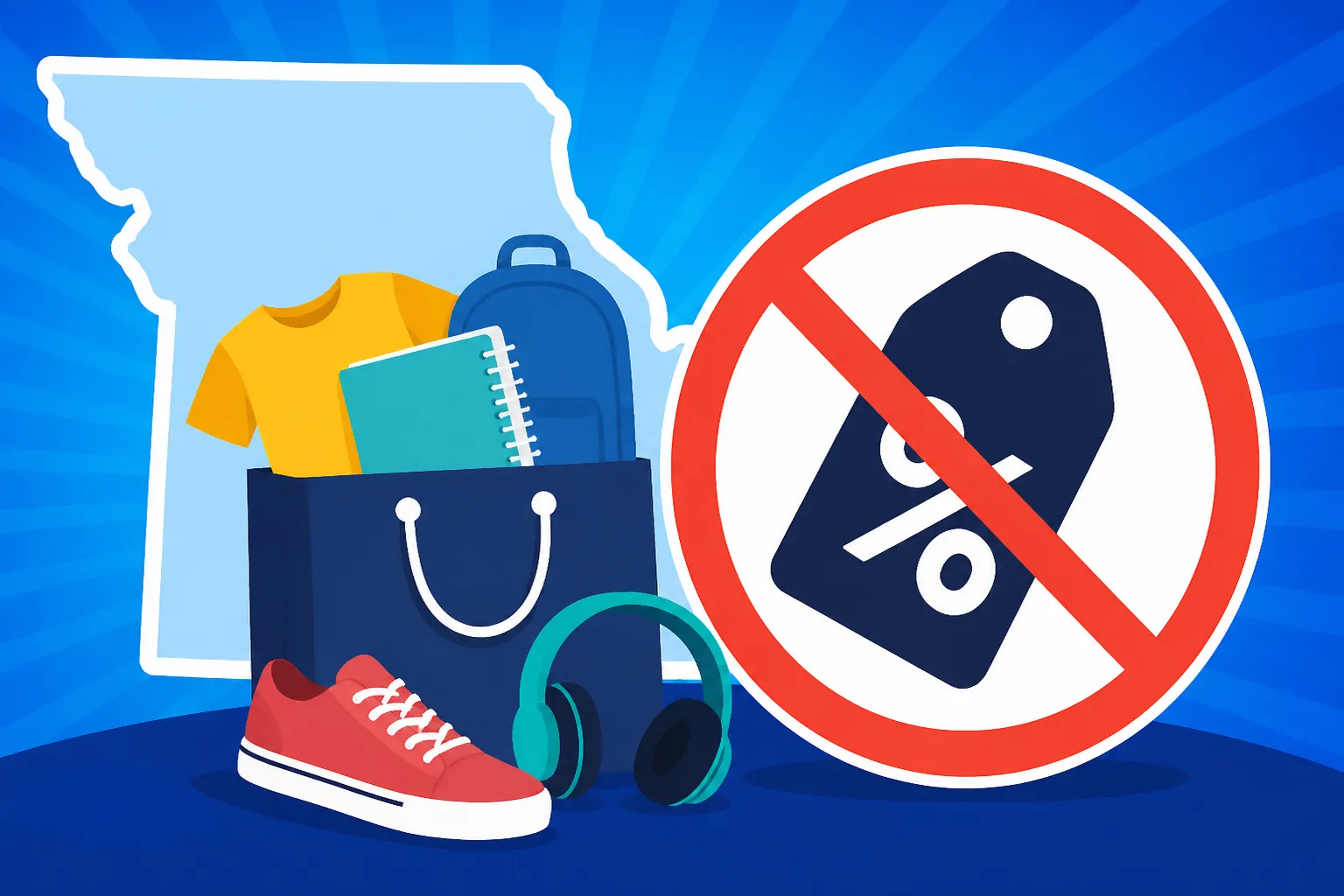
Missouri's annual "Show Me Green" sales tax holiday is a much-anticipated event for families and individuals gearing up for the academic year. It's designed to give a break on sales tax for specific back-to-school items, from clothes and shoes to school supplies and even some computer equipment. For a brief window, you can purchase these necessities without paying state and sometimes even local sales taxes, which can add up to significant savings, especially if you have a few kids to shop for. This isn't just a small discount; it's a full waiver of the sales tax on qualifying items, making those bigger purchases a lot more palatable.
The Purpose Behind the Tax-Free Weekend
At its heart, the Missouri sales tax holiday is about easing the financial burden that often accompanies preparing for a new school year. Think about it: new clothes, notebooks, pens, a calculator, perhaps even a new laptop – the list goes on and on. For many families, these expenses can be daunting, stretching budgets thin. The state introduced this initiative to stimulate economic activity by encouraging consumers to shop locally and, more importantly, to provide tangible relief to taxpayers. It's a win-win: businesses see an influx of customers, and shoppers get a break on essential items. This tradition reflects a broader trend seen across the country, as you can explore in our comprehensive guide to Sales Tax Holidays by State 2026: Full Calendar.
Who Benefits from the Sales Tax Holiday?
Essentially, anyone who buys qualifying items during the designated period can benefit. This includes:
- Parents: Stocking up on school uniforms, everyday wear, backpacks, and all the pens and paper their kids will need.
- Students: From elementary schoolers needing crayons to college students requiring a new computer for their studies.
- Teachers: Often dipping into their own pockets for classroom supplies, they too can take advantage of the tax break.
- General Consumers: Even if you're not directly buying for school, if an item like clothing or a pair of shoes falls within the eligible categories and price limits, you can still save. It’s not strictly reserved for school-related purchases, though that's its primary intent.
Key Dates and Specifics for Missouri's 2026 Tax-Free Weekend
Mark your calendars! The Missouri sales tax holiday typically kicks off on the first Friday in August and runs through Sunday. For 2026, you're looking at Friday, August 7th through Sunday, August 9th. This gives shoppers a full three-day window to take advantage of the savings. It’s a short but sweet period, so planning ahead is crucial to make the most of it.
The Specifics of the 2026 Dates
During these specific dates, from 12:01 AM on August 7th to midnight on August 9th, qualifying purchases will be exempt from state sales tax. What makes Missouri's holiday even more appealing is that many local jurisdictions (cities and counties) also opt to participate, waiving their local sales taxes as well. However, this isn't universal. It's really important to check if your specific city or county participates. For example, if you're shopping in St. Louis or Kansas City, you'll want to confirm their participation status, as this can affect your total savings. You can often find this information on the Missouri Department of Revenue website, or by contacting local city halls. Understanding how these Combined State + Local Sales Tax Rates Explained can further clarify your savings.
How Sales Tax Exemption Works
When you purchase an eligible item during the tax holiday, the sales tax simply isn't added to your total at the register. It's not a rebate you claim later, nor is it a discount applied by the retailer; it's a direct exemption at the point of sale. For retailers, especially larger ones like Target or Walmart, their point-of-sale systems are usually updated to automatically apply the exemption. Smaller businesses, while perhaps relying on simpler systems, are also required to comply. This is where robust sales tax compliance solutions, such as those offered by Avalara, become invaluable for businesses, ensuring accurate tax calculations across thousands of products and varying local participation rules during high-volume sales periods like this.
Eligible Items: What You Can Buy Tax-Free
This is where the rubber meets the road! Knowing exactly what qualifies and what doesn't is key to a successful tax-free shopping trip. Missouri's holiday covers three main categories: clothing, school supplies, and computer equipment, each with specific limits.
Clothing and Footwear
This category is usually the most popular. It includes most articles of wearing apparel and footwear, but with a crucial limit:
- Price Limit: Any single article of clothing or footwear must have a taxable value of $100 or less.
- What's Included:
- Shirts, pants, dresses, skirts, jackets, sweaters, and blouses.
- Underwear, socks, and hosiery.
- Shoes, boots, sneakers, and sandals.
- School uniforms.
- Rain gear and coats.
- Diapers (yes, often included!).
- Important Nuances:
- Accessories like jewelry, watches, handbags, briefcases, luggage, umbrellas, and ties generally do not qualify. While some states might include certain accessories, Missouri typically keeps it focused on essential apparel.
- Sporting goods that are not usually worn as street wear, such as cleats, shin guards, or special athletic uniforms, are also generally excluded.
- The $100 limit applies per item, not to your total clothing purchase. So, if you buy three shirts at $30 each, they are all tax-exempt. If you buy a single coat for $120, it would not qualify.
Understanding the specific rules for Is Clothing Taxable? Sales Tax on Apparel by State can give you a broader perspective on how these rules can vary.
School Supplies
Ah, the joy (or dread) of stocking up on pencils, notebooks, and glue sticks! This category is generally straightforward:
- Price Limit: No single item of school supplies can exceed a taxable value of $50.
- What's Included:
- Pens, pencils, crayons, markers.
- Notebooks, loose leaf paper, binders, folders.
- Rulers, scissors, glue, erasers.
- Book bags, backpacks, and lunch boxes.
- Calculators.
- Construction paper, art supplies (e.g., paint, paintbrushes for school projects).
- Important Nuances:
- The $50 limit is also per item. So, a $45 scientific calculator would be exempt, but a $60 graphing calculator would not.
- Items like staplers, staples, paper clips, and correction fluid are generally included as long as they meet the per-item price limit.
- Digital storage devices like USB drives or external hard drives are usually considered "computer equipment" and fall under that category's higher limit, rather than school supplies.
Computer Equipment
This is often where the biggest savings can be found, given the higher price point of these items:
- Price Limit: Any single purchase of personal computers, peripheral devices, or software with a taxable value of $3,500 or less.
- What's Included:
- Personal Computers: Desktops, laptops, and tablets.
- Peripheral Devices: Items designed to be used with a computer, such as:
- Printers and printer supplies (e.g., ink cartridges for a home printer).
- Keyboards, mice.
- Monitors.
- External hard drives and USB drives.
- Modems.
- Software: Prewritten software designed for personal or educational use.
- Important Nuances:
- The $3,500 limit applies to the combined value of all computer equipment purchased in a single transaction that constitutes a "personal computer." So, if you buy a laptop for $1,500, a printer for $200, and software for $100, the total is $1,800, which is well within the limit. However, if you buy a $4,000 gaming rig, it would not qualify.
- Electronic devices that are not primarily used as personal computers, such as smartphones, video game consoles, digital cameras, or e-readers, typically do not qualify for this exemption.
- Services related to computer repair or installation are also not covered.
Here’s a quick summary table for your convenience:
| Category | Eligible Items (Examples) | Price Limit (Per Item/Purchase) |
|---|---|---|
| Clothing | Shirts, pants, dresses, shoes, boots, socks, underwear, uniforms | $100 or less |
| School Supplies | Pens, pencils, notebooks, binders, backpacks, calculators | $50 or less |
| Computer Equipment | Laptops, desktops, tablets, printers, monitors, software | $3,500 or less |
Ineligible Items: What Isn't Covered
While the tax holiday is a fantastic opportunity to save, it's equally important to know what doesn't qualify to avoid disappointment at the checkout. Many shoppers make assumptions, but the rules are quite specific.
Common Misconceptions and Exclusions
It’s easy to think that anything a student might use for school would be tax-free, but that's often not the case. Here are some common items that typically remain taxable:
- Digital Cameras and MP3 Players: While they are electronic, they are not classified as "personal computer equipment" for the purpose of this holiday.
- Video Game Consoles and Games: Definitely not considered educational software or computer equipment.
- Smartphones: Despite their computing power, they are generally excluded.
- Furniture: Desks, chairs, bookshelves – even if for a student's room – do not qualify.
- Textbooks: While essential for school, educational textbooks are usually treated differently and do not fall under the "school supplies" exemption. Many states have separate exemptions or different tax treatments for textbooks.
- Jewelry and Accessories: As mentioned before, items like watches, purses, and briefcases are almost always taxable.
- Sporting Equipment: Items specifically for sports, beyond basic athletic apparel, are generally not exempt. Think baseball bats, soccer balls, or weights.
The goal of the holiday is narrow: back-to-school essentials. If an item doesn't fit neatly into that box, it's best to assume it's taxable. This kind of nuanced understanding of taxability is critical for businesses, and why many use specialized platforms like Avalara to ensure they correctly apply or don't apply exemptions.
Services and Other Purchases
Beyond physical goods, services are almost universally excluded from sales tax holidays. This means:
- Shipping and Handling Fees: If you're ordering items online, any fees for shipping or delivery will still be subject to sales tax, even if the item itself is exempt. The question of Is Shipping Taxable? Freight Sales Tax by State is a complex one that varies greatly.
- Layaway Purchases: Typically, for an item to be tax-exempt, it must be purchased and paid for in full during the holiday period. If you put an item on layaway before or after the holiday, the sales tax exemption usually won't apply.
- Rain Checks: If you get a rain check during the tax holiday, but redeem it after the holiday ends, the purchase will likely be taxable. The transaction date is key.
Always remember that the spirit of the law is to provide a temporary break on specific items. If you're unsure about an item, it's always best to ask a store associate or consult the Missouri Department of Revenue's official guidelines.
Shopping Smart: Tips for Maximizing Your Savings
The Missouri Tax-Free Weekend can feel a bit like a competitive sport, with crowds and limited stock. But with a little preparation, you can navigate it like a pro and ensure you get the most bang for your buck.
Plan Ahead: Make Your List and Check it Twice
Seriously, a well-organized shopping list is your best friend.
- Take Inventory: Before you even think about shopping, check what you already have at home. Do last year's clothes still fit? Are there unused notebooks or pens lurking in drawers? Don't buy what you don't need.
- Categorize Your List: Group items by eligible categories (clothing, school supplies, computer equipment) and note the price limits next to each. This helps you stay on track and avoid purchasing items that won't qualify for the exemption.
- Compare Prices: Don't assume that just because an item is tax-free, it's the best deal. Many retailers hike prices slightly around these holidays, or they might have better sales before or after the tax holiday. Use apps or websites to compare prices from different stores beforehand. Sometimes, a heavily discounted item with sales tax might still be cheaper than a full-price tax-exempt item.
The Online Shopping Advantage
One of the great modern conveniences is that the Missouri sales tax holiday typically applies to online purchases as well, as long as the item is ordered and paid for during the holiday period. This can be a huge benefit for avoiding crowds and potentially finding better stock.
- Check Retailer Policies: Most major retailers (like Amazon, Best Buy, Target, Walmart) will automatically apply the exemption during the designated dates for orders shipped to Missouri addresses. However, it's always wise to double-check their specific policy or look for confirmation at checkout. You might be interested in knowing Does Online Shopping Have Sales Tax? in a broader context.
- Shipping Times: Be mindful of when you place your order. Even if the order is placed on August 9th, if the retailer's system processes it in a different time zone or with a delay that pushes it past midnight local time, you could be charged tax. Order early in the weekend if possible.
- Shipping Address: Ensure the item is being shipped to a Missouri address, as the exemption is tied to the location of the sale (or destination, depending on the state's sourcing rules).
Leveraging Sales and Promotions
The tax holiday isn't the only way to save. Smart shoppers combine the exemption with other deals.
- Manufacturer Coupons: If you have coupons for specific brands of school supplies or clothing, combine them with the tax exemption for even deeper savings.
- Store Sales: Many retailers run "back-to-school" sales concurrently with the tax holiday. Look for these flyers and promotions to stack your savings. A 20% off sale plus no sales tax is a fantastic deal!
- Loyalty Programs: Don't forget to use any store loyalty cards or reward programs you belong to. Those extra points or discounts can further sweeten the deal.
By taking a strategic approach, you can turn a good deal into a great one.
Beyond the Weekend: Other Sales Tax Considerations in Missouri
While the tax-free weekend offers a temporary reprieve, it's important to remember that sales tax is a constant consideration for both consumers and businesses in Missouri. Knowing the general landscape can help you make informed decisions year-round.
Missouri's General Sales Tax Landscape
Missouri has a state sales tax rate that applies to most retail purchases of tangible personal property. On top of that, individual cities, counties, and special districts can levy their own local sales taxes. This means the actual rate you pay can vary significantly depending on your exact location within the state. For example, the combined rate in St. Louis City will be different from a smaller town in rural Missouri. For businesses, keeping track of these fluctuating rates is a complex task, and often requires specialized software, like Avalara, to ensure compliance across all jurisdictions. If you're interested in the nuances of Missouri's sales tax, you can dive deeper into topics like Sales Tax Rates by State 2026: All 50 States or how to use a Sales Tax Calculator: How to Calculate Sales Tax.
What About Items Not Covered by the Holiday?
For all those items that don't qualify for the tax-free weekend – like that new smartphone, a comfy desk chair, or even groceries (which are generally taxable in Missouri, though at a reduced rate compared to other states like Alabama or Mississippi) – you'll pay the standard combined state and local sales tax rate applicable to your purchase location. Understanding whether Sales Tax on Groceries & Food by State is relevant for you is another important consideration.
It's crucial for businesses operating in Missouri to understand these distinctions and ensure their point-of-sale systems are accurately configured. Misapplying sales tax, or failing to collect it when required, can lead to significant penalties. This is another area where platforms like Avalara provide immense value, automating the complex process of rate determination and compliance, even for intricate scenarios like varying local participation in tax holidays.
Use Tax in Missouri
Even after the sales tax holiday, there's another concept to be aware of: use tax. If you purchase an item from an out-of-state vendor (say, online) and they don't collect Missouri sales tax, but the item would have been taxable if purchased in Missouri, you, as the consumer, are technically responsible for remitting a "use tax" to the state. This often goes unreported by individual consumers, but it's a real part of the tax code. Businesses, however, are far more likely to be scrutinized for use tax compliance, particularly on purchases made for their own operations where no sales tax was charged. Exploring the difference between Use Tax Explained: What It Is & When You Owe It and Use Tax vs Sales Tax: What's the Difference? can clarify this further.
The Missouri Tax-Free Weekend is a fantastic opportunity to save money on essential back-to-school items. By understanding the dates, qualifying items, and smart shopping strategies, you can make the most of this annual event and send your students back to class well-equipped without breaking the bank.
Disclaimer
Please note that sales tax laws and holiday rules can change. While we strive to provide the most accurate and up-to-date information for the Missouri Tax-Free Weekend 2026, it is always recommended to consult the official Missouri Department of Revenue website or a qualified tax professional for the most current guidelines and personalized advice. This content is for informational purposes only and does not constitute tax or legal advice.