Do I Owe Use Tax When I Move States?
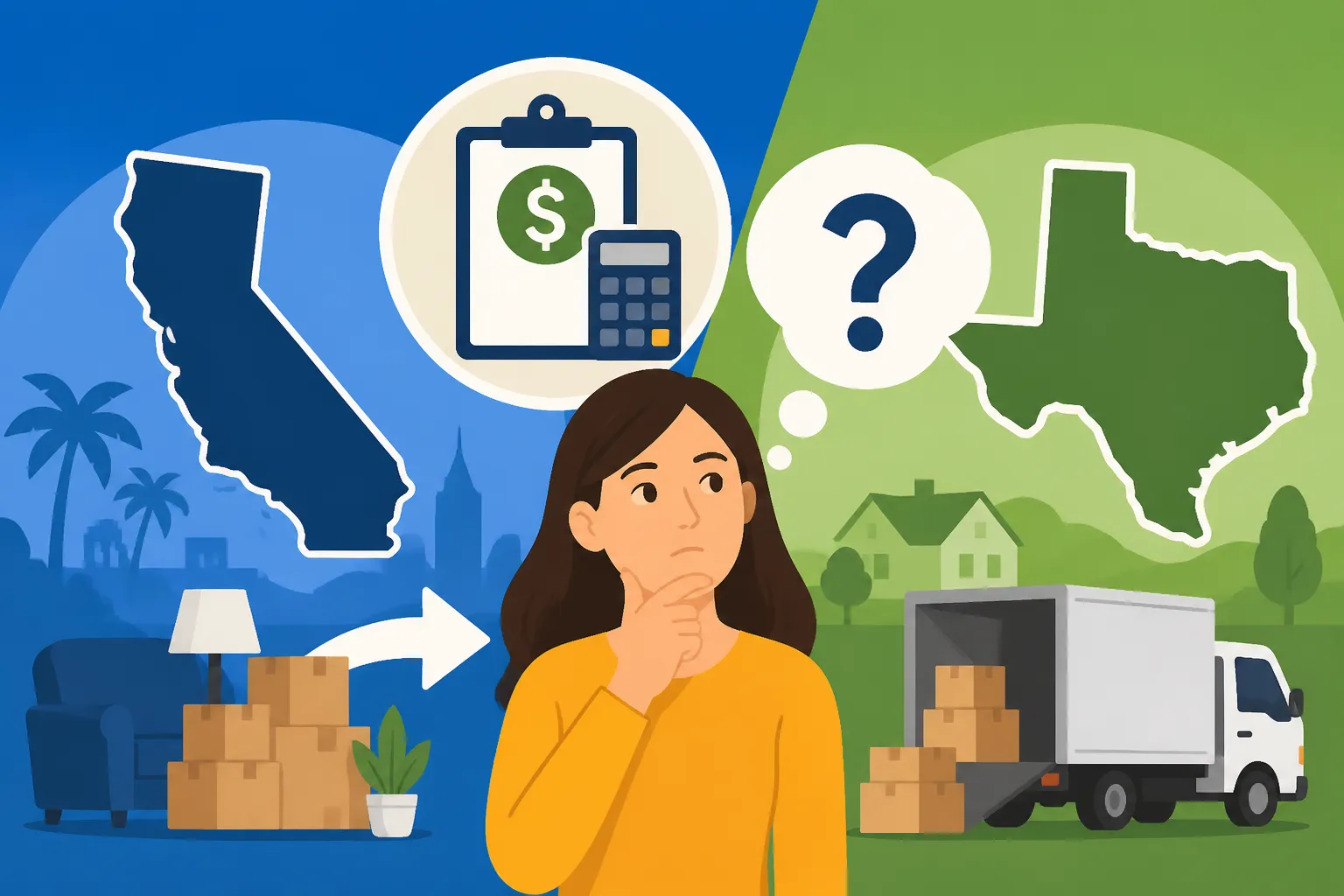
Moving to a new state is one of life's most exciting, yet utterly overwhelming, experiences. Between packing boxes, finding new schools, and changing your address with seemingly everyone, the last thing on your mind is often sales tax on the belongings you're bringing with you. But here's the kicker: many states actually expect you to pay what's called "use tax" on certain items you've owned and used elsewhere, especially if you didn't pay sales tax on them in your previous state or if the rate was significantly lower. This guide will walk you through what use tax is, why it matters when you relocate, and how to navigate these often-confusing requirements.
Understanding the Basics of Use Tax
Before we dive into the complexities of moving, it's essential to get a firm grasp on what use tax actually entails. It's one of those terms that often gets thrown around but isn't always clearly understood, leading to a lot of headaches for consumers and businesses alike.
What Exactly is Use Tax Anyway?
Think of use tax as the sales tax you owe when sales tax wasn't collected at the point of purchase. Its primary purpose is to ensure fairness in taxation and prevent people from avoiding sales tax by buying items from out-of-state retailers who don't have a sales tax nexus in their home state. Essentially, if you would have paid sales tax on an item if you had bought it locally, but you didn't (perhaps because you bought it online from a seller not collecting tax, or from a state with no sales tax), then use tax is your obligation to your state of residence.
States implemented use tax decades ago to capture revenue on goods purchased outside their borders. While it used to be notoriously difficult for states to enforce on individual small purchases, the landscape has changed dramatically. With the rise of e-commerce and subsequent legal decisions like South Dakota v. Wayfair, many online retailers now collect sales tax, which often includes local components. However, use tax still applies in specific scenarios, especially when you bring substantial items into a new state.
Use Tax vs Sales Tax: What's the Key Difference?
The fundamental difference between use tax and sales tax boils down to who collects it and when. Sales tax is collected by the seller at the point of sale and then remitted to the state. When you walk into a store in your home state and buy a new television, the cashier adds sales tax to your total, and the store sends that money to the state tax authority. It's a direct transaction that most people are very familiar with.
Use tax, on the other hand, is generally self-assessed and paid by the consumer directly to the state. It applies when sales tax wasn't collected by the seller for a taxable item that you then store, use, or consume within the state's borders. For instance, if you buy a custom piece of furniture from a small craftsman in a state where they don't have nexus and thus don't collect sales tax for your state, when that furniture arrives and you use it in your home, you're technically responsible for reporting and paying the use tax. The intent behind both taxes is the same – to tax the sale or use of tangible personal property – but the collection mechanism differs significantly. To dive deeper, consider exploring the article on Use Tax vs Sales Tax: What's the Difference?.
The Role of States in Collecting Use Tax
States are surprisingly diligent, and increasingly sophisticated, in trying to collect use tax, especially on higher-value items. While they might not chase you for the use tax on a $20 t-shirt you bought online without sales tax, they certainly notice when a new resident registers a brand-new, expensive car or boat. State Department of Motor Vehicles (DMVs), tax assessors, and revenue departments often work together.
Many states include a line on their annual individual income tax returns where taxpayers can self-report and pay any use tax owed throughout the year. For new residents, states frequently have specific provisions or forms that require disclosure of high-value items brought into the state. This is particularly true for vehicles, where the act of titling and registering your car in your new state often triggers a review of whether appropriate sales or use tax has been paid. For businesses, managing use tax on inventory and supplies can be even more complex, often requiring specialized software to ensure compliance.
The Sales Tax Implications of Moving States
Relocating across state lines isn't just about changing your address; it can trigger a whole new set of sales tax obligations you might not even be aware of. The "use tax" concept becomes particularly relevant here, affecting both your large purchases and potentially even your household goods.
Bringing Big-Ticket Items Across State Lines
This is where most movers encounter use tax challenges. We're talking about items like cars, boats, RVs, luxury vehicles, expensive artwork, or even high-value custom-built furniture. When you register a vehicle in your new state, for example, the DMV will almost certainly inquire about the sales tax paid on that vehicle. If you bought it in a state with a lower sales tax rate or a state with no sales tax at all (like Oregon or Delaware), your new state might demand that you pay the difference, or the full use tax amount, upon registration.
Let's imagine you purchase a new car in Texas, paying their 6.25% state sales tax, and then move to California, where the statewide base rate is 7.25% but combined with local district taxes, it's often much higher, like 9.5% in Los Angeles. California's Department of Tax and Fee Administration (CDTFA) would likely assess use tax for the difference between what you paid in Texas and the rate in California, if the purchase occurred relatively recently (e.g., within 12 months of moving). Each state has its own specific rules and timeframes for how long an item must be owned or how much sales tax must have been previously paid to avoid or reduce new resident use tax. Understanding these nuances is crucial, as highlighted in guides like How Much Is Sales Tax on a Car by State.
How States Track Your Purchases
It might seem like a daunting task for states to track every item you bring across state lines, but they have surprisingly effective methods, particularly for those "big-ticket" items. The most common trigger is vehicle registration. When you go to your new state's DMV to get new license plates, that's often the moment use tax comes into play. States collect a treasure trove of information during this process, including the vehicle's purchase price and where you bought it.
Beyond vehicles, states also pay attention to luxury items. If you're importing a yacht, an aircraft, or extremely valuable artwork, these transactions are often flagged and scrutinized. Some states even have forms specifically for new residents to declare such property within a certain timeframe after establishing residency. While it's unlikely they'll send an auditor to your home to count your kitchen appliances, for high-value assets, states can be quite proactive. For businesses, tracking complex cross-state transactions often necessitates sophisticated sales tax compliance software like Avalara to ensure everything is above board.
The "New Resident" Use Tax on Personal Property
Many states have explicit rules concerning what's often informally called a "new resident" use tax on personal property. These provisions are designed to capture revenue from people moving in from states with lower or no sales tax, particularly on goods acquired shortly before or after the move. The idea is that if you're going to benefit from the services and infrastructure of the new state, you should contribute your fair share through its consumption taxes.
For instance, California imposes use tax on personal property purchased for use outside of California and then brought into California by a new resident within 12 months from the date of purchase. However, there are exceptions; if the item was purchased for use outside of California and you can prove it was used for at least 90 days before moving, it might be exempt. This highlights why keeping meticulous records of purchase dates and prior sales tax payments is so important. Similarly, states like Washington have a system where you might owe use tax on a vehicle if you paid sales tax at a lower rate in your previous state. Always check the specific Department of Revenue or Tax and Fee Administration website for your new state.
Practical Scenarios and Examples for Movers
Let's get down to some real-world examples to illustrate how use tax can impact you when moving states. These scenarios often highlight the frustrations and confusion that arise from the diverse sales tax laws across the country.
Moving from a No-Sales-Tax State to a Sales-Tax State
Imagine you've been living in Oregon, one of the five states with no statewide sales tax. You've enjoyed buying all your electronics, furniture, and even your new car without that extra percentage tacked on. Now, a fantastic job opportunity takes you to California, a state known for its relatively high sales tax rates, which can easily exceed 9% or 10% when local district taxes are included.
Upon registering your car in California, the DMV will ask about the sales tax you paid. Since you paid none in Oregon, California will likely assess its full use tax rate based on the vehicle's purchase price or current market value. This can be a significant and unexpected cost for new residents. Similarly, if you brought other expensive, recently purchased items into California – say, a high-end bicycle or designer furniture – and those items were acquired within the last 12 months and not used substantially in Oregon (typically 90 days or more), they could also be subject to California's use tax. This scenario underscores why understanding States With No Sales Tax (NOMAD Explained) is key, especially if you're moving out of one.
Moving Between Sales-Tax States with Different Rates
Now consider a different move: from Texas to Washington. Texas has a state sales tax rate of 6.25%, with local rates that can bring the combined total up to 8.25%. Washington, on the other hand, has a 6.5% state rate, but its local rates, especially in cities like Seattle, can push the combined rate past 10%.
If you bought a $40,000 RV in Texas and paid, say, 7.5% sales tax (which would be $3,000), and then moved to Washington within a short period (often within 90 days to 12 months, depending on the state's rules), Washington might require you to pay the difference in tax. For example, if your new Washington combined rate is 9.5%, the total tax on that RV would be $3,800. Since you already paid $3,000 in Texas, Washington would likely expect you to pay the remaining $800 as use tax. This is often referred to as providing a "credit" for sales tax paid in the previous state. This scenario is common across the country, given the wide variation in Sales Tax Rates by State 2026: All 50 States.
What About Online Purchases Made Before Moving?
This is a subtle but incredibly important point, especially in our modern shopping landscape. Let's say you bought a new, expensive piece of home exercise equipment online a few months ago. At the time of purchase, perhaps the retailer didn't have sales tax nexus in your then-home state, so you didn't pay sales tax on the order. You then move to a new state that does have a sales tax, and you bring that equipment with you.
In most cases, if sales tax wasn't collected, your new state would expect you to pay use tax on that item, just as if you had bought it from an out-of-state vendor after moving. The fact that you purchased it before you moved but didn't pay sales tax doesn't absolve you of the use tax obligation in your new state, especially if the purchase was relatively recent. This is why many states have lines on their income tax forms specifically for reporting Do I Owe Use Tax on Amazon/Online Purchases? and other non-taxed purchases. The rule of thumb: if it's taxable in your new state and you didn't pay sales tax on it, use tax likely applies.
Navigating Use Tax Compliance When Relocating
Dealing with use tax when you move states can feel like navigating a maze blindfolded. But with a bit of foresight and organization, you can meet your obligations without unnecessary stress or penalties.
When to Declare and Pay Use Tax
The timing and method for declaring and paying use tax can vary by state and by the item in question. For vehicles, vessels, and aircraft, the process is usually integrated directly into the registration or titling process with the state's Department of Motor Vehicles or equivalent agency. They will guide you on the necessary forms and payments. For other significant purchases, states often provide a dedicated use tax form on their Department of Revenue or tax agency websites.
Alternatively, many states include a line on their annual individual income tax returns where you can self-report and pay any accumulated consumer use tax for the year. This is typically for smaller, miscellaneous purchases where sales tax wasn't collected. It’s crucial to proactively look for these options rather than waiting for the state to contact you, which often happens only after penalties have started to accrue. Being aware of the general procedures, much like understanding How to Report Use Tax on Your Tax Return, can save you a lot of hassle.
Keeping Records of Prior Sales Tax Payments
This cannot be stressed enough: keep meticulous records! When you move between states, especially if both states impose sales tax but at different rates, having proof of prior sales tax payments is your best defense against owing the full use tax again. For example, if you bought a car in Kansas and paid its sales tax, and then moved to Colorado, you'd want to show proof of that payment to get credit in Colorado, potentially only owing the difference if Colorado's rate is higher.
Retain receipts, invoices, and any sales tax forms from major purchases (cars, boats, furniture, appliances, electronics) for several years. Digital copies are great, but make sure they're backed up. These documents prove when and where you purchased an item, the price you paid, and the amount of sales tax collected. Without these records, the burden of proof falls entirely on you, and your new state might simply assess the full use tax amount based on their rate. This due diligence is a simple but powerful way to protect your wallet.
Leveraging Sales Tax Software for Guidance
While sales tax software like Avalara is primarily designed for businesses to manage their complex multi-state sales tax obligations, the principles behind these tools are incredibly useful for understanding individual use tax situations. These platforms are built to navigate the myriad of state and local sales tax rules, rate changes, and exemption criteria, which are often the same rules that dictate your use tax liability.
Though an individual won't typically subscribe to a full-blown sales tax compliance service just for a personal move, understanding that such tools exist underscores the complexity involved. If you're a small business owner who also happens to be moving, or if you frequently make large purchases across state lines, considering how a tool might help track potential use tax liabilities could be invaluable. These systems stay on top of issues like How Often Do Sales Tax Rates Change? and ensure that whether you're collecting or paying, the correct rates and rules are applied, saving businesses countless hours and preventing costly errors.
Here's a quick look at how states typically handle use tax for new residents on major items:
| State of Previous Residence | State of New Residence | Sales Tax Paid in Previous State | New Resident Use Tax Implication |
|---|---|---|---|
| Oregon (No Sales Tax) | California (High Sales Tax) | $0 | Full California use tax likely owed on new registrations (e.g., vehicles) and recent high-value purchases. |
| Texas (6.25% State + Local) | Washington (6.5% State + Local) | 7% | If Washington's rate is higher (e.g., 9%), you'd owe the 2% difference as use tax, with credit for Texas payment. |
| New Hampshire (No Sales Tax) | Florida (6% State + Local) | $0 | Full Florida use tax likely owed on new registrations and recent high-value purchases. |
| Pennsylvania (6% State) | New York (4% State + Local) | 6% | If New York's rate is higher (e.g., 8.875% in NYC), you'd owe the difference. If lower, no use tax owed. |
| Ohio (5.75% State + Local) | Arizona (5.6% State + Local) | 6.5% | If Arizona's combined rate is lower, no use tax would be owed. If higher, the difference would be due. |
Note: Specific rules, timeframes, and exemptions vary greatly by state. Always consult the respective state's Department of Revenue or Tax and Fee Administration for the most accurate and up-to-date information.
Disclaimer
The information provided in this guide is for general informational purposes only and does not constitute tax, legal, or accounting advice. Sales tax laws are complex, constantly evolving, and vary significantly by jurisdiction. Always consult with a qualified tax professional or the relevant state tax authority for advice tailored to your specific situation when making financial decisions or determining your tax obligations.