South Carolina Tax-Free Weekend 2026
The annual sales tax holiday in South Carolina is a truly anticipated event for families and shoppers looking to ease the burden of back-to-school costs or simply snag some essentials without that extra percentage tacked on. If you've ever stood at the register, calculator in hand, watching those digits climb, you know the frustration. This comprehensive guide is here to walk you through everything you need to know about South Carolina's Tax-Free Weekend in 2026, helping you plan your shopping trips strategically and save some hard-earned money.
Understanding the South Carolina Tax-Free Weekend
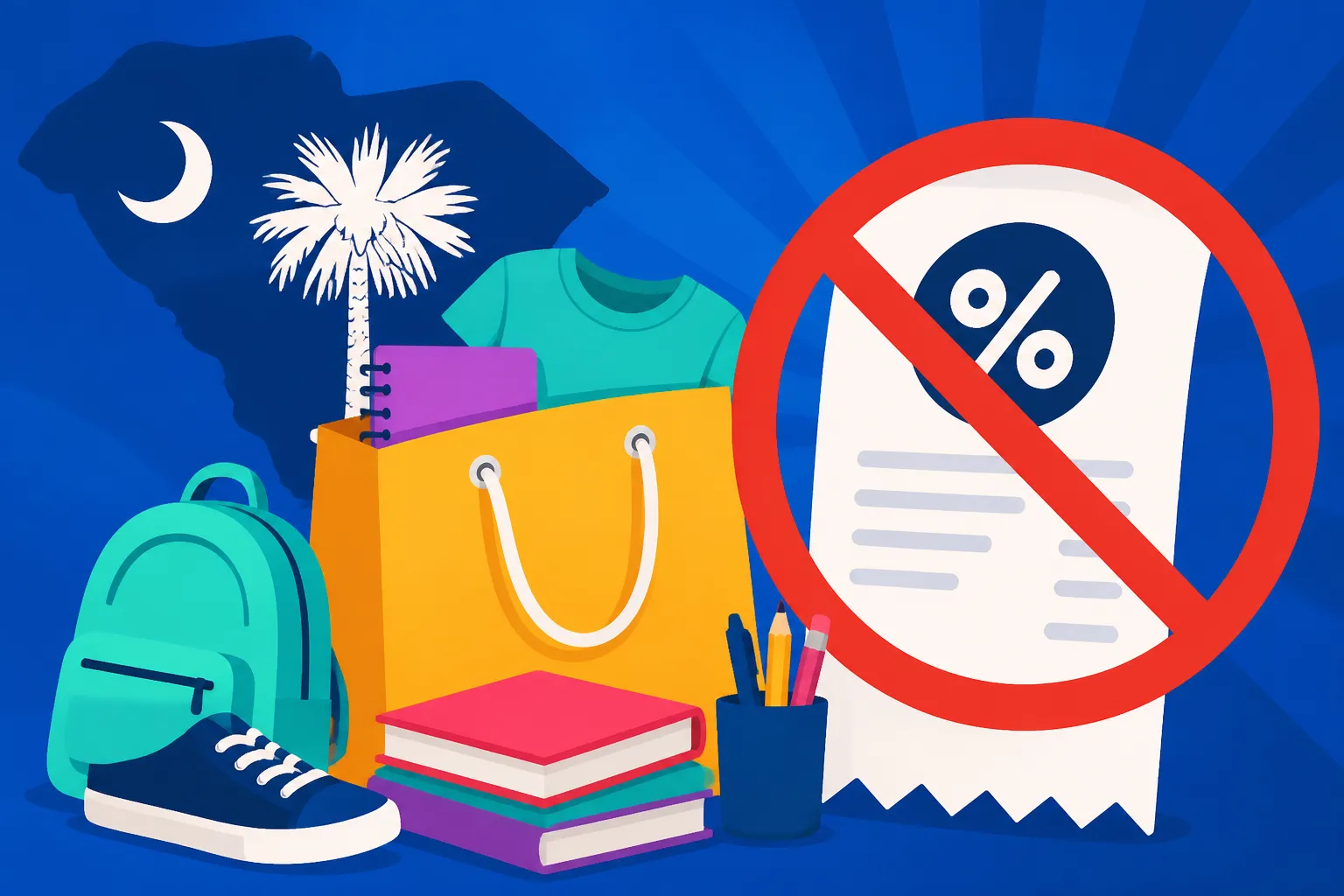
The South Carolina sales tax holiday is a fantastic opportunity for consumers to purchase specific items exempt from the state's 6% sales tax, along with any applicable local sales taxes. It’s a well-loved tradition, especially for parents gearing up for the new school year, but it extends far beyond just school supplies. This isn't just a minor discount; it’s a full waiver of sales tax on qualifying purchases, which can really add up, especially on larger items.
When is the Tax-Free Weekend?
Planning is everything, right? For 2026, the South Carolina Tax-Free Weekend is tentatively scheduled to run from Friday, August 7, to Sunday, August 9. While these dates are generally consistent year after year, it’s always a good idea to double-check with the South Carolina Department of Revenue (SCDOR) as the year progresses, just in case there are any last-minute legislative changes. Think about it – three full days to shop tax-free, whether you're hitting the malls or browsing online from the comfort of your couch. Knowing the exact dates in advance, like for the upcoming South Carolina Tax-Free Weekend 2026 Dates, gives you ample time to make your lists and compare prices.
The Purpose Behind the Holiday
You might wonder why states offer these holidays. Well, beyond giving consumers a break, sales tax holidays serve a few key purposes. For one, they stimulate the economy. When shoppers know they can save, they’re often more inclined to make those bigger purchases they’ve been putting off. This surge in spending benefits local businesses, helping them clear inventory and boost revenue, particularly during traditionally slower summer months. It's also a way for the state to support families, recognizing the significant expenses associated with preparing children for school, from new clothes to textbooks and electronics. It’s a win-win, really: shoppers save, and businesses thrive.
What Items Are Exempt During the South Carolina Tax Holiday?
This is where the rubber meets the road! Knowing exactly what you can buy without paying sales tax is key to maximizing your savings. South Carolina has a pretty generous list, covering a wide range of essentials. Unlike some states that put strict price caps on all items, South Carolina's limits are more specific, making it easier for many to benefit. This is one of the more comprehensive offerings you'll find, often highlighted in a general guide to Sales Tax Holidays by State 2026: Full Calendar.
Clothing, Apparel, and Footwear
This category is probably the most popular, especially for back-to-school shoppers. During the tax holiday, most articles of clothing, apparel, and footwear are exempt from sales tax. This includes everything from shirts, pants, dresses, and socks to shoes, boots, and even some accessories.
For instance, if your teenager needs new jeans for school, or your little one has outgrown all their shoes, this is the time to stock up. There's no dollar limit per item in this category in South Carolina, which is fantastic news. This means you can buy that new winter coat or a pair of high-quality running shoes without worrying about hitting a price ceiling. Compare this to states that have Tax-Free Weekend Clothing Price Limits ($100), and you'll appreciate South Carolina's approach. It truly makes a difference when buying items like professional attire for interviews or more expensive athletic gear.
School Supplies and Art Supplies
Another huge draw for families is the exemption for school supplies. This covers a vast array of items essential for students of all ages. Think pencils, pens, notebooks, binders, crayons, markers, rulers, glue, scissors, and calculators. Even backpacks are usually included!
Beyond the basics, art supplies like paints, paintbrushes, sketchpads, and clay also often qualify, which is excellent for creative students or anyone pursuing a new hobby. Imagine furnishing your home office with a fresh batch of pens and paper or getting your child all set for their art class without the added cost. This can make a significant dent in the overall back-to-school budget.
Computers, Software, and Related Accessories
Now, this is where many people find significant savings! Computers, computer software, and certain computer accessories are typically tax-exempt during the holiday. This can include desktop computers, laptops, tablets, and even e-readers. For software, this often applies to programs that are downloaded or sold on physical media.
When it comes to accessories, you can usually find things like printers, printer supplies (ink cartridges!), external hard drives, keyboards, mice, and even webcams on the exempt list. This is particularly beneficial for college students or anyone needing to upgrade their home technology. If you're looking at a $1,000 laptop, saving 6% (or more, factoring in local taxes) means an extra $60 or more back in your pocket. Just be sure to check the specific guidelines for what constitutes a "computer accessory" as some peripherals might be excluded. For businesses, while they often have different exemption rules, this holiday is purely for consumers. Even for personal purchases, keeping track of these different taxable categories can be a headache, which is why services like Avalara exist to help manage sales tax complexities year-round for businesses.
Other Miscellaneous Exempt Items
Beyond the core categories, South Carolina's tax holiday often extends to a few other helpful items. These can sometimes include certain bed and bath linens, such as sheets, pillowcases, towels, and washcloths.
It’s always worth a quick look at the official SCDOR publication for the year to see if any new or temporary items have been added. For instance, sometimes certain dorm room essentials like bedspreads or blankets might qualify, making it easier for college-bound students to furnish their new space. This broad range of qualifying products truly makes the South Carolina tax holiday one of the most impactful for a wide variety of shoppers.
| Category | Example Items | Price Limit |
|---|---|---|
| Clothing & Apparel | Shirts, pants, dresses, socks, shoes, boots, jackets, underwear | None |
| School Supplies | Pencils, pens, notebooks, binders, crayons, markers, rulers, glue, calculators | None |
| Art Supplies | Paints, paintbrushes, sketchpads, clay, watercolors, pastels | None |
| Computers | Laptops, desktops, tablets, e-readers | None |
| Software | Operating systems, educational software, anti-virus programs | None |
| Computer Acc. | Printers, ink cartridges, external drives, keyboards, mice, webcams | None |
| Linens | Sheets, pillowcases, towels, washcloths, blankets, bedspreads | None (check exact) |
What Items Are NOT Included in the South Carolina Tax Holiday?
While the tax holiday is generous, it's not a free-for-all. Many everyday items, and even some things you might think would be included, are still subject to sales tax. It’s crucial to understand these exclusions to avoid disappointment at the checkout and to budget correctly. Trying to navigate what is and isn't taxable can be tricky, even without a holiday, especially when you consider specific items like Is Clothing Taxable? Sales Tax on Apparel by State or the ever-complex world of Sales Tax on Groceries & Food by State.
Sporting Equipment and Accessories
One common misconception is that all athletic gear is tax-exempt. Unfortunately, sporting goods, recreation equipment, and related accessories are typically not included in South Carolina’s sales tax holiday. This means items like baseball bats, footballs, golf clubs, tennis rackets, gym bags, and specialized athletic shoes (like cleats or running shoes explicitly designed for a sport and not general wear) will still have sales tax applied.
So, if you're planning to buy new basketballs for the season or a bike for your child, be prepared to pay the sales tax. This distinction often surprises shoppers, especially when buying items that could be seen as "back-to-school" like a new gym uniform. It's a key area where misjudging the rules can lead to an unexpected extra cost.
Jewelry, Cosmetics, and Handbags
Luxury items and personal care products are definitely out. Jewelry, watches, cosmetics, perfumes, and handbags generally do not qualify for the sales tax exemption. Even if you consider a handbag an essential accessory for school or work, the state views these as non-essential or luxury items for the purposes of the holiday.
So, while you might be able to buy new shoes, that new necklace or makeup palette will still be subject to the usual sales tax. This helps to keep the focus of the holiday on more utilitarian items that support education and general living, rather than discretionary spending on high-end goods.
Furniture, Appliances, and Home Decorations
Beyond the specific categories, most general household items, furniture, and appliances remain taxable. This includes larger purchases like couches, beds, dining tables, refrigerators, washing machines, and televisions. Decorative items like lamps, curtains, or wall art are also typically excluded.
The idea is that the holiday targets items directly related to students and basic living needs, not wholesale home improvements or furnishing an entire new apartment. While a college student might need a mini-fridge for their dorm, it generally won't be tax-exempt. It's important to remember that these tax holidays, as a general rule, aren't designed to encompass all consumer purchases, and understanding What Qualifies for Tax-Free Weekend? is crucial.
Online Purchases and Layaway
Here's an important clarification: the sales tax holiday does apply to online purchases! As long as the eligible items are ordered and paid for during the designated tax-free period, they should qualify. This is a huge convenience for those who prefer to shop from home or can't make it to physical stores. However, make sure you complete your purchase within the tax holiday window. If an item is ordered and paid for online on Saturday, August 8th, but not shipped until the following Tuesday, it still qualifies.
Layaway plans, however, have specific rules. Generally, items placed on layaway during the tax-free period might qualify, but only if the final payment is also made during the tax-free period, or if the item is specifically designated as a layaway sale during the event. This varies by state and even by retailer, so if you're considering a layaway purchase during the tax holiday, confirm the store's policy beforehand. Many shoppers wonder, Does Online Shopping Count for Tax-Free Weekend?, and in South Carolina, the answer is a resounding yes, making it easier than ever to participate.
Tips for Making the Most of South Carolina's Tax-Free Weekend
To truly maximize your savings, a little strategy goes a long way. Don't just show up at the mall and hope for the best! Thinking ahead can turn a good shopping trip into a great one, allowing you to avoid stress and keep more money in your wallet.
Create a Detailed Shopping List
Before the tax holiday even begins, sit down and make a comprehensive list of everything you need. Break it down by category (clothing, school supplies, tech) and even by individual. Check closets, examine existing supplies, and talk to your kids about what they really need for the upcoming school year. Do they need new backpacks? Are their art supplies depleted? Do they need new shoes for gym class (even though the specialized ones aren't tax-exempt, regular athletic shoes are)?
A detailed list helps you stay focused, avoid impulse buys that aren't tax-exempt, and ensures you don't forget crucial items. It also helps you estimate your potential savings. This simple act of preparation can save you hours of wandering aimlessly and prevent you from missing out on key purchases.
Research Prices in Advance
Saving sales tax is great, but it's not the only way to save money. Retailers know the tax holiday is coming and some might subtly adjust prices or run "special" sales that aren't actually much of a deal. Do your homework! Check online prices a week or two before the tax holiday. Compare prices across different stores, both brick-and-mortar and online.
Sometimes, a store might have an item on sale that, even with sales tax, is a better deal than buying it tax-free at a higher price elsewhere. Tools like comparison websites can be your best friend here. This strategy ensures you're not just saving on tax, but getting the absolute best overall price. For businesses using tax compliance software like Avalara, staying on top of tax changes, including temporary exemptions, is automated, but for consumers, a little manual legwork goes a long way.
Shop Early or During Off-Peak Hours
Tax-free weekend can be a zoo! Stores in popular shopping areas like Charleston, Columbia, and Greenville can become incredibly crowded, especially on Saturday afternoon. If you’re not a fan of navigating packed aisles and long checkout lines, consider shopping early on Friday morning when stores first open, or perhaps late Sunday evening.
Another option is to embrace online shopping during the holiday. As long as the purchase is made and paid for within the exemption period, you’ll still save the sales tax and avoid the crowds entirely. This allows for a more relaxed shopping experience and might even give you access to a wider selection of inventory than what’s available in physical stores.
Utilize Online Shopping and Curbside Pickup
As mentioned, online purchases generally qualify, making it a fantastic alternative to in-store shopping. Many retailers now offer convenient curbside pickup options, allowing you to place your order online and pick it up at the store without ever having to step inside.
This hybrid approach combines the convenience of online shopping with the immediacy of getting your items on the same day. Just confirm that the retailer's system correctly applies the tax exemption at checkout for your South Carolina address. This is also a perfect opportunity to consider where your items are sourced from, as the principles of Origin vs Destination Sales Tax Sourcing can sometimes complicate things, though for a simple consumer holiday, it's usually straightforward.
Understanding the Impact and Importance of the Sales Tax Holiday
Beyond just individual savings, the South Carolina Tax-Free Weekend has broader implications. It's not just a nice gesture; it's a strategic move with economic and social impacts that ripple through the state.
Significant Savings for Families and Individuals
For families juggling budgets, especially with rising costs, the tax holiday offers tangible relief. On a $500 shopping trip for school clothes and supplies, eliminating a 6% state sales tax saves $30, plus any local taxes. That might not sound like a fortune, but it can be the difference between affording an extra pair of shoes or a much-needed textbook. Over time, these small savings add up, freeing up funds for other necessities or allowing families to make purchases they might otherwise delay.
It’s an acknowledgment from the state that back-to-school expenses are real and can be burdensome. This financial break can be particularly impactful for low-income families, enabling them to purchase essential items without the added tax burden.
Boosting Local Economies
The tax holiday is a well-known economic driver. Retailers see a significant uptick in sales during the weekend, leading to increased revenue, higher foot traffic, and sometimes even temporary employment opportunities to handle the demand. From small boutiques in Myrtle Beach to major department stores in Columbia, businesses across the state benefit. This boost can help local businesses thrive, contributing to the overall economic health of South Carolina.
It’s not just about the tax-exempt items either; customers often buy taxable items at the same time, increasing overall sales volume. For businesses, accurately processing these transactions and understanding the exemptions is vital, which is where robust systems and compliance partners come into play, helping retailers manage complex calculations, similar to how Sales Tax Calculator: How to Calculate Sales Tax works for consumers.
Encouraging In-State Shopping
Another crucial goal of the tax holiday is to keep consumer dollars within South Carolina. Without the exemption, residents might be tempted to cross state lines to states with no sales tax, like neighboring North Carolina if they live close to the border, or even just opt for online retailers outside the state if they perceive a better overall deal. By offering a tax break, South Carolina incentivizes its residents to shop locally, supporting state businesses and keeping tax revenue (from non-exempt items) circulating within the state economy. This competitive edge is important, especially when looking at the broader landscape of Sales Tax Rates by State 2026: All 50 States.
How Businesses Prepare for the Tax-Free Weekend
For retailers, the tax-free weekend isn't just another sales event; it's a significant logistical undertaking. From inventory management to point-of-sale system updates, businesses put a lot of effort into making sure the weekend runs smoothly for their customers.
Inventory and Staffing Adjustments
Anticipating higher demand, businesses start preparing their inventory weeks, if not months, in advance. This means stocking up on popular back-to-school items, clothing, and electronics that qualify for the exemption. Retailers often place larger orders with suppliers to ensure they don't run out of stock during the crucial three-day period.
On the staffing front, stores typically bring in extra employees or extend shifts for existing staff to handle the increased customer traffic and longer lines. Training staff on which items are exempt and how to process these transactions correctly is also paramount. A well-trained team can make all the difference in providing a smooth shopping experience.
Point-of-Sale System Updates and Compliance
One of the biggest challenges for retailers is ensuring their point-of-sale (POS) systems are correctly configured to automatically apply the sales tax exemption. This means tagging thousands of eligible products in their databases so that sales tax isn't mistakenly charged. Mistakes can lead to frustrated customers and administrative headaches for the store.
For larger retailers, especially those operating across multiple states with different tax holidays and rules, this can be a complex technical task. This is where sales tax compliance software, such as Avalara, becomes invaluable. These solutions automate the process of applying the correct sales tax (or exemption) based on product type, location, and specific tax holidays, significantly reducing the risk of errors. Businesses need to be absolutely certain about How Combined Sales Tax Rates Work and how they temporarily cease to apply during this period.
Marketing and Customer Communication
Businesses invest in marketing campaigns leading up to the tax holiday, informing customers about the dates and the types of items that will be exempt. This might include in-store signage, email newsletters, social media posts, and local advertisements. Clear communication helps set customer expectations and encourages them to shop.
Many stores also provide lists or guides (often available online or at customer service desks) detailing eligible and non-eligible items, helping shoppers navigate the rules with ease. This proactive approach ensures customers are well-informed and ready to shop, making the event a success for both consumers and businesses alike.
Planning for Your Tax-Free Weekend Success
Ultimately, the South Carolina Tax-Free Weekend is a golden opportunity to save money on essential purchases. Whether you're a parent preparing for school, a college student needing a new laptop, or just someone looking to refresh your wardrobe, understanding the rules and planning ahead will ensure you make the most of this annual event. Don't let the complexity of sales tax laws deter you; with a bit of preparation, you can enjoy significant savings and support local businesses all at once. For more general information on planning, consider checking out a comprehensive Tax-Free Weekend Back-to-School Guide 2026.
Disclaimer
Please note that sales tax laws and holiday dates can change. While every effort has been made to provide accurate and up-to-date information, this content is for informational purposes only and does not constitute tax advice. Always consult official sources like the South Carolina Department of Revenue (SCDOR) or a qualified tax professional for the most current and specific guidance.