Why Is Some Food Taxed and Some Not?
It’s incredibly frustrating when you’re standing in the grocery store checkout line, looking at your basket, and wondering why that bag of chips is taxed, but the fresh produce isn’t. Or why your morning coffee from the cafe is taxed, but a bag of coffee beans from the same store might not be. This seemingly random application of sales tax to different food items is a common source of confusion for shoppers and a compliance headache for businesses. This guide will demystify the complex world of food sales tax, explaining the distinctions states make and why your favorite snacks sometimes cost a little more than you expect.
The Core Distinction: Prepared Food Versus Unprepared Groceries
The fundamental reason some food items are taxed and others aren't boils down to a key distinction: is it "prepared food" that's ready for immediate consumption, or is it an "unprepared grocery" item meant for home preparation? This isn't just a trivial classification; it's the bedrock of most states' sales tax policies when it comes to edibles. States typically view unprepared groceries as a necessity, often exempting them or taxing them at a reduced rate, while prepared foods are seen more as a convenience or luxury, subject to the full sales tax rate.
This distinction emerged over time, partly to ease the burden on lower-income households, ensuring that basic sustenance isn't made more expensive by taxes. However, it also recognizes that when you're paying for a restaurant meal, you're not just buying ingredients; you're paying for the convenience of preparation, cooking, and sometimes even service. This dual nature of food consumption has led to a patchwork of rules across the United States, making it a tricky area for everyone involved.
What Defines "Prepared Food"?
"Prepared food" generally refers to food that is cooked, heated, sliced, mixed, or otherwise altered by the seller for immediate consumption, either on or off the premises. Think about your local diner: everything from a steaming plate of pancakes to a to-go sandwich is considered prepared food. The key elements that often trigger this classification include hot food, ready-to-eat items served with utensils, food sold in a heated state, or combinations of ingredients mixed by the seller at the point of sale.
For example, a hot rotisserie chicken from the supermarket's deli section is almost always considered prepared food, even if you take it home. Why? Because the store cooked it, making it ready for you to eat without further preparation. Similarly, a coffee from a cafe, even if it's just poured into a cup, is considered prepared because the seller prepared it for immediate consumption. The intent to consume right away, facilitated by the seller's actions, is a critical factor.
Many states also define prepared food by how it's packaged or served. If it comes with plates, cups, napkins, or disposable cutlery, it often falls into this category. The underlying idea is that you're not just buying ingredients; you're buying a convenient, ready-made solution that goes beyond basic groceries. This is a common area of confusion, as a cold sandwich from a deli might be considered prepared food in one state, while a similar sandwich pre-packaged by a manufacturer and sold in the refrigerated section of a grocery store might be treated as an unprepared grocery.
What Qualifies as "Unprepared Groceries"?
Conversely, "unprepared groceries" are generally food items sold in their raw or basic state, intended to be taken home and prepared by the consumer. This includes staples like fresh fruits and vegetables, uncooked meats, dairy products, bread, canned goods, and most items you'd find in the perimeter aisles and interior shelves of a traditional supermarket. These are the ingredients you use to cook a meal yourself, providing a fundamental source of nutrition.
For instance, if you buy a raw chicken breast, a bag of potatoes, and some broccoli, these are all unprepared groceries. You have to take them home, wash them, chop them, cook them, and then assemble your meal. The value you're paying for is primarily the raw product itself, not the labor or convenience of immediate consumption. This category is often explicitly exempt from sales tax in many states or subject to a reduced tax rate.
The underlying policy here is often rooted in equity: ensuring that essential food items remain affordable, especially for families on tight budgets. By exempting or reducing tax on these basic groceries, states aim to alleviate some of the financial burden of feeding a household. This is why you'll often see your total go up less at a traditional grocery store than at a restaurant or convenience store, even if the total price of goods is similar. It's a key reason why your weekly grocery bill for home cooking differs so significantly in its tax treatment from a night out at your favorite restaurant.
The "Candy and Soda" Exception
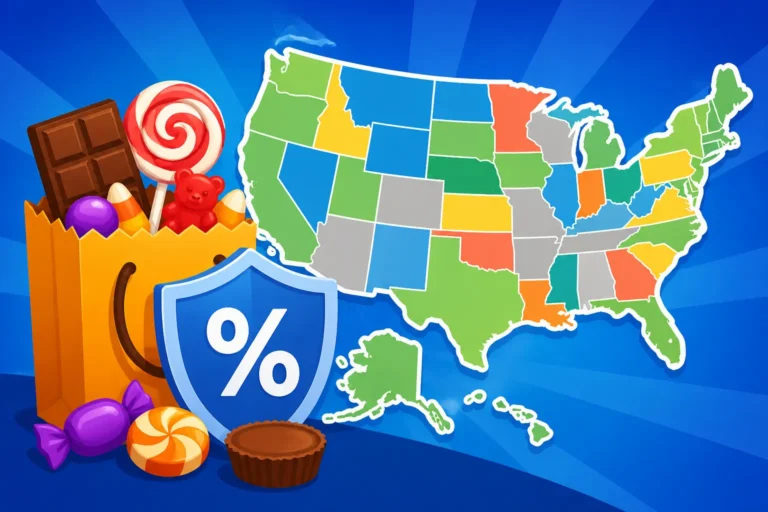
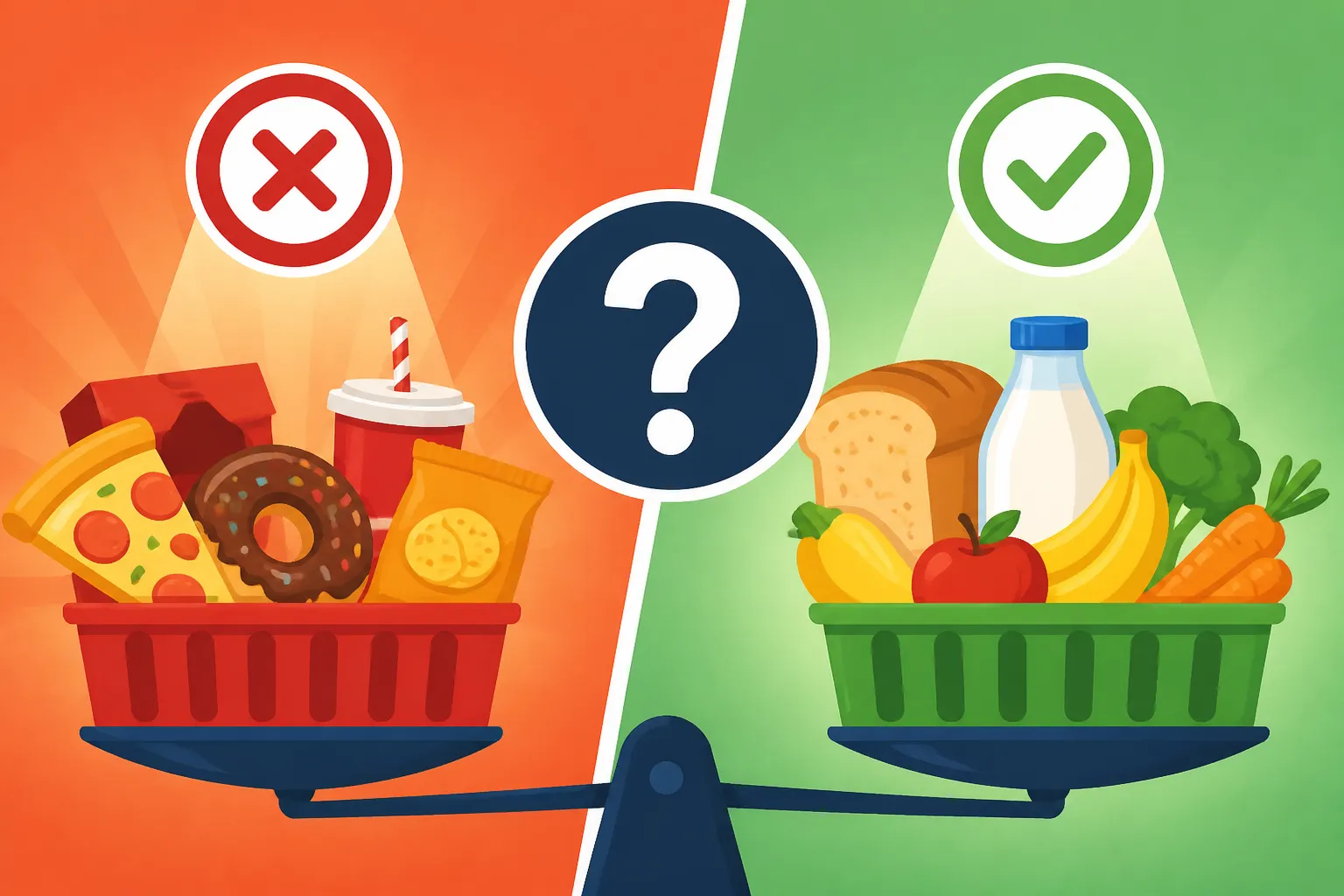
Now, just when you thought you had a handle on prepared versus unprepared, states often introduce another layer of complexity: special rules for "candy" and "soft drinks." Many states, even those that exempt or offer reduced rates on most groceries, will fully tax candy and soda. This is largely because these items are not considered essential nutritional components of a household's diet.
The distinction for candy can be particularly quirky, often relying on what's famously known as the "flour test." A product is generally classified as candy if it contains natural or artificial sweeteners as its primary ingredient and does not contain flour. So, a chocolate bar, which is primarily sugar and cocoa (no flour), is typically taxed as candy. However, a granola bar or a Kit Kat bar, which does contain flour, might be considered a "food item" and potentially exempt or taxed at the grocery rate, depending on the state. It sounds absurdly specific, but these are the kinds of detailed regulations that businesses, especially those using complex inventory systems, need to get right.
Soft drinks also face unique taxation. Most states define a soft drink as a non-alcoholic beverage that contains natural or artificial sweeteners and does not contain milk or milk products, or fruit/vegetable juice in certain concentrations. So, while a gallon of milk or pure orange juice might be tax-exempt, a can of Coke or a sweetened iced tea often is not. These rules can vary wildly by state; for instance, some states might tax diet soda differently from regular soda, or have thresholds for juice content. This is where automated solutions, like those offered by Avalara, become indispensable for businesses, ensuring that these hyper-specific classifications are correctly applied at the point of sale, regardless of how intricate the "flour test" or juice content rules become.
Why States Make These Distinctions
The differing tax treatment of various food items isn't arbitrary; it's rooted in a combination of economic, social, and practical considerations that states weigh when designing their tax codes. It's a balancing act between generating revenue, supporting public health, and minimizing the tax burden on essential goods. Understanding these underlying motivations helps to clarify why your grocery receipt looks the way it does.
States are constantly looking for ways to collect revenue to fund public services like schools, roads, and emergency services. Sales tax is a major component of this funding. However, they also face pressure to ensure tax policies are fair and don't disproportionately affect certain populations. Food taxation is one of the most visible areas where these competing interests clash, leading to the complex system we see today.
Economic and Social Reasons
One of the primary social reasons for exempting or reducing sales tax on unprepared groceries is to mitigate the regressive nature of sales tax. Sales taxes tend to hit lower-income households harder because they spend a larger proportion of their income on necessities, including food. By removing or lowering the tax on basic groceries, states effectively ease the financial burden on these families, making essential food more affordable. This policy recognizes that everyone needs to eat, and taxing the raw ingredients for home meals would create an undue hardship.
Conversely, prepared foods and restaurant meals are often seen as discretionary purchases. When you opt for a meal out or a ready-made deli sandwich, you're paying for convenience and service in addition to the food itself. Taxing these items at the full rate is a way for states to capture revenue from these "non-essential" expenditures. This approach allows states to generate income from consumer spending without making basic groceries unaffordable for those who cook at home. The distinction between a carton of eggs (untaxed or reduced tax) and a breakfast sandwich (fully taxed) perfectly illustrates this economic and social philosophy.
The taxation of items like candy and soda also has a public health dimension. Some states explicitly tax these items at full rates, or even higher "sin tax" rates, not just for revenue, but to discourage consumption of products perceived to have lower nutritional value. While not universally applied, the idea is that by making these items more expensive, consumers might be encouraged to make healthier choices. This adds another layer of policy intention behind what might otherwise seem like confusing tax rules.
Different State Approaches
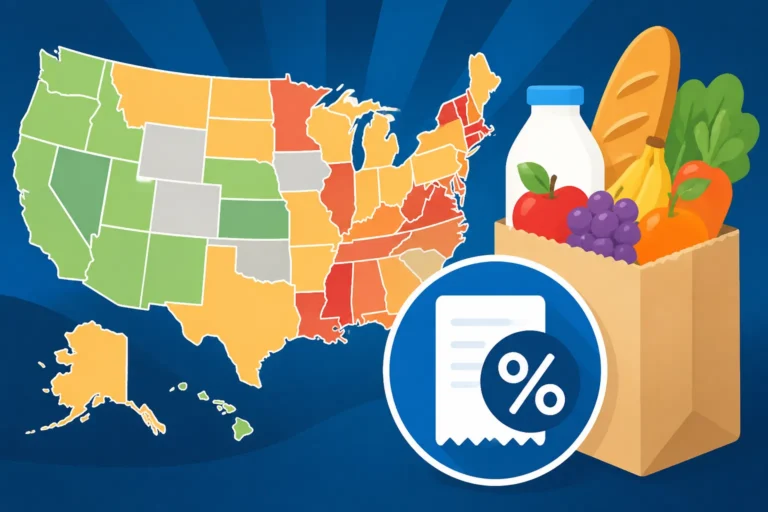
It's crucial to remember that there's no single, nationwide standard for food sales tax. Each state has its own unique set of rules, leading to a patchwork of policies that can be incredibly difficult to navigate. For instance, five states — Alaska, Delaware, Montana, New Hampshire, and Oregon — have no statewide sales tax at all, so food is naturally untaxed there (though Alaska allows local sales taxes). Of the states that do have sales tax, some, like Pennsylvania and Minnesota, broadly exempt most food and groceries, including many prepared foods.
On the other end of the spectrum, states like Alabama, Mississippi, and Oklahoma generally apply their full sales tax rate to most groceries, though there are often discussions and efforts to reduce or eliminate these taxes due to their impact on lower-income residents. Then there are states that fall in the middle, exempting unprepared groceries but taxing prepared foods, candy, and soda at the full rate, such as California or Texas. The exact definitions of "prepared food" and the nuances of the "flour test" or "juice content" can also vary significantly from state to state, making cross-border sales and compliance a real challenge. For businesses operating in multiple states, keeping track of these diverging rules is a monumental task, often requiring specialized software to ensure accuracy. This is why understanding Sales Tax Rates by State 2026: All 50 States is so vital for sellers.
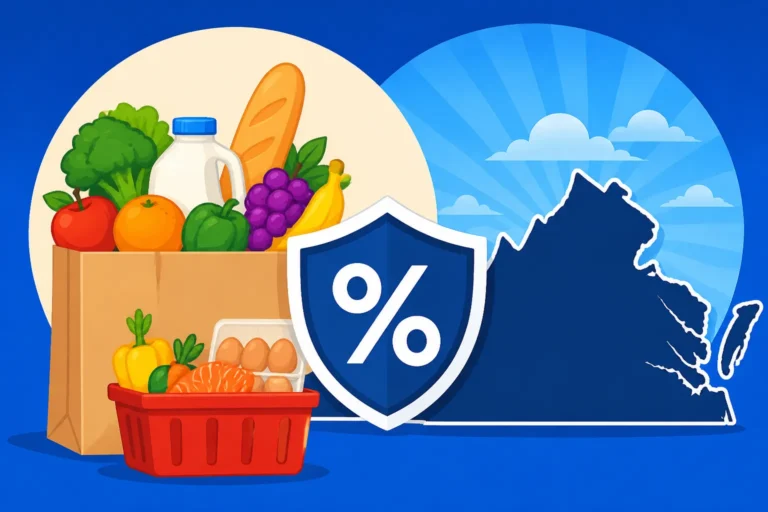
To further complicate matters, some states even have reduced rates for groceries. For example, Virginia taxes groceries at a lower rate than its general sales tax rate. These variations highlight the struggle states face in balancing revenue generation with social equity and public health goals, resulting in an intricate and constantly evolving landscape for food taxation.
Common Confusions and Edge Cases
Even with the general rules in mind, there are countless scenarios that can make food sales tax utterly baffling. The lines between "prepared" and "unprepared," or "grocery" and "candy," aren't always crystal clear, leading to frustrating inconsistencies and endless debates at the cash register. These edge cases are often where businesses struggle the most with compliance.
Consider the complexity of a business like a large supermarket that sells everything from raw chicken to a hot deli counter, a salad bar, and even an in-store coffee shop. Each item might fall under a different tax category, and correctly applying these rules to every single transaction without automated systems would be nearly impossible. This is why many retailers rely on sophisticated point-of-sale (POS) systems integrated with sales tax compliance software.
Deli Items and Salad Bars
Deli counters are prime territory for sales tax confusion. If you buy a pound of sliced turkey from the deli, that's typically considered an unprepared grocery item, as you're likely taking it home to make sandwiches yourself. But what if you buy a pre-made sandwich from that same deli, or a container from the hot food bar, like macaroni and cheese or a serving of fried chicken? These are almost universally taxed as prepared food because the store has cooked or assembled them for immediate consumption.
Then there's the salad bar. If you serve yourself a salad, it's typically taxed as prepared food. The store provides the ingredients, and you mix them yourself, but it's fundamentally a ready-to-eat meal. What about a whole, uncut, unheated loaf of bread from the bakery section, versus a sliced, ready-to-eat pastry? The bread is a grocery; the pastry is often prepared. The devil is truly in these details, and missing them can lead to audit penalties for businesses. The rules around Prepared Food Sales Tax Explained often dive into these specifics.
Hot Versus Cold Beverages
Another common area of confusion arises with beverages, especially coffee. If you buy a bag of whole coffee beans, that's an unprepared grocery item. If you buy a cold, pre-packaged bottle of iced coffee from the refrigerated section, it's usually considered an unprepared grocery item (though some states might classify it differently if it's sweetened). But if you order a hot, freshly brewed cup of coffee from the barista, it's definitively a prepared food item, subject to sales tax.
This distinction highlights the "ready for immediate consumption" and "preparation by seller" criteria. The act of brewing the coffee and serving it in a cup makes it a prepared beverage. The same logic often applies to soda fountain drinks versus a 12-pack of soda. The soda fountain drink is prepared on-site for immediate consumption, while the 12-pack is considered a grocery item, subject to the candy/soda rules previously discussed. This can sometimes lead to different tax treatments even for the exact same beverage, purely based on how it's dispensed.
Combination Items and Vending Machine Sales
What about combination items, like a meal kit that contains raw ingredients along with pre-portioned sauces or spices? Generally, if the primary purpose is for home preparation, it falls under the grocery category. However, if it's a "meal deal" that's ready to heat and eat, it might lean towards prepared food. The intent behind the packaging and sale is often scrutinized here.
Vending machine sales also operate under a specific set of rules. Many states have a blanket rule that items sold through vending machines are always considered prepared food, regardless of whether they are candy, soda, or even a pre-packaged sandwich. This is primarily for ease of administration; it's simpler for vending machine operators to apply a single tax rate to all sales rather than trying to differentiate between various product types within the machine. This means that a bag of chips from a vending machine might be taxed, while the identical bag of chips purchased from a grocery store aisle might not be, depending on state and local rules. This variability is a nightmare for businesses, and they often turn to solutions like Avalara to manage these diverse tax applications accurately.
Practical Tips for Shoppers and Businesses
Navigating the labyrinth of food sales tax can feel like a full-time job. For consumers, it often means unexpected charges at the checkout. For businesses, getting it wrong can lead to costly penalties and compliance nightmares. But armed with a little knowledge and the right tools, both parties can better manage this complex aspect of commerce.
The sheer volume of rules, the constant changes (like 2026 Sales Tax Rate Changes by State), and the local variations make it an ongoing challenge. Understanding how these taxes impact your daily life, whether you're buying groceries or selling them, is key to avoiding surprises.
For Consumers: Paying Attention at the Register
As a shopper, the best thing you can do is be aware. Check your receipts, especially when you've bought a mix of items from different categories (e.g., from a supermarket with a deli and a bakery). You'll usually see separate lines for taxable and non-taxable items, or sometimes the sales tax is simply added to the total. If you see an unexpected tax on a basic grocery item, it might be worth asking the store for clarification – sometimes errors happen, or there's a specific local rule you weren't aware of.
For example, if you're shopping in a state where groceries are generally exempt but you pick up a packaged pastry and some fresh apples, you should expect to see tax only on the pastry. If both are taxed, there might be a misclassification. Similarly, be mindful of states that tax candy and soda differently; your favorite fizzy drink or chocolate bar will likely always have sales tax applied, even if your bread and milk don't. Knowing which States With No Sales Tax (NOMAD Explained) can also save you a lot of headache if you happen to live near a border.
The more you understand the general rules in your state, the less likely you are to be surprised. Remember that prices listed on shelves typically don't include sales tax, so always budget a little extra for those taxable items. This helps you manage your personal finances and makes you a more informed consumer.
For Businesses: Ensuring Accurate Taxation
For businesses, especially those selling a wide variety of food items, ensuring accurate sales tax collection is paramount. This isn't just about knowing state laws; it's about correctly classifying every single product in your inventory based on its ingredients, preparation, and how it's sold. This includes understanding the specific nuances for items like Candy & Soda Sales Tax (The Flour Test) or the intricacies of Prepared Food Sales Tax Explained. Manual classification for thousands of SKUs is virtually impossible and highly prone to error.
This is where sales tax automation software becomes a lifesaver. Solutions from companies like Avalara integrate directly with point-of-sale (POS) systems, e-commerce platforms, and ERPs, providing real-time sales tax calculations based on the most up-to-date state and local rules. When a customer checks out, the software instantly determines whether an item is considered a prepared food, an unprepared grocery, candy, soda, or another taxable category, and applies the correct tax rate. This takes the guesswork out of the equation and significantly reduces the risk of incorrect collections, which can lead to audits, penalties, or even overcharging customers.
Beyond classification, these systems also help businesses manage nexus obligations, file returns accurately, and stay compliant across multiple jurisdictions, including all the intricate local rates. For any business dealing with food sales, particularly those expanding online or into new states, investing in robust sales tax compliance tools is not just a convenience, it's a necessity for long-term operational success and peace of mind. Without it, managing the diverse and often confusing sales tax rules for different food categories can quickly become an overwhelming burden.
State-by-State Food Sales Tax Examples
To illustrate just how varied the rules can be, let's look at a few state examples. Keep in mind that these are general guidelines, and local taxes can always add another layer of complexity.
| State | General Groceries (Unprepared Food) | Prepared Food & Restaurant Meals | Candy & Soft Drinks | Key Nuances |
|---|---|---|---|---|
| California | Exempt | Taxable (State + Local) | Taxable | Most groceries are exempt. Hot prepared food, food sold for on-premise consumption, and certain cold prepared items are taxable. Candy and soda are taxable. Special rules for bakeries and delis apply. See California Sales Tax Rate (7.25% Base + Districts). |
| Texas | Exempt | Taxable (State + Local) | Taxable | Most groceries are exempt. Prepared food, hot foods, and restaurant meals are taxable. Candy and soda are also taxable. |
| Pennsylvania | Exempt | Exempt | Taxable | Pennsylvania broadly exempts most food, whether prepared or unprepared. However, soft drinks and candy are still taxable. This makes it one of the more "tax-friendly" states for food consumers. |
| Alabama | Taxable (Full Rate) | Taxable (Full Rate) | Taxable (Full Rate) | Alabama generally taxes groceries, prepared food, candy, and soda at the full state and local rates. This means your basic grocery bill often includes sales tax. |
| Florida | Exempt | Taxable (State + County) | Taxable | Groceries are exempt. Prepared foods, restaurant meals, and food sold for immediate consumption are taxable. Candy and soda are also taxable. There are often Florida Sales Tax Holiday (All August) events for certain items. |
| Minnesota | Exempt | Exempt | Taxable | Similar to Pennsylvania, Minnesota exempts most food items, including unprepared groceries and many prepared foods. Soft drinks and candy are subject to sales tax. |
This table highlights the significant differences. In Alabama, nearly all your food purchases will see sales tax added, while in Pennsylvania or Minnesota, your grocery bill for basic ingredients and even many take-out meals will largely be tax-free, save for that bag of candy. These variations are exactly why businesses need robust systems to correctly apply taxes to their diverse food offerings, regardless of their location.
Disclaimer
The information provided in this guide is for general informational purposes only and does not constitute tax advice. Sales tax laws are complex and subject to change by state and local jurisdictions. Businesses should consult with a qualified tax professional or use a reliable sales tax compliance solution to ensure accurate tax collection and remittance.