What’s Included in Texas Tax-Free Weekend?
Navigating sales tax rules can feel like trying to solve a Rubik's Cube blindfolded, especially when a state rolls out something as seemingly straightforward as a "tax-free weekend." You just want to know what you can actually save money on, without poring over dense legal jargon or getting an unpleasant surprise at the register. If you're wondering what truly qualifies during the much-anticipated Texas Tax-Free Weekend, you've come to the right place. This guide will cut through the confusion, clearly outlining what items are exempt and, just as importantly, what isn't, so you can shop smarter and make the most of those savings.
Understanding the Texas Tax-Free Weekend Basics
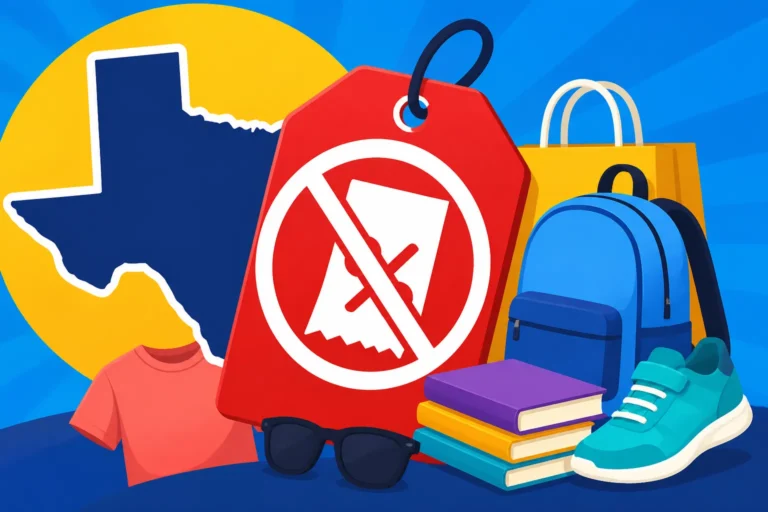
The Texas Sales Tax Holiday is a huge deal for families, students, and just about anyone looking to stock up on essentials before the school year kicks off. It's designed to give a little financial breathing room, allowing shoppers to purchase certain items without paying state and local sales taxes, which can add up to a significant amount, especially considering the Texas Sales Tax Rate (6.25% + Local 8.25% Max).
When Does the Texas Tax-Free Weekend Usually Happen?
For years now, the Texas Tax-Free Weekend has become a reliable sign that summer is winding down and the school bells are about to ring. Typically, this event takes place during the second full weekend of August. This timing is incredibly strategic, aiming to align perfectly with the back-to-school rush, helping parents outfit their kids for the upcoming academic year. Imagine the relief of knowing that those new clothes, backpacks, and stacks of notebooks won't have that extra percentage tacked on. It’s a genuine effort by the state to ease the financial burden on families, and it’s something many Texans look forward to all year. The dates are usually announced well in advance, so keep an eye out for official notifications from the Texas Comptroller's office or reliable news sources to mark your calendar.
Who Can Participate?
This is where it gets really simple, and that's a good thing! The beauty of the Texas Tax-Free Weekend is its broad accessibility. You don't need a special student ID, a particular income level, or any kind of coupon or special documentation. It's for everyone! If you're a consumer walking into a retail store or shopping online in Texas during the designated holiday period, and you purchase an eligible item that meets the criteria, you automatically qualify for the sales tax exemption. It applies equally to parents buying for their children, college students picking up supplies, or even an individual buying new clothes for themselves. The state's goal is to stimulate the economy while helping consumers save, and making it universally available achieves just that. It's one of the few times you don't have to jump through hoops to save a little cash.
What Tangible Personal Property is Exempt?
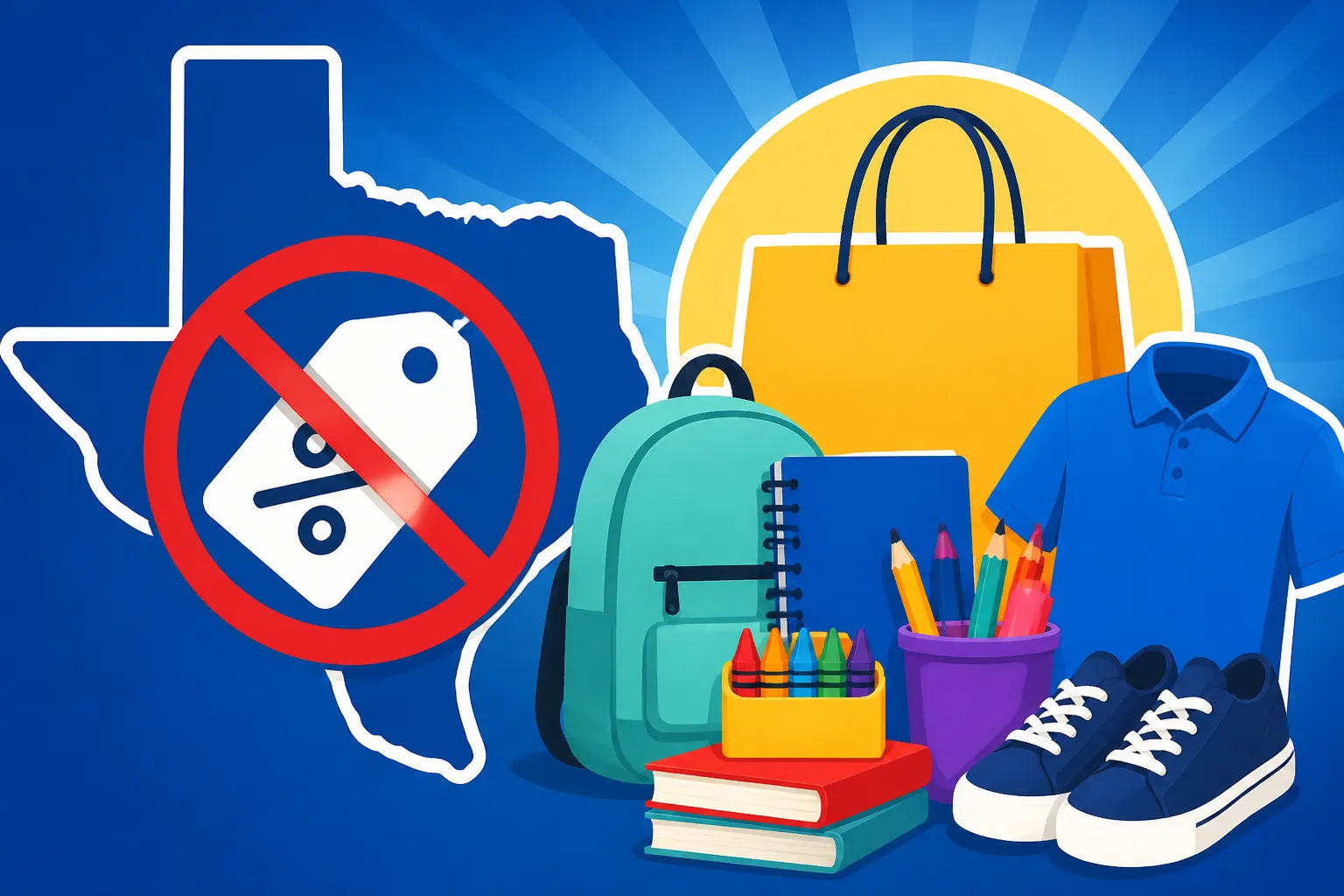
Alright, let's get down to the nitty-gritty: what can you actually buy without paying sales tax? The Texas Tax-Free Weekend primarily focuses on specific categories of items that are directly related to preparing for school. This isn't a free-for-all on all purchases, but rather a targeted relief for essential back-to-school needs. Businesses need robust systems, like those offered by Avalara, to accurately apply these exemptions during the designated period, ensuring compliance and seamless transactions.
Clothing and Footwear Exemptions
This is probably the most popular category during the tax-free weekend. Most articles of clothing and footwear qualify for the exemption, as long as the sales price of each eligible item is less than $100. Yes, that's per item, which is a crucial detail! So, if you're buying a $95 pair of jeans and a $40 shirt, both are exempt. If you fall in love with a pair of designer boots for $120, well, that's where the tax will kick in.
Think about the everyday clothes your kids (or you!) need for school:
- Shirts, blouses, sweaters, and jackets: From basic tees to dress shirts, most tops are covered.
- Pants, shorts, skirts, and dresses: Your staple bottoms and one-piece outfits are usually good to go.
- Socks, underwear, and sleepwear: Essential items for daily wear.
- Shoes and sneakers: As long as they meet the price cap, most footwear is included. This means those new tennis shoes for gym class or everyday sneakers are likely exempt.
However, there are some important exclusions to remember. The exemption generally does not apply to accessories like jewelry, handbags, wallets, watches, or briefcases. It also doesn't typically cover specialty clothing or protective gear like athletic pads, helmets, or golf shoes with cleats. Rental clothing, such as a rented tuxedo for prom, also isn't included. The intention is to cover general-purpose clothing and footwear for daily wear, not specialized items or luxury accessories. For a broader perspective on how different states handle apparel, you might want to check out our guide on Is Clothing Taxable? Sales Tax on Apparel by State.
School Supplies and Backpacks
Beyond clothing, school supplies are the other major category where you can rack up some savings. Just like with clothing, there's a price limit: each eligible school supply item must be sold for less than $100. This covers a wide array of items that students regularly use in the classroom, from kindergarten all the way through college.
Here's a breakdown of what usually qualifies:
- Writing instruments: Pens, pencils, markers, highlighters, crayons, and correction fluid.
- Paper products: Notebooks, loose-leaf paper, construction paper, and even legal pads.
- Binders and folders: Three-ring binders, report covers, and pocket folders for organizing papers.
- Art supplies: Clay, glues, glitter, paint, and paintbrushes.
- Calculators: Basic and scientific calculators, which can often be surprisingly expensive, are usually included if they meet the price threshold.
- Erasers, rulers, compasses, and protractors: All those essential tools for math and geometry.
- Scissors and tape: Practical items for countless school projects.
Backpacks are a significant inclusion in this category, also subject to the less than $100 per item rule. This is fantastic news for families, as a good quality backpack can be a considerable expense. It's important to note that generally, only traditional backpacks used to carry school books and supplies qualify. Items like luggage, duffel bags, or briefcases that aren't primarily used as school backpacks typically do not. So, that snazzy new carry-on bag for your summer vacation won't be tax-free, but the sturdy backpack for algebra class will be!
Sales Tax Exemption for Other Items
While clothing, footwear, and school supplies are the main stars of the Texas Tax-Free Weekend, it's good to be aware of what else is and isn't included, just to avoid any surprises. The general rule of thumb is that the holiday targets items specifically for K-12 students' back-to-school needs. This means the exemption is pretty narrow in scope and doesn't extend to many other items you might associate with student life.
For instance, items like textbooks, software, computers, or even specialized athletic equipment beyond basic shoes are generally not exempt. The state is very clear about the limited scope of the holiday. So, while you might be thinking of a new laptop for your college student, that purchase won't be tax-free under this specific exemption. Similarly, things like jewelry, cosmetics, or specialty items you might buy for personal use don't qualify. The focus remains steadfast on helping families with the immediate and recurring costs of getting ready for school. It's all about tangible personal property that fits neatly into the "clothes on your back" and "tools for the classroom" categories. If you're ever in doubt, it's always wise to double-check the Texas Comptroller's official list for the specific year, as details can sometimes have minor tweaks.
What Items Are NOT Included in the Tax-Free Weekend?
Understanding what's not included is just as crucial as knowing what is. The sales tax holiday isn't a blanket exemption for all purchases, and misinterpreting the rules can lead to disappointment at the checkout. Knowing the boundaries will help you plan your shopping effectively and avoid any frustrating surprises.
Price Limits and Exclusions
The $100 per item price cap is the most significant exclusion. This isn't just a guideline; it's a hard limit. If a qualifying item—whether it's a pair of shoes, a dress, or a backpack—has a sales price of $100 or more, it is not exempt from sales tax. You'll pay the full sales tax on the entire price of that item. For example, if you find a fantastic winter coat for $105, even though it's clothing, it falls outside the exemption. It's not that the first $99.99 is tax-free and you pay tax on the extra $5.01; the entire $105 becomes taxable.
This rule applies to individual items. If you buy a set, like a package of three shirts for $75, that's generally fine because the total package is under $100. However, if the shirts were sold individually and each cost $30, the three shirts would still be exempt because each individual unit is under $100. It's all about that "per item" rule. Many people get confused, thinking the $100 applies to their entire shopping cart, but it truly is a line-item consideration. This is a common area where businesses, even with advanced sales tax software like Avalara, need to ensure their systems are configured correctly to differentiate between eligible and ineligible items based on price.
Accessories, Sportswear, and Specialized Items
Beyond the price cap, many items that you might consider "clothing" or "school-related" are specifically excluded because they don't fit the core definition of general-purpose apparel or basic school supplies. These are items that, while often desirable, aren't deemed essential for basic school attendance or everyday wear.
Here’s a list of common exclusions:
- Accessories: This is a broad category that includes jewelry, watches, handbags, purses, briefcases, luggage, wallets, sunglasses, and hair accessories. Essentially, if it's not worn directly on the body for warmth or modesty, it's likely taxable.
- Specialized Sportswear: Items like baseball gloves, football pads, shin guards, and athletic helmets are not tax-free. While crucial for sports, they are considered specialized equipment rather than general clothing. Cleats with spikes are typically excluded as well, falling under specialty footwear.
- Protective Gear: Safety glasses, respirators, and work gloves are also generally taxable, as their primary function is protection, not general attire.
- Rental Items: If you rent clothing, such as a tuxedo for a dance or a costume, it will be subject to sales tax. The exemption applies to purchases, not rentals.
These exclusions are important to keep in mind, especially when you're doing a big shopping trip. It's easy to assume everything you're buying for your child might be exempt, but the state has drawn clear lines to focus the tax relief.
Non-Qualifying School-Related Purchases
While the weekend is called "Tax-Free Weekend" and is heavily promoted for "back-to-school" shopping, it’s not a free pass on all educational items. Several key categories that are undeniably school-related still do not qualify for the exemption. This is where a clear understanding of the specifics of What Qualifies for Tax-Free Weekend? really comes into play.
Here are some of the most common school-related items that remain taxable:
- Textbooks: Whether for K-12 or college, textbooks are generally taxable. This can be a significant expense, so it's a common misconception that they'd be included.
- Software: Any computer software, even educational programs, is typically not exempt. This includes things like word processing suites, design software, or educational games.
- Computers and Laptops: This is a big one. Despite being essential tools for modern education, personal computers, laptops, tablets, and their peripherals (like printers or external hard drives) are not covered by the Texas sales tax holiday. Some states have special exemptions for these, but Texas's general sales tax holiday does not include them.
- Cell Phones: Similarly, smartphones and other communication devices are fully taxable.
- Athletic Equipment: As mentioned earlier, while general athletic shoes under $100 might qualify, things like basketballs, soccer balls, tennis rackets, and other sports gear are not included.
- Items for Home Use Not Directly for School: Things like furniture for a student's desk, decorative items for a dorm room, or general household supplies, while they might create a better study environment, are not considered school supplies for the purpose of this holiday.
The narrow focus is truly on the basics: the clothes students wear and the fundamental supplies they need for classwork (pens, paper, binders). Anything beyond these highly specific categories, especially higher-ticket tech items, will still incur the standard sales tax. If you're planning a significant purchase for a student, such as a new computer, you'll need to factor in the sales tax as usual. It's a prime example of why knowing the intricacies of How to Calculate Sales Tax (Step by Step) is always a useful skill for shoppers.
Practical Shopping Tips for the Tax-Free Weekend
Making the most of the Texas Tax-Free Weekend requires a bit of strategy. It’s not just about knowing what’s exempt, but also how to navigate the shopping experience itself, whether you're battling crowds in stores or browsing online.
Online vs. In-Store Purchases
Good news! The Texas Tax-Free Weekend generally applies to purchases made both in brick-and-mortar stores and through online retailers. This means you have flexibility in how you shop, which is especially helpful for those who prefer to avoid the crowds that often descend on stores during these savings events.
- Online Purchases: If you're shopping online, the key is that the item must be both ordered and paid for during the official tax-free period. This means you can't just put items in your cart a week early and expect them to be tax-free if you check out on the Monday after the holiday. The sales tax calculation is typically done at the point of sale. Another important consideration for online orders is shipping and handling charges. In Texas, if an item is exempt from sales tax, any shipping and handling charges for that item are also generally exempt, as long as they are part of the same transaction. This is a nice bonus and adds to your overall savings. Online retailers, especially those selling across state lines, rely heavily on sophisticated systems, often from providers like Avalara, to correctly apply these tax rules based on the customer's location and the timing of the purchase. For more insights on this, our article on Does Online Shopping Have Sales Tax? could be very helpful.
- In-Store Purchases: For traditional shopping, simply make your purchases during the designated weekend hours. The sales tax will automatically be removed from qualifying items at the register. Expect stores to be busy, so consider shopping during off-peak hours if possible. Some retailers might even extend their hours or offer special deals to coincide with the holiday, so keep an eye on those advertisements!
Returns, Exchanges, and Rain Checks
Even with the best planning, sometimes things don't work out. Understanding how returns, exchanges, and rain checks are handled during and after the tax-free weekend is important.
- Returns: If you bought an item tax-free during the holiday and decide to return it after the holiday, the refund will typically be for the amount you paid (the price without tax). If you return an item during the holiday that you bought before the holiday (and it was taxable), and then re-buy it, it could potentially be tax-free if it qualifies and you make the new purchase during the holiday. This is quite complex, and most people just return items for the original amount paid.
- Exchanges: If you exchange an item for a different size or color during the tax-free weekend, and the new item also qualifies and meets the price limit, it will remain tax-free. If you exchange an item after the tax-free weekend, and the replacement item is identical (e.g., same shirt, different size), the original tax treatment generally carries over. If you exchange for a different, qualifying item, you would typically receive a credit for the tax-free purchase, and the new item would be subject to sales tax if the holiday has passed.
- Rain Checks: This is usually good news! If a store runs out of an eligible item during the tax-free weekend and issues you a rain check, that rain check typically allows you to purchase the item tax-free at a later date, even after the holiday has ended. The key is that the rain check itself must be issued during the sales tax holiday for an eligible, out-of-stock item. This ensures you don't miss out on savings due to inventory issues.
Leveraging the Holiday Smartly
To truly maximize your savings, a little pre-planning goes a long way. This isn't just about avoiding sales tax; it's about smart consumer behavior.
- Make a List: Before the weekend even begins, sit down and make a detailed list of all the clothing and school supplies your family needs that fall within the exempt categories and price limits. This prevents impulse buys that might not even be tax-free.
- Check Store Ads: Retailers often run sales and promotions that coincide with the tax-free weekend. Combining these store discounts with the sales tax exemption can lead to significant overall savings. Keep an eye on flyers, emails, and social media from your favorite stores like Target, Walmart, or Old Navy.
- Budgeting: Even though items are tax-free, they still cost money! Set a budget for your tax-free shopping to avoid overspending.
- Compare Prices: Don't just assume a store's pricing is the best. Do a quick comparison, especially for higher-priced eligible items like calculators or specific clothing brands, to ensure you're getting the best deal before the tax savings are even factored in.
- Understand Sales Tax Rates by State 2026: All 50 States: While the holiday is a specific exemption, being aware of the general sales tax landscape can inform your overall shopping strategy throughout the year. For businesses trying to keep track of these dynamic rules, understanding that a comprehensive tool like Avalara can automate calculations and compliance for various tax holidays and regular sales tax periods is crucial for smooth operations.
By being informed and strategic, you can turn the Texas Tax-Free Weekend into a genuinely impactful savings event for your household.
Texas Tax-Free Weekend Eligibility Summary
To make things a little easier to digest, here's a quick summary of what typically qualifies and what generally doesn't during the Texas Sales Tax Holiday. Remember, the key phrase is "less than $100 per item."
| Category | Typically EXEMPT (less than $100 per item) | Generally NOT Exempt (even if less than $100, or if $100+) |
|---|---|---|
| Clothing | Jeans, shirts, dresses, skirts, socks, underwear, sleepwear, most shoes | Jewelry, handbags, watches, briefcases, luggage, athletic pads, helmets, rental clothing, any clothing item $100 or more |
| Footwear | Sneakers, dress shoes, sandals, boots (under $100 per pair) | Cleats with spikes, specialized athletic footwear, any footwear $100 or more |
| School Supplies | Pens, pencils, paper, notebooks, binders, crayons, markers, calculators, glue, scissors, rulers, compasses | Textbooks, software, computers, cell phones, art easels, sports equipment |
| Backpacks | Traditional school backpacks (under $100 per item) | Luggage, duffel bags, briefcases, handbags (even if used for school) |
| Other | N/A (focus is very specific to clothing, footwear, school supplies) | Furniture, electronics (other than basic calculators), groceries, prepared food, any item $100 or more |
This table provides a quick reference, but always remember to refer to the Texas Comptroller's official guidelines for the specific year, as details can sometimes vary. For businesses, managing these exemptions accurately, especially when considering variables like shipping address and Is Sales Tax Based on Billing or Shipping Address?, can be complex without dedicated solutions.
Disclaimer
The information provided in this guide is for general informational purposes only and does not constitute professional tax advice. Sales tax laws are complex and subject to change. Always consult with a qualified tax professional or refer to the official Texas Comptroller's website for the most accurate and up-to-date information regarding sales tax holidays and exemptions.