Is E-books Taxable in California?
It can feel like a real head-scratcher trying to figure out sales tax rules, especially when it comes to digital products like e-books. You'd think a book is a book, right? But the world of sales tax doesn't always see it that way, and California, with its intricate tax laws, has a specific take. This guide is here to untangle that confusion, walking you through whether those beloved e-books you download are subject to sales tax in the Golden State.
The Digital Dilemma: When Does Sales Tax Apply to E-books?
For the longest time, sales tax was a pretty straightforward concept. You bought something tangible – a physical book, a new shirt, a car – and you paid tax on it. These were "tangible personal property," and that was the bedrock of sales taxation across the United States. But then, the digital age truly arrived, bringing with it a whole new category of "goods" that aren't quite physical in the traditional sense. This created a massive challenge for state tax departments, including California's, as they tried to fit these new digital squares into old, round tax holes.
The Fundamental Rule: Tangible Personal Property
Historically, the core principle of sales tax in almost every state, including California, is that it applies to the retail sale of "tangible personal property." Think of it as anything you can touch, hold, and move around. When you go into a bookstore and pick up a paperback, that's tangible personal property, and sales tax is applied at the register based on your local rate, which might include state and district taxes. This is why understanding How Combined Sales Tax Rates Work can be so vital. The rules were designed for a world of brick-and-mortar transactions and physical goods, making the jump to digital incredibly complex for both sellers and consumers.
California's Specific Stance on Digitally Delivered Goods
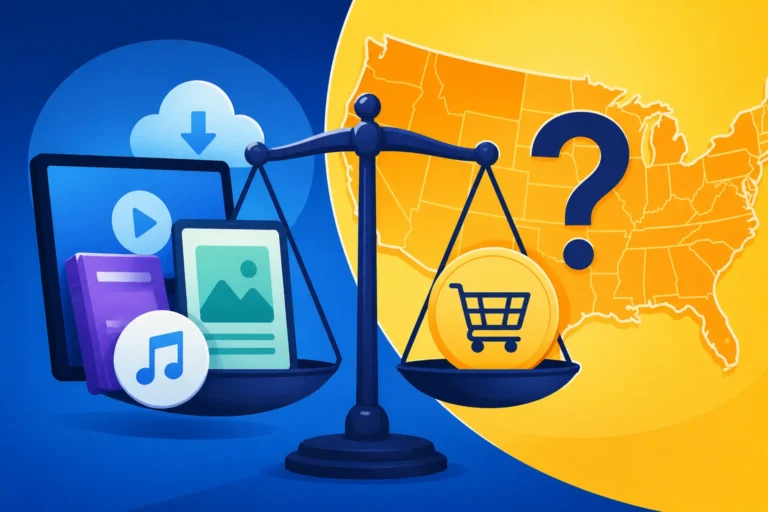
California, like many states, has had to grapple with how to classify digital products under its existing sales tax framework. The California Department of Tax and Fee Administration (CDTFA) generally views electronically delivered items as "intangible." And because sales tax is fundamentally levied on the sale of tangible personal property, intangible goods delivered digitally are typically exempt from sales tax in California. This means that if you're downloading a movie, a software program, or, yes, an e-book directly to your device, it usually won't be taxed. This is a crucial distinction that sets California apart from some other states which have adopted broader definitions for taxable digital products.
Unpacking E-books in California: Are They Taxable?
So, let's get right to the heart of the matter: your e-books. The general rule in California for e-books is quite favorable to consumers who prefer digital delivery. However, like many things in sales tax, there's a nuance that hinges entirely on how that e-book makes its way to you.
Direct Downloads vs. Physical Media: The Crucial Difference
For e-books in California, the absolute key differentiator for sales tax purposes is the method of delivery.
-
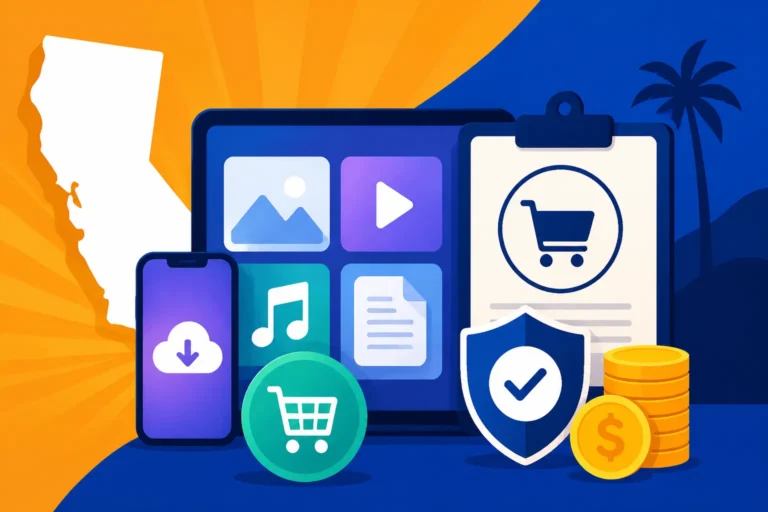
Electronically Delivered E-books (Direct Downloads): If you purchase an e-book and download it directly to your e-reader, tablet, or computer, California generally considers this an untaxable transaction. Why? Because the transaction involves the transfer of an intangible digital file without a transfer of tangible personal property. You're not receiving a physical item. This applies whether you're buying a single e-book from an online retailer or accessing it through a digital library service. For most people buying e-books today, this is the most common scenario, meaning you won't see sales tax added to your bill for the e-book itself. This is consistent with how Is Digital Products Taxable by State varies across the country.
-
E-books on Physical Media: Now, here's where the rule changes. If, for some reason, you were to purchase an e-book that came pre-loaded on a physical medium like a CD-ROM, a USB flash drive, or even a specialized proprietary cartridge (though this is less common for e-books today), then that transaction would be subject to sales tax. In this scenario, you're not just getting the intangible content; you're also receiving the tangible personal property (the disc or drive) that houses the content. The entire sale, including the value of the e-book, would be taxed at the applicable California sales tax rate, which currently stands at a base of 7.25% statewide, plus any applicable district taxes. You can learn more about how these rates work by checking out California Sales Tax Rate (7.25% Base + Districts).
Let's imagine a couple of everyday scenarios:
-
Scenario 1: The avid reader: Sarah lives in Los Angeles and loves to read. She buys a new release e-book from a popular online bookstore like Amazon Kindle or Apple Books and downloads it directly to her iPad. Since this is an electronic transfer of an intangible product, Sarah will not be charged California sales tax on the e-book purchase itself. She might pay other fees, but not sales tax.
-
Scenario 2: The retro tech enthusiast: David is a collector of old e-reader technology. He finds a rare e-book collection from the early 2000s on a proprietary memory card designed for an antique device. He purchases this memory card online. Because the e-book content is delivered on a tangible memory card, that entire purchase would be subject to California sales tax.
Subscription Models and E-books
What about e-book subscriptions? Many services offer unlimited access to a library of e-books for a monthly or annual fee. Examples include Kindle Unlimited, Scribd, or even local library digital offerings through platforms like Libby. In California, these subscription services, which typically provide access to content for electronic download or streaming, are generally considered to be the provision of a service or the licensing of intangible property. Therefore, the subscription fees for these services, including those providing e-books, are typically not subject to California sales tax, as long as no tangible personal property is transferred as part of the primary transaction. This aligns with the state's general policy on digitally delivered intangible goods.
What This Means for E-book Sellers and Buyers in California
Understanding these nuances is important for both sides of the transaction: the consumer enjoying their new read and the business trying to stay compliant.
For Shoppers: What to Expect at Checkout
As an e-book consumer in California, you should generally expect not to see sales tax applied to your digital e-book purchases when they are downloaded directly. If you do see sales tax on an e-book that was delivered electronically, it might be worth double-checking the vendor's practices or the specific item description to ensure it wasn't part of a larger, tangible product bundle. Most major retailers and platforms are well-versed in California's rules, so it's usually a smooth, tax-free transaction for direct digital downloads. If you're ever curious about how much sales tax you would pay on a physical item, a quick check with a Sales Tax Calculator: How to Calculate Sales Tax can be helpful.
For Businesses: Ensuring Compliance with California's Rules
For businesses selling e-books to customers in California, these rules are vital for accurate tax collection and remittance. If you're selling e-books that are purely digital downloads, you generally do not need to collect sales tax from your California customers. However, if you're bundling e-books with physical products, or delivering them on a tangible medium, then sales tax collection becomes necessary.
The complexity multiplies for online sellers who operate across state lines. While California might not tax electronically delivered e-books, other states do. For instance, some states might consider e-books taxable if they are delivered via a "transferable" format, even if digital. This is where understanding your Economic Nexus by State 2026: Thresholds Guide becomes critical. If you meet the sales or transaction thresholds in other states, you might be required to collect tax from customers in those states, even if you don't have a physical presence there.
Managing these varying rules manually can be a huge headache, especially for growing businesses. Ensuring you're applying the correct tax (or no tax) based on the customer's location and the specific product type requires robust systems. This is where sales tax compliance software truly shines. Companies like Avalara provide automated solutions that can determine the correct sales tax rate, or exemption, for each transaction, taking into account the nuances of digital products across all states. This frees up businesses to focus on their core mission rather than getting lost in the labyrinth of sales tax regulations. For anyone selling online, knowing about options like Best Sales Tax Compliance Software 2027 is invaluable.
Broader Considerations for Digital Sales Tax Beyond E-books
While this guide focuses on e-books in California, it's helpful to briefly touch on the broader landscape of digital taxation, as it can impact any business or consumer involved in online commerce.
The Ever-Evolving Nature of Digital Taxation Nationally
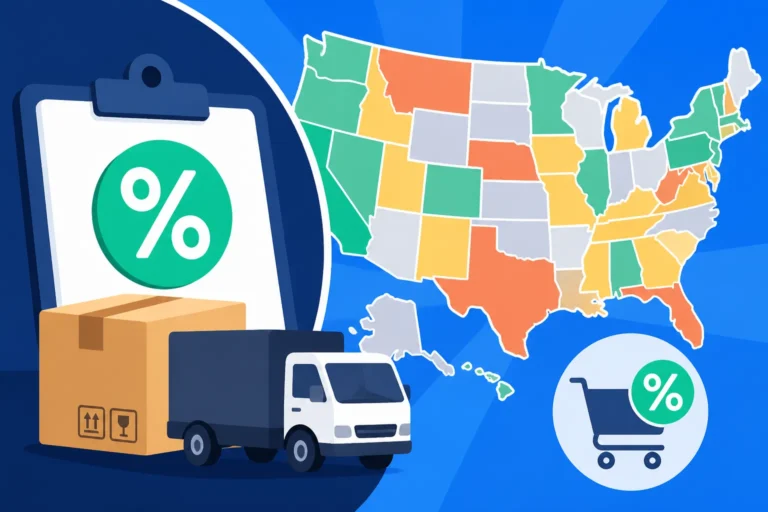
The sales tax treatment of digital products, including e-books, digital music, streaming services, and software, is one of the most dynamic and challenging areas of sales tax law. As mentioned, California takes a generally hands-off approach to electronically delivered intangible goods. However, many other states have enacted specific laws to tax various types of digital products, often defining them as "digital goods," "specified digital products," or even extending "tangible personal property" definitions to include electronically delivered items. For a business with customers nationwide, staying on top of these different rules is a continuous battle. What's tax-exempt in California could be fully taxable in a neighboring state, or even subject to different rates depending on the local jurisdiction. If you're a seller with a broader reach, you'll want to explore topics like Sales Tax for Online Sellers: Complete Guide to understand the full scope of your obligations.
The Value of Automated Sales Tax Solutions
Given the complexities, especially for businesses selling digital products across state lines, automation is no longer a luxury—it's a necessity. Manually tracking which digital product is taxable in which state, and at what rate, quickly becomes impossible. Imagine trying to keep up with the specific rules for e-books, digital magazines, streaming video subscriptions, cloud-based software (SaaS), and more, all while accounting for different state and local rates!
Automated sales tax solutions, like those offered by Avalara, are designed precisely for this challenge. They integrate with e-commerce platforms and accounting software to:
- Determine Nexus: Help identify where a business has sales tax nexus (the obligation to collect sales tax), whether physical or economic.
- Calculate Rates: Apply the correct sales tax rate (or exemption) based on the customer's address and the specific product being sold, including granular local and district rates.
- Manage Exemptions: Handle exemption certificates for business-to-business sales where applicable.
- File Returns: Prepare and often file sales tax returns automatically.
For any business, especially those in the digital goods space, investing in such a solution can save countless hours, prevent costly errors, and ensure compliance in an increasingly complex tax environment. This is particularly true given the constant changes in tax laws and the need to accurately report what you owe, or don't owe, to various tax authorities.
Here’s a quick summary for California e-books:
| Delivery Method | Sales Tax Applicable in California | Explanation |
|---|---|---|
| Electronically Downloaded | No | E-books purchased and downloaded directly to a device (e.g., Kindle, tablet, computer) are considered intangible digital products and are not subject to California sales tax. |
| On Physical Media | Yes | If an e-book is provided on a tangible storage medium (e.g., CD-ROM, USB drive, memory card), the entire transaction, including the value of the e-book content, is subject to California sales tax as it involves the transfer of tangible personal property. |
| Subscription Access | No | Fees for subscription services that grant access to a library of e-books (e.g., Kindle Unlimited, Scribd) are generally treated as services or licenses of intangible property and are typically not subject to California sales tax, provided no tangible goods are transferred. |
This breakdown should make it clearer that when you're cozying up with your favorite e-book downloaded straight to your device in California, you can enjoy it knowing you're not paying sales tax on that particular digital purchase.
Disclaimer
The information provided in this article is for general informational purposes only and does not constitute legal, tax, or accounting advice. Sales tax laws are complex and subject to change. Always consult with a qualified tax professional for advice tailored to your specific situation.