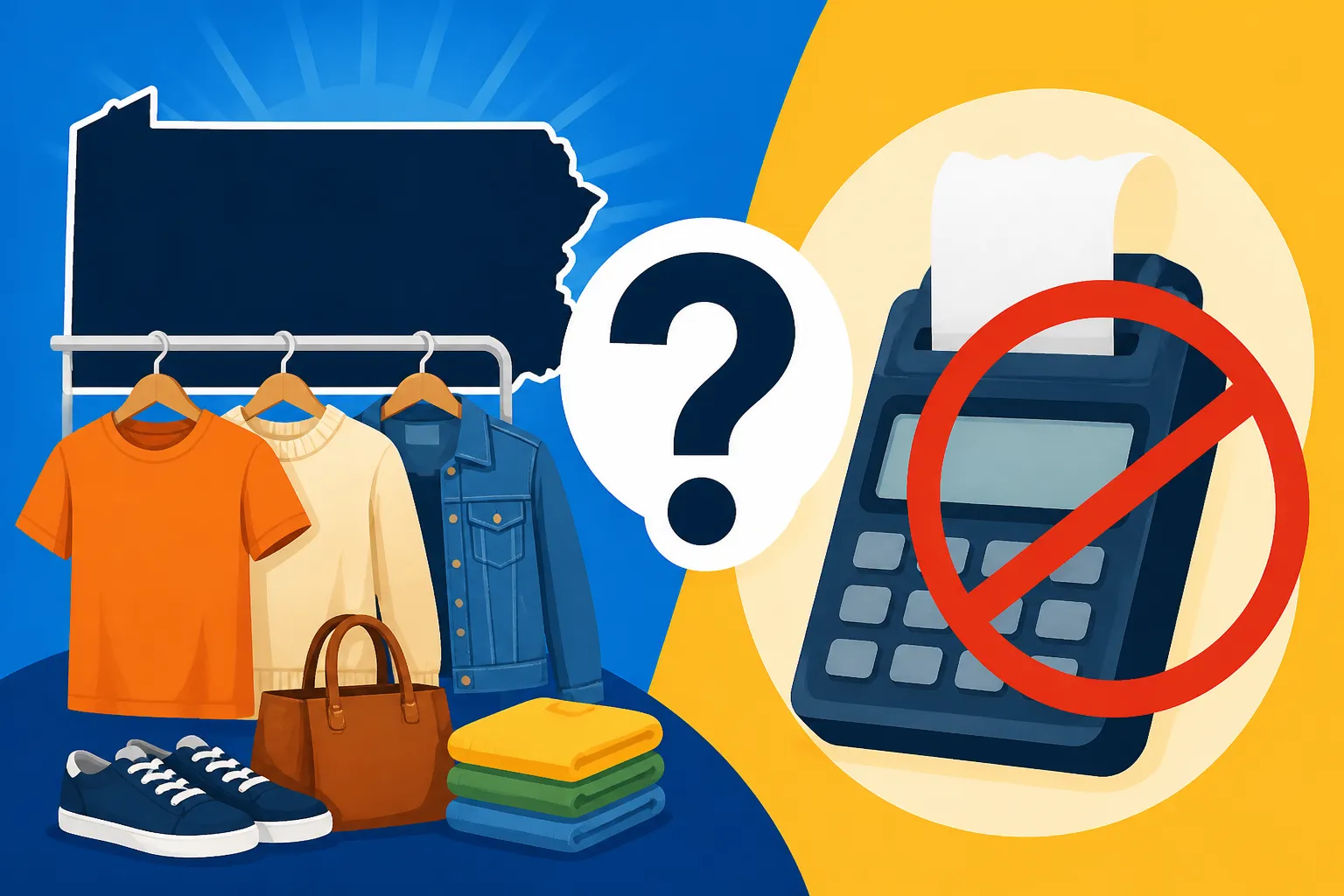
Is Clothing Taxable in Pennsylvania?
Figuring out sales tax on everyday purchases can feel like trying to solve a Rubik's Cube blindfolded, and when it comes to clothing, it gets even trickier because the rules vary wildly from state to state. If you’re shopping in or selling to Pennsylvania, you might be wondering, "Is clothing taxable here?" This guide will clear up the confusion, diving deep into Pennsylvania's unique sales tax exemptions for apparel and highlighting the critical exceptions you absolutely need to know.
The Big Picture: Pennsylvania's General Sales Tax Rule for Clothing
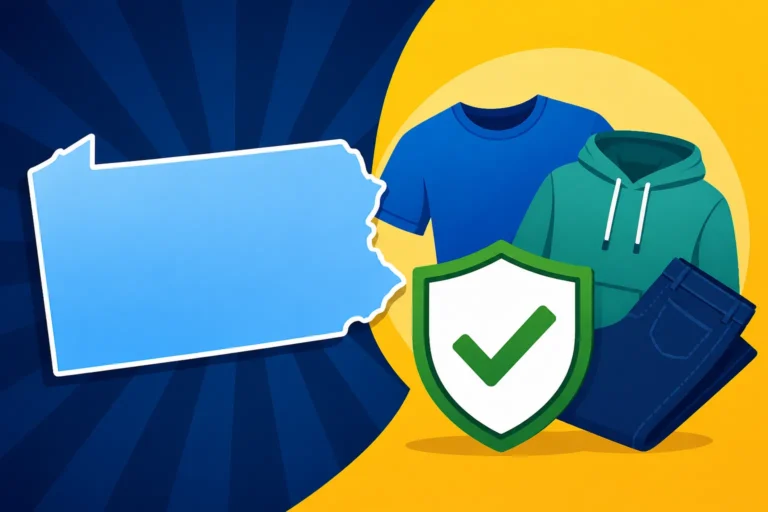
Let's cut right to the chase, because this is often where the biggest relief comes in for shoppers and a sigh of exasperation for sellers trying to stay compliant: most clothing in Pennsylvania is not subject to sales tax. That's right, the Keystone State offers a pretty generous exemption on clothing and footwear, making it one of the few states where you don't typically pay extra on that new pair of jeans or a winter coat.
This exemption is a huge draw for residents and cross-border shoppers alike, particularly those coming from states where every clothing item, no matter how basic, gets taxed. Imagine buying an entire wardrobe and not seeing that extra percentage added to your total at the register. It’s a significant saving, especially when you’re outfitting a growing family or refreshing your professional attire. This makes Pennsylvania stand out when you compare its rules to others in the comprehensive guide on Sales Tax Rates by State 2026: All 50 States.
What "Generally Exempt" Really Means
When we say "generally exempt," it means exactly that – the vast majority of your everyday clothing items are free from Pennsylvania's 6% state sales tax. This includes:
- Your daily essentials: Think shirts, sweaters, pants, skirts, dresses, socks, underwear, pajamas, and even basic athletic wear like t-shirts and jogging pants that can be worn for general purposes.
- Outerwear: Coats, jackets, raincoats, and everyday hats (like a winter beanie).
- Footwear: Most shoes, sneakers, boots, and sandals for general use.
- Children's clothing: From infant onesies to school uniforms, if it's considered general clothing, it's typically exempt.
The state's Department of Revenue really aims to make basic apparel accessible without the added tax burden. For retailers, while this is great for customers, it means accurately identifying what falls into the exempt category and what doesn't, which can be a compliance headache without robust sales tax software like Avalara to help automate those distinctions. Understanding these definitions is key, much like understanding How to Calculate Sales Tax (Step by Step) on taxable items.
Why Pennsylvania is Different
Pennsylvania’s approach to taxing clothing is quite distinct from many other states. While some states like New Jersey also offer a broad exemption on clothing, many, if not most, states tax clothing just like any other tangible personal property. This is why you often see shoppers from neighboring states like New York, where most clothing is taxed (with a small exception for individual items under $110 in New York City), making trips across the border to Pennsylvania.
States like Pennsylvania and those participating in specific tax holidays (though PA doesn't have a recurring one for clothing) offer a different consumer experience. This difference underscores why it's so important for businesses, especially online sellers, to know the specific rules for every state they have nexus in. It's not just about knowing Which States Have No Sales Tax?, but also understanding the nuances of partial exemptions or specific taxable categories within states that generally have sales tax.
Exceptions to the Rule: When Clothing Is Taxable in Pennsylvania
Now, here's where the "generally exempt" part becomes critical, and where businesses and consumers often get tripped up. While many clothing items are exempt, Pennsylvania does tax certain types of apparel and related accessories. These exceptions are designed to capture sales tax on items considered either non-essential, luxurious, or specialized rather than basic clothing.
It's a common misconception that all clothing is tax-free in Pennsylvania, but that's simply not the case. Missing these distinctions can lead to under-collection for businesses (and potential audits) or unexpected charges for consumers.
Accessories and Adornments
This is a significant category of exceptions. Many items you might wear with your clothing, or items that are primarily for adornment rather than basic covering, are indeed taxable.
- Jewelry: All forms of jewelry, from rings and necklaces to earrings and bracelets, are subject to sales tax. This is pretty standard across states, but it's important to remember it doesn't fall under the clothing exemption.
- Handbags, Wallets, and Purses: These are considered accessories, not clothing, and are fully taxable. So, that stylish new purse you've been eyeing at a boutique in Philadelphia will have sales tax added.
- Scarves (decorative), Ties, and Belts: While sometimes functional, these are often considered fashion accessories or adornments. If a belt is sold as part of a suit, it might be exempt with the suit, but if sold separately, it's typically taxable. The same goes for decorative scarves and neckties.
- Wigs and Hair Pieces: These are also considered taxable accessories.
- Umbrellas: Functionality aside, umbrellas are categorized as taxable items in Pennsylvania, much like other personal accessories.
- Luggage: Suitcases, briefcases, and other forms of luggage are also taxable.
These distinctions are where the sales tax calculation gets complicated for retailers. An advanced solution like Avalara can help businesses automatically apply the correct tax rate to thousands of different product categories, ensuring compliance without manual oversight.
Athletic and Protective Gear
Another important set of exceptions covers specialized athletic and protective gear. The general rule for clothing applies to items that can be worn for everyday purposes, but once an item becomes specifically designed for a sport or offers protective qualities, it often becomes taxable.
- Sports Uniforms and Equipment: While a generic pair of sweatpants might be exempt, a football uniform, specialized cycling shorts with padding, or a baseball glove is taxable. Items like shin guards, helmets, and pads used for sports are also taxable.
- Costumes: Whether for Halloween, theatrical performances, or themed parties, costumes are generally considered taxable items. They are not viewed as everyday apparel.
- Protective Clothing: Items specifically designed for protection, such as industrial safety gloves, safety goggles, hard hats, and certain specialized work boots (e.g., steel-toed boots, if their primary purpose is protection rather than general wear), typically face sales tax.
- Scuba Suits and Wet Suits: These specialized garments, designed for specific aquatic activities, are also taxable.
Imagine outfitting a youth soccer team. While their basic t-shirts might be exempt, their cleats, shin guards, and team jerseys (if specialized) would likely be taxable. This kind of complexity demands a keen eye, or better yet, a reliable sales tax system to manage, especially when dealing with various items that fall into gray areas.
Fur Clothing and Formal Wear Rentals
Pennsylvania also makes specific exceptions for certain high-value or rental items:
- Fur Clothing: Any article of clothing where fur is the major component of the garment is taxable. This typically means fur coats, fur stoles, or vests where fur makes up a significant portion. A coat with a small fur trim would still be exempt if the fur is not the primary material. This distinction helps differentiate luxury items from everyday wear.
- Formal Wear Rentals: While buying an everyday suit is exempt, the rental of formal attire, such as tuxedos, wedding gowns, or other special occasion garments, is subject to sales tax. This is because it’s considered a rental service of tangible personal property, rather than a sale of general clothing.
Understanding these distinctions is paramount for sellers operating in Pennsylvania. It's not enough to simply know that "clothing is exempt"; you must know the specific conditions and types of apparel that fall outside that exemption.
Here’s a quick glance at some common items to help clarify the taxable versus exempt categories in Pennsylvania:
| Exempt Clothing Items | Taxable Clothing Items/Accessories |
|---|---|
| T-shirts, shirts, blouses, sweaters | Jewelry (earrings, necklaces, rings) |
| Jeans, pants, shorts, skirts, dresses | Handbags, purses, wallets |
| Underwear, socks, pajamas | Belts (if sold separately as an accessory) |
| Everyday shoes, sneakers, boots, sandals | Decorative scarves, neckties |
| Coats, jackets, raincoats | Wigs, hair pieces, hair accessories |
| Basic athletic wear (generic t-shirts, jogging pants) | Umbrellas |
| Children's clothing, baby clothes | Luggage, briefcases |
| Work uniforms (if considered general apparel) | Sports uniforms (specialized), athletic pads, helmets |
| Costumes (Halloween, theatrical) | |
| Protective clothing (safety gloves, goggles, hard hats) | |
| Scuba suits, wet suits | |
| Fur clothing (where fur is the major component) | |
| Formal wear rentals (tuxedos, wedding gowns) |
How to Navigate the Nuances as a Shopper or Seller
For consumers, knowing these rules means you can shop smarter. For businesses, it means staying compliant and avoiding penalties. The complexity of sales tax, even for a single product category like clothing, highlights why clear guidance and accurate systems are so important. This also applies to other goods, as illustrated in guides like Is Groceries Taxable? Sales Tax on Groceries & Food by State.
Checking Your Receipt
As a shopper, always glance at your receipt, especially when buying items that might fall into those gray areas. If you're charged sales tax on an item you believe should be exempt, it's worth politely asking the retailer for clarification. Sometimes it's an honest mistake, or perhaps the item truly falls under one of Pennsylvania's specific taxable categories. For example, you might buy a basic t-shirt (exempt) and a decorative scarf (taxable) in the same transaction.
Understanding the difference between the state's base rate and potential local taxes can also be insightful, although Pennsylvania’s sales tax is simpler than states with complex district taxes like those in California District Taxes Explained. In Pennsylvania, the state rate is 6%, with an additional 1% in Allegheny County (e.g., Pittsburgh) and 2% in Philadelphia County, bringing the total to 7% or 8% in those areas respectively for taxable goods.
Understanding Different Retailer Practices
Different types of retailers may handle these distinctions in varying ways. Large department stores often have sophisticated point-of-sale (POS) systems that are programmed to correctly apply sales tax based on product categories. Smaller boutiques or online sellers, however, might rely more on manual coding or less advanced systems, which can sometimes lead to errors.
For businesses, especially those selling a wide array of products including both exempt clothing and taxable accessories, managing this manually is a nightmare. This is where sales tax compliance software truly shines. Solutions like Avalara integrate with e-commerce platforms and POS systems to automatically determine the taxability of each item based on its product code and the specific rules of Pennsylvania (or any other state). This helps ensure that you are collecting the correct amount of sales tax, whether you're selling a tax-exempt pair of jeans or a taxable handbag. It also becomes crucial for businesses trying to understand their overall sales tax obligations, including topics like Sales Tax for Online Sellers: Complete Guide and Economic Nexus by State 2026: Thresholds Guide.
Understanding Related Exemptions
While we're talking about exemptions, it's helpful to remember that Pennsylvania also offers tax breaks on other essential items, which further emphasizes its consumer-friendly tax policies on necessities.
Groceries and Medicines
Just like most clothing, most unprepared food and groceries are exempt from sales tax in Pennsylvania. So, your weekly grocery haul at a Giant Eagle in Pittsburgh or a ShopRite in Philadelphia won't have sales tax added to the food items. This is a significant relief for household budgets. Similarly, prescription and most over-the-counter medicines are also exempt.
However, just like with clothing, there are nuances. Prepared foods, such as takeout from a restaurant, deli sandwiches, hot beverages, or candy, are generally taxable. This distinction between "grocery food" and "prepared food" is a common source of confusion across many states, and Pennsylvania is no exception. For a deeper dive, check out our article on Are Groceries Taxed Differently Than Restaurant Food?.
The key takeaway is that Pennsylvania aims to keep essential goods affordable by exempting them from sales tax, but the definition of "essential" has very specific legal boundaries that retailers must navigate with care.
Final Thoughts for Consumers and Businesses
Pennsylvania's sales tax exemption on most clothing is a definite perk for shoppers and a unique challenge for businesses. While it seems straightforward at first glance, the detailed exceptions for accessories, specialized gear, fur, and rentals mean that retailers must be meticulous in their product categorization and tax collection processes. For businesses, relying on guesswork or manual tracking can lead to costly errors and compliance issues down the line. Leveraging automated sales tax solutions can make a world of difference in maintaining accuracy and peace of mind.
Disclaimer
Please note that this guide provides general information about sales tax laws in Pennsylvania and should not be considered legal or tax advice. Sales tax regulations are complex and can change frequently. Always consult with a qualified tax professional or refer to the official Pennsylvania Department of Revenue resources for advice specific to your business or situation.