Are Services Taxable in My State?
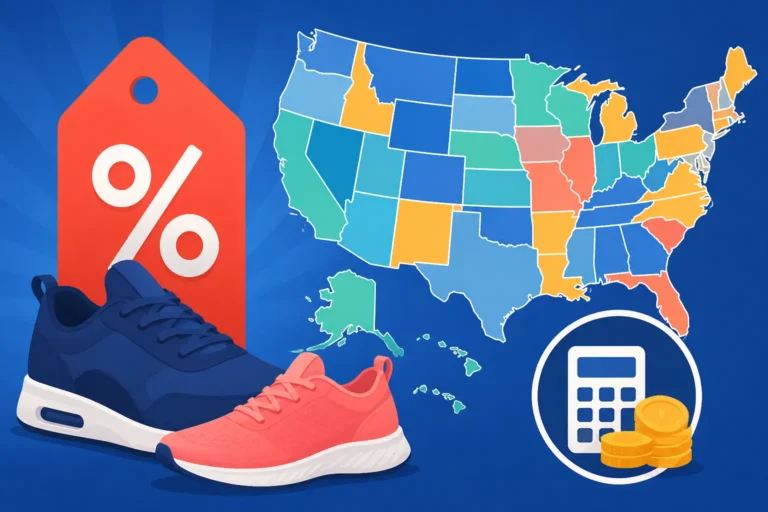
Trying to figure out if you need to charge sales tax on the services you provide can feel like navigating a legal jungle blindfolded. It's incredibly frustrating when one state says "yes" and the next says "no," or when a simple service suddenly becomes taxable because a tangible product is involved. This comprehensive guide is here to shed light on the often-confusing world of sales tax on services, helping you understand the general rules, state-specific quirks, and how to stay compliant without losing your mind.
The Fundamental Sales Tax Divide: Tangible Personal Property vs. Services
At its core, the sales tax system in the United States was originally designed around the taxation of tangible personal property – things you can touch, see, and move. Think about buying a new shirt, a car, or a coffee maker. These items are pretty straightforward when it comes to sales tax. You pay the tax, the merchant collects it, and everyone understands the deal.
The General Rule of Thumb
Historically, services were generally exempt from sales tax. This meant that if you hired someone to cut your lawn, fix your plumbing, or give you legal advice, you typically wouldn't see sales tax added to the bill. This wasn't because services were seen as less valuable, but because of the practicalities of taxation and the historical intent of sales tax laws. It was much easier for states to identify and tax physical goods changing hands than to try and quantify and track intangible services. For many years, this simple distinction provided a clear, albeit sometimes arbitrary, line in the sand for businesses and consumers alike.
However, as economies evolved and services became a larger and larger part of commercial activity, states began to look for new revenue streams. The general rule of "tangible goods taxed, services not" started to fray around the edges, leading to the patchwork of laws we see today. If you're running a business, you can't just assume your service is exempt; you have to dig deeper into the specific regulations of each state where you operate or have customers.
Why Services Were Historically Exempt
The initial rationale for exempting most services was rooted in the concept of "consumption taxes." Sales tax was often envisioned as a tax on the final consumption of goods. Services, particularly professional ones like legal or accounting advice, were often seen as inputs to other businesses or as intangible transfers of knowledge rather than final consumer goods. There was also a significant administrative burden associated with taxing services. Imagine trying to assign a sales tax rate to every single varied service offered, from a dog walker to a management consultant. The sheer volume and subjective nature of services made them difficult to categorize, value, and track for tax purposes.
Furthermore, many services are performed for other businesses (B2B services). Taxing these could lead to "tax pyramiding," where a service is taxed multiple times as it moves through the supply chain before reaching the final consumer, thereby inflating costs and making the state less competitive. For example, if a manufacturer pays sales tax on the consulting services they use, and then passes those costs (including the embedded tax) onto the price of their product, and then the product itself is taxed, the consumer ends up paying tax on a tax. This is generally something states try to avoid.
Unpacking the Complexity: Why Service Taxability Varies Wildly
If only sales tax on services were as simple as "yes" or "no"! The reality is far more convoluted, leading to constant headaches for business owners and tax professionals alike. The biggest frustration often comes from the lack of uniformity across states, making multi-state compliance a genuine maze.
The Impact of "True Object" Test
One of the most perplexing aspects of service taxation is the "true object" test. This legal principle asks: what is the true object of the transaction? Is the customer primarily purchasing a tangible good, with the service merely incidental to that good? Or are they primarily purchasing a service, with any accompanying tangible items being minor or secondary? This test is a common way for states to determine how to categorize hybrid transactions.
For instance, consider a car repair shop. Is the customer buying the new brake pads (tangible good) or the service of having them installed (service)? Most states would argue the true object is the repair service, and the parts are incidental to that service. However, if the service itself is taxable, then the entire transaction might be subject to sales tax, including the parts. Conversely, if the service isn't taxable, but the parts are, the repair shop might need to separately state the parts and the labor on the invoice and only charge tax on the parts. This creates a challenging situation for businesses that need to understand how to correctly itemize invoices. States like Texas, for example, have very specific rules about distinguishing between materials and labor for services like repairs and improvements to real property.
State Revenue Needs and Shifting Definitions
The primary driver behind the increasing taxation of services is, quite frankly, state revenue needs. As consumption patterns shift from goods to services (think subscriptions, digital content, and experiences), states look for ways to broaden their tax base and capture revenue from these growing sectors. This means that what was once comfortably exempt can suddenly become taxable, often with little warning or grandfathering for existing businesses.
Adding to this complexity are the ever-evolving definitions of what constitutes a "service" and what makes it "taxable." Some states might define a specific service, like landscaping, as taxable, while others do not. Others might tax specific digital services, like streaming, but not others. The definitions are constantly being updated, often in legislative sessions, and it’s a constant battle for businesses to keep up with the 2026 Sales Tax Rate Changes by State and the changing scope of taxability. This constant flux means that even if you were compliant last year, you need to re-evaluate regularly.
How Bundling Goods and Services Blurs Lines
Few transactions in the modern economy are purely one or the other. More often than not, businesses offer a blend of tangible goods and intangible services. This bundling creates significant ambiguity. Think about a web design agency that provides website development (service) but also sells a theme or stock photos (tangible digital goods). Or a catering company that provides food (tangible) and serving staff (service). When these elements are inseparable, states often have rules for how to tax the entire transaction.
Generally, states will look at the predominant element. If the service is merely incidental to the sale of a tangible good, the entire transaction may be taxed as a good. If the tangible good is incidental to the service, it might be taxed according to the service rules. However, many states require businesses to unbundle or separately state the goods and services on an invoice if they wish to apply different tax treatments. For example, if a construction company installs a new kitchen, the materials (cabinets, countertops) might be taxable, but the labor for installation might not be in some states, provided the labor is separately itemized. This requires meticulous record-keeping and billing practices.
Common Categories of Taxable Services (and the Exceptions)
While the general rule is often "services are exempt," the exceptions are numerous and growing. States typically target specific categories of services that are easier to define, track, and generate significant revenue.
Digital Services and Software-as-a-Service (SaaS)
One of the fastest-growing areas of service taxation is in the digital realm. As businesses and consumers increasingly rely on cloud-based software, streaming media, and digital content, states have moved to tax these offerings. The taxability of digital products and services is a massive topic on its own. For instance, many states now tax Digital Products Sales Tax by State including e-books, music downloads, and streaming subscriptions like Netflix or Spotify.
The situation with Is SaaS Taxable? Software-as-a-Service by State is particularly complex. Some states, like Texas, have a long-standing rule that taxes 80% of data processing services, which often includes SaaS. Other states, like Washington, broadly tax digital goods and services. Louisiana recently began taxing SaaS in January 2025, showing how quickly these laws can change. The challenge here is defining what constitutes "software as a service" versus a "professional service" or "data processing." The lines are blurry, and each state's definition can vary dramatically. Businesses selling SaaS or other digital services must meticulously track where their customers are located to ensure they're applying the correct tax, if any.
Installation, Maintenance, and Repair Services
These types of services are a classic example of where the "true object" test often comes into play. Many states treat installation services differently depending on whether they are for real property (like installing a new furnace in a house) or tangible personal property (like installing car parts). Generally, labor to improve real property is often exempt, while labor to repair tangible personal property might be taxable, especially if it's not separately stated from the parts.
For example, in New York, the labor for installing a custom kitchen in a home is typically not taxable, but the cabinets and appliances themselves are. However, if you're taking your laptop to a repair shop in Washington state, the labor to fix it is generally taxable, along with any parts used. States like Tennessee also often tax repair and installation labor. It's a key area where Is Labor Taxable? Sales Tax on Labor by State becomes a crucial question, and the answer almost always depends on the specifics of the item being serviced and the state's statutes. Companies providing these services need clear billing practices and often require specific resale certificates or exemption forms from their business clients to avoid charging tax on components purchased for resale.
Business and Professional Services
Generally, traditional professional services like legal advice, accounting, consulting, advertising, and medical services are exempt from sales tax in most states. However, there are notable exceptions. New Mexico and Hawaii, for example, have very broad General Excise Taxes (GET) or gross receipts taxes that apply to almost all services, including professional ones. In these states, service providers essentially pay a tax on their gross income, which is often passed on to the customer.
Some states also tax specific business services. For instance, some may tax security services, debt collection services, or certain types of information services. If you're a marketing agency, you might find your advertising services exempt in most states, but if you're selling tangible promotional items, those would definitely be taxable. This highlights the importance of understanding the precise nature of the service you offer and how each state chooses to classify it. It's not uncommon for a service to be explicitly exempt in one state's tax code and explicitly taxable in another's.
Telecommunications and Utility Services
Utilities and telecommunications are almost universally subject to sales tax, or a similar excise tax, across all states. This includes your phone bill, internet service, electricity, and natural gas. These services are so pervasive that they represent a reliable and significant source of revenue for state and local governments. While the rates might vary, and some jurisdictions might offer exemptions for residential use or specific income levels, the principle of taxing these essential services is well-established.
The complexity here often lies in differentiating between various types of telecommunication services (e.g., voice, data, bundled services) and applying the correct jurisdiction's tax rate. For example, if a mobile phone plan includes unlimited talk, text, and data, some states might tax different components at different rates or tax the entire bundle. The intricacies of Combined State + Local Sales Tax Rates Explained are very much at play here, as local jurisdictions often add their own specific taxes or fees onto utility bills.
State-Specific Spotlight: Key Examples of Service Taxation
To truly grasp the variability, it helps to look at some concrete examples of how different states approach the taxation of services. This isn't an exhaustive list, but it illustrates the range of approaches.
States with Broad Service Taxation (e.g., New Mexico, Hawaii)
When we talk about states that broadly tax services, New Mexico and Hawaii are often cited. They operate under a gross receipts tax system, rather than a traditional sales tax, which means businesses pay a tax on their total gross income from sales, including most services.
In New Mexico, for example, the Gross Receipts Tax (GRT) applies to nearly all services performed within the state. If you provide any service – consulting, cleaning, web design, repairs, you name it – you are generally subject to GRT. While the burden often falls on the seller, it's typically passed on to the customer, much like sales tax. This system is different from sales tax because it's a business privilege tax, but its practical effect for consumers is similar to a sales tax on services. Businesses must register for a GRT identification number and report their gross receipts, deducting any non-taxable transactions like sales for resale.
Similarly, Hawaii levies a General Excise Tax (GET) on almost all business activities, including the provision of services. The GET is also a tax on the privilege of doing business in Hawaii, and it applies at various rates depending on the activity (e.g., wholesaling, retailing, services). For most service providers, the rate is 4%. This means that if you're offering design services or legal advice in Hawaii, you're generally going to be subject to GET on your income. These states are outliers in their broad approach, making service taxability less ambiguous but more widespread.
States with Selective Service Taxation (e.g., Texas, Washington)
Most states fall into this category, taxing specific services rather than all of them. This is where the complexity truly ramps up, as businesses need to know the detailed tax code for each service they offer.
Texas is a prime example of a state with selective service taxation. While many professional services are exempt, Texas broadly taxes "information services" and "data processing services" (which can include SaaS and cloud computing at an 80% taxable rate), along with certain repair, maintenance, and remodeling services for tangible personal property. If you're providing a service that modifies or repairs an existing item, or provides information, there's a good chance it's taxable in Texas. For example, a home remodeling service that includes installing new cabinets will see the materials taxed, but the installation labor is exempt if separately stated. However, a car repair shop fixing a broken headlight will tax both the new headlight and the labor to install it, as it's a repair to tangible personal property. Texas's rules are quite granular, making it crucial for businesses to look up the specific classification of their service. To complicate matters further, the Texas Sales Tax Rate (6.25% + Local 8.25% Max) applies to those taxable services.
Washington state also selectively taxes services, but their approach is often broader for digital and certain professional services. Washington's Business and Occupation (B&O) tax is a gross receipts tax that applies to most businesses, including service providers. However, for sales tax purposes, Washington also taxes "digital products" and certain "custom software" and "information services." This means if you're providing web design, custom software development, or a streaming service to Washington residents, those could be subject to sales tax. Like Texas, Washington Sales Tax Rate Explained means businesses need to understand both the state's sales tax and B&O tax rules, as they apply to different aspects of their revenue.
States with Minimal Service Taxation (e.g., California, Florida)
Some states still largely adhere to the historical norm of exempting most services, focusing primarily on tangible personal property for sales tax purposes.
California is a prime example. While it has a high base California Sales Tax Rate (7.25% Base + Districts), it generally does not tax services unless they are part of the sale of tangible personal property, or if the service itself results in the creation of a tangible product. For instance, a graphic designer creating a logo (a service) would typically not charge sales tax, but if they then print that logo on t-shirts for the client, the t-shirts (tangible personal property) would be taxable. However, even within California, district taxes can add layers of complexity, as seen in the California District Taxes Explained. Most professional, medical, legal, and personal services remain exempt.
Florida also largely exempts services from sales tax, with some key exceptions. Services performed on tangible personal property, like repairs, are generally not taxable unless a tangible product is sold with the service. However, Florida does tax certain specific services, such as commercial rentals, admission to events, and some telecommunication services. If you're a landscaper in Florida, your labor isn't taxed, but the plants, mulch, and other materials you install are. The Florida Sales Tax Rate (6% + County Surtax) would apply to those taxable tangible items. These states represent a simpler environment for many service providers, but the "tangible good" rule still means careful consideration for hybrid transactions.
Navigating Compliance: Tools and Best Practices for Service Providers
The fragmented nature of service taxation means that compliance isn't just a "set it and forget it" task. For any business offering services, especially across state lines, it requires diligent attention.
Understanding Your Nexus for Services
Before you even think about whether your service is taxable, you first need to determine if you have a sales tax nexus in a particular state. Nexus is the connection between your business and a state that triggers an obligation to collect and remit sales tax. Traditionally, this was about physical presence (an office, warehouse, or employees). However, since the landmark South Dakota v. Wayfair Supreme Court decision, economic nexus has become paramount for online sellers and service providers.
Economic Nexus by State 2026: Thresholds Guide means that if your sales into a state (including services, if they're taxable) exceed a certain dollar amount or number of transactions, you might have nexus, even without a physical presence. These thresholds typically range from $100,000 in sales or 200 separate transactions per year. For example, the Economic Nexus Threshold in New York ($500k + 100 Sales) is significantly higher than many other states, but it still applies to taxable sales. If you meet the threshold in a state and your service is taxable there, you are obligated to register for a sales tax permit and begin collecting. This is a crucial first step for any service provider expanding their customer base beyond their home state. Understanding your Sales Tax Nexus Explained (Physical vs Economic) is non-negotiable in today's digital economy.
The Role of Sales Tax Software
Given the sheer complexity and constant changes in state and local sales tax laws, trying to manually track service taxability, rates, and nexus obligations is a recipe for disaster. This is where sales tax compliance software truly shines. These platforms are designed to automate the calculation, collection, and remittance of sales tax, significantly reducing the administrative burden and risk of errors.
Companies like Avalara and TaxJar offer robust solutions that can integrate with your billing systems or e-commerce platforms. They keep up with the latest taxability rules for goods and services in thousands of jurisdictions across the U.S. This means that when a customer checks out for a service, the software can instantly determine if that service is taxable in their location, apply the correct rate, and ensure the right amount is collected. This is invaluable, especially for services with ambiguous taxability that might require specific codes or classifications. Choosing the Best Sales Tax Compliance Software 2027 can be a game-changer, especially as your business grows and your sales cross more state lines. This software can help you determine How to Know If You Have Sales Tax Nexus based on your sales data.
Ongoing Monitoring and Rate Changes
Even with automated software, vigilance is key. Sales tax laws are dynamic, and rates, definitions of taxable services, and nexus thresholds can change frequently. How Often Do Sales Tax Rates Change? The answer is, more often than you'd think! States often tweak their tax codes, sometimes annually, to respond to economic conditions or legislative priorities. Staying informed about these changes is critical to maintaining compliance.
Subscribe to state tax newsletters, work with a knowledgeable tax professional, or utilize the features of your compliance software that provide updates. Regularly audit your tax collection settings to ensure they reflect the current landscape. A small error in one quarter can quickly compound into significant liabilities, penalties, and interest, especially if you're not collecting tax on a service that has recently become taxable. Regularly review your sales data against current nexus laws and taxability guidelines for your services. This proactive approach helps prevent unwelcome surprises down the line.
Sales Tax Table for Common Services by State (Illustrative)
It's impossible to list every service for every state, but this table provides a general overview of how some common services are often treated. Always verify with the specific state's department of revenue.
| Service Type | Generally Taxable (Example States) | Generally Exempt (Example States) | Notes/Complexity |
|---|---|---|---|
| Software-as-a-Service (SaaS) | TX (80%), WA, NY, PA, CT, MA, LA (as of 2025) | CA, FL, IL (often exempt unless tied to tangible) | Highly variable. Often depends on "true object" test, customization, or if considered "data processing" or "information service." Many states now broadly tax digital products. |
| Website Design/Development | NM, HI, WA (B&O tax), TX (if "information service") | CA, FL, NY, IL, GA | If a tangible product (e.g., printed website, physical server) is created, those components might be taxable. Customization vs. pre-packaged templates can also be a factor. |
| Repair/Maintenance of Personal Property | TX, TN, WA, NY (if tangible parts sold) | CA, FL (if labor separately stated) | Often taxable, especially if parts are included and not separately stated. Labor for repairs to real property is often exempt, which is a critical distinction. For instance, Is Shipping Taxable? Freight Sales Tax by State can also apply if you ship parts to a customer after repair. |
| Cleaning Services (Residential/Commercial) | NM, HI, OH, PA, CT | CA, FL, TX, IL, GA | Generally exempt in most states, but a growing number of states are taxing these for revenue. Some states differentiate between residential and commercial cleaning. |
| Landscaping/Lawn Care | NM, HI, TX, OH, CT, NY (some services) | CA, FL, IL, GA | Labor is often exempt, but the tangible goods (plants, mulch, fertilizer) are almost always taxable. If the service involves "improvement to real property," labor might be exempt. |
| Consulting/Professional Services | NM, HI | Most states (CA, TX, FL, NY) | Broadly exempt in most states, except for those with gross receipts taxes. However, if the consultation results in a tangible report or product, or if it's tied to an otherwise taxable service, complexity arises. |
| Telecommunications (Phone, Internet) | All states (or similar excise taxes) | N/A | Universally taxed, though rates and specific fees (e.g., 911 fees, universal service fund) vary significantly by state and local jurisdiction. See How Combined Sales Tax Rates Work for details on combined rates. |
| Advertising Services | NM, HI, MA (some forms) | Most states (CA, TX, FL, NY) | Generally exempt. If the advertising service involves the sale of tangible printed materials or media, those specific items would be taxable. |
Final Thoughts on Service Taxability
The world of sales tax on services is undeniably challenging, full of nuances, and constantly in motion. It's a key area where businesses often unknowingly fall out of compliance, simply because the rules are so complex and vary so drastically from one state to the next. What's exempt today could be taxable tomorrow, and what's taxable in Texas might be completely untaxed in California.
For service providers, especially those with customers in multiple states, a proactive approach is essential. Don't wait for an audit to discover you've been misinterpreting the rules. Take the time to understand your nexus obligations, identify which of your services are taxable in each state, and consider leveraging technology to automate the process. Services are an increasingly important part of our economy, and states are increasingly looking to them as a revenue source. Staying on top of these regulations isn't just about compliance; it's about protecting your business and ensuring its long-term success.
Disclaimer
The information provided in this guide is for general informational purposes only and does not constitute professional tax advice. Sales tax laws are complex and subject to change. Always consult with a qualified tax professional or your state's department of revenue for advice tailored to your specific business situation.