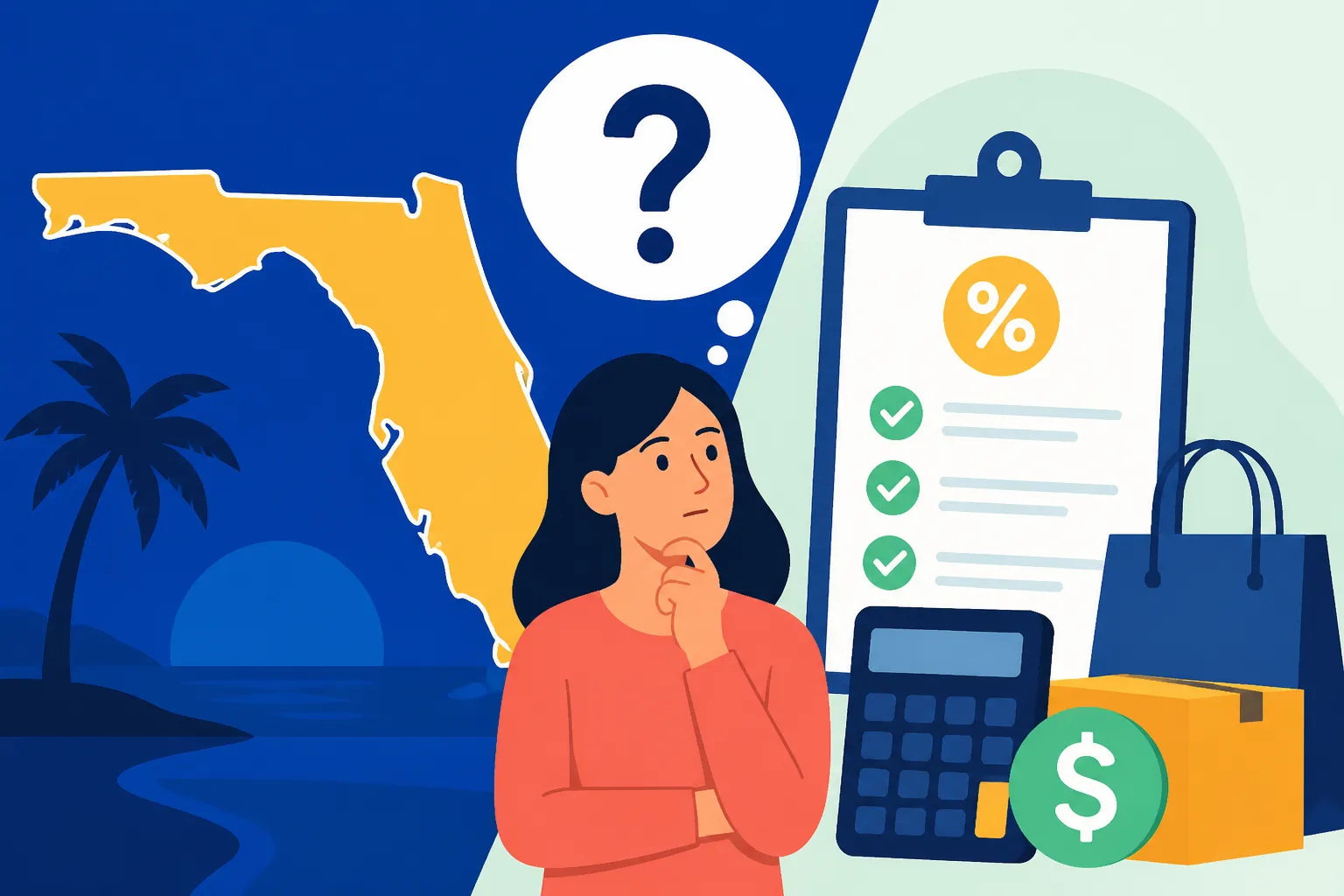
Do I Need to Collect Sales Tax in Florida?
Navigating the labyrinth of sales tax regulations can feel like a full-time job for business owners, especially when you're trying to figure out if you even need to collect sales tax in a specific state like Florida. The rules are constantly evolving, and what might have been true last year could be completely different today. This guide is here to untangle the complexities of Florida sales tax, helping you understand when and why your business needs to register and collect.
Understanding Sales Tax Nexus in Florida
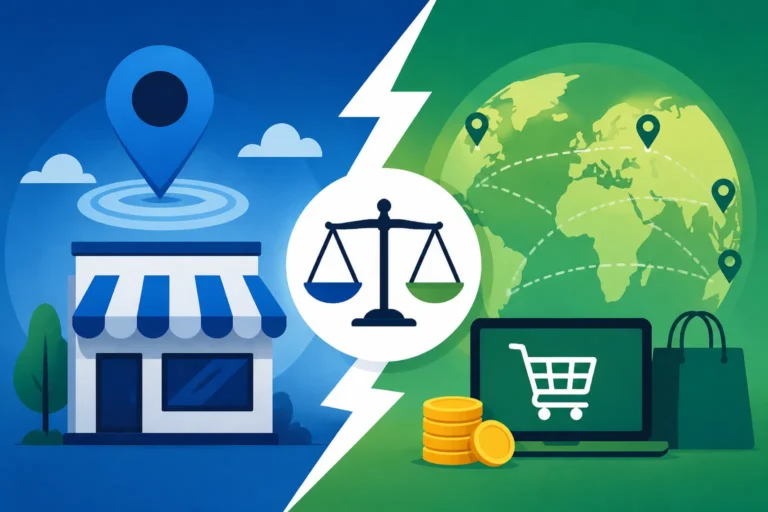
Let's start with the absolute core concept: nexus. In the world of sales tax, "nexus" isn't some fancy legal term to scare you; it simply means having a significant enough presence in a state that you are required to collect and remit sales tax. Without nexus, you generally don't have to collect sales tax from customers in that state. But once you establish nexus, the responsibility kicks in. Florida, like many states, has both physical presence and economic nexus rules that determine this obligation.
Physical Presence Nexus
This is the traditional, more straightforward type of nexus. If your business has a physical footprint in Florida, you almost certainly have sales tax nexus. Think of it like this: if you can physically touch something related to your business within the state, you likely have physical presence.
Here are some common scenarios that create physical presence nexus in Florida:
- An Office or Storefront: This is the most obvious one. If you have a brick-and-mortar store, a warehouse, or even a small administrative office in, say, Orlando or Miami, you've got nexus.
- Employees or Salespeople: Having staff working for you in Florida, even if they're remote employees working from their homes in Tampa or Jacksonville, can establish nexus. Their presence counts as your business's presence.
- Inventory Stored in the State: This is a big one for online sellers. If you use a third-party fulfillment service like Amazon FBA, and your products are stored in a Florida warehouse, that inventory creates physical nexus for your business. It doesn't matter if you never step foot in Florida yourself; your goods are there.
- Property Ownership: Owning or leasing any real estate (like land or a building) or tangible personal property (like equipment or vehicles) in Florida for business purposes creates nexus.
- Temporary Presence for Business Activities: Even a temporary setup, like attending a trade show, convention, or craft fair in Florida where you make sales, can create temporary nexus. If you're selling at a booth at Art Basel in Miami Beach for a week, you're likely creating nexus for that period.
It's really about the direct connection your business has to the state's physical space. For a deeper dive, our guide on Sales Tax Nexus Explained Physical vs Economic delves into these concepts in more detail.
Economic Nexus in Florida
Ah, economic nexus – the game-changer since the landmark 2018 Supreme Court South Dakota v. Wayfair decision. This is where states can require out-of-state businesses to collect sales tax if their economic activity within the state crosses a certain threshold, even if they don't have any physical presence there. Florida was one of the later states to adopt economic nexus laws, but they are now firmly in place, affecting countless online sellers.
The idea behind economic nexus is that if you're making a significant amount of sales into a state, you're benefiting from that state's economy and infrastructure, and therefore, you should contribute to it through sales tax collection. It's a way to level the playing field between local brick-and-mortar stores and large online retailers who historically didn't have to collect sales tax from out-of-state customers.
The Florida Economic Nexus Threshold Explained
For Florida, the economic nexus rules kicked in on July 1, 2021. This means that if your business, located outside of Florida, makes enough sales into the state, you are now required to register for a sales tax permit and collect sales tax from your Florida customers.
Sales Volume Threshold
Florida's economic nexus threshold is based purely on sales volume, without a transaction count component (which some other states used to have). Specifically, you establish economic nexus in Florida if your business makes more than $100,000 in taxable retail sales into the state during the previous calendar year.
Let's break down what this means:
- "Taxable Retail Sales": This is crucial. It refers to sales of goods and services that are subject to Florida sales tax. If you sell a mix of taxable and non-taxable items, only the revenue from the taxable items counts towards the threshold. For example, if you sell both physical products (taxable) and entirely exempt services (non-taxable) into Florida, only your physical product sales contribute to the $100,000.
- "Into the State": This means sales made to Florida residents or businesses, where the item is shipped to a Florida address or a service is provided within Florida.
- "Previous Calendar Year": You look back at your sales from January 1st to December 31st of the year before. So, to determine if you have nexus for 2026, you'd examine your sales figures from January 1, 2025, to December 31, 2025. If you crossed the $100,000 mark during that period, you have nexus for 2026.
Imagine you're an online boutique selling custom t-shirts from your home base in Georgia. In 2025, your sales to Florida customers totaled $120,000. Even if you don't have any physical presence in Florida – no employees, no office, no inventory there – you've exceeded the $100,000 economic nexus threshold. This means that starting in 2026, you would need to register with the Florida Department of Revenue and begin collecting sales tax from all your Florida customers. Tools like Avalara can help you track these thresholds automatically across multiple states, alerting you when you're approaching or have crossed a limit. For a broader perspective on thresholds, check out our guide on Economic Nexus by State 2026: Thresholds Guide.
Tracking Your Sales
The responsibility for tracking these sales falls squarely on your business. It's not enough to just hope you don't hit the threshold; proactive monitoring is essential. This often involves:
- Robust Accounting Software: Make sure your accounting system can accurately categorize sales by state. Many modern e-commerce platforms and accounting software solutions have features to help with this.
- Regular Reviews: Set a schedule to review your sales data to Florida. Monthly or quarterly checks can help you see if you're trending towards the threshold.
- Sales Tax Automation Software: For businesses selling into multiple states, manually tracking these thresholds can be a nightmare. Solutions like Avalara offer automated services that constantly monitor your sales against each state's specific economic nexus rules, giving you peace of mind and preventing costly compliance mistakes. This kind of software can provide an early warning system, letting you know when you're getting close to a state's limit so you can prepare for registration.
Failing to recognize that you've crossed the economic nexus threshold can lead to significant penalties, back taxes, and interest charges. It's far better to be prepared and compliant from the outset.
Common Scenarios That Trigger Nexus in Florida
Understanding the general definitions of physical and economic nexus is one thing, but seeing how they apply in real-world business situations makes it much clearer. Let's look at some common scenarios.
Online Sellers and Remote Businesses
The rise of e-commerce has made this area particularly complex. Many online sellers mistakenly believe that because they don't have a physical store, they don't have to worry about sales tax in other states. This is a dangerous misconception thanks to economic nexus.
- Purely Online Store (No Physical Presence): If you run an online shop from your home office in another state, and you only ship products to Florida customers, your primary concern will be the economic nexus threshold. If your taxable sales into Florida exceed $100,000 in the previous calendar year, you have nexus. It’s that simple. For instance, a small business in Oregon (a state with no sales tax) that sells handmade jewelry online might suddenly find itself needing to collect sales tax in Florida if its sales to Floridians pass the threshold.
- Dropshipping Operations: If you're a dropshipper, you sell products that are shipped directly from a third-party supplier to your customer. Even if you never touch the product, your sales can still create economic nexus if they meet the threshold. Furthermore, if your supplier has inventory or operations in Florida, you might need a resale certificate from Florida to avoid paying tax on your purchases from them. Our guide on Drop Shipping Sales Tax Explained provides more details on this intricate area.
- Remote Workforce: What if you hire a remote employee who lives in Florida? Even if that employee works from their home and never comes to an office, their presence can create physical nexus for your business. The same applies to independent contractors in some interpretations, depending on the nature of their work for you. Always verify with a tax professional specific to Florida's labor and sales tax laws.
Businesses with Physical Operations
For businesses with a more traditional setup, the triggers for physical nexus are usually quite clear, but even here, subtleties can arise.
- Traditional Storefronts and Offices: If you operate a gift shop on Worth Avenue in Palm Beach or have a consulting office in Brickell, Miami, you have obvious physical nexus. You'll need to register for a sales tax permit and collect Florida sales tax from all sales made at those locations. The standard Florida Sales Tax Rate (6% + County Surtax) applies, plus any applicable local county surtaxes.
- Warehouses and Storage Facilities: Storing your inventory in a rented warehouse or a company-owned facility in Florida, even if it’s just a third-party logistics (3PL) center, creates physical nexus. This is particularly relevant for manufacturers or distributors.
- Temporary Events and Pop-Up Shops: Let's say your business is based in Georgia, but you decide to set up a booth at the Miami International Boat Show for a few days to sell marine accessories. This temporary presence, even for a short duration, can establish nexus in Florida. You'll need to register for a temporary sales tax permit and collect tax on any sales made during the show.
- Installation or Service Crews: If your business sends employees or crews into Florida to install products, perform repairs, or offer on-site services, those activities can create physical nexus. Even if your company is based in Alabama, having a crew regularly perform HVAC installations across Florida's Panhandle means you likely have nexus there.
Amazon FBA and Marketplace Sellers
This is a specific, often confusing area for many online entrepreneurs. If you sell through platforms like Amazon, eBay, or Walmart, and utilize their fulfillment services, you need to pay close attention.
- Amazon FBA Inventory: When you use Amazon's Fulfillment by Amazon (FBA) service, Amazon stores your products in various warehouses across the country. If your inventory is placed in an Amazon warehouse located in Florida (and there are several, for instance, in Ruskin, Jacksonville, or Lakeland), that inventory creates physical nexus for your business in Florida. You might not have chosen for your products to be there, but they are, and that's enough for the Florida Department of Revenue. For many sellers, this is a hidden trap, as they might unknowingly create nexus in multiple states. Our post on Amazon FBA Sales Tax Nexus Explained dives deep into this specific issue.
- Marketplace Facilitator Laws: Here's a silver lining for many sellers: Florida has marketplace facilitator laws. This means that if you sell exclusively through a qualifying marketplace facilitator (like Amazon, eBay, Etsy, or Walmart), that marketplace is responsible for calculating, collecting, and remitting sales tax on your sales to Florida customers. This significantly simplifies things for you, the seller, as the marketplace handles the heavy lifting. However, if you also sell on your own website to Florida customers, you'll still be responsible for collecting and remitting tax on those direct sales if you meet the nexus thresholds. Our Marketplace Facilitator Laws by State guide provides a comprehensive overview of how this works across the U.S.
It's crucial to understand that even with marketplace facilitator laws, you might still need to register for a sales tax permit in Florida if you have physical nexus or exceed the economic nexus threshold through your own direct sales. The marketplace only covers the sales made through their platform.
What to Do Once You Have Nexus in Florida
Okay, so you've done the detective work and realized you have nexus in Florida. Don't panic! The next steps are clear, even if they require a bit of paperwork. Ignoring it won't make it go away; in fact, it could lead to much bigger headaches down the road.
Registering for a Sales Tax Permit
This is your first and most critical action. You cannot legally collect sales tax in Florida until you are registered with the Florida Department of Revenue and have a sales tax permit (also known as a Certificate of Registration).
Here's a general outline of the process:
- Identify Your Business Information: You'll need your Federal Employer Identification Number (FEIN), business legal name, address, business activity description, and other relevant details.
- Visit the Florida Department of Revenue Website: The Florida DOR has an online portal where businesses can register for various taxes, including sales tax. This is generally the fastest and most efficient way to apply.
- Complete the Application: The application will ask for details about your business, the type of sales you make, and your estimated sales tax liability. Be prepared to provide specific information about your business structure and operations.
- Receive Your Certificate: Once your application is processed and approved, the DOR will issue your Certificate of Registration. This permit allows you to legally collect sales tax.
- Understand Your Filing Frequency: During registration, or shortly after, the DOR will assign you a filing frequency (e.g., monthly, quarterly, annually) based on your estimated sales tax liability. Make sure you understand this, as it dictates when your sales tax returns are due. Our article on Sales Tax Filing Frequency Explained can shed more light on this.
It's important to do this before you start collecting sales tax. Retroactively registering and trying to sort out past collections can be complex. If you're wondering how to get started, our guide on How to Get a Sales Tax Permit by State offers a broader look at state-specific processes.
Collecting and Remitting Sales Tax
Once registered, you're ready to start collecting.
- Determine the Correct Rate: Florida has a statewide sales tax rate of 6%. However, many counties also impose a discretionary sales surtax (sometimes called a county tax or local option tax). This means the actual rate your customer pays can be higher than 6%. You must collect the combined state and local rate based on the customer's location within Florida, typically the ship-to address. This can get tricky, as rates vary from county to county – for example, a sale to a customer in Miami-Dade County will have a different combined rate than a sale to a customer in Duval County (Jacksonville). Our resource on Combined State + Local Sales Tax Rates Explained elaborates on how these rates are calculated.
- Integrate Sales Tax into Your Sales Process:
- E-commerce: If you run an online store, ensure your e-commerce platform (Shopify, WooCommerce, etc.) is configured to correctly calculate and charge sales tax based on the customer's Florida address. This usually involves integrating with a sales tax calculation service.
- Brick-and-Mortar: For physical stores, your POS (Point of Sale) system should be set up to automatically apply the correct sales tax rate to taxable purchases.
- Maintain Detailed Records: Keep meticulous records of all sales, sales tax collected, and any exempt sales. This is crucial for accurate filing and in case of an audit.
- File Returns and Remit Funds: On your assigned filing frequency (monthly, quarterly, annually), you'll need to file a sales tax return with the Florida Department of Revenue and remit the sales tax you collected. You can usually do this online through the DOR's portal. Remember, the money you collect is not yours; it's held in trust for the state.
Sales Tax Nexus in Florida: A Quick Reference
| Nexus Type | Description | Florida Threshold/Conditions |
|---|---|---|
| Physical Presence | Any tangible ties to the state. | Office, storefront, warehouse, employees, inventory (including FBA), owned property, temporary events (trade shows, pop-ups), service providers. |
| Economic | Reaching a certain sales volume or transaction count into the state, regardless of physical presence. | Over $100,000 in taxable retail sales into Florida in the previous calendar year. |
| Marketplace Facilitator | Platforms that collect sales tax on behalf of third-party sellers (e.g., Amazon, eBay, Etsy). | If selling exclusively through a qualifying marketplace, the marketplace is responsible for collecting Florida sales tax. |
Final Thoughts on Florida Sales Tax Compliance
The world of sales tax is undeniably complex, and Florida's rules, while generally straightforward with its 6% state rate, become intricate with local surtaxes and the nuances of economic nexus. The key takeaway is vigilance: constantly monitor your sales into Florida, understand where your inventory might be stored, and be aware of your employees' locations.
Many businesses find sales tax compliance to be a massive drain on resources. That's why sales tax software solutions are becoming indispensable. They can automate rate calculations, track nexus thresholds, and even help with filing returns, saving you countless hours and reducing the risk of errors. Companies like Avalara specialize in making this process seamless, allowing you to focus on growing your business rather than wrestling with tax forms.
Don't let the fear of complexity paralyze you. Taking the time to understand your obligations in Florida now will protect your business and ensure smooth sailing in the future. For additional resources on managing multi-state obligations, you might find our guide on Registering for Sales Tax in Multiple States helpful.
Disclaimer
The information provided in this guide is for informational purposes only and does not constitute tax or legal advice. Sales tax laws are complex and subject to change. Always consult with a qualified tax professional or the Florida Department of Revenue to determine your specific sales tax obligations.