Arkansas Sales Tax Rate 2026
You’re standing at the checkout in a charming boutique in Bentonville, or perhaps you're clicking buy on a new patio set for your Little Rock backyard, and suddenly the total is nearly 10% higher than you expected. Navigating the Arkansas sales tax landscape is a notorious headache for both residents and business owners because the rates fluctuate wildly depending on which side of a street you’re on. This guide breaks down the Arkansas Sales Tax Rate 2026 to ensure you never get caught off guard by a surprise bill or a compliance error.
The Foundation: Breaking Down the Arkansas Sales Tax Rate 2026
When we talk about the Arkansas sales tax, we have to start with the baseline established by the state government. For 2026, the Arkansas state sales tax rate remains at 6.5%. At first glance, this looks relatively mid-range compared to the rest of the country. However, that number is rarely the final amount you see on a receipt. In the Natural State, the state rate is merely the starting point of a multi-layered calculation that includes county and municipal levies.
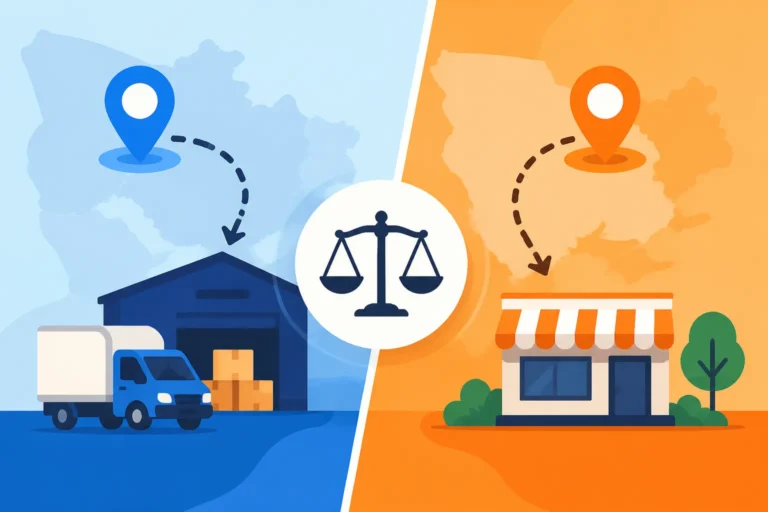
Arkansas is a "destination-based" state. This means that if you are a business owner shipping a product from Fayetteville to a customer in Hot Springs, you must charge the sales tax rate applicable to the delivery address in Hot Springs, not your home base. This creates a massive administrative burden for small businesses. Keeping track of hundreds of local jurisdictions is nearly impossible without help. Many growing e-commerce brands rely on Best Sales Tax Compliance Software 2027 or tools like Avalara to automate these calculations in real-time. Without automation, you risk under-collecting, which leaves you personally liable for the difference when the state comes knocking for an audit.
The complexity deepens when you consider that Arkansas has over 300 local taxing jurisdictions. Each county can add its own percentage, and then individual cities can tack on even more. It is not uncommon for a combined rate in a high-traffic area to exceed 10% or even 11%. This puts Arkansas among the states with the highest combined sales tax rates in the nation. To get a better handle on how this compares to neighboring states like Missouri or Texas, you might want to look at Highest & Lowest Sales Tax States 2026 to see how the Natural State stacks up globally.
Beyond the Base Rate: City and County Add-Ons
The real frustration for most Arkansans lies in the local add-ons. Every county in Arkansas has the authority to levy its own sales tax, usually for things like road improvements, jail construction, or general funds. Similarly, cities can vote in their own specific taxes. This is why you might pay a different total in North Little Rock than you do across the bridge in Little Rock proper.
For example, Pulaski County has its own specific rate, and the city of Little Rock adds another layer. When you combine the 6.5% state rate with the county and city portions, you’re looking at a total that can fluctuate significantly within a five-mile radius. This "tax layering" is the reason why a simple Sales Tax Calculator: How to Calculate Sales Tax is essential for anyone making large purchases, such as a vehicle or home renovation materials.
Below is a look at how these rates typically shake out in some of the state's most populous areas for 2026. Note that these are combined rates, including state, county, and city percentages.
| City | State Rate | County Rate | City Rate | Total Combined Rate |
|---|---|---|---|---|
| Little Rock | 6.5% | 1.0% | 1.125% | 8.625% |
| Fayetteville | 6.5% | 1.25% | 2.0% | 9.75% |
| Fort Smith | 6.5% | 1.25% | 2.0% | 9.75% |
| Hot Springs | 6.5% | 1.5% | 1.5% | 9.5% |
| Jonesboro | 6.5% | 1.0% | 1.0% | 8.5% |
| Texarkana | 6.5% | 1.25% | 2.5% | 10.25% |
As you can see from the table, there is no such thing as a "standard" rate in Arkansas. If you are a business owner, trying to manage these variables manually is a recipe for disaster. Using a service like Avalara allows you to plug in a specific address and get the exact jurisdiction-level tax immediately. This is particularly vital for those dealing with Sales Tax by ZIP Code (and Why ZIP Isn't Enough) because, in Arkansas, a single ZIP code can often contain multiple different tax rates depending on city limit boundaries.
Taxability Nuances: What Is Actually Taxed in Arkansas
One of the most empathetic points I can make to anyone living in Arkansas is the frustration over the grocery tax. While many states exempt food entirely to help low-income families, Arkansas takes a middle-ground approach. For 2026, "unprepared" groceries are taxed at a significantly reduced state rate of 0.125%, but local city and county taxes still apply at their full rates. This means your grocery bill is still subject to roughly 2% to 4% tax in most areas, even if the state portion is negligible.
Then there’s the question of services and digital goods. Arkansas has been aggressive in updating its laws to keep up with the digital economy. If you are a business selling Software-as-a-Service (SaaS) or digital downloads like e-books and streaming subscriptions, you are generally required to collect sales tax. This falls under the broader category of Digital Products Sales Tax by State. If you’re unsure about a specific item, checking the What's Taxable in Arkansas? Sales Tax Guide is a great way to avoid mistakes.
For those in the construction or repair industries, labor can also be a tricky subject. In Arkansas, "taxable services" include things like cleaning, wrecking, and even some installation services. If you’re a mechanic in Pine Bluff, you aren't just taxing the new alternator you put in a car; you’re often taxing the labor to install it as well. This differs significantly from states where labor is exempt, making it vital for service providers to understand How to Calculate Sales Tax (Step by Step) specifically for the Arkansas market.
Nexus and Compliance for Sellers in the Natural State
If you are an out-of-state seller, you might think you’re off the hook for Arkansas taxes, but the 2018 Wayfair decision changed everything. Arkansas enforces "economic nexus" rules. If your business exceeds $100,000 in sales or has 200 or more separate transactions into Arkansas within a calendar year, you are legally required to register for an Arkansas Sales Tax Permit & Filing Guide for Alabama (or rather, the Arkansas equivalent) and begin collecting and remitting tax.
The "Natural State" does not play around with these thresholds. Once you hit that $100,000 mark, the state expects you to be registered and ready to go. For many small e-commerce shops, this is a terrifying prospect. How are you supposed to know the difference between the rate in Rogers versus the rate in Springdale? This is where Sales Tax for Online Sellers: Complete Guide becomes your best friend. Many businesses find that integrating Avalara into their Shopify or BigCommerce store handles the heavy lifting, ensuring that every customer is charged the right amount based on their exact street address.
For those who are just starting out, it's important to understand How to Get a Sales Tax Permit by State. In Arkansas, the process involves registering with the Department of Finance and Administration (DFA). You’ll receive a permit that allows you to collect tax legally. Don't forget that if you are buying items for resale, you should use a Resale Certificate by State: Complete Guide to avoid paying tax on your inventory. This keeps your margins healthy and ensures you aren't paying tax twice on the same item.
Filing your returns is the final piece of the puzzle. Depending on your sales volume, the DFA will assign you a filing frequency: monthly, quarterly, or annually. If you miss a deadline, the penalties and interest can stack up faster than a summer thunderstorm in the Ozarks. Always keep an eye on Sales Tax Due Dates by State 2026 to stay on top of your obligations. If you find yourself overwhelmed, remember that How to File a Sales Tax Return: Step by Step provides a general framework that can be applied to the Arkansas DFA portal.
Arkansas Sales Tax Holiday 2026: A Brief Reprieve
Thankfully, it’s not all bad news. Arkansas typically holds an annual sales tax holiday, usually in August, to help parents and students prepare for the school year. During this window, certain items like clothing (under $100 per item) and school supplies are exempt from both state and local taxes. This is a massive relief for families and a busy time for retailers.
If you are planning a big shopping trip, checking the Arkansas Sales Tax Holiday 2026 Guide before you go can save you a significant amount of money. Retailers need to be extra careful during this weekend to ensure their systems are programmed to stop collecting tax on qualifying items while continuing to collect on non-exempt goods. This is another area where automated systems like Avalara shine, as they update these holiday rules automatically so you don't have to manually toggle tax settings in your point-of-sale system.
In summary, the Arkansas Sales Tax Rate 2026 is a complex beast, but it is manageable once you understand the layers. Whether you are a consumer trying to budget for a big purchase or a business owner trying to stay compliant across state lines, the key is knowing where the boundaries lie. By understanding What Is the Sales Tax in Arkansas? and staying informed on local changes, you can navigate the Natural State's financial landscape with confidence and ease.
Disclaimer
The information provided in this guide is for educational and informational purposes only and does not constitute professional tax, legal, or financial advice. Sales tax rates and laws are subject to frequent changes by state and local authorities. Always consult with a qualified tax professional or the Arkansas Department of Finance and Administration to ensure you are meeting all current legal requirements for your specific situation.